











Reviewed by Brian St. Pierre, MS, RD and Helen Kollias, PhD
For many women in their late 40s and early 50s, the experience of "brain fog" is not merely a sign of aging—it is a profound, disruptive shift in reality. It is the feeling that your thoughts are buried under a pile of sludge, where common nouns vanish mid-sentence and professional focus becomes an elusive luxury. For years, many women have been misdiagnosed, dismissed, or told that their cognitive decline is simply a byproduct of a busy, stressful life.
However, recent medical insights suggest that this "fog" is often a direct, physiological symptom of the menopausal transition. Understanding the connection between hormonal shifts, vasomotor symptoms, and brain health is the first step toward reclaiming your clarity.
The Anatomy of a Cognitive Crisis: A Personal Chronology
The descent into brain fog is rarely abrupt; it is often a slow, creeping haze. For many, it begins with small lapses—forgetting the name of a restaurant you visit weekly, losing the thread of a sentence, or staring blankly at a document that once took minutes to draft.
The Medical Merry-Go-Round
The path to diagnosis is frequently obstructed by a system ill-equipped to handle the nuances of perimenopause and menopause. For many, the journey begins with a search for help:
- The Initial Search: Seeking relief from exhaustion and mental cloudiness, women often consult general practitioners or mental health specialists.
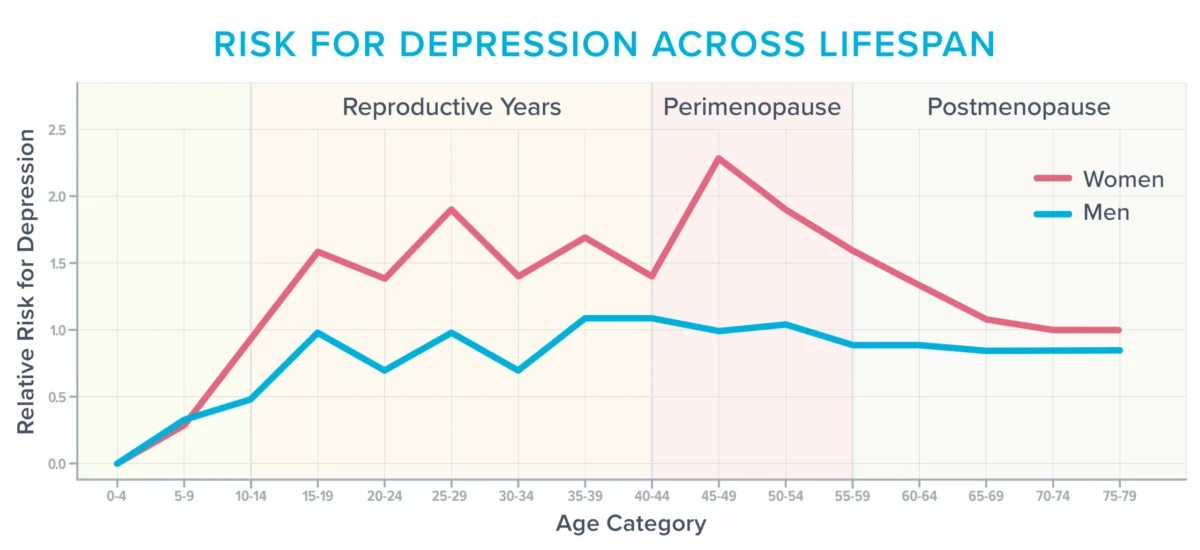
- The Misdiagnosis: Frequently, symptoms like irritability, fatigue, and poor concentration are categorized as clinical depression or generalized anxiety.
- The Failed Interventions: Patients are often prescribed a revolving door of antidepressants or sedatives. These medications frequently exacerbate the problem, leaving women feeling like "zombies" without addressing the root cause: the hormonal fluctuation of menopause.
- The Turning Point: The diagnosis often arrives by accident during a routine gynecological exam. When a patient mentions physical symptoms—such as vaginal dryness or night sweats—it triggers a different line of questioning, revealing that the "depression" was, in fact, the systemic impact of declining estrogen and progesterone.
Supporting Data: Why "Brain Fog" is More Than a Feeling
While menopause is a natural life stage—a transition akin to puberty—the physiological changes accompanying it are significant. According to the American College of Obstetricians and Gynecologists, roughly 40 percent of women report increased irritability, mood swings, and cognitive trouble during this time.
The Vasomotor Connection
For years, hot flashes were treated as an embarrassing but harmless nuisance. Modern research tells a more complex story. Hot flashes and night sweats—known collectively as vasomotor symptoms—are physiological events that trigger a rise in norepinephrine and cortisol. This internal "thermostat" malfunction in the hypothalamus does more than cause sweating; it forces the body into a state of heightened arousal and stress.
Brain Lesions and Vascular Health
Recent MRI studies have shown that women experiencing frequent, severe hot flashes often exhibit an abundance of "white matter intensities" in the brain. Once dismissed as typical aging, these lesions are now recognized by neuroscientists as predictive markers for future cognitive decline and an increased risk of stroke.
Furthermore, research indicates that frequent hot flashes correlate with vascular dysfunction—the inability of blood vessels to dilate properly—which limits the brain’s access to oxygen-rich blood. This physiological restriction, coupled with the systemic sleep deprivation caused by night sweats, creates a "perfect storm" for memory loss and mental fatigue.
The "Defensive Medicine" Barrier: Why Doctors Get It Wrong
A significant hurdle in receiving effective care is the lack of specialized training for medical professionals. Studies suggest that 80 percent of medical residents feel uncomfortable discussing menopause, and few residency programs offer comprehensive training on the subject.
The Myth of "Dangerous" Hormones
Many doctors practice what is known as "defensive medicine," shying away from Menopausal Hormone Therapy (MHT) due to outdated fears stemming from studies conducted decades ago. These studies, which suggested a link between hormones and health risks like breast cancer, failed to account for age, dosage, and the timing of treatment.

Current consensus among experts, including menopause-trained gynecologists like Dr. Jerrold H. Weinberg, suggests that for healthy women under 60—or those within 10 years of menopause onset—the benefits of MHT, including protection against osteoporosis and potentially Alzheimer’s disease, far outweigh the risks.
Implications: How to Advocate for Your Health
If you feel you are not being heard, you must shift your approach to healthcare. Advocacy requires moving from vague complaints to data-driven requests.
1. Seek Specialized Care
Look for practitioners certified by The Menopause Society. These clinicians specialize in the hormonal shifts of midlife and are more likely to utilize current research rather than relying on outdated protocols.
2. Document Everything
Bring a "symptom log" to your appointment. Do not just say, "I’m tired." Say, "I am waking up five times per night; my longest stretch of sleep is three hours." Use your smartwatch data to show sleep disruption patterns.
3. Embrace Shared Decision-Making
Approach your doctor as a partner. Ask direct questions: "Based on my current health profile, what are the specific risks and benefits of hormone therapy for me?" This framework moves the conversation away from fear-based "defensive medicine" and toward personalized, evidence-based care.
Lifestyle Strategies for Cognitive and Emotional Resilience
While medical intervention is often the primary fix for severe symptoms, lifestyle adjustments are vital for supporting brain health during this transition.
The Fundamental Four
- Fundamental Health: Nutrition, exercise, sleep, and stress management are the bedrock of midlife health. If you are struggling with these, prioritize identifying the barriers—whether it’s work pressure or caregiving duties—and address them.
- Creatine Supplementation: Research suggests that 5–7 grams of daily creatine monohydrate can help offset age-related muscle loss and support brain function, particularly during periods of sleep deprivation.
- Light Exposure: Sunlight is the master key for the body’s internal clock. Getting exposure to morning and late-afternoon light helps regulate the circadian rhythm, which can lead to better sleep quality at night.
- Moderate Your Fitness: If you are exhausted, high-intensity training may increase inflammation and irritability. Opt for "Zone 2" training or gentle movement, and prioritize recovery over pushing through pain.
- CBT for Insomnia (CBT-I): Cognitive Behavioral Therapy for Insomnia is a gold-standard, non-pharmacological approach to retraining your brain for better sleep.
- Stress Audits: Use tools like the "Wheel of Stress" to identify which areas of your life—work, parenting, or financial management—are siphoning your mental capacity. Be willing to downsize or delegate.
- Cooling Technology: Invest in cooling mattress pads or simple environmental changes to mitigate the impact of night sweats.
- Strategic Breaks: When the fog hits, don’t force productivity. Practice a 5-minute mind-body scan to recalibrate your nervous system.
- Circulatory Health: Adopting a Mediterranean or MIND diet provides the nutrients necessary for healthy blood vessel function, which is critical for maintaining blood flow to the brain.
Conclusion: The Hidden Opportunity
Menopause is not a disease, but it is a powerful signal. For many women, the transition forces a brutal but necessary reckoning: What truly matters?
The struggle to maintain the "do-it-all" pace of our 30s is often what makes the cognitive symptoms of menopause feel so catastrophic. By treating the physiological symptoms through proper hormone therapy and lifestyle adjustments, women can recover their mental clarity. But more importantly, by re-evaluating our boundaries, we can transform this life stage from a period of decline into a period of intentional living.
When the fog lifts, you may find that you have less interest in "doing it all" and more interest in doing only what truly serves your life, your health, and your happiness. That, perhaps, is the greatest shift of all.
References
For a full list of clinical studies, systemic reviews, and source materials regarding hormonal impact, vasomotor symptoms, and cognitive health, please consult the official resources directory of The Menopause Society.