











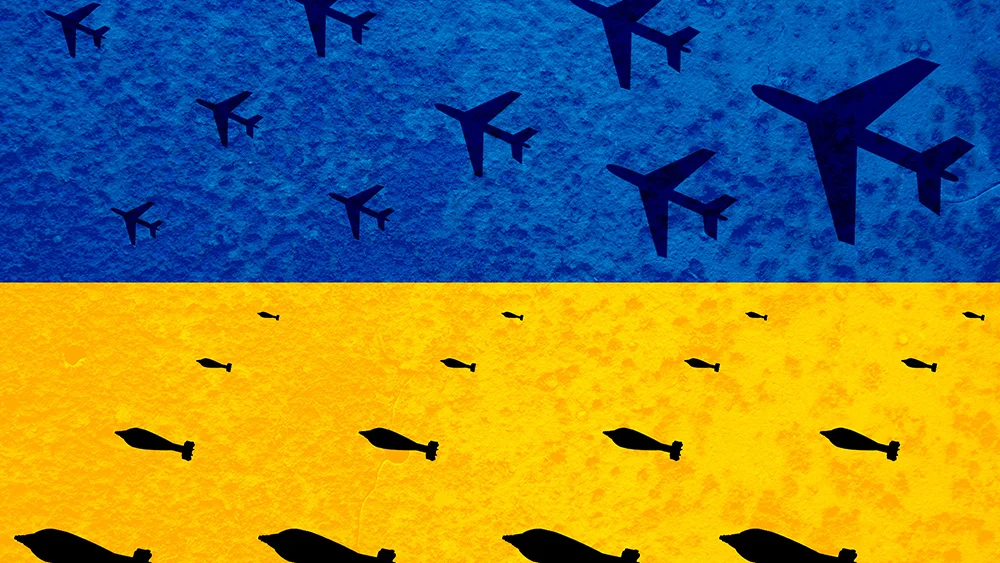
The conflict between Russia and Ukraine has entered a harrowing new phase of industrial-scale attrition. Recent days have seen a dramatic intensification of long-range aerial strikes, with the port city of Odessa serving as the focal point of a strategic campaign aimed at dismantling Ukraine’s military logistics and maritime export capabilities. As both nations pivot toward drone-centric warfare, the civilian cost of the conflict has reached levels not seen in four years, raising urgent questions about the sustainability of the current military trajectory and the geopolitical implications of continued international involvement.
The Strategic Assault on Odessa’s Infrastructure
On Thursday, the Russian Ministry of Defense confirmed a series of precision-guided strikes targeting port infrastructure in Odessa. According to military officials, the operation employed a combination of high-precision air-launched weapons and unmanned aerial vehicles (UAVs) to systematically neutralize facilities utilized by the Ukrainian Armed Forces for the storage and offloading of military cargo.
Specifically, Russian sources identified the destruction of a dedicated drone-component manufacturing workshop and a warehouse containing a significant stockpile of UAVs intended for frontline use. These strikes are not isolated incidents; rather, they represent the latest iteration of a sustained, months-long offensive designed to cripple Ukrainian logistical hubs along the Black Sea coast. The bombardment has become a near-daily reality for the residents of the Odessa region, where the constant drone of air raid sirens—often ringing 13 to 15 times within a 24-hour period—has become the grim soundtrack of daily life.
Oleh Kiper, the regional governor, recently reported that July has been particularly devastating for the area, with 28 confirmed civilian deaths resulting from the relentless shelling. The port, once a thriving hub for global commerce, has effectively transformed into one of the most volatile and dangerous front lines of the entire conflict.
A Chronology of Escalation: July’s Deadly Tide
The current surge in hostilities is part of a broader pattern of escalation that has seen the scope of the war expand far beyond the immediate contact lines in the Donbas.
- Mid-July: The frequency of air strikes in the Odessa region increased exponentially, targeting both military-linked infrastructure and commercial logistics nodes.
- July 19: A tragic incident occurred when a Russian strike targeted a cargo ship flying the flag of Guinea-Bissau. The attack resulted in 10 deaths, including four Indian nationals and a Ukrainian harbor pilot. The vessel was navigating one of the few remaining maritime export corridors, a vital artery for Ukraine’s agricultural sector, which typically facilitates approximately $9 billion in annual exports.
- Late July: The violence spread geographically, with civilian casualties reported across southern and eastern Ukraine. Simultaneously, the conflict reached deep into Russian territory, including a deadly strike on a civilian bus in the Belgorod region that claimed the lives of five individuals, including a child.
- The Drone Campaigns: Following the destruction of its component workshops in Odessa, Kyiv launched a massive retaliatory drone campaign targeting the Moscow region. Russian officials reported the engagement of over 400 drones between late evening and early morning, with air defense systems intercepting the vast majority. However, the drones that bypassed these defenses caused significant fires and injuries near the Russian capital.
Supporting Data: The Rising Civilian Toll
The human cost of this escalation is underscored by sobering data from the United Nations. Statistics released in June indicate that civilian casualties reached their highest levels in over four years. Nearly 300 individuals were killed and approximately 2,000 were wounded during that month alone. These figures highlight a disturbing trend: the theater of war has expanded to encompass urban centers and civilian infrastructure, effectively erasing the distinction between front-line military engagements and residential life.
The tactical shift toward drone warfare has further complicated the casualty landscape. Both sides are increasingly reliant on low-cost, high-impact UAVs to strike deep into enemy territory. For Ukraine, these drones serve as a asymmetric response to Russia’s overwhelming artillery and air superiority. For Russia, the focus has shifted to disrupting the supply chains—such as the workshop destroyed in Odessa—that make this Ukrainian drone capability possible.
In a recent report, the commander of Ukraine’s drone forces claimed that 183 Russian vessels have been struck in the Black Sea and the Sea of Azov during July. Furthermore, seven power substations in Russian-occupied Crimea were reportedly targeted. While these figures remain difficult to verify through independent channels, they suggest a high-intensity, "shadow war" occurring beneath the surface of official diplomatic narratives.
Official Responses and Strategic Rationales
The rhetoric from both Kyiv and Moscow continues to harden as the conflict stretches into its fourth year. President Volodymyr Zelenskyy has defended the Ukrainian drone strikes on Russian logistics sites and oil depots—some located as far as 250 miles inside Russian territory—as essential, legitimate military operations. From Kyiv’s perspective, these strikes are the only way to degrade the Russian war machine’s capacity to launch daily attacks on Ukrainian cities.
Conversely, Moscow maintains that its strikes on Odessa and other regions are defensive, pre-emptive measures aimed at destroying the infrastructure that facilitates Western-supplied military aid and domestic weapon manufacturing. The evacuation of the Wildberries logistics center in Podolsk following a Ukrainian drone strike, which killed eight workers, highlights the growing anxiety among Russian commercial entities as the war hits home for the Russian public.
The Broader Implications: A War Without End?
As the cycle of strike and counter-strike continues, the international community—particularly the United States—finds itself at a crossroads. The American financial commitment to the conflict remains staggering. With billions of dollars in military and economic aid flowing into Ukraine, the debate over the utility and the moral imperative of this funding is intensifying.
For many observers, the lack of a clear exit strategy is the most concerning aspect of the current situation. The port of Odessa serves as a microcosm for the broader conflict: it is a site of recurring destruction, where no amount of material aid seems capable of halting the cyclical nature of the violence.
The political climate in Washington is beginning to reflect these frustrations. Critics argue that the prioritization of foreign military aid comes at a direct cost to domestic stability. Arguments are frequently raised regarding the state of America’s own infrastructure, the security of its southern border, and the persistent inflationary pressures impacting the American cost of living. The question being asked in legislative halls and town halls alike is whether the massive expenditure on a "war without end" is serving the long-term national interests of the United States.
As the conflict in the Black Sea enters a new, more dangerous phase, the prospect of a negotiated settlement appears increasingly distant. Both sides are deeply invested in a strategy of total exhaustion, betting that their adversary will be the first to collapse under the pressure of mounting losses and logistical strain. For the people of Odessa, Belgorod, and beyond, the reality remains unchanged: they are living in the crosshairs of a struggle that shows no sign of abating, fueled by a relentless infusion of resources that may only be prolonging the inevitable reckoning.
The war in Ukraine is no longer merely a territorial dispute; it has become a global test of endurance. As the world watches, the combination of high-tech drone warfare and conventional industrial destruction continues to reshape the landscape of modern conflict, leaving in its wake a trail of economic instability, humanitarian crises, and a deeply uncertain future for global security. Whether the current path of escalation can be diverted toward diplomacy or whether the cycle of violence will continue to feed upon itself remains the central, unresolved question of our time.