










As we navigate the decades following 60, the conversation around physical fitness often shifts from aesthetics to functional autonomy. While high-intensity interval training and heavy powerlifting have their place, many trainers and physical therapists are turning their attention to a deceptively simple isometric exercise: the wall sit. Far from being a mere "burnout" move at the end of a gym session, the wall sit is increasingly viewed as a diagnostic tool and a foundational builder for elite lower-body power in older adults.
Main Facts: The Anatomy of a Stationary Challenge
The wall sit is an isometric exercise, meaning it involves muscle engagement without changing the length of the muscle or the angle of the joint. When you slide down a wall and hold a seated position, you are forcing your quadriceps, glutes, and core to maintain a constant state of tension. Unlike dynamic movements, such as squats or lunges, which rely on the momentum of the eccentric (lowering) and concentric (lifting) phases, the wall sit demands pure, sustained force production.
For those over 60, this specific type of engagement is vital. Research indicates that as we age, we naturally experience sarcopenia—the age-related loss of muscle mass and strength. This decline is most noticeable in the lower body, which is responsible for our gait, balance, and the ability to perform "activities of daily living" (ADLs), such as rising from a chair or navigating stairs. The wall sit provides a safe, low-impact environment to combat this decline by keeping the muscles under constant tension, teaching the nervous system how to "fire" these muscle groups efficiently under load.
Chronology of Functional Decline and Recovery
To understand the necessity of the wall sit, one must look at the timeline of physical aging. In our 30s and 40s, most of us maintain a baseline of strength through general movement. However, by our 60s, a sedentary lifestyle—often prompted by joint discomfort or fear of instability—can lead to a rapid decline in lower-body endurance.
- Phase 1: The Sedentary Spiral: It begins with minor avoidance behaviors. We stop taking the stairs or we hold onto railings for support. This reduces the time our muscles spend under tension.
- Phase 2: The Neuromuscular Gap: Over months and years, the brain-to-muscle connection weakens. The quads become "lazy" because they aren’t tasked with stabilizing the hips or knees during full range-of-motion movements.
- Phase 3: The Intervention: Introducing a wall sit protocol acts as a "reset" button. By holding the position, you force the dormant muscle fibers to wake up.
- Phase 4: Functional Reclamation: After 6 to 12 weeks of consistent isometric training, most individuals report a significant increase in "pop"—the ability to stand up quickly and with less strain—and an improved sense of balance on uneven terrain.
Supporting Data: What the Science Says
The clinical literature supports the efficacy of isometric training. A study published in the Journal of Strength and Conditioning Research highlights that isometric contractions are exceptionally effective at increasing motor unit recruitment. Essentially, the wall sit makes your brain better at telling your legs to "turn on."
Furthermore, research indicates that isometric training is superior for managing joint health in populations with osteoarthritis or general knee sensitivity. Because there is no grinding motion against the joint cartilage, the wall sit builds the "armor" around the knee—the quadriceps and the supporting musculature—without the irritation often caused by repetitive, heavy dynamic squatting. This makes it an ideal "pre-habilitation" exercise for those looking to stay active well into their 70s and 80s.
Official Perspectives from the Fitness Community
We spoke with fitness professionals and geriatric movement specialists regarding the utility of this exercise. The consensus is clear: the wall sit is the most accessible "litmus test" for leg power.
"I use the wall sit as my primary screening tool," says one consultant in sports gerontology. "If a client cannot hold a 45-degree wall sit for 30 seconds without trembling, I know immediately that they are at a higher risk for falls. It’s not just about leg strength; it’s about the endurance required to keep the body upright when the nervous system begins to fatigue."

These experts emphasize that the wall sit serves as a bridge. It creates the muscular foundation necessary to safely progress into more advanced exercises like goblet squats, Bulgarian split squats, and step-ups. Without the base-level endurance built by isometric holds, these more dynamic movements are often performed with poor form, increasing the risk of injury.
Implications: Building a Resilient Lower Body After 60
The implications for incorporating wall sits into a weekly routine are profound. By training the legs to hold tension, you are effectively "future-proofing" your mobility.
The Standard for Success
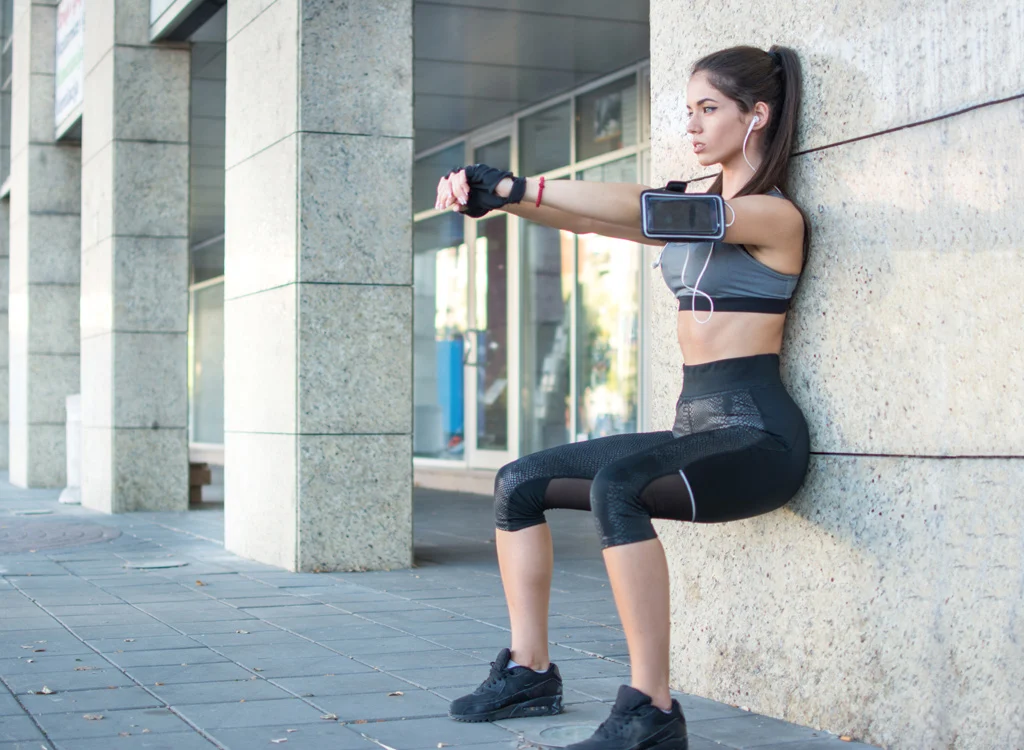
To properly perform a wall sit:
- Placement: Stand with your back flat against a sturdy wall.
- Stance: Step your feet out about two feet, keeping them shoulder-width apart.
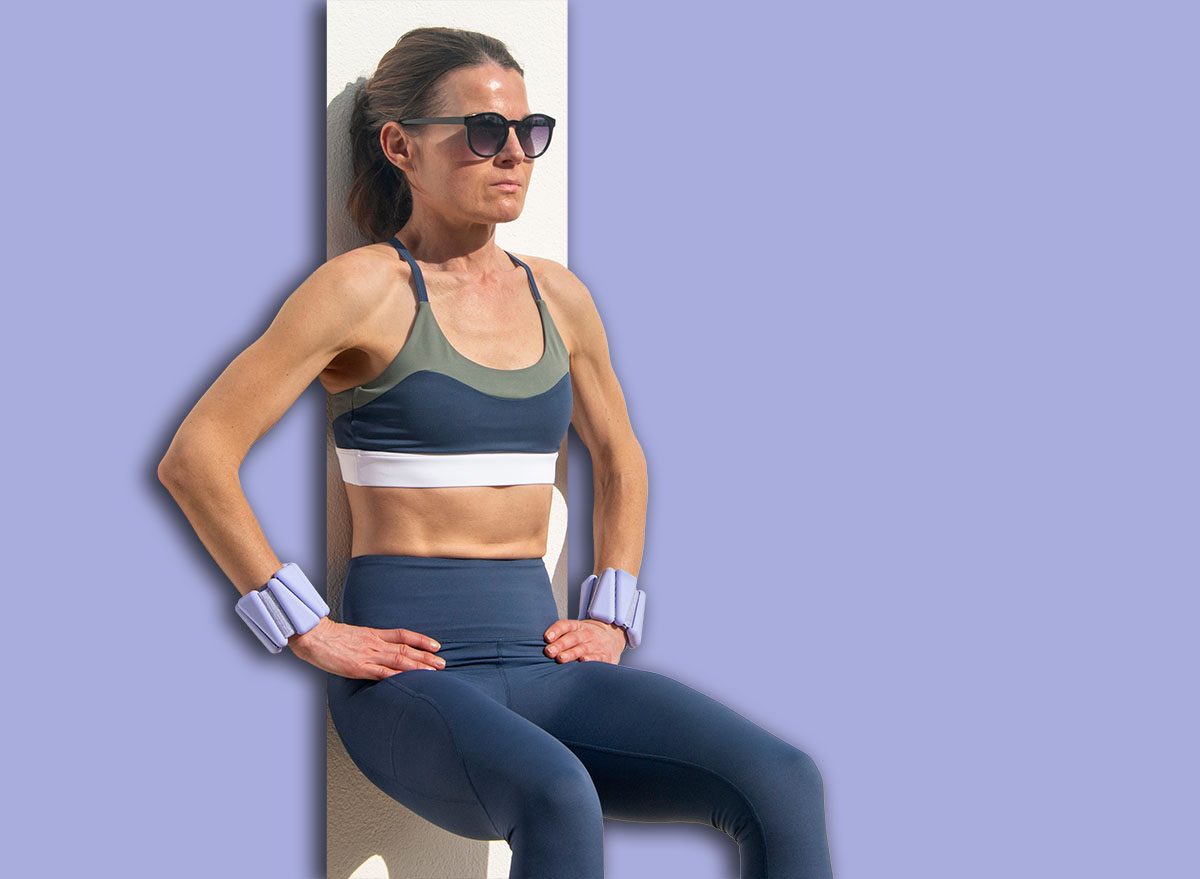
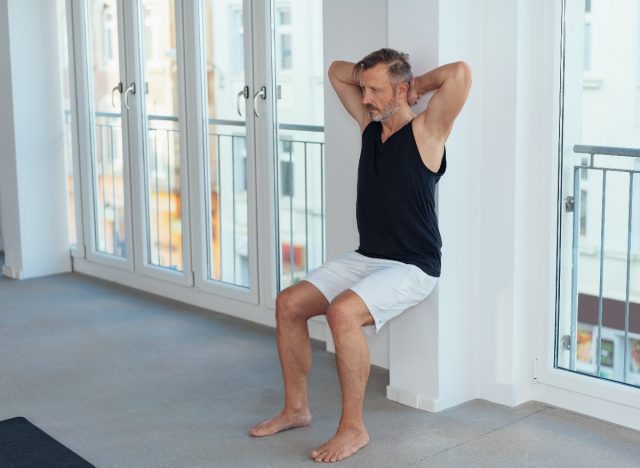
- The Drop: Slowly slide down until your thighs are as close to parallel to the floor as your mobility allows.
- The Alignment: Ensure your knees are stacked directly over your ankles. If your knees are pushed too far forward, you place undue stress on the patellar tendon.
- The Hold: Keep your spine neutral. Avoid arching your lower back or leaning your head forward. Keep your hands at your sides or resting on your thighs—do not use them to push yourself up.
Decoding Your Time
- 0–20 Seconds (The Foundation Phase): You are in the early stages of building neuromuscular control. Focus on consistent, shorter holds (e.g., 3 sets of 15 seconds) to avoid over-fatigue.
- 20–45 Seconds (The Functional Phase): You have built a solid base. Your muscles are efficient at holding your body weight, which will translate to much greater ease when climbing stairs or hiking.
- 45–60+ Seconds (The Elite Phase): Achieving a minute or more shows exceptional endurance and hip stability. This is the range that provides maximum protection for your joints during daily activities and athletic pursuits.
Developing a Protocol for Long-Term Gains
Consistency is the secret ingredient. To see real-world changes, aim to integrate wall sits into your routine at least three times a week.
- Week 1–2: Focus on form. Don’t worry about the clock. Focus on "owning" the position for 15–20 seconds.
- Week 3–6: Increase the time by 5 seconds each week. If you reach 45 seconds comfortably, look toward variations.
- Advanced Variations: Once you have mastered the standard hold, you can increase intensity without adding weight by moving to a Single-Leg Wall Sit (which builds massive hip stability) or Heels-Elevated Wall Sit (which shifts the focus toward the quads and calves).
Final Thoughts: The Road Ahead
After 60, strength is not just about vanity; it is about independence. The wall sit provides a clear, measurable, and highly effective path toward maintaining that independence. It requires nothing more than a few square feet of wall space and a willingness to embrace a bit of discomfort.
By building the endurance to hold your own weight, you are investing in the ability to walk further, climb higher, and move with the confidence that your legs are capable of supporting you through whatever life throws your way. Do not underestimate the power of the wall; it may well be the most important piece of equipment in your fitness arsenal.