









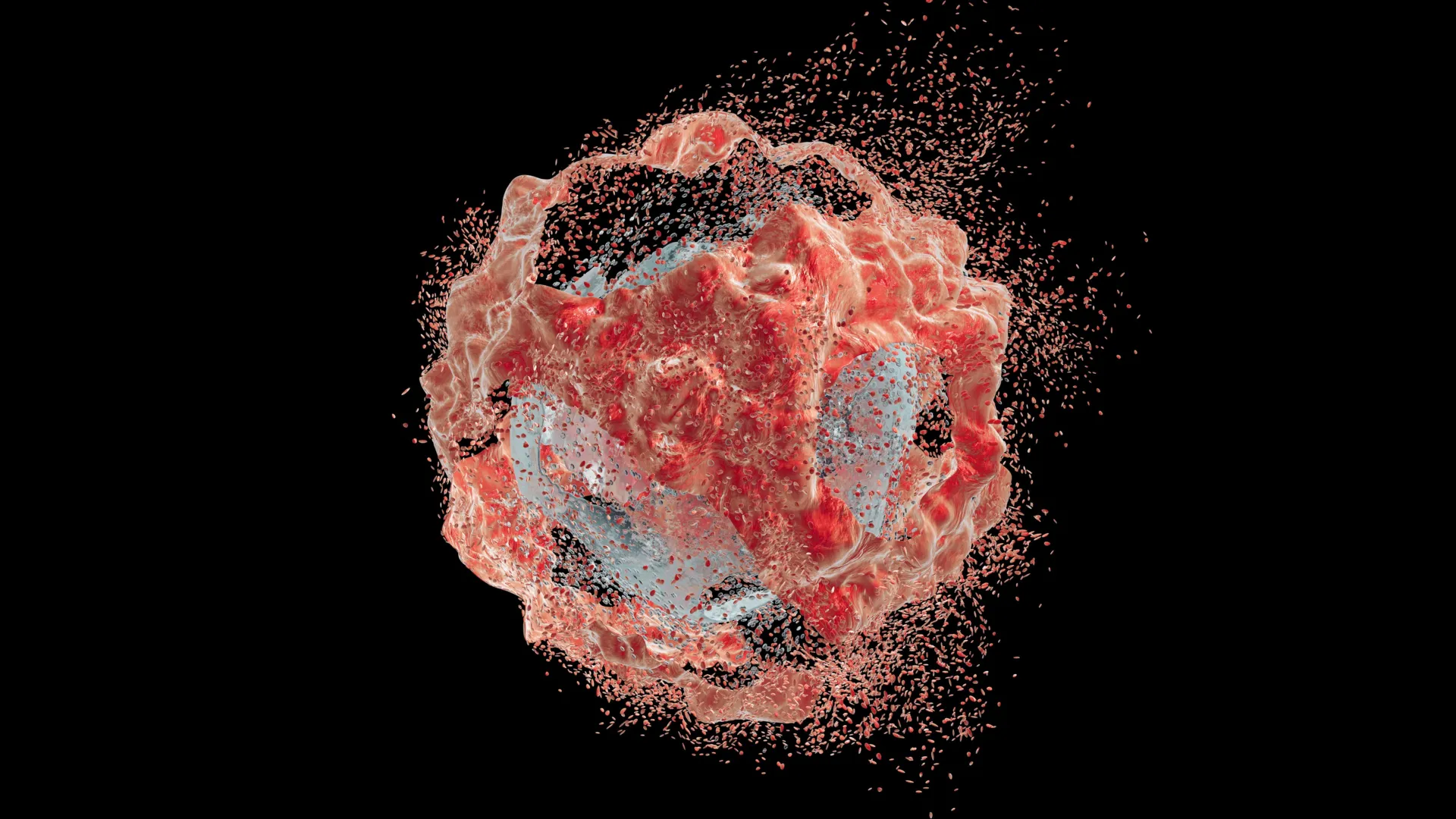
Pancreatic ductal adenocarcinoma (PDAC) remains one of the most formidable adversaries in oncology. Characterized by a grim prognosis and a notorious resistance to conventional chemotherapy, it has long been defined by the pervasive presence of KRAS mutations—genetic "on-switches" that fuel tumor growth and metastasis. For decades, the scientific community has struggled to develop effective therapies that can overcome these mutations. However, a transformative study recently published in the journal Oncotarget suggests that a novel class of compounds, known as polyisoprenylated cysteinyl amide inhibitors (PCAIs), may provide the breakthrough clinicians have been searching for.
Led by first author Kweku Ofosu-Asante and corresponding author Nazarius S. Lamango of the Florida A&M University College of Pharmacy and Pharmaceutical Sciences, the research team has unveiled a unique mechanism of action that essentially tricks cancer cells into self-destructing. By targeting the complex signaling networks that pancreatic tumors rely upon to thrive, these experimental compounds offer a beacon of hope for patients who have exhausted standard treatment options.
The Challenge of KRAS-Driven Malignancy
To understand the gravity of this research, one must first appreciate the biology of the disease. KRAS mutations are present in the vast majority of pancreatic cancer cases. These mutations effectively lock a cellular protein in its "active" state, sending constant, unchecked signals for the cell to divide and grow. While the pharmaceutical industry has made strides in developing drugs that target specific KRAS mutations (such as KRASG12C), these therapies are often limited in scope.
Many patients harbor different variations of KRAS mutations, rendering current targeted therapies ineffective. Furthermore, cancer cells are notoriously adaptive; they often develop resistance mechanisms that bypass the blockade created by narrow-spectrum drugs. The scientific imperative, therefore, has been to identify "pan-KRAS" approaches—therapies that can disrupt the underlying logic of these tumors regardless of the specific mutation profile.
Chronology: From Concept to Clinical Potential
The development of PCAIs is the result of years of meticulous investigation into the isoprenylation of proteins—a biological process that essentially "anchors" proteins to the cell membrane so they can receive signals. By interfering with this process, researchers hypothesized they could effectively "blind" the cancer cell.
- Early Development: The team at Florida A&M University initially synthesized the PCAI compounds to disrupt oncogenic G-proteins, which are essential for the signaling cascades that drive cell proliferation.
- Initial Screening: Researchers subjected various pancreatic cancer cell lines—all carrying diverse KRAS mutations—to a library of PCAI candidates. The goal was to identify which compounds exerted the most potent influence on cell survival, motility, and invasive capacity.
- Focusing on NSL-YHJ-2-27: Among the candidates, one compound, identified as NSL-YHJ-2-27, emerged as the clear frontrunner. It demonstrated an exceptional ability to not only halt growth but to structurally dismantle the cancer cell’s machinery.
- Validation in 3D Models: Recognizing that flat cell cultures (monolayers) often fail to mimic the behavior of human tumors, the team transitioned to three-dimensional tumor spheroid models. These models replicate the density and architecture of a real tumor, providing a more rigorous test for the drug’s efficacy.
- Transcriptomic Profiling: The final stage involved analyzing the genetic "footprint" of the treated cells to confirm exactly which pathways were being modulated, leading to the surprising discovery regarding MAPK and PI3K/AKT hyperactivation.
The Mechanism: A Paradoxical Approach to Destruction
In oncology, the standard strategy is typically to "inhibit" or "silence" pathways that drive cancer. If a pathway is overactive, the intuition is to turn it off. However, the study led by Ofosu-Asante and Lamango revealed a counterintuitive strategy: the "overactivation" of survival pathways to the point of toxicity.
The Role of MAPK and PI3K/AKT
The MAPK and PI3K/AKT signaling pathways are the "engines" of cell growth. Under normal circumstances, they keep a cell healthy and responsive to its environment. In cancer, they are hijacked to promote immortality. The researchers found that NSL-YHJ-2-27 does not shut these pathways down; instead, it hyperactivates them to such an extreme degree that the cell can no longer maintain homeostatic balance.
This "hyperactivation" leads to an internal crisis within the cancer cell. The study observed:
- Oxidative Stress: The cells produced dangerous levels of reactive oxygen species (ROS), which damage the cell’s internal structures.
- Apoptotic Signaling: The cells increased production of BAX, a pro-apoptotic protein that triggers the cell’s "suicide" program.
- Caspase Activation: The cells initiated the activation of caspase enzymes—the executioners of programmed cell death (apoptosis).
Essentially, the PCAIs overwhelm the cancer cell’s regulatory systems, forcing it to commit suicide as a result of its own metabolic chaos.
Data Analysis: Breaking Down the Findings
The statistical evidence provided in the study highlights the profound impact of NSL-YHJ-2-27. At a concentration of just 1 µM, the compound blocked more than 90% of cancer cell migration. This is a critical finding, as metastasis—the spread of cancer to the liver, lungs, or peritoneum—is the primary cause of mortality in pancreatic cancer patients.
Furthermore, the researchers observed a physical transformation in the cancer cells. By disrupting the actin cytoskeleton—the cell’s "scaffolding"—the PCAIs caused the cells to lose their migratory shape and round up, effectively rendering them immobile. When applied to 3D tumor spheroids, the drug caused the solid mass of cells to lose its integrity and break apart, confirming that the treatment remains effective even in complex, multi-layered tissue structures.
Transcriptomic analyses reinforced these findings. Gene expression data indicated that the treatment downregulated genes responsible for metastasis and invasion while simultaneously upregulating genes associated with tumor suppression.
Official Perspective and Research Implications
The research team emphasizes that PCAIs represent a distinct departure from current KRAS-targeting drugs. "One class of such promising agents is the PCAIs that were designed to target oncogenic G-proteins in a manner that is different from the KRASG12C-targeting drugs," the authors noted.
This distinction is vital for the future of personalized medicine. Because PCAIs target the downstream consequences of KRAS signaling rather than the specific mutation site, they possess the potential to treat a much broader patient population. Instead of requiring a specific genetic "key" to unlock the door to treatment, PCAIs appear to be a "skeleton key," capable of impacting a wide array of KRAS-driven tumors.
Future Outlook: Translating Science to the Bedside
While the findings are undoubtedly promising, the researchers acknowledge that the journey from in vitro success to clinical application is long. The next steps will likely involve:
- Pharmacokinetic Studies: Determining how these compounds are metabolized and whether they can reach high enough concentrations in the human body to achieve the same effects observed in the lab.
- Safety and Toxicity Profiles: Assessing whether the "hyperactivation" mechanism can be achieved in tumors without causing unintended damage to healthy, non-cancerous tissues.
- Combination Therapies: Investigating whether PCAIs can be paired with existing chemotherapy regimens (like gemcitabine or nab-paclitaxel) to create a synergistic effect, potentially lowering the required dosage and reducing side effects.
The work of Kweku Ofosu-Asante, Nazarius S. Lamango, and their colleagues provides a refreshing and innovative roadmap for future pancreatic cancer research. By shifting the focus from simply "blocking" cancer to fundamentally destabilizing its internal control systems, they have opened a new front in the war against one of the deadliest diseases known to modern medicine. As the scientific community continues to explore the potential of PCAIs, there is renewed optimism that the lethal grip of pancreatic cancer may eventually be loosened.