










There is a uniquely American ritual found in the vinyl booths of roadside diners. It is a space where the week’s burdens are set aside, replaced by the clinking of silverware, the endless refill of diner-style coffee, and the comforting aroma of griddled batter and sizzling bacon. For many, the weekend does not officially begin until they are seated across from friends, debating the merits of crispy hash browns versus fluffy buttermilk pancakes.
While the rise of artisanal cafes and upscale brunch spots has changed the culinary landscape, the classic breakfast chain remains an anchor of the American dining experience. From the neon glow of a 24-hour establishment to the rustic, wood-paneled comfort of country-themed eateries, these chains offer more than just food—they offer consistency, nostalgia, and a reliable baseline of quality. Recently, the debate over which chain truly wears the crown has ignited passionate discussions among food enthusiasts and Reddit communities alike.
The Pillars of Breakfast: Analyzing the Top Contenders
The quest for the "best" breakfast chain is subjective, yet certain names consistently rise to the top of the conversation. When diners evaluate these establishments, they are looking for a blend of atmosphere, menu variety, and that elusive "home-cooked" quality that defines the diner experience.
1. The Original Pancake House: The Culinary Gold Standard
For many, The Original Pancake House represents the gold standard of breakfast craftsmanship. Unlike some chains that rely on pre-packaged mixes, the Original Pancake House is frequently lauded for its commitment to high-quality ingredients and a specialized menu that prioritizes technique.
Key Facts:
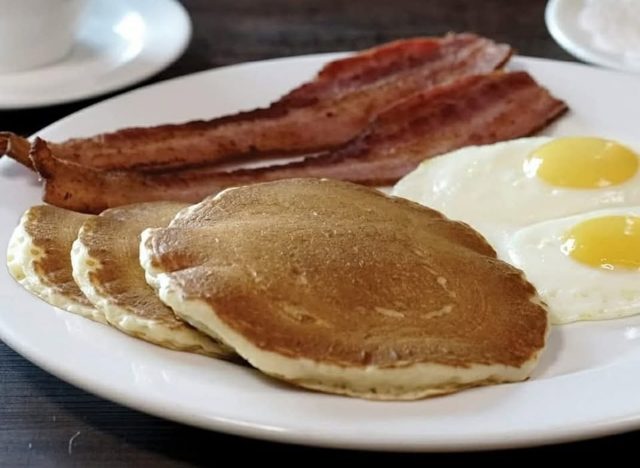
- Signature Items: Their Dutch Baby—a buttery, oven-baked pancake—and their specialized sourdough pancakes have become iconic.
- Community Sentiment: It is widely considered the "GOAT" (Greatest of All Time) by breakfast purists. The emphasis here is on the food quality, which often surpasses the expectations typically associated with national chains.
2. Black Bear Diner: The Comfort Food Heavyweight
Black Bear Diner has carved out a massive niche by offering "comfort food with a heavy dose of personality." With its distinct, cabin-inspired aesthetic, the chain provides a hearty, substantial experience that appeals to those looking for a "stick-to-your-ribs" meal.
Key Facts:
- Menu Standouts: The "Grizz" and the loaded Denver omelettes are frequently cited as the reasons customers keep coming back.
- The Appeal: The sheer portion sizes combined with a rustic, family-friendly environment make it a preferred choice for those seeking a substantial, traditional breakfast.
3. Waffle House: The Cultural Phenomenon
To talk about American breakfast without mentioning Waffle House is to ignore a cultural institution. Waffle House is more than a restaurant; it is a 24/7 beacon of reliability. Whether it’s 3:00 AM after a night out or 9:00 AM on a Sunday, the experience remains unchanged.
Key Facts:
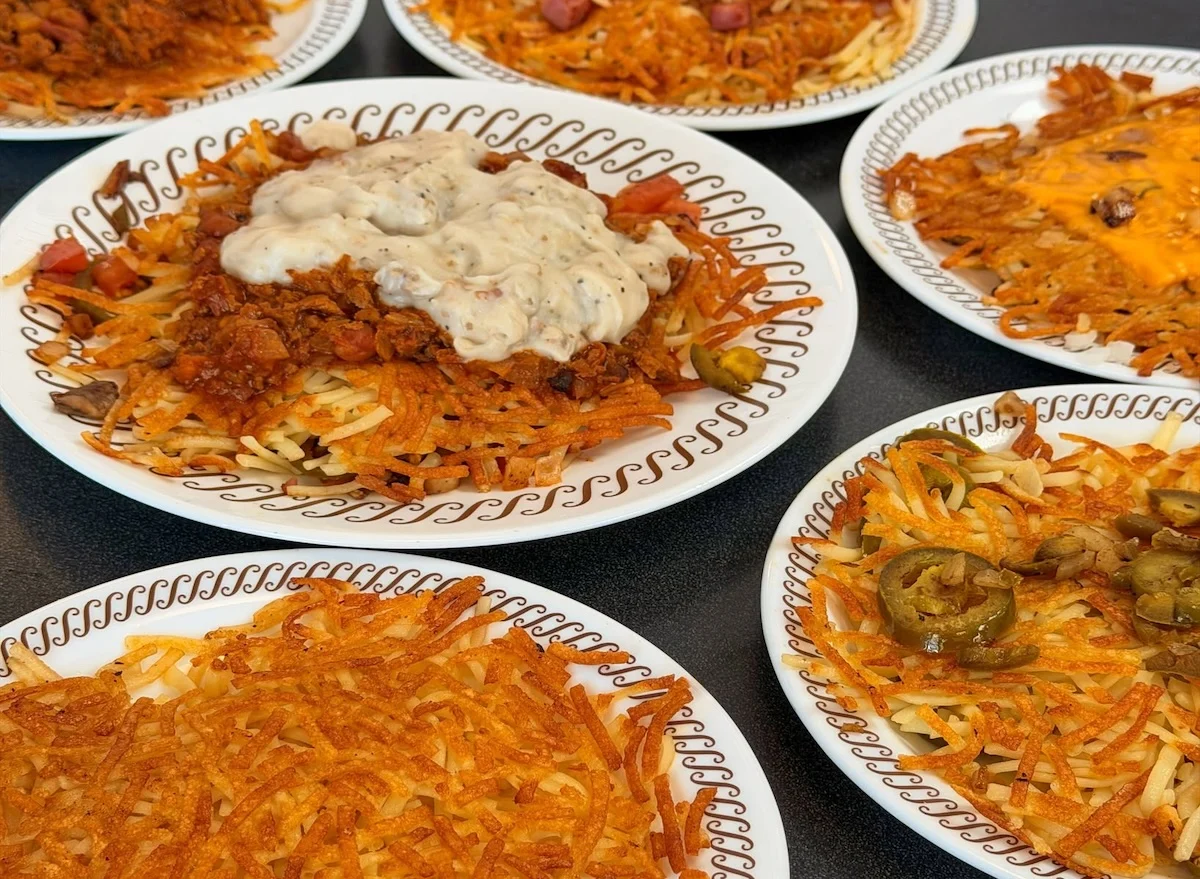
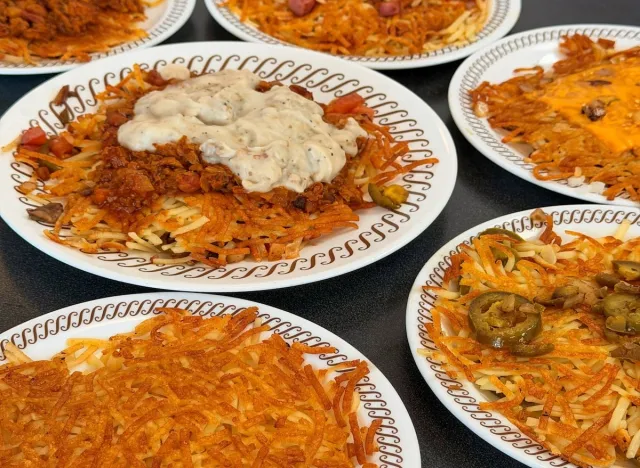
- The Experience: Known for its "smothered, covered, and chunked" hash browns, the chain is celebrated for its efficiency and unpretentious charm.
- Fan Loyalty: The devotion to Waffle House borders on the legendary. It is often described as "top-tier" because it makes no attempt to be anything other than exactly what it is: a fast, hot, and satisfying meal.
4. Cracker Barrel: The Nostalgia Factor
Cracker Barrel occupies a unique space in the American landscape, acting as both a restaurant and a retail destination. For many, it evokes a sense of home, complete with country-fried steaks and biscuits that feel like they were made in a grandmother’s kitchen.
Key Facts:
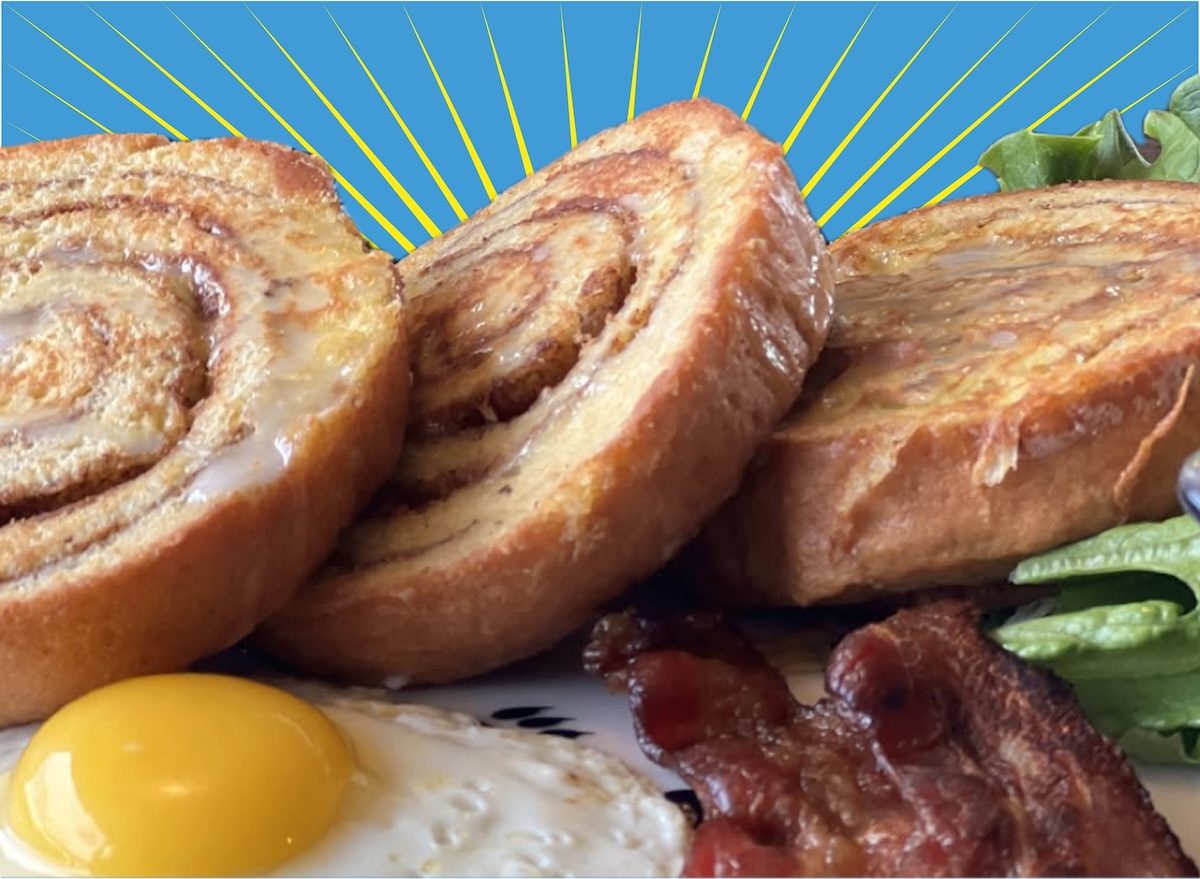
- Menu Favorites: The country-fried breakfast and the French toast are perennial favorites.
- Market Position: Cracker Barrel succeeds by leaning into a specific brand of American hospitality. The food is consistently cited as high-quality, comfort-oriented, and deeply nostalgic.
5. Denny’s: The Evolution of a Giant
Denny’s is perhaps the most ubiquitous breakfast chain in America. While it has faced criticism in the past for being "standard fare," recent shifts in quality and menu innovation have kept it relevant.
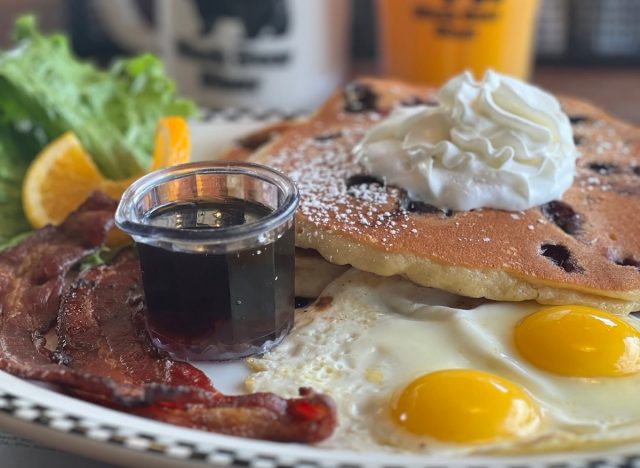
Key Facts:
- The Comeback: Many long-time patrons have noted a marked improvement in the quality of ingredients and preparation over the last decade.
- Universal Appeal: Its ability to be everything to everyone—from late-night snackers to families with young children—keeps it at the forefront of the breakfast conversation.
A Chronology of the Diner Era
The rise of these chains did not happen overnight. The evolution of the American breakfast chain can be traced through several distinct eras:
- The Mid-Century Boom (1950s–1970s): This was the birth of the "coffee shop" culture. Denny’s, founded in 1953, capitalized on the burgeoning highway culture, offering travelers a safe, reliable place to eat at any hour.
- The Expansion of Specialties (1980s–1990s): During this time, brands like The Original Pancake House began to emphasize specialization. Rather than trying to be a "do-it-all" diner, they focused on perfecting the pancake, the crepe, and the breakfast pastry.
- The Experience Economy (2000s–Present): Chains like Black Bear Diner and Cracker Barrel rose to prominence by creating an "experience" around the meal. It was no longer just about the eggs; it was about the atmosphere, the decor, and the feeling of stepping into a different time or place.
Supporting Data: Why We Love Our Breakfast Chains
Why do these specific chains dominate the conversation? Data suggests three primary drivers:
- Consistency: In an era of volatile supply chains and changing consumer tastes, diners crave predictability. Knowing exactly how your hash browns will arrive—no matter which state you are in—is a powerful psychological draw.
- Affordability: Compared to modern "brunch" culture, where a meal can easily exceed $30, breakfast chains offer a high-value proposition. The ability to feed a family of four for a moderate price remains a significant competitive advantage.
- Social Connectivity: As noted by many frequenters, the diner is a "third place"—a location outside of home and work where community interaction is encouraged. The booth layout is specifically designed to foster conversation, making it a social hub as much as a dining destination.
Official Responses and Strategic Shifts
Major breakfast chains have responded to the current competitive landscape by doubling down on quality. According to recent industry reports, many chains have moved away from frozen, pre-processed components in favor of fresh-cracked eggs and house-made batters.
- Denny’s "Heritage" Push: Management at Denny’s has publicly signaled a move toward "modernizing the diner," which includes updating interiors and refining the quality of their core menu items to compete with regional boutique chains.
- Black Bear’s Expansion: By maintaining a rigid standard for their "cabin" aesthetic and portion sizes, Black Bear Diner has successfully grown its footprint without diluting the brand identity that made it a fan favorite in the first place.
Implications for the Future of Dining
The passion with which these chains are debated on forums like Reddit highlights a broader shift in consumer behavior. Despite the digital age, there is a renewed appreciation for physical spaces that offer "unplugged" social interaction.
The implication for the restaurant industry is clear: technology may change how we order (via apps and delivery services), but it cannot replace the physical experience of sitting in a booth. As we look toward the future, the chains that thrive will be those that balance the efficiency of modern operations with the authentic, nostalgic "diner soul" that customers are so clearly craving.
Whether you align with the "Waffle House is the GOAT" camp or believe that nothing can touch the sophisticated pancake game of The Original Pancake House, one thing is certain: the American breakfast chain is not going anywhere. It remains a cornerstone of our culinary culture, a place where, for the price of a cup of coffee and a plate of eggs, you can find a sense of belonging in an increasingly fragmented world.
As the "Breakfast Wars" continue to rage in online comment sections, the real winners are the diners themselves—the individuals who continue to seek out these establishments, keeping the tradition of the weekend breakfast ritual alive, one plate of hash browns at a time.