








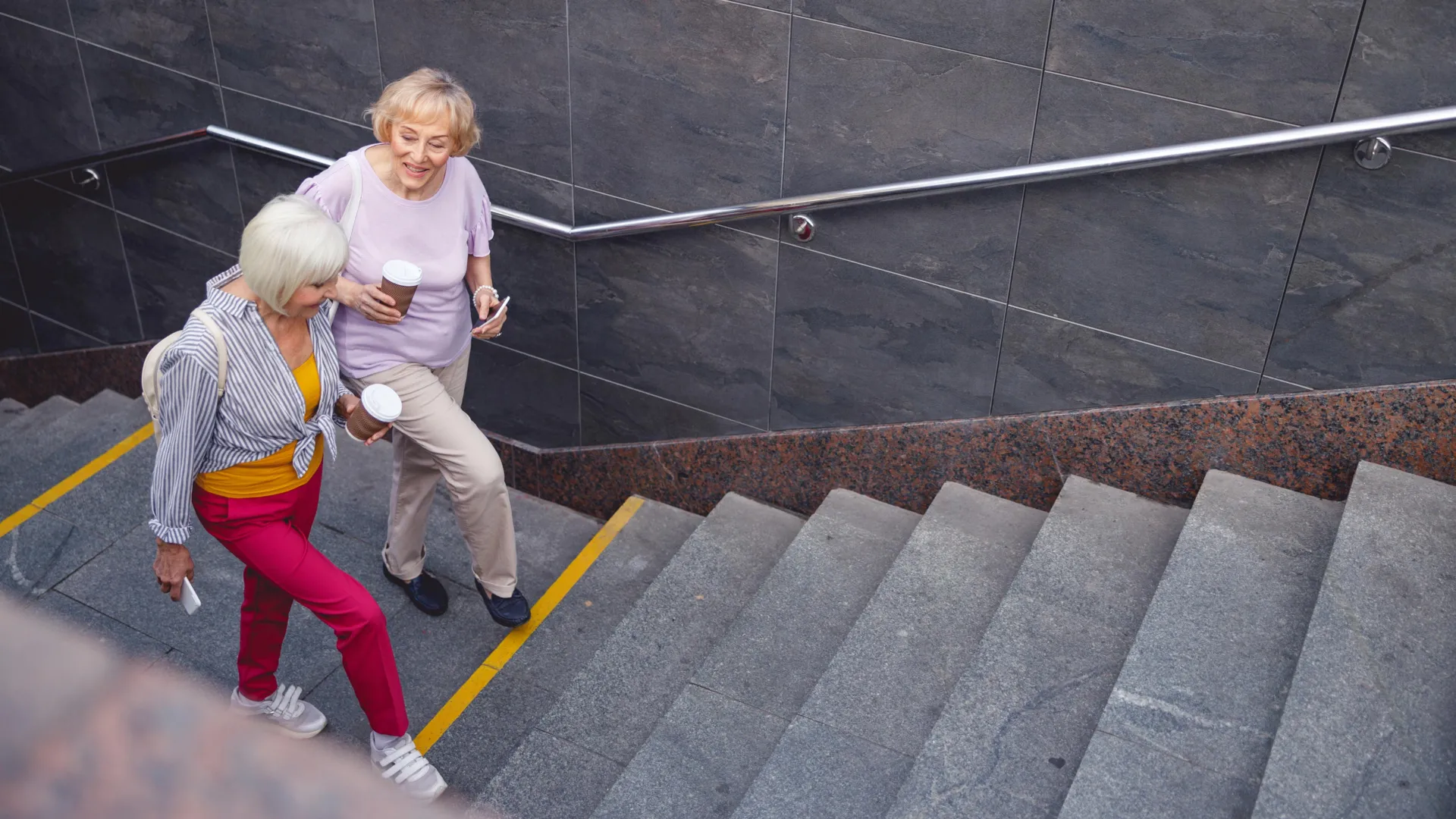
In an era defined by sedentary desk jobs, automated transport, and the convenience of the elevator, the human heart is paying a steep price. Cardiovascular disease (CVD) remains the leading cause of mortality globally, with cases nearly doubling between 1990 and 2019. However, a groundbreaking new study conducted by researchers at the University of East Anglia (UEA) and the Norfolk and Norwich University Hospital (NNUH) offers a compelling, highly accessible solution: the humble staircase.
According to the study, published in the American Journal of Cardiovascular Drugs, choosing the stairs over the elevator is not merely a matter of convenience; it is a scientifically backed intervention that can significantly extend life expectancy and protect the heart.
The Core Findings: Stairs as a Life-Saving Tool
The study, titled "Evaluating the Impact of Stair Climbing on Cardiovascular Risk Reduction: A Systematic Review and Meta-analysis," provides the most comprehensive evidence to date on the health impacts of vertical movement. By pooling data from nine high-quality studies involving more than 480,000 participants, researchers uncovered a stark correlation between stair climbing and cardiovascular longevity.
The statistics are compelling. Individuals who incorporated regular stair climbing into their daily routines were found to be 39% less likely to die from heart-related causes. Perhaps even more striking is the finding that these individuals saw a 24% lower risk of death from any cause compared to their less active counterparts. Beyond mortality rates, the study identified a significant reduction in the incidence of serious cardiovascular events, including heart attacks, strokes, and heart failure.
A Chronology of Research: How the Meta-Analysis Was Built
The path to these conclusions was paved by a rigorous academic process. The research team did not rely on a single cohort; rather, they conducted an exhaustive review of nearly 1,900 existing studies to identify the most robust data.
The Methodology
- Initial Screening: Researchers scoured nearly 1,900 academic papers to identify high-quality, peer-reviewed data.
- Selection Criteria: The team narrowed their focus to nine primary studies that met stringent criteria for reliability and scale.
- Data Synthesis: The resulting dataset included 480,000 participants, aged 35 to 84, with a gender distribution of 53% women.
- Long-term Observation: The participants were monitored for a median duration of 14 years, allowing for a longitudinal view of how consistent stair climbing habits influenced health outcomes over more than a decade.
By including both healthy individuals and those with pre-existing heart conditions, the researchers ensured that the findings were applicable to a broad demographic, rather than being limited to the physically elite.
Supporting Data: Understanding the "Dose" of Activity
One of the most frequent questions posed by health professionals is the "dose" of exercise required to achieve clinical benefit. While the research indicates that the more stairs an individual climbs, the greater the health benefits, the "minimum effective dose" is surprisingly manageable.
Previous research cited within the study suggests that just a few minutes of stair climbing, performed several times a week, can drastically improve cardiorespiratory fitness and lower cholesterol levels. One notable cohort study analyzed by the team suggested that climbing roughly six flights of stairs per day might provide the optimal threshold for health improvements.
However, the researchers emphasize that this should not be viewed as a rigid requirement. "Even small changes had a measurable impact," noted Dr. Sophie Paddock, a cardiology specialist registrar at NNUH and lead author of the study. The takeaway is not that one must commit to a strenuous fitness regimen, but rather that "short bouts" of activity—easily integrated into a commute, a workday, or a trip to the mall—yield cumulative health benefits that add up over time.
Expert Commentary: The Medical Perspective
The research has drawn significant attention from the medical community, serving as a reminder that the most effective interventions are often the ones that are the most practical.
Prof. Vassilios Vassiliou’s Stance
Prof. Vassilios Vassiliou, from UEA’s Norwich Medical School, highlighted the urgent need for such findings. "Cardiovascular disease is largely preventable through a healthy lifestyle—including regular physical activity, a heart-healthy diet, not smoking, maintaining a healthy weight, and managing blood pressure, cholesterol, and diabetes," he stated.
Prof. Vassiliou frames stair climbing as a "practical and often overlooked" intervention. By positioning it as a scalable habit, he suggests that public health initiatives could move the needle on heart disease rates simply by making stairs more accessible and appealing in public architecture.
Dr. Sophie Paddock’s Practical Advice
Dr. Paddock emphasizes the psychological and logistical barriers to exercise. For many, gym memberships are expensive, time-consuming, or intimidating. Stair climbing, by contrast, is free and ubiquitous.
"Unlike going to the gym or doing a workout, climbing the stairs is something you can easily fit into your day at home, at work or when you’re out," Dr. Paddock explains. "It’s a good option for people who don’t have much time or easy access to exercise. So, if you have the choice of taking the stairs or the lift, go for the stairs as it will help your heart."
Implications for Public Health and Urban Planning
The findings of the UEA study extend beyond the individual. They offer a roadmap for urban planners, architects, and policymakers who are struggling to address the global crisis of physical inactivity.
With over 25% of the global adult population failing to meet recommended physical activity levels, the "stair climbing" intervention offers a low-cost, high-impact solution. By designing buildings that prioritize stairs—making them attractive, well-lit, and central to the building’s flow—governments could foster a culture of incidental exercise.
A Scalable Strategy
The researchers suggest that encouraging stair use in workplaces, public buildings, and residential developments could serve as a "population-level intervention." When physical activity is designed into the environment, it removes the need for individual motivation, which often wanes, and instead relies on the "choice architecture" of the space itself.
Important Considerations: Limitations and Future Directions
While the study is overwhelmingly positive, the researchers are careful to provide context regarding who this advice is for.
- Accessibility Concerns: Stair climbing is not universally safe. Individuals with mobility limitations, chronic joint conditions (such as severe osteoarthritis), or specific cardiovascular instabilities should consult with their healthcare provider before significantly increasing their physical activity.
- The Need for Better Tracking: A key limitation identified by the team is the reliance on self-reported data in many of the underlying studies. To refine these findings, researchers recommend that future studies utilize wearable technology—such as smartwatches or pedometers—to precisely track the frequency and intensity of stair climbing.
- Refining the "Dose": While six flights a day appears beneficial, the scientific community still needs to determine if there is a point of diminishing returns or a specific "intensity" of climbing (e.g., speed vs. frequency) that yields the greatest cardiovascular protection.
Conclusion: A Step in the Right Direction
The research from the University of East Anglia and the Norfolk and Norwich University Hospital serves as a poignant reminder that health is often built through the accumulation of small, daily choices. In a world obsessed with complex medical treatments and expensive fitness trends, the simple act of ascending a flight of stairs remains one of the most effective ways to safeguard the heart.
By choosing the stairs over the elevator, we are not just moving between floors—we are investing in our longevity, reducing our risk of life-altering illness, and reclaiming our health one step at a time. As the researchers aptly conclude, even brief, consistent bursts of activity represent a powerful tool in the fight against the world’s leading cause of death.
Whether at the office, the train station, or home, the invitation is clear: take the stairs, and give your heart the workout it needs.