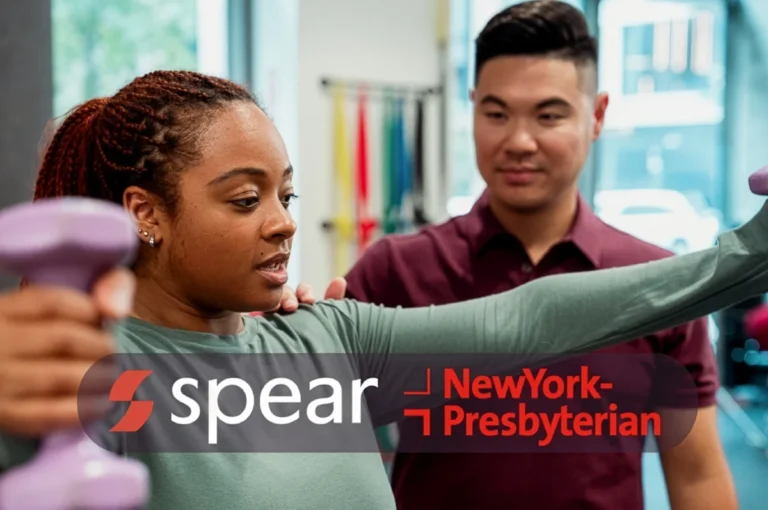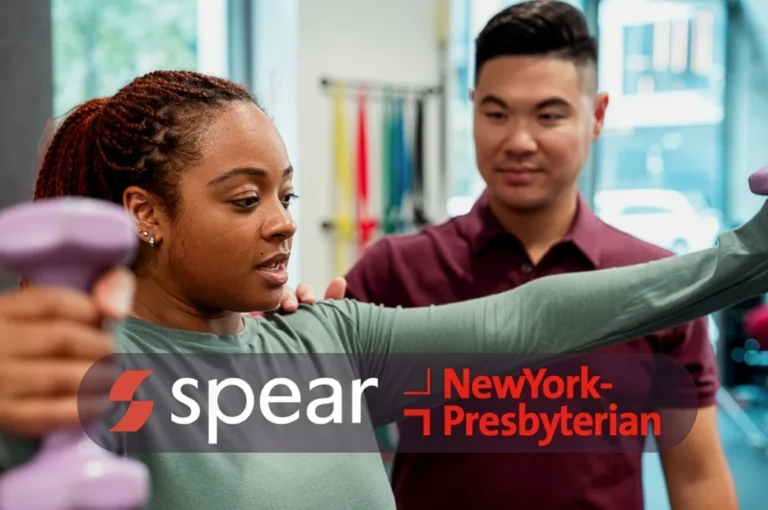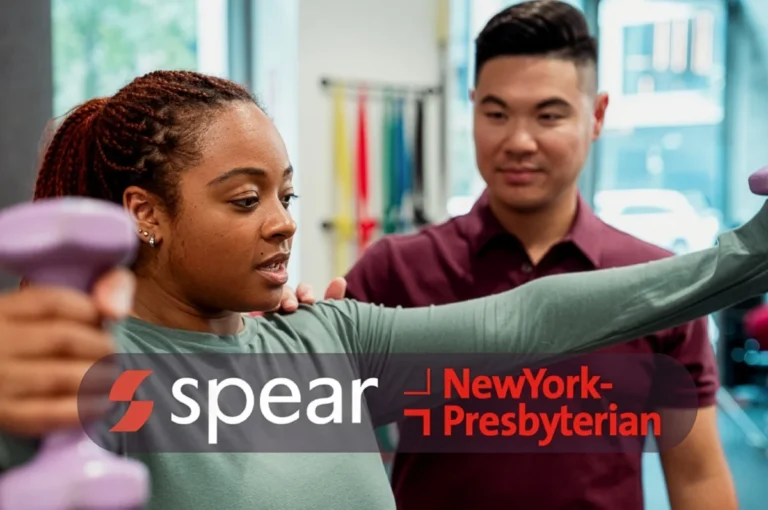









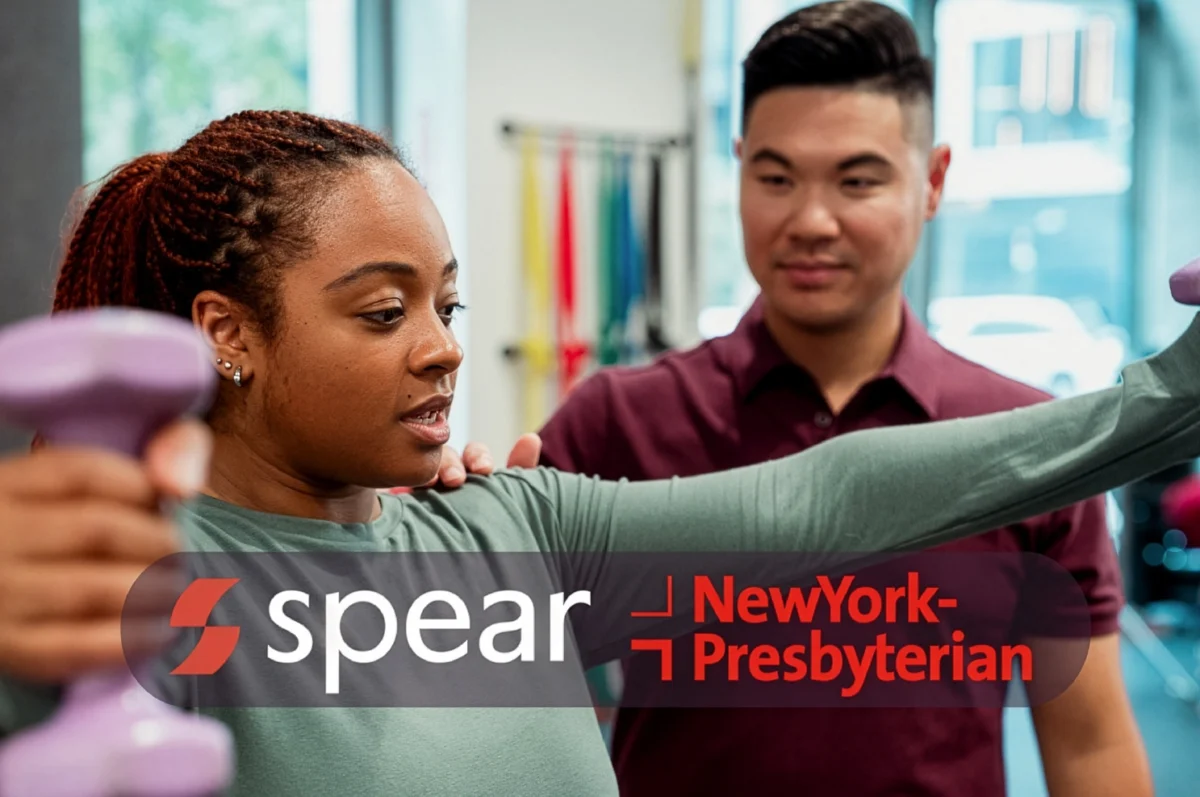
NEW YORK, NY – [Date] – In a significant move poised to redefine access to and delivery of rehabilitation services, NewYork-Presbyterian, one of the nation’s most comprehensive academic healthcare systems, and Spear Physical Therapy (Spear), an award-winning provider of outpatient physical and occupational rehabilitation, have announced a transformative collaboration. This strategic alliance will see the opening of nine new outpatient physical and occupational therapy locations across New York City and Westchester in 2026, dramatically expanding patient access to crucial care closer to their homes and workplaces.
The collaboration represents a proactive step towards enhancing the continuum of care for patients by integrating Spear’s renowned outpatient expertise with NewYork-Presbyterian’s extensive network of leading clinical experts and comprehensive specialty care. This synergy is designed to create a more connected and coordinated experience for patients navigating every stage of their recovery journey, particularly for musculoskeletal conditions.
A Strategic Expansion for Enhanced Patient Care
This ambitious expansion is more than just an increase in physical locations; it is a meticulously planned strategic initiative aimed at addressing critical gaps in rehabilitation access and ensuring that New Yorkers receive timely, high-quality care. By bringing together the distinctive strengths of both organizations, the partnership is set to establish new benchmarks for patient-centric rehabilitation services.
Addressing a Critical Need in Metropolitan Healthcare
The demand for accessible, high-quality physical and occupational therapy services continues to grow, particularly in dense urban environments like New York City and its surrounding metropolitan areas. Factors contributing to this rising demand include an aging population, an increasing prevalence of chronic conditions, a growing number of sports-related injuries, and the essential need for post-surgical and post-injury rehabilitation. Navigating complex healthcare systems to find convenient and effective rehabilitation can often be a significant barrier for patients, leading to delayed recovery or, in some cases, non-adherence to prescribed therapy regimens.
This collaboration directly confronts these challenges by strategically positioning new facilities within communities that stand to benefit most. The goal is to dismantle geographical and logistical barriers, allowing patients to seamlessly integrate their rehabilitation into their daily lives. By making therapy more convenient, the partnership aims to improve patient engagement, consistency in treatment, and ultimately, better health outcomes. This localized approach is particularly vital in a city where travel time can be a significant determinant of access to care.
The Synergistic Partnership: Spear and NewYork-Presbyterian
At the heart of this initiative lies a powerful synergy between two leaders in their respective fields. Spear Physical Therapy has earned a reputation for its award-winning outpatient expertise, characterized by a patient-centric philosophy, innovative treatment methodologies, and a strong community presence. Their approach emphasizes individualized care plans, evidence-based practices, and a commitment to helping patients achieve their personal best in recovery and function. Spear’s deep understanding of outpatient dynamics and patient engagement makes them an ideal partner for expanding community-level access.
NewYork-Presbyterian, on the other hand, stands as one of the nation’s most respected academic healthcare systems, renowned for its leading clinical experts, cutting-edge research, and a comprehensive spectrum of care that spans from primary care to highly specialized treatments. Its affiliation with two Ivy League medical schools—Columbia University Vagelos College of Physicians and Surgeons and Weill Cornell Medicine—further solidifies its position at the forefront of medical innovation and education. NewYork-Presbyterian’s extensive network of specialty care providers and its commitment to integrating care across various disciplines provide the foundational support necessary for a truly coordinated patient experience.
Together, this partnership creates an unparalleled ecosystem for rehabilitation. Patients will benefit from Spear’s accessible, expert outpatient care, seamlessly connected to NewYork-Presbyterian’s advanced diagnostic capabilities, specialized medical interventions, and robust academic resources. This integrated model ensures that patients receive the right care at the right time, with a smooth transition between acute, post-acute, and long-term rehabilitative phases. The alignment of clinical pathways and best practices between the two organizations will ensure consistency and excellence in care delivery across all new locations.
Chronology of Collaboration and Future Outlook
While the exact timeline of initial discussions remains proprietary, the announcement of nine new locations slated for 2026 signifies a culmination of extensive strategic planning, shared vision, and a mutual commitment to advancing healthcare delivery.
Genesis of a Partnership
The collaboration likely stems from a recognition by both organizations of the evolving landscape of healthcare and the imperative to deliver value-based care. Both Spear and NewYork-Presbyterian share a core commitment to patient-centered care, clinical excellence, and community engagement. Discussions would have focused on leveraging their complementary strengths to create a more integrated and efficient model for rehabilitation services. This strategic alignment would have identified shared objectives, such as improving patient outcomes, enhancing operational efficiency, and expanding reach into underserved or high-demand areas. The long-term vision extends beyond merely opening new facilities; it envisions a truly integrated network where patient information, clinical protocols, and care philosophies are seamlessly shared to optimize recovery pathways.
The 2026 Rollout: A Phased Approach
The opening of nine new locations in 2026 marks a significant milestone in this collaboration. While specific addresses for these facilities are expected to be announced closer to their opening dates, the geographical targets — Queens, Manhattan, Brooklyn, and Westchester — highlight a deliberate strategy to serve diverse populations across the metropolitan area.
- Queens: A borough known for its vast diversity and expansive geography, new locations here will significantly enhance accessibility for a large, often underserved population.
- Manhattan: While already dense with healthcare providers, strategically placed new facilities can fill specific neighborhood gaps and offer hyper-local convenience, especially for working professionals.
- Brooklyn: As New York City’s most populous borough, Brooklyn presents a substantial need for expanded rehabilitation services, supporting its vibrant and growing communities.
- Westchester: This county, a crucial part of the metropolitan region, will benefit from localized outpatient options, reducing the need for residents to travel into the city for specialized therapy.
The phased approach leading up to 2026 will involve meticulous planning, including site selection, facility design, staffing, and the integration of IT systems to ensure a cohesive patient experience from day one. This careful preparation underscores the commitment of both organizations to operational excellence and a smooth transition for both patients and staff. The anticipated impact on local communities is profound, offering not only enhanced healthcare access but also potential job creation for therapists, administrative staff, and support personnel.
Supporting Data and Industry Context
The collaboration between NewYork-Presbyterian and Spear is not just an isolated expansion; it reflects broader trends and critical needs within the healthcare industry, particularly in the realm of rehabilitation medicine.
The Landscape of Rehabilitation Medicine
Physical and occupational therapy are foundational components of modern healthcare, playing a pivotal role in recovery from injury, surgery, and illness, as well as in managing chronic conditions and promoting overall well-being. Musculoskeletal conditions alone represent a significant public health challenge, affecting millions and incurring substantial economic costs due to lost productivity and healthcare expenditures. According to the American Academy of Orthopaedic Surgeons, musculoskeletal conditions are the leading cause of disability in the United States. Effective rehabilitation can significantly reduce pain, restore function, prevent long-term disability, and improve quality of life.
The healthcare industry is increasingly recognizing the value of shifting care from costly inpatient settings to more efficient and patient-preferred outpatient environments. This trend is driven by advances in medical technology, evolving payment models that emphasize value over volume, and a greater focus on preventive care and chronic disease management. The Spear-NewYork-Presbyterian partnership aligns perfectly with this paradigm shift, leveraging outpatient expertise to deliver high-quality, cost-effective care. It underscores the understanding that rehabilitation is not merely an adjunct to acute care but an integral, proactive component of a patient’s health journey.
Economic and Social Impact on New York
The expansion will yield significant economic and social benefits for New York. For residents, it means reduced travel times and expenses, less disruption to work and family life, and ultimately, improved adherence to therapy regimens. This increased convenience is a critical factor in patient compliance, directly correlating with better recovery rates and sustained health improvements. From an economic perspective, the creation of new facilities translates into job opportunities for a diverse range of healthcare professionals, including physical therapists, occupational therapists, therapy assistants, administrative staff, and support personnel. This growth contributes to the local economy and strengthens the healthcare workforce.
Moreover, by facilitating earlier and more consistent access to rehabilitation, the partnership can lead to a healthier, more productive workforce and a reduction in long-term disability claims. This proactive approach to health management has a ripple effect, benefiting individuals, families, and the broader community by fostering greater independence and quality of life.
Quality and Standards: A Benchmark for Excellence
A core tenet of this collaboration is the unwavering commitment to clinical excellence and setting new standards for outpatient rehabilitation. The integration will involve aligning clinical pathways—standardized, evidence-based care plans—to ensure consistency and optimal outcomes across all locations. This means patients can expect the same high level of care whether they are at a Spear facility or within the broader NewYork-Presbyterian network.
The involvement of NewYork-Presbyterian’s academic affiliations (Columbia University and Weill Cornell Medicine) is particularly significant here. This academic link will foster an environment of continuous learning, research, and application of the latest advancements in rehabilitation science. It ensures that the care provided is not only effective but also at the forefront of medical innovation, benefiting from ongoing research and clinical trials conducted by world-renowned experts. This commitment to evidence-based practice and continuous improvement positions the partnership as a leader in rehabilitation excellence.
Official Responses and Vision Statements
The leadership of both organizations has articulated a clear vision for the collaboration, emphasizing patient accessibility, coordinated care, and community impact.
Spear’s Perspective: Community-Centric Growth
Dan Rootenberg, CEO and co-founder of Spear, underscored the profound personal and professional significance of this collaboration. "By combining Spear’s award-winning outpatient expertise with NewYork-Presbyterian’s leading experts and comprehensive care, we can better align clinical pathways, expand access to exceptional care, and help more New Yorkers get the right care at the right time," Rootenberg stated. His reflection on being a "lifelong New Yorker raised in Brooklyn" highlights a deep-seated commitment to serving his community. He further emphasized, "this collaboration is especially meaningful because it allows us to reach more communities earlier and more conveniently, improving value, efficiency, and outcomes."
Rootenberg’s comments encapsulate Spear’s foundational mission: to make high-quality rehabilitation accessible and integrated into the daily lives of New Yorkers. The partnership with NewYork-Presbyterian allows Spear to amplify this mission, extending its reach and impact while benefiting from the robust clinical and academic infrastructure of one of the nation’s top healthcare systems. This expansion is not just about growth for growth’s sake but about a strategic, community-focused endeavor to deliver tangible benefits to patients.
NewYork-Presbyterian’s Commitment: Integrated and Accessible Care
Dr. Deepa Kumaraiah, Executive Vice President and Chief Operating Officer at NewYork-Presbyterian, echoed Rootenberg’s sentiments, highlighting the shared values that underpin the partnership. "NewYork-Presbyterian and Spear share a commitment to delivering exceptional care that is accessible and convenient for patients," Dr. Kumaraiah affirmed. She further articulated the strategic imperative, stating, "By expanding access to physical and occupational therapy across New York City and Westchester, we can help more patients receive coordinated rehabilitation services closer to home and support them throughout their recovery."
Dr. Kumaraiah’s remarks underscore NewYork-Presbyterian’s broader strategic goals of enhancing patient experience and population health. The focus on "coordinated rehabilitation services closer to home" speaks directly to the system’s dedication to integrated care models that prioritize patient convenience and continuity. This partnership is a testament to NewYork-Presbyterian’s commitment to extending its world-class care beyond its hospital walls and into the communities it serves, ensuring that patients have comprehensive support at every stage of their health journey.
The Role of Academic Affiliation
A crucial aspect of this collaboration, often underplayed, is the involvement of NewYork-Presbyterian’s two renowned medical schools: Columbia University Vagelos College of Physicians and Surgeons and Weill Cornell Medicine. This academic connection is not merely a formality; it will profoundly elevate the quality and scope of the rehabilitation services offered. The integration of academic rigor means that the new facilities will be informed by the latest research, clinical trials, and evidence-based practices.
This affiliation will create unique opportunities for joint research initiatives focused on improving rehabilitation outcomes, developing innovative therapeutic techniques, and understanding the efficacy of different treatment modalities. It also promises to enhance clinical education and professional development for therapists and other healthcare professionals within both organizations, ensuring a continuous cycle of learning and improvement. This commitment to academic excellence will position the partnership as a leader in advancing the science and practice of rehabilitation medicine, ultimately benefiting patients through access to cutting-edge care.
Broader Implications and Future Outlook
The collaboration between NewYork-Presbyterian and Spear carries significant implications, not only for the patients and communities it directly serves but also for the broader landscape of urban healthcare delivery.
Enhancing the Continuum of Care
One of the most profound implications of this partnership is its potential to significantly enhance the continuum of care. Patients often face fragmented experiences when transitioning from acute hospital care to outpatient rehabilitation, or when seeking specialized follow-up after an injury or surgery. This discontinuity can lead to delays, confusion, and suboptimal outcomes.
By strengthening connections between outpatient rehabilitation services and NewYork-Presbyterian’s extensive network of specialty care, the organizations aim to create a truly seamless experience. This means streamlined referrals, shared patient records (where appropriate and with patient consent), and aligned treatment philosophies between hospital-based specialists and outpatient therapists. For a patient recovering from orthopedic surgery, for example, this integration means their surgeon, physical therapist, and occupational therapist can all operate from a shared understanding of their condition and recovery plan, optimizing their journey from hospital discharge to full functional recovery. This holistic approach ensures that no patient "falls through the cracks," fostering a more efficient and effective recovery pathway.
Advancing Clinical Education and Professional Development
Beyond patient care, the collaboration is poised to create invaluable opportunities for clinical education and professional development initiatives across both organizations. This synergy will facilitate knowledge exchange, best practice sharing, and the development of advanced training programs for physical and occupational therapists.
Opportunities might include joint grand rounds, continuing education courses, mentorship programs, and potentially even fellowship opportunities in specialized areas of rehabilitation. By fostering a culture of continuous learning and professional growth, the partnership will not only elevate the expertise of its clinicians but also attract top talent to the field. This commitment to education will ensure that the care provided remains at the forefront of rehabilitation science and that therapists are equipped with the latest skills and knowledge to address complex patient needs. This investment in human capital ultimately translates into higher quality care for patients.
A Model for Urban Healthcare Integration
Finally, this strategic alliance could serve as a compelling model for other healthcare systems seeking to enhance outpatient services and integrate care in dense urban environments. The challenges of providing comprehensive, accessible healthcare in metropolitan areas are numerous, from logistical complexities to diverse patient populations with varying needs.
The NewYork-Presbyterian and Spear collaboration demonstrates a scalable and effective approach to addressing these challenges through strategic partnerships that leverage complementary strengths. Its success could inspire similar initiatives, fostering a new era of integrated, patient-centered care models that prioritize convenience, coordination, and clinical excellence. As healthcare continues its evolution towards more distributed and preventive care, such partnerships will become increasingly vital in ensuring that communities have access to the full spectrum of health services they require.
The opening of these nine new locations in 2026 marks a pivotal moment for healthcare in New York. It is a testament to the shared vision of NewYork-Presbyterian and Spear to not only expand access to essential rehabilitation services but to fundamentally transform the patient experience, setting a new standard for integrated and compassionate care across the metropolitan area.
To learn more about Spear and NewYork-Presbyterian, visit spearcenter.com and nyp.org.