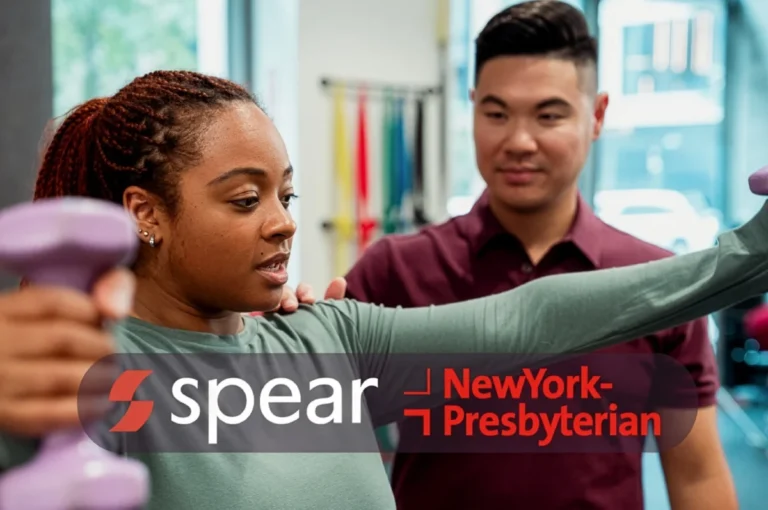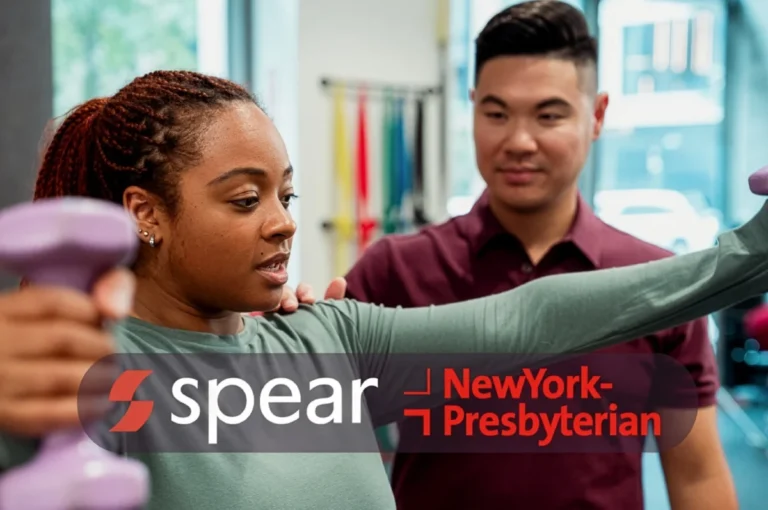










NEW YORK, NY – [Date of Publication] – In a significant move poised to redefine access and quality in rehabilitative care, Spear Physical Therapy and NewYork-Presbyterian have officially announced a groundbreaking collaboration. This strategic partnership will see the opening of nine new outpatient physical and occupational rehabilitation centers across New York City and Westchester by 2026, marking a pivotal expansion of accessible, high-quality care for millions of New Yorkers. The initiative aims to create a more integrated and patient-centric recovery journey, seamlessly connecting specialized outpatient services with NewYork-Presbyterian’s extensive network of acute and specialty care.
The collaboration brings together Spear’s acclaimed expertise in outpatient rehabilitation – recognized for its patient-first approach and award-winning clinical outcomes – with NewYork-Presbyterian’s unparalleled legacy as a leading academic medical center, renowned for its comprehensive care and affiliations with two of the nation’s most prestigious medical schools, Columbia University Vagelos College of Physicians and Surgeons and Weill Cornell Medicine. This synergy is designed not only to expand geographical access but also to enhance the continuity and coordination of care, ensuring patients receive the right intervention at the right time, closer to their homes and workplaces.
Main Facts: A New Era for Rehabilitative Care
The core of this landmark announcement revolves around the establishment of nine state-of-the-art outpatient rehabilitation facilities. These centers, strategically located across key boroughs of New York City – including Queens, Manhattan, and Brooklyn – and extending into Westchester County, are slated for full operation by 2026. This expansion represents a substantial investment in community health infrastructure, directly addressing the growing demand for convenient and expert physical and occupational therapy services.
The primary objective of this collaboration is multifaceted: to drastically improve patient access to essential rehabilitation services, enhance the continuity of care across various stages of recovery, and create a more connected experience within the complex healthcare ecosystem. By integrating Spear’s proven outpatient models with NewYork-Presbyterian’s clinical protocols and extensive network, the partnership promises a more cohesive approach to musculoskeletal care, from initial diagnosis and acute treatment through long-term recovery and maintenance.
Patients will benefit from a standardized yet personalized approach to therapy, guided by leading clinical experts from both organizations. This integrated model is expected to streamline patient pathways, reduce fragmentation of care, and ultimately lead to superior functional outcomes. The expansion will cover a wide array of rehabilitative needs, from post-surgical recovery and sports injury rehabilitation to chronic pain management and neurological rehabilitation, offering a vital resource for diverse patient populations across the metropolitan area.
The specific regions slated for new facilities include:
- Queens: Bolstering services in one of NYC’s most diverse and rapidly growing boroughs.
- Manhattan: Further strengthening an already robust healthcare landscape with additional specialized access points.
- Brooklyn: Expanding reach in Spear’s founding borough, emphasizing community-level care.
- Westchester: Extending high-quality outpatient services to a vital suburban catchment area.
This initiative is not merely about adding locations; it’s about fundamentally rethinking how rehabilitation services are delivered within a comprehensive healthcare system, ensuring they are as accessible, efficient, and effective as possible.
Chronology: Building Towards a Coordinated Future
The genesis of this significant collaboration stems from a shared vision between Spear and NewYork-Presbyterian to elevate patient care standards and address critical gaps in the delivery of rehabilitative services. For years, both organizations have independently garnered reputations for excellence in their respective domains, but the recognition of an overarching need for more integrated care pathways paved the way for this strategic alliance.
The Genesis of Collaboration:
The dialogue likely began with identifying mutual interests and market needs. NewYork-Presbyterian, as a comprehensive academic medical center, continually seeks to optimize the patient journey from acute care to recovery. Outpatient rehabilitation is a crucial, yet often fragmented, component of this journey. Spear, having established itself as a leader in specialized outpatient physical and occupational therapy, possessed the operational expertise and community presence that NewYork-Presbyterian sought to leverage. The objective was clear: to combine Spear’s agile, patient-focused outpatient model with NewYork-Presbyterian’s robust clinical infrastructure and academic rigor to create a best-in-class, integrated rehabilitation network. This involved extensive discussions on shared values, clinical philosophies, and the practicalities of integrating two distinct organizational cultures while maintaining high standards of care.
Strategic Planning and Development:
Following initial agreements, a rigorous period of strategic planning and development commenced. This phase would have involved detailed market analyses to identify optimal locations for the nine new centers, considering population density, existing service availability, and patient travel patterns. Crucially, the planning also focused on aligning clinical pathways – ensuring that patients transitioning from NewYork-Presbyterian’s inpatient or specialty clinics to Spear’s outpatient centers experience a seamless handoff, with consistent protocols and shared patient data, all while adhering to the highest standards of privacy and data security. This involved multidisciplinary teams from both organizations, including clinicians, administrators, IT specialists, and legal experts, working to forge an operational framework that prioritizes patient continuity and outcome optimization. The development of an integrated IT platform and communication protocols would have been paramount to facilitate this seamless patient experience.
Implementation Timeline:
The announcement in 2024 sets the stage for a phased rollout, culminating in the full operation of all nine new locations by 2026. This timeline allows for meticulous site selection, facility build-out or renovation, staffing, and the integration of clinical and administrative systems. Each new center will be designed to meet modern standards of rehabilitative care, equipped with advanced therapeutic modalities and staffed by highly trained physical and occupational therapists. The phased approach ensures that each new facility can be brought online efficiently, maintaining quality and consistency across the expanding network.
Historical Context of Both Organizations:
Spear Physical Therapy: Founded with a vision to provide exceptional, personalized physical therapy in convenient urban settings, Spear has grown significantly since its inception. It has cultivated a reputation for clinical excellence, a strong patient-centric culture, and innovative treatment approaches. Its "award-winning outpatient expertise" is a testament to its commitment to patient outcomes and operational efficiency, making it a prominent name in the New York metropolitan area’s rehabilitative landscape. Spear’s growth has been organic, building trust within communities and among referring physicians through consistent delivery of high-quality care.
NewYork-Presbyterian: As one of the largest and most comprehensive academic medical centers in the United States, NewYork-Presbyterian boasts an unparalleled network of hospitals, specialty centers, and primary care practices. Its affiliations with Columbia University Vagelos College of Physicians and Surgeons and Weill Cornell Medicine underscore its commitment to medical education, groundbreaking research, and advanced patient care across a vast spectrum of medical specialties. NewYork-Presbyterian is consistently ranked among the nation’s best hospitals, driven by its mission to provide world-class healthcare and push the boundaries of medical innovation. This partnership aligns perfectly with its ongoing strategy to expand access to specialized care within the communities it serves.
Supporting Data: Addressing a Critical Healthcare Need
The expansion of outpatient rehabilitation services by Spear and NewYork-Presbyterian is not merely a strategic business decision; it is a direct response to a profound and growing public health need. Data consistently highlights the increasing prevalence of musculoskeletal conditions and other ailments requiring rehabilitative intervention, particularly within dense urban and suburban environments like New York City and Westchester.
The Growing Demand for Rehabilitation Services:
- Musculoskeletal Conditions: Affecting millions annually, conditions such as back pain, arthritis, fractures, and sports injuries represent a significant burden on individuals and the healthcare system. The Centers for Disease Control and Prevention (CDC) reports that chronic pain, often linked to musculoskeletal issues, affects an estimated 50 million American adults. These conditions frequently necessitate physical or occupational therapy for recovery and functional improvement.
- Aging Population: The demographic shift towards an older population inherently increases the demand for rehabilitation. As individuals age, they are more susceptible to falls, degenerative joint diseases, and conditions like stroke or Parkinson’s disease, all of which benefit immensely from specialized physical and occupational therapy.
- Post-Surgical Rehabilitation: Advances in surgical techniques, particularly in orthopedics (e.g., joint replacements, ACL repairs), have led to more procedures being performed. Effective post-surgical rehabilitation is crucial for optimizing recovery, restoring function, and preventing complications, often dictating the long-term success of the surgery itself.
- Chronic Disease Management: Rehabilitation plays a vital role in managing chronic diseases, including cardiovascular and pulmonary conditions, diabetes-related neuropathies, and neurological disorders, helping patients maintain independence and improve their quality of life.
- The Economic Burden: The economic cost of musculoskeletal conditions alone is staggering, running into hundreds of billions of dollars annually in direct medical costs and lost productivity. Investing in accessible and effective rehabilitation can reduce these costs by preventing disability, decreasing reliance on long-term care, and facilitating a quicker return to work.
Geographic Imperatives:
New York City and Westchester County are ideal locations for such an expansion due to their high population density, diverse demographics, and the inherent challenges of accessing specialized care in sprawling metropolitan areas. Residents often face significant travel times and logistical hurdles to reach high-quality rehabilitation centers. The strategic placement of nine new facilities aims to decentralize access, bringing care closer to where people live and work, thereby overcoming common barriers to adherence and completion of therapy programs. This is particularly critical in underserved communities where access to specialty care can be limited.
The Value of Outpatient Care:
Outpatient rehabilitation offers numerous advantages over inpatient settings when clinically appropriate. It is generally more cost-effective, allows patients to maintain their daily routines and social support systems, and often facilitates a quicker return to functional independence within their home environment. The focus on functional tasks relevant to daily living in an outpatient setting helps bridge the gap between clinical recovery and real-world application, leading to more sustainable outcomes.
Integrated Care Models and Technology:
The collaboration’s emphasis on integrated care models is supported by evidence demonstrating that seamless transitions between acute care and rehabilitation lead to better patient outcomes, reduced readmission rates, and higher patient satisfaction. By strengthening connections between outpatient rehabilitation and NewYork-Presbyterian’s extensive network of specialty care, the organizations aim to eliminate communication gaps and ensure a cohesive treatment plan. Furthermore, these new centers are expected to leverage modern advancements in rehabilitation technology, which may include sophisticated exercise equipment, biofeedback systems, virtual reality for therapy, and data analytics to track patient progress and refine treatment protocols. This commitment to innovation underscores the partnership’s dedication to providing cutting-edge care.
Official Responses: Voices from the Leadership
The announcement of this collaboration has been met with enthusiastic endorsements from the leadership of both Spear and NewYork-Presbyterian, highlighting the strategic alignment and shared commitment to patient welfare. Their statements illuminate the profound implications of this partnership for healthcare delivery in the region.
Dan Rootenberg, CEO and Co-founder of Spear:
Rootenberg articulated the synergistic vision behind the collaboration, stating, "By combining Spear’s award-winning outpatient expertise with NewYork-Presbyterian’s leading experts and comprehensive care, we can better align clinical pathways, expand access to exceptional care, and help more New Yorkers get the right care at the right time." His emphasis on "aligning clinical pathways" speaks to a deliberate effort to standardize and optimize the patient journey, ensuring consistency and quality from one stage of care to the next. This means that whether a patient is referred from a NewYork-Presbyterian physician or seeks direct access to Spear, they will benefit from a coordinated approach rooted in best practices.
Rootenberg further underscored the personal significance of this expansion: "As a lifelong New Yorker raised in Brooklyn, this collaboration is especially meaningful because it allows us to reach more communities earlier and more conveniently, improving value, efficiency, and outcomes." This personal connection highlights a deep understanding of the city’s diverse needs and the importance of community-level access. By bringing services closer to home, the partnership addresses a fundamental barrier to care, making it easier for patients to attend their appointments regularly, thereby improving adherence to therapy plans and ultimately leading to better "value, efficiency, and outcomes." His vision extends beyond mere treatment, aiming for preventative and early intervention strategies that benefit the broader community health.
Dr. Deepa Kumaraiah, Executive Vice President and Chief Operating Officer at NewYork-Presbyterian:
Dr. Kumaraiah echoed the sentiment of shared commitment, emphasizing the patient-centric nature of the initiative. "NewYork-Presbyterian and Spear share a commitment to delivering exceptional care that is accessible and convenient for patients," she affirmed. Her statement directly addresses one of the critical challenges in modern healthcare: ensuring that high-quality care is not only available but also easily reachable for all who need it. "By expanding access to physical and occupational therapy across New York City and Westchester, we can help more patients receive coordinated rehabilitation services closer to home and support them throughout their recovery."
Dr. Kumaraiah’s remarks underscore NewYork-Presbyterian’s strategic imperative to extend its world-class care beyond its hospital walls and into the communities it serves. The focus on "coordinated rehabilitation services" reflects the institution’s understanding that effective recovery often requires a holistic, multidisciplinary approach that is seamlessly integrated across different care settings. This partnership is a testament to NewYork-Presbyterian’s dedication to fostering a healthcare ecosystem where patients feel supported and empowered throughout their entire recovery journey, reducing the stress and logistical burdens often associated with navigating complex medical conditions.
Perspectives from Academic Affiliates (Columbia and Weill Cornell):
While not directly quoted in the original article, the mention of strengthening connections with NewYork-Presbyterian’s two renowned medical schools, Columbia University Vagelos College of Physicians and Surgeons and Weill Cornell Medicine, implies a broader academic and research dimension to this partnership. These affiliations suggest that the new rehabilitation centers will not only deliver cutting-edge clinical care but also serve as potential hubs for clinical education and professional development. This could involve:
- Training Opportunities: Providing invaluable clinical rotations and internships for students and residents from both medical schools, fostering the next generation of rehabilitation specialists.
- Research Collaboration: Facilitating studies on rehabilitation effectiveness, patient outcomes, and innovative therapeutic techniques, leveraging the vast patient populations and clinical data available through the integrated network.
- Knowledge Exchange: Creating a platform for clinicians and academics to share best practices, conduct grand rounds, and engage in continuous learning, thereby elevating the standard of rehabilitation care across the entire system.
This academic integration reinforces the partnership’s commitment to evidence-based practice and continuous improvement, ensuring that patients benefit from the latest advancements in rehabilitation science.
Implications: A Broader Impact on Healthcare and Community
The collaboration between Spear and NewYork-Presbyterian extends far beyond the mere opening of new facilities; it carries profound implications for patient experience, healthcare infrastructure, economic development, and the future of rehabilitative medicine in the New York metropolitan area.
Enhanced Patient Experience and Outcomes:
The most immediate and significant impact will be on patients. Imagine a patient recovering from a complex orthopedic surgery performed at a NewYork-Presbyterian hospital. Previously, finding a high-quality, conveniently located physical therapy clinic that seamlessly integrated with their surgeon’s post-operative protocols might have been a challenge. With the new integrated network, this patient can transition directly to a Spear center, confident that their care plan is coordinated, their medical records are accessible (with appropriate consents), and their therapists are aligned with the overarching treatment goals set by their NewYork-Presbyterian care team.
This enhanced continuity will lead to:
- Reduced Travel Burden: Patients, especially those with mobility challenges, will spend less time commuting, reducing stress and fatigue.
- Improved Adherence: Proximity and convenience are critical factors in patient adherence to prescribed therapy regimens, directly correlating with better long-term functional recovery.
- Holistic Support: The coordinated approach ensures that patients receive comprehensive support, addressing not just their physical needs but also the psychological and logistical challenges of recovery.
- Better Long-Term Function: By optimizing adherence and integrating care, the partnership is poised to improve patient outcomes, helping individuals regain function, reduce pain, and return to their desired activities more effectively and sustainably.
Impact on Healthcare Infrastructure:
This expansion represents a strategic enhancement of the region’s healthcare infrastructure.
- Filling Service Gaps: The new centers will help fill existing gaps in the provision of specialized outpatient rehabilitation, particularly in areas where access has been limited.
- Decongesting Facilities: By increasing the capacity for outpatient care, the initiative can help alleviate pressure on existing inpatient rehabilitation units and emergency departments, allowing them to focus on acute and complex cases.
- Job Creation: The opening of nine new facilities will create a significant number of new jobs, including physical therapists, occupational therapists, therapy assistants, administrative staff, and support personnel, injecting economic vitality into local communities.
- Model for Future Expansion: The success of this collaboration could serve as a blueprint for similar integrated care models, encouraging further investment and innovation in community-based healthcare services.
Economic Benefits:
Beyond direct job creation, the partnership holds broader economic advantages.
- Reduced Healthcare Costs: Effective outpatient rehabilitation can significantly reduce the need for more expensive interventions, such as re-hospitalizations due to complications, long-term nursing home care, or repeated surgical procedures. By preventing disability and promoting faster recovery, the initiative can contribute to a more efficient allocation of healthcare resources.
- Increased Productivity: Helping individuals recover more quickly and return to work or daily activities faster contributes to overall economic productivity and reduces the societal burden of long-term disability.
- Local Investment: The establishment of new physical locations represents direct investment in commercial real estate and local economies, supporting ancillary businesses and services.
Clinical Education and Professional Development:
The original article explicitly mentions "opportunities for clinical education and professional development initiatives that support rehabilitation excellence across both organizations." This is a crucial, forward-looking aspect of the partnership.
- Fostering a Learning Environment: The collaboration will create a rich environment for continuous learning and professional growth for therapists and healthcare professionals from both Spear and NewYork-Presbyterian. This could involve joint training programs, workshops, grand rounds, and shared best practices.
- Attracting Top Talent: The opportunity to work within an integrated system affiliated with a world-renowned academic medical center will make Spear an even more attractive employer for top-tier rehabilitation professionals, further enhancing the quality of care.
- Research and Innovation: The partnership could spur collaborative research initiatives, allowing therapists and researchers to study patient outcomes, evaluate new treatment modalities, and contribute to the scientific advancement of rehabilitation medicine. This integration of clinical practice with academic inquiry is a hallmark of truly advanced healthcare systems.
Future Outlook and Challenges:
While the outlook is overwhelmingly positive, the partnership will also navigate inherent challenges. The competitive landscape of outpatient rehabilitation in NYC is robust, necessitating continuous innovation and differentiation. Adapting to evolving healthcare policies, reimbursement models, and technological advancements will require agility and foresight. Maintaining consistent, high-quality care across nine new and existing sites will demand robust operational management, stringent quality control measures, and effective communication strategies. However, with the combined strength, expertise, and commitment of Spear and NewYork-Presbyterian, this collaboration is exceptionally well-positioned to overcome these challenges and establish a new benchmark for integrated rehabilitative care, ultimately benefiting countless New Yorkers for years to come.
To learn more about this transformative initiative, visit spearcenter.com and nyp.org.