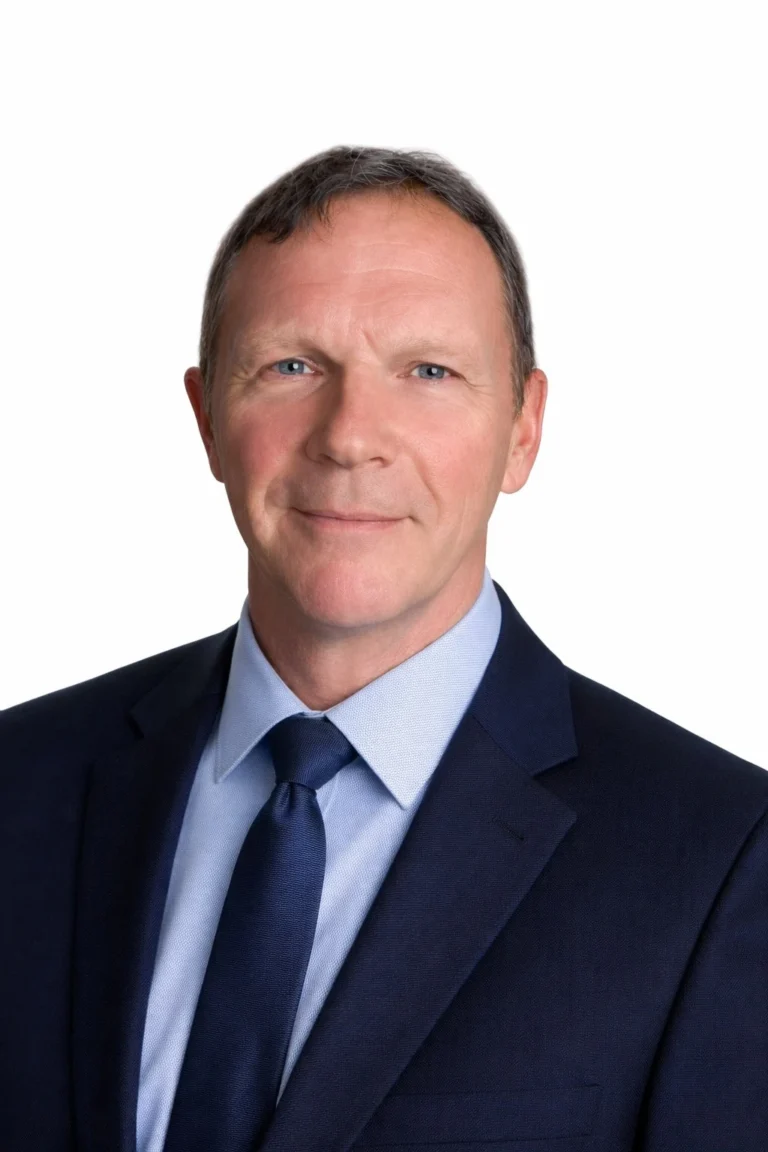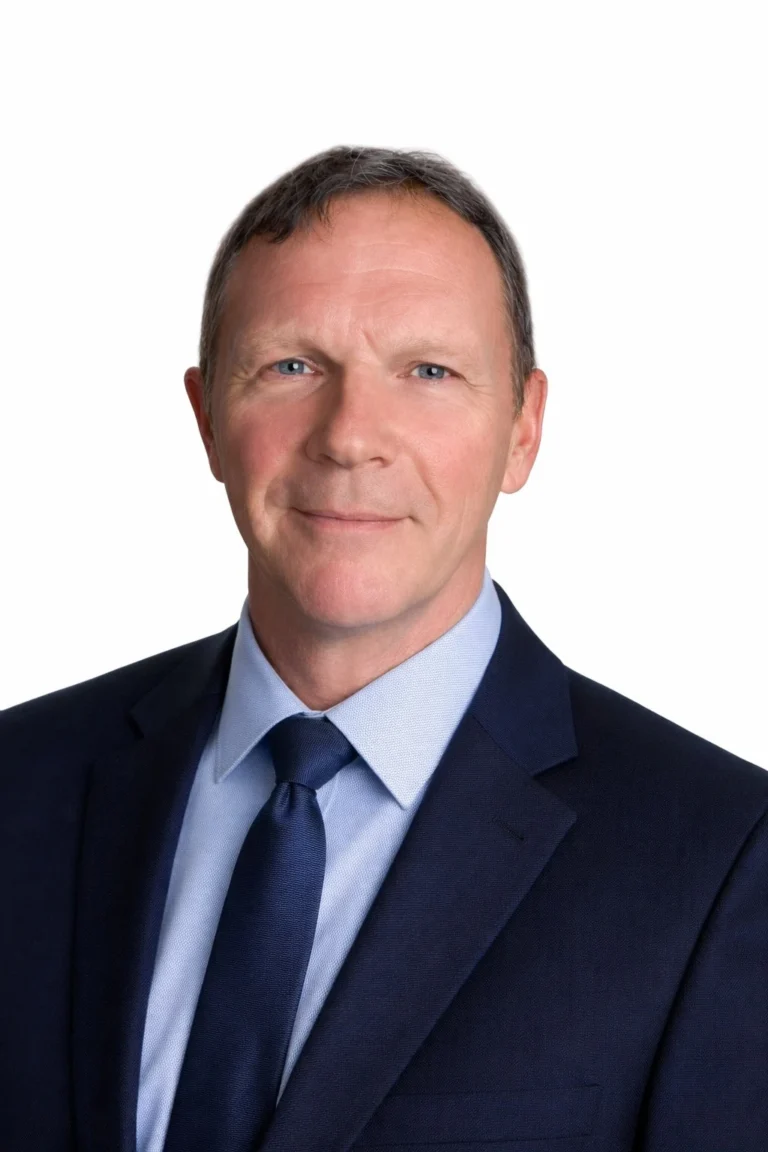









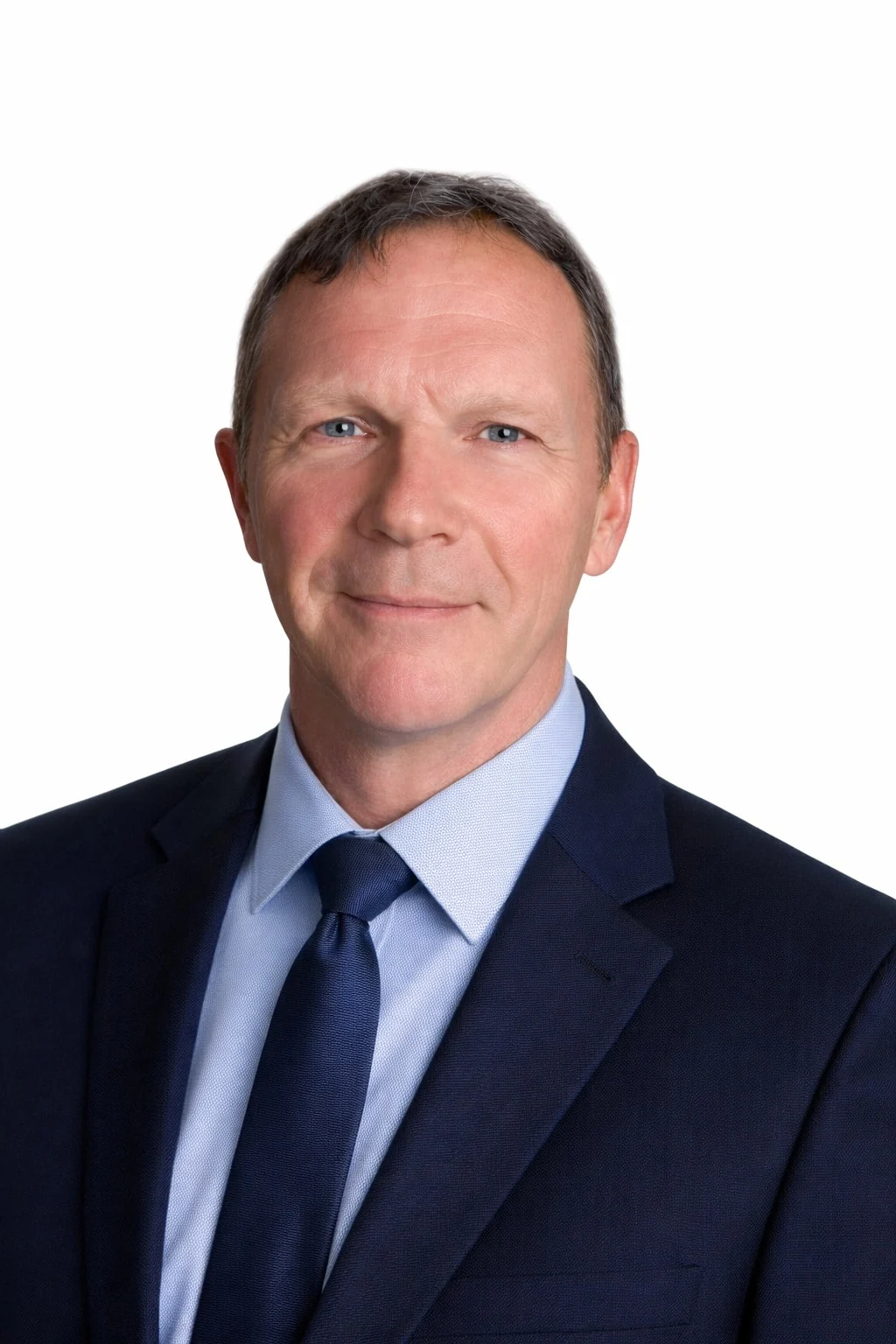
The Alliance for Aging Research has long stood as a vanguard in the mission to improve the universal human experience of aging. At the heart of this mission lies a dedicated team of experts, advocates, and strategists working tirelessly to bridge the gap between scientific innovation and federal legislative action. This month, the Alliance turns its spotlight on Scott Frey, the Senior Vice President of Public Policy and Government Relations, whose career trajectory has been defined by a lifelong commitment to the promise he made to his grandmother: to fight for the dignity, security, and health of older generations.
The Architect of Policy: Main Facts and Role
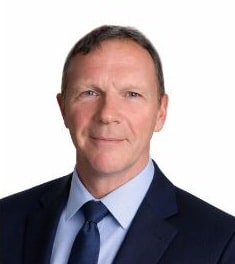
As the Senior Vice President of Public Policy and Government Relations, Scott Frey serves as the primary bridge between the Alliance’s scientific research initiatives and the corridors of power in Washington, D.C. His role is multifaceted: he is an advocate, a strategist, and a communicator.
Frey’s daily responsibilities involve constant engagement with key stakeholders, ranging from bipartisan members of Congress to decision-makers within the Federal Executive Branch. His objective is singular but complex: to translate the Alliance’s research-driven mission into tangible, science-backed public policy. Whether navigating the intricacies of federal appropriations for aging research or advocating for policy shifts that address the inequities in geriatric healthcare, Frey acts as the voice for the aging population in the nation’s capital.
In a political climate where the role of scientific evidence is frequently debated, Frey’s work has become increasingly critical. He does not merely push for legislation; he protects the integrity of the science that informs it. His leadership ensures that the Alliance remains a trusted source for policymakers, fostering an environment where medical breakthroughs can be translated into patient-centered care.
A Legacy of Advocacy: The Chronology of a Calling
To understand Scott Frey’s dedication to the Alliance for Aging Research, one must look back to the origins of his professional journey. Growing up in central and western Pennsylvania, Frey witnessed a period of profound economic transition. In the 1980s, the decline of the manufacturing sector led to the erosion of retirement security and a general decline in the quality of life for many in his community.
1987: The Move to Washington
Following graduate school, Frey relocated to the Washington, D.C. area in 1987. It was a pivotal year that would define his professional ethos. The systemic displacement of workers and the subsequent vulnerability of the elderly left an indelible mark on his perspective. This experience served as the catalyst for his entry into the world of federal public policy.
The Congressional Foundation
Early in his career, Frey cut his teeth in Congress. He was a participant in the historic efforts to rectify deep-seated inequities in women’s health research. His work during this period—which included high-stakes campaigns to increase funding for breast cancer research and early detection—taught him the mechanics of advocacy: that meaningful change is rarely spontaneous; it is the result of sustained pressure, coalition building, and the humanization of data.
2024–Present: The Alliance Era
After decades of navigating the federal landscape, Frey joined the Alliance for Aging Research roughly twenty months ago. His tenure has been characterized by a seamless integration of his legislative experience with the specific, rigorous needs of aging advocacy. He has become a central figure in the organization, helping to steer its policy goals through a period of rapid scientific advancement.
Supporting Data: The Impetus for Reform
The work performed by Frey and the Alliance is underscored by a sobering reality: the American population is aging at an unprecedented rate, yet our healthcare infrastructure and research funding models are still catching up.
According to data from the U.S. Census Bureau and the National Institute on Aging, the number of Americans aged 65 and older is projected to reach nearly 95 million by 2060. This demographic shift presents a dual challenge:
- Chronic Disease Prevalence: The vast majority of older adults live with at least one chronic condition, such as heart disease, diabetes, or Alzheimer’s, which requires both long-term management and cutting-edge therapeutic interventions.
- Economic Insecurity: As witnessed by Frey in his early years, the intersection of health and wealth is profound. Medical expenses remain the leading cause of bankruptcy among older Americans, a trend that drives the Alliance’s push for better Medicare coverage and expanded access to geriatric care.
Frey’s advocacy for "science-driven public policy" is a direct response to these trends. By pushing for increased federal investment in geriatric education, he is helping to address the "geriatric workforce gap"—a shortage of healthcare professionals trained specifically in the needs of older patients.
Official Perspective: The Humanization of Policy
When asked about his proudest achievements, Frey resists the urge to cite a single piece of legislation. Instead, he emphasizes the collaborative spirit of his work. "It’s rewarding and exciting to share a part in the fight to ensure science-driven public policy," Frey notes.
However, his most poignant reflections involve the patients he has met along the way. Throughout his career, Frey has befriended families who chose to channel their personal health battles—often tragic or exhausting—into a fight for systemic change. He views these individuals not just as constituents, but as the architects of the policy improvements he has helped shepherd through Congress. "Their efforts made all the difference," Frey says, "and their stories continue to inspire me."
This philosophy defines his approach to the current political climate. In an era where public trust in science is under scrutiny, Frey remains a staunch defender of the scientific method. He views his role as a protector of the "imperatives" of research, ensuring that federal policy does not succumb to partisan noise but remains anchored in clinical reality.
Implications for the Future of Healthy Aging
As we look toward the future, the implications of Frey’s work are profound. He speaks of a "cusp" in medical science—a period where the convergence of genomic research, AI-driven diagnostics, and targeted therapies could fundamentally alter the experience of aging.
Embracing the Challenge
Frey’s personal philosophy toward aging has evolved during his time at the Alliance. He no longer views aging as a static process to be managed, but as a dynamic, ongoing engagement with new challenges. "Much of the work I began so many years ago is coming to fruition," he explains, "yet it’s never finished, and every success brings new challenges." This, he argues, is the essence of healthy aging: the ability to remain curious, adaptive, and active.
A Promise Kept
Perhaps the most telling detail about Scott Frey is the origin of his career. Upon leaving college, his grandmother—his last surviving grandparent—gave him a simple, direct instruction: "Go down there to Washington and fight for us older folks."
For nearly four decades, Frey has treated that instruction as a sacred trust. It is a mission that transcends the typical political cycles of Washington. Whether he is in a congressional hearing room or a boardroom, that promise serves as his moral compass.
Conclusion: A Legacy of Service
Scott Frey’s career is a testament to the power of persistence in public policy. By combining the lessons learned from the disappearing manufacturing jobs of his youth with the complex, high-stakes world of modern biomedical advocacy, he has become an indispensable asset to the Alliance for Aging Research.
As the nation faces the challenges of a graying population, the importance of leadership that understands both the humanity of the patient and the mechanics of the law cannot be overstated. Scott Frey continues to honor his grandmother’s request, not only by fighting for policies that protect the elderly but by championing a vision of aging that is defined by opportunity, scientific progress, and the unwavering belief that, with the right support, the best years can truly be ahead.
For those who wish to understand how change happens in Washington, look to people like Scott Frey—individuals who understand that while policy is written in ink, its true impact is measured in the lives of those it secures.