








For millions of people living with obstructive sleep apnea (OSA), Continuous Positive Airway Pressure (CPAP) therapy is the gold standard for treatment. It is a life-saving intervention that prevents the airway from collapsing during sleep, reducing the risk of heart disease, stroke, and chronic fatigue. However, there is a notorious "Achilles’ heel" to this therapy: nonadherence. Despite the clear health benefits, many patients struggle to maintain the nightly routine required for efficacy.
A new survey conducted by the telehealth company Allermi has brought a long-suspected culprit to the forefront of this conversation: nasal congestion. The data suggests that for a significant portion of the patient population, the physical discomfort of blocked nasal passages is not just a nuisance—it is a primary barrier to successful treatment.
Main Facts: The Intersection of Nasal Health and Sleep Apnea
The recent survey of 112 Allermi customers highlights a stark reality in sleep medicine. For many, the CPAP mask acts as a barrier to comfort, but the root cause of the discomfort often lies within the nose itself. According to the findings, 80% of respondents identified nasal congestion as a significant hurdle that made consistent mask usage difficult. Even more alarmingly, 56% of those surveyed admitted that their congestion was severe enough to make them contemplate abandoning their CPAP therapy entirely before seeking an alternative solution.
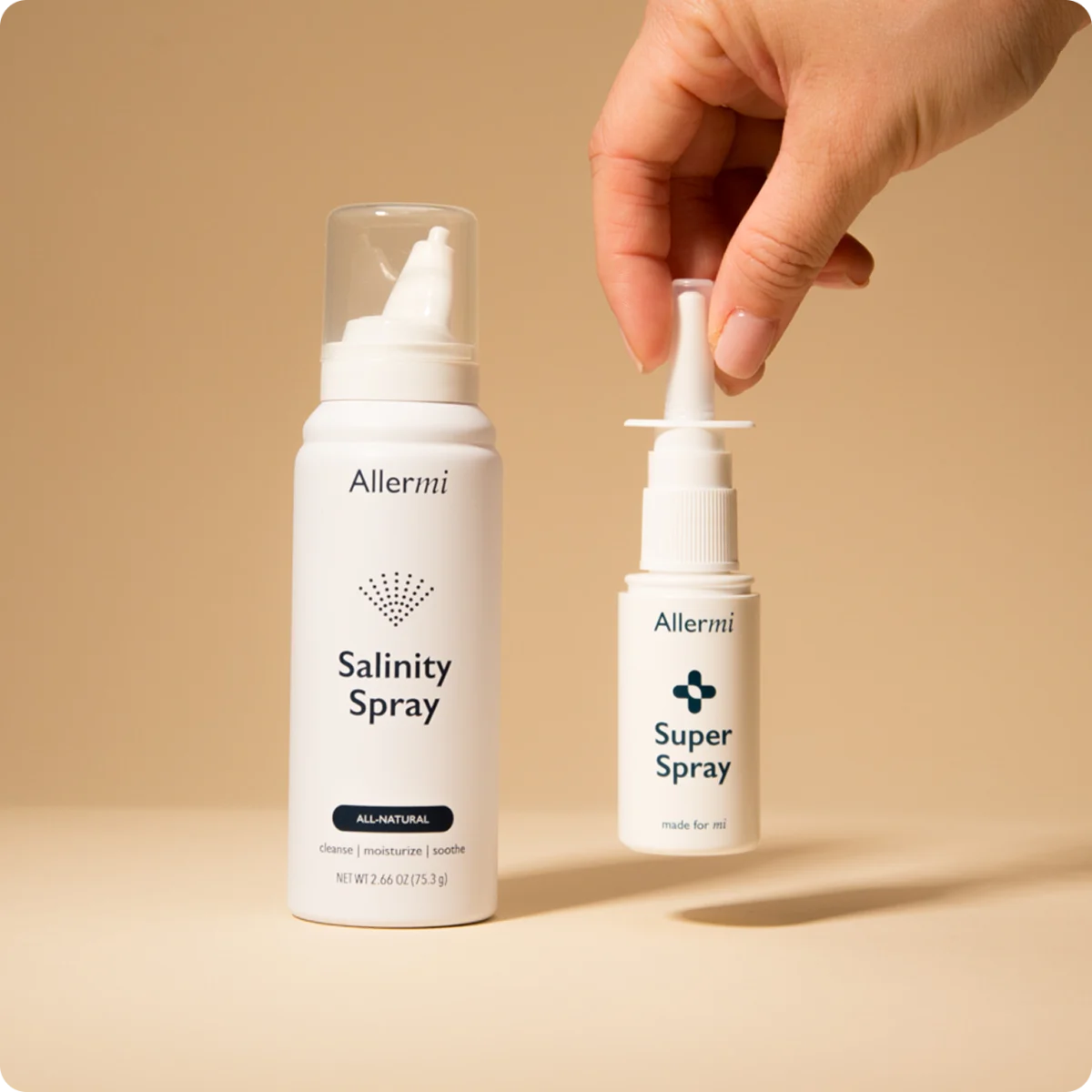
The survey focused on the impact of integrating a personalized, prescription-based nasal spray into the nightly CPAP routine. By addressing the physical obstruction, patients reported a marked improvement in their ability to tolerate the pressurized air, leading to more consistent usage patterns. This highlights a shift in perspective: instead of focusing solely on the pressure settings of the machine or the fit of the mask, practitioners are increasingly looking at the nasal cavity as the critical first stage of the respiratory circuit.
Chronology of a Growing Crisis
The struggle for CPAP adherence is not a new phenomenon; it has been the primary focus of sleep researchers for decades.
- The Early Era (1980s–1990s): When CPAP was first introduced, the clinical focus was almost exclusively on the soft palate and the base of the tongue. The assumption was that by forcing air into the throat, the airway would remain open. Nasal health was largely treated as a secondary concern.
- The Mid-2000s: As more longitudinal data became available, researchers began to note a high dropout rate. Studies started to correlate "mask intolerance" with underlying rhinitis or anatomical nasal obstructions.
- The Rise of Telehealth (2020–2025): The COVID-19 pandemic catalyzed the growth of remote sleep medicine. Companies like Allermi began gathering large-scale, real-time data from patients who were managing their sleep health from home.
- August 28 – September 2, 2026: Allermi conducted the survey of 112 verified customers, specifically looking at the impact of personalized nasal spray on CPAP compliance.
- Late 2026: These findings were released, signaling a potential shift in how sleep clinics approach patient onboarding, suggesting that nasal health should be a baseline assessment rather than an afterthought.
Supporting Data: By the Numbers
The data provided by the Allermi survey serves as a compelling case study for the necessity of holistic airway management. While the sample size of 112 participants is modest, the statistical trends are significant:
- 80%: The percentage of users who reported that nasal congestion directly impacted their ability to wear their CPAP mask consistently.
- 56%: The portion of the cohort that had seriously considered stopping CPAP therapy due to congestion-related discomfort prior to using the specialized spray.
- The "Before and After" Gap: While the study relies on self-reported, retrospective data, the consensus among participants regarding their improved tolerance is statistically striking. Respondents noted that the personalized formulation allowed for better airflow, which in turn mitigated the "claustrophobic" feeling often associated with pressurized air delivery.
These numbers underscore a critical gap in traditional sleep medicine: many patients are being sent home with machines without being provided the tools to manage the upper airway inflammation that the pressurized air often exacerbates.
Expert Perspectives and Official Responses
The medical community is taking note of these trends. Dr. Shuba Iyengar, chief medical officer and co-founder of Allermi, emphasizes that the patient’s voice has been the strongest driver of this research.
"Nasal congestion is one of the most common complaints we hear from patients who use CPAP, and it is rarely treated as part of the therapy itself," Dr. Iyengar stated in a release. "When patients tell us in their own words that they can finally keep the mask on, that is a signal worth taking seriously, and it is why we are investing in more research with sleep medicine partners."
Supporting this shift is Dr. Rafael Pelayo of the Stanford Sleep Medicine Center, a veteran in the field. Dr. Pelayo admits that his own clinical perspective has evolved over the course of his career. "When I first started my career in sleep medicine, I did not appreciate the importance of nasal breathing," he noted. "The early clinical teaching focused more on the soft palate and base of the tongue. But gradually I began to appreciate more the importance for my sleep apnea patients of having open nasal passages."
This admission from a leading voice at a major academic institution suggests that a paradigm shift is underway. The "nasal-first" approach is moving from a niche consideration to a standard of care.
Implications for the Future of Sleep Medicine
The implications of these findings are profound for both the medical device industry and the patient population.
1. Rethinking the "Standard" CPAP Prescription
Currently, the standard of care for a new OSA patient is a sleep study followed by the issuance of a CPAP machine. Rarely does this include a comprehensive ENT evaluation for chronic rhinitis or structural nasal issues. The Allermi survey suggests that future protocols should incorporate a pre-therapy assessment of the nasal passages. If the "inlet" (the nose) is blocked, the "pump" (the CPAP) will inevitably fail.
2. The Role of Personalization
One of the most interesting aspects of the Allermi model is the emphasis on "personalized" nasal sprays. Because nasal congestion can be caused by allergies, structural inflammation, or simple dryness, a "one-size-fits-all" over-the-counter spray is often insufficient. By tailoring the medication to the specific needs of the patient, practitioners can potentially increase long-term adherence rates, which currently hover around 50% in many populations.
3. The Economic Impact
CPAP nonadherence is not just a personal health failure; it is an economic one. Abandoned machines represent millions of dollars in wasted healthcare resources. Furthermore, untreated sleep apnea leads to increased hospitalizations and secondary health conditions. If a simple, consistent, and personalized nasal intervention can increase the number of nights a patient successfully uses their CPAP, the ripple effect on public health spending could be significant.
4. A Call for Further Research
While the Allermi survey provides strong anecdotal and trend-based evidence, the authors acknowledge that it is not a clinical trial. The medical community will now need to see randomized, controlled trials to quantify exactly how much nasal optimization improves the "Apt-to-Use" ratio of CPAP devices. Future studies should focus on long-term data collection, tracking mask-off events and AHI (Apnea-Hypopnea Index) scores over months rather than weeks.
Conclusion: The Path Forward
The path to successful CPAP therapy has always been about more than just the machine. It is a symbiotic relationship between the patient, the equipment, and the patient’s own anatomy. The recognition that nasal congestion acts as a massive, under-treated barrier to therapy is a vital step toward improving outcomes.
As clinicians like Dr. Pelayo and researchers like Dr. Iyengar continue to advocate for a more comprehensive view of the upper airway, patients may finally find the relief they have been seeking. By treating the nose, we may finally be able to save the therapy—and in doing so, save the health of millions who rely on it to breathe, sleep, and thrive. The future of sleep medicine, it seems, is not just in the pressure of the machine, but in the clarity of the nasal passage.