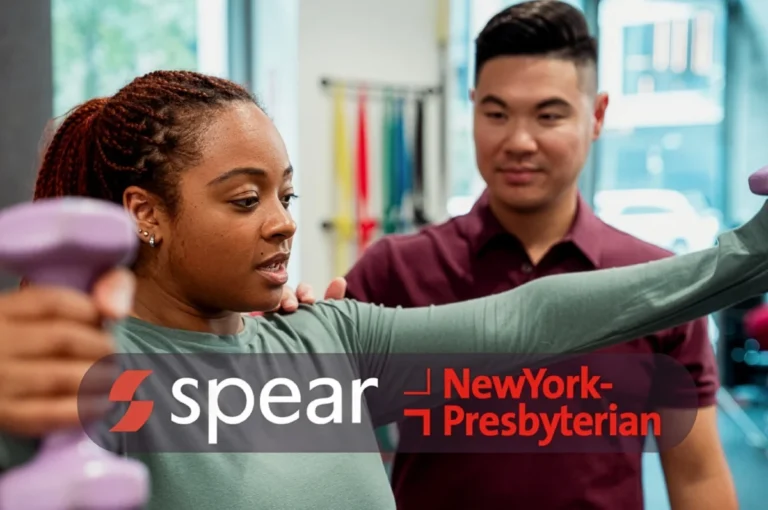







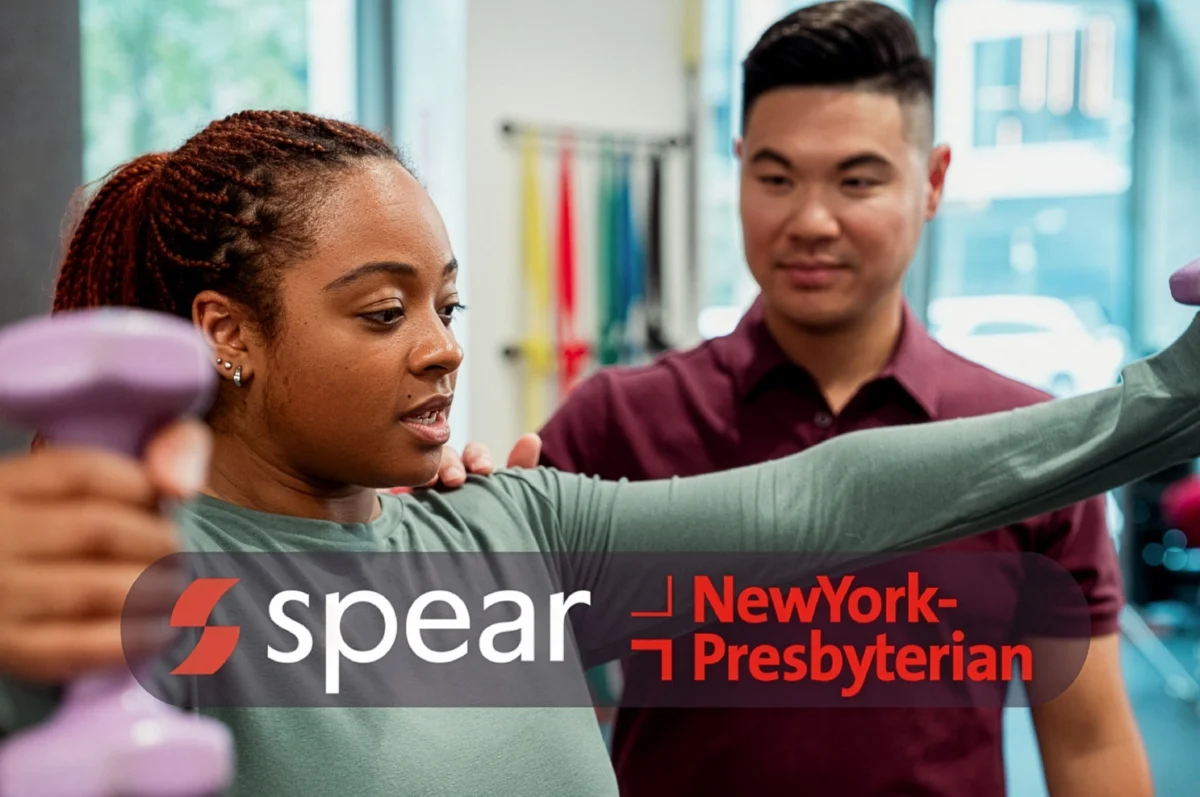
NEW YORK, NY – In a move poised to significantly enhance access to crucial post-acute care, Spear Physical Therapy, a leading provider of outpatient physical and occupational therapy, and NewYork-Presbyterian, one of the nation’s most comprehensive academic health care systems, have announced a landmark collaboration. This strategic partnership aims to dramatically expand access to high-quality outpatient rehabilitation services across the New York metropolitan area, with nine new state-of-the-art facilities slated to open in New York City and Westchester County by 2026.
The alliance represents a pivotal step towards creating a more integrated, patient-centric healthcare ecosystem. By combining Spear’s renowned expertise in community-based rehabilitation with NewYork-Presbyterian’s unparalleled clinical leadership and extensive network, the initiative promises to deliver seamless continuity of care, improved patient outcomes, and greater convenience for New Yorkers recovering from injuries, surgeries, or managing chronic conditions. This expansion underscores a shared commitment to ensuring that residents have access to the right care, at the right time, closer to their homes and workplaces.
Main Facts of the Strategic Alliance
The core of this transformative collaboration lies in its ambition to bridge gaps in the current healthcare landscape, particularly in the realm of outpatient physical and occupational therapy. The partnership, officially announced by both organizations, is designed to enhance the patient journey from acute care settings to long-term recovery and wellness.
Key components of the collaboration include:
- Nine New State-of-the-Art Locations: The expansion will see the establishment of nine new outpatient rehabilitation centers across strategic areas of New York City (Manhattan, Brooklyn, Queens) and Westchester County. These facilities are projected to open their doors to patients in 2026.
- Enhanced Continuity of Care: A primary objective is to create a more connected and efficient patient experience. This involves streamlining referrals and information sharing between NewYork-Presbyterian’s hospital network, its affiliated physicians, and Spear’s outpatient facilities, ensuring that patients receive coordinated care at every stage of their recovery.
- Integration of Expertise: The collaboration will merge Spear’s award-winning model for outpatient rehabilitation, known for its patient-centered approach and clinical excellence, with the leading clinical expertise and comprehensive care pathways developed by NewYork-Presbyterian, in conjunction with its two distinguished medical schools: Columbia University Vagelos College of Physicians and Surgeons and Weill Cornell Medicine.
- Expanded Access and Convenience: By strategically placing new facilities in underserved or high-demand areas, the partnership aims to significantly reduce geographical barriers to accessing essential rehabilitation services, allowing patients to receive therapy closer to where they live and work.
- Clinical Education and Professional Development: Beyond direct patient care, the alliance is committed to fostering rehabilitation excellence through joint initiatives in clinical education and professional development. This will create opportunities for therapists and other healthcare professionals to advance their skills and contribute to evidence-based practice.
This partnership is not merely an expansion of facilities but a reimagining of how rehabilitation services are delivered in a complex urban environment, setting a new standard for collaborative healthcare models.
Chronology of a Collaborative Vision
While the public announcement marks a significant milestone, the conceptualization and development of such a substantial partnership likely involved extensive strategic planning and alignment of organizational philosophies. The genesis of this collaboration can be understood through a logical progression driven by market needs and shared institutional values.
The perceived chronology leading to this announcement includes:
- Identification of Market Need (Ongoing): New York City and its surrounding areas consistently face high demand for specialized medical services, including rehabilitation. Factors such as an aging population, rising rates of chronic conditions like arthritis and diabetes, and an increasing understanding of the importance of post-operative and post-injury rehabilitation have underscored the need for more accessible and integrated therapy options. Healthcare systems are continuously evaluating how to best serve these evolving demands.
- Strategic Alignment and Vision Sharing (Pre-2023): It is probable that discussions between Spear and NewYork-Presbyterian began with an exploration of shared values—both organizations prioritizing patient care, clinical excellence, and community well-being. Identifying complementary strengths, such as Spear’s deep roots in outpatient care and NYP’s expansive acute care and academic research capabilities, would have formed the bedrock of initial proposals.
- Feasibility Studies and Planning (2023-2024): Once a preliminary agreement on the strategic direction was reached, both entities would have engaged in detailed feasibility studies. This would involve analyzing demographic data, identifying optimal locations for new facilities, assessing existing infrastructure, and developing a robust financial and operational model. The integration of clinical pathways and IT systems would have been critical considerations during this phase.
- Formal Agreement and Announcement (Late 2024/Early 2025): The formalization of the partnership, culminating in the public announcement, signifies the successful completion of these planning stages and a commitment to move forward with implementation. This announcement serves as a declaration of intent and a blueprint for the future.
- Implementation and Facility Development (2025-2026): The period immediately following the announcement will be dedicated to the tangible development of the nine new locations. This involves site selection, architectural design, construction or renovation, procurement of state-of-the-art equipment, and extensive staffing recruitment and training.
- Grand Openings (2026): The culmination of these efforts will be the phased opening of the nine new rehabilitation centers throughout 2026, marking the operational launch of this ambitious collaboration and the beginning of its direct impact on patient care.
This timeline reflects a methodical approach to a complex undertaking, emphasizing that the collaboration is a well-thought-out response to the evolving healthcare needs of a vibrant metropolitan region.
Supporting Data and Contextual Insights
The expansion of outpatient rehabilitation services by Spear and NewYork-Presbyterian is not just an organizational growth strategy; it is a direct response to compelling demographic trends, public health imperatives, and the evolving understanding of comprehensive patient care.
The need for such an expansion is supported by several key factors:
- Demographic Shifts: New York City and Westchester County are home to a diverse and aging population. According to U.S. Census data, the population aged 65 and over is growing significantly, a demographic segment that typically requires more physical and occupational therapy for conditions like arthritis, post-surgical recovery (e.g., hip/knee replacements), and fall prevention. The increased prevalence of chronic diseases across all age groups also drives demand.
- Rising Incidence of Musculoskeletal Conditions: Musculoskeletal disorders are among the leading causes of disability worldwide. Data from the Centers for Disease Control and Prevention (CDC) consistently highlight the high prevalence of conditions such as back pain, neck pain, and osteoarthritis, which are primary targets for physical therapy interventions. Work-related injuries and sports injuries also contribute substantially to the demand for rehabilitation.
- Post-Surgical Rehabilitation: With advancements in surgical techniques, more patients are undergoing elective and necessary procedures, from orthopedic surgeries to complex neurological interventions. Effective post-operative physical and occupational therapy is critical for optimal recovery, regaining function, and preventing complications, including reducing the need for readmissions.
- Preventative Care and Wellness: There is a growing recognition of the role of physical therapy in preventative care, managing chronic pain without opioids, and promoting overall wellness. Expanded access means more individuals can benefit from early intervention, potentially delaying or avoiding more invasive treatments.
- Benefits of Outpatient Care: Outpatient rehabilitation offers several advantages over inpatient settings. It is generally more cost-effective, allows patients to remain in their home environment, and facilitates the integration of therapy into daily routines, fostering greater independence and adherence to treatment plans. This model is particularly effective for managing chronic conditions and long-term recovery.
- Continuity of Care Model: The emphasis on "continuity of care" is a critical aspect. Patients often face challenges transitioning from acute hospital care back to their communities. A seamless pathway, facilitated by integrated systems and shared clinical protocols, ensures that the progress made in a hospital setting is not lost. NewYork-Presbyterian’s robust network, including its affiliation with Columbia University Vagelos College of Physicians and Surgeons and Weill Cornell Medicine, provides a powerful academic and clinical backbone for developing evidence-based care pathways that will be implemented across all new facilities. This academic linkage also positions the partnership to incorporate the latest research and best practices into everyday patient care.
- Strategic Geographic Placement: The choice of Queens, Manhattan, Brooklyn, and Westchester for the new locations is strategic. These areas represent a mix of dense urban populations, diverse communities, and suburban growth, ensuring that the expanded services can reach a broad spectrum of New Yorkers. For instance, new facilities in bustling commercial districts of Manhattan could cater to professionals, while locations in diverse residential areas of Queens and Brooklyn could serve families and older adults, and Westchester locations could address suburban healthcare needs. While specific addresses were not provided, plausible locations might include a facility near a major transportation hub in Midtown Manhattan, a community-focused center in Astoria, Queens, a rehabilitation clinic in the heart of Brooklyn, and a suburban wellness center in White Plains, Westchester.
By addressing these multifaceted needs, the Spear-NewYork-Presbyterian collaboration is poised to make a substantial and positive impact on public health infrastructure in the region.
Official Responses and Strategic Interpretations
The leadership of both Spear and NewYork-Presbyterian articulated a clear vision and profound commitment to this partnership, underscoring its strategic importance for their respective organizations and the wider community. Their statements offer crucial insights into the driving forces behind this collaboration.
Dan Rootenberg, CEO and co-founder of Spear, emphasized the synergy between the two entities and the direct benefits for patients:
“By combining Spear’s award-winning outpatient expertise with NewYork-Presbyterian’s leading experts and comprehensive care, we can better align clinical pathways, expand access to exceptional care, and help more New Yorkers get the right care at the right time,” Rootenberg stated. His personal connection to the city further highlighted the mission: “As a lifelong New Yorker raised in Brooklyn, this collaboration is especially meaningful because it allows us to reach more communities earlier and more conveniently, improving value, efficiency, and outcomes.”
Rootenberg’s statement reveals several key strategic intentions:
- Leveraging Complementary Strengths: He clearly articulates the combination of Spear’s specialized outpatient focus with NYP’s broader, academic-driven healthcare system. This suggests a strategic decision to avoid duplication and instead create a more potent, integrated service offering.
- Standardizing Clinical Pathways: The phrase "better align clinical pathways" points to an effort to standardize and optimize treatment protocols. This ensures consistency in care quality regardless of the entry point into the system and leverages the clinical research capabilities of NYP’s medical schools.
- Improving Value, Efficiency, and Outcomes: This tripartite goal is central to modern healthcare delivery. "Value" implies cost-effectiveness alongside quality, "efficiency" suggests streamlined processes and reduced wait times, and "outcomes" refers to measurable improvements in patient health and function. His emphasis on reaching communities "earlier and more conveniently" directly addresses the access issue, which is a significant determinant of these outcomes.
Dr. Deepa Kumaraiah, executive vice president and chief operating officer at NewYork-Presbyterian, echoed the sentiment of shared purpose and patient-centricity:
“NewYork-Presbyterian and Spear share a commitment to delivering exceptional care that is accessible and convenient for patients,” said Dr. Kumaraiah. “By expanding access to physical and occupational therapy across New York City and Westchester, we can help more patients receive coordinated rehabilitation services closer to home and support them throughout their recovery.”
Dr. Kumaraiah’s remarks reinforce the following strategic priorities:
- Shared Commitment to Quality and Accessibility: This underlines that the partnership is built on a foundation of mutual values, making the integration process more feasible and sustainable.
- Focus on Coordinated Care: The mention of "coordinated rehabilitation services" highlights the desire to break down silos in healthcare. For patients, this means less administrative burden, fewer repeated tests, and a more holistic approach to their recovery journey. It speaks to the broader trend in healthcare towards integrated delivery networks.
- Patient Empowerment through Convenience: Providing services "closer to home" directly addresses a significant barrier to consistent therapy adherence—logistics. By reducing travel time and effort, patients are more likely to complete their full course of treatment, leading to better long-term results.
Together, these official responses paint a picture of a well-conceived partnership driven by a clear understanding of patient needs, strategic alignment of organizational strengths, and a commitment to advancing healthcare delivery in the New York metropolitan area. The collaboration extends beyond just physical locations; it represents an intellectual and clinical convergence aimed at setting new benchmarks for rehabilitation medicine.
Implications for Healthcare and the Community
The collaboration between Spear and NewYork-Presbyterian carries far-reaching implications, not only for the immediate patients it will serve but also for the broader healthcare landscape of New York City and Westchester County, and potentially as a model for future healthcare partnerships.
1. Enhanced Patient Experience and Outcomes:
The most direct implication is a significantly improved experience for patients. The expansion means:
- Reduced Wait Times: More facilities will likely translate into shorter waiting periods for appointments, a common challenge in high-demand specialties.
- Geographic Accessibility: Patients will no longer have to travel long distances for specialized therapy, reducing physical and financial burdens.
- Seamless Transitions: The emphasis on continuity of care will mean smoother transitions from hospital discharge to outpatient therapy, minimizing stress and ensuring that recovery momentum is maintained.
- Higher Adherence Rates: Convenience and coordination are directly linked to patient adherence to therapy protocols, leading to better functional outcomes and reduced rates of re-injury or re-hospitalization.
- Holistic Care: Patients will benefit from a unified approach to their musculoskeletal care, integrating the latest evidence-based practices from both Spear and NYP’s academic affiliates.
2. Impact on the Healthcare System:
This partnership could serve as a paradigm for future collaborations within the fragmented U.S. healthcare system:
- Integrated Care Models: It reinforces the trend towards integrated care delivery networks, where acute care providers partner with specialized outpatient services to offer a full spectrum of care.
- Efficiency and Cost-Effectiveness: By optimizing the patient journey and potentially reducing readmissions or the need for more intensive interventions, the collaboration could contribute to greater overall healthcare system efficiency and cost-effectiveness.
- Standard Setting: The integration of clinical pathways from a major academic medical center and a leading outpatient provider has the potential to establish new best practices and quality benchmarks for rehabilitation services in the region.
- Addressing Healthcare Disparities: By expanding into diverse communities, the initiative can help address disparities in access to specialized care, particularly for underserved populations.
3. Economic and Workforce Development:
The opening of nine new facilities will have a tangible economic impact:
- Job Creation: The new centers will require a significant workforce, including physical therapists, occupational therapists, therapy assistants, administrative staff, and support personnel, creating numerous employment opportunities.
- Investment in Communities: The development and operation of these facilities represent a substantial investment in local economies, contributing to local tax bases and supporting ancillary businesses.
- Professional Development: The stated commitment to clinical education and professional development will elevate the skill sets of rehabilitation professionals within both organizations, fostering a culture of continuous learning and innovation. This could attract top talent to the region and improve overall clinical expertise.
4. Advancing Rehabilitation Research and Education:
The involvement of NewYork-Presbyterian’s medical schools (Columbia University Vagelos College of Physicians and Surgeons and Weill Cornell Medicine) is crucial. This academic linkage means:
- Evidence-Based Practice: Clinical education and professional development initiatives will likely be grounded in the latest research, ensuring that therapy techniques are evidence-based and cutting-edge.
- Research Opportunities: The expanded network of clinics could serve as sites for clinical research, allowing for studies on treatment efficacy, patient outcomes, and innovative rehabilitation technologies. This could further advance the field of physical and occupational therapy.
- Training Future Leaders: The collaboration creates an enriched environment for training the next generation of physical and occupational therapists, exposing them to a comprehensive, integrated care model.
5. Potential Challenges and Considerations:
While overwhelmingly positive, any large-scale integration presents complexities:
- Operational Integration: Seamless integration of IT systems, patient records, and administrative processes across two distinct organizations will require meticulous planning and execution.
- Cultural Alignment: Fostering a unified culture that blends the best aspects of Spear’s entrepreneurial spirit with NewYork-Presbyterian’s academic rigor will be an ongoing effort.
- Workforce Recruitment: Staffing nine new facilities with highly qualified therapists in a competitive market will require robust recruitment and retention strategies.
Ultimately, the Spear and NewYork-Presbyterian partnership signifies a forward-looking vision for healthcare delivery. By prioritizing patient access, continuity of care, and clinical excellence through strategic collaboration, this initiative is poised to profoundly impact the well-being of countless New Yorkers and set a new benchmark for integrated rehabilitation services. As the facilities open in 2026, their impact will undoubtedly be closely watched as a model for effective healthcare partnerships in major metropolitan areas.
To learn more about Spear and its services, visit spearcenter.com.