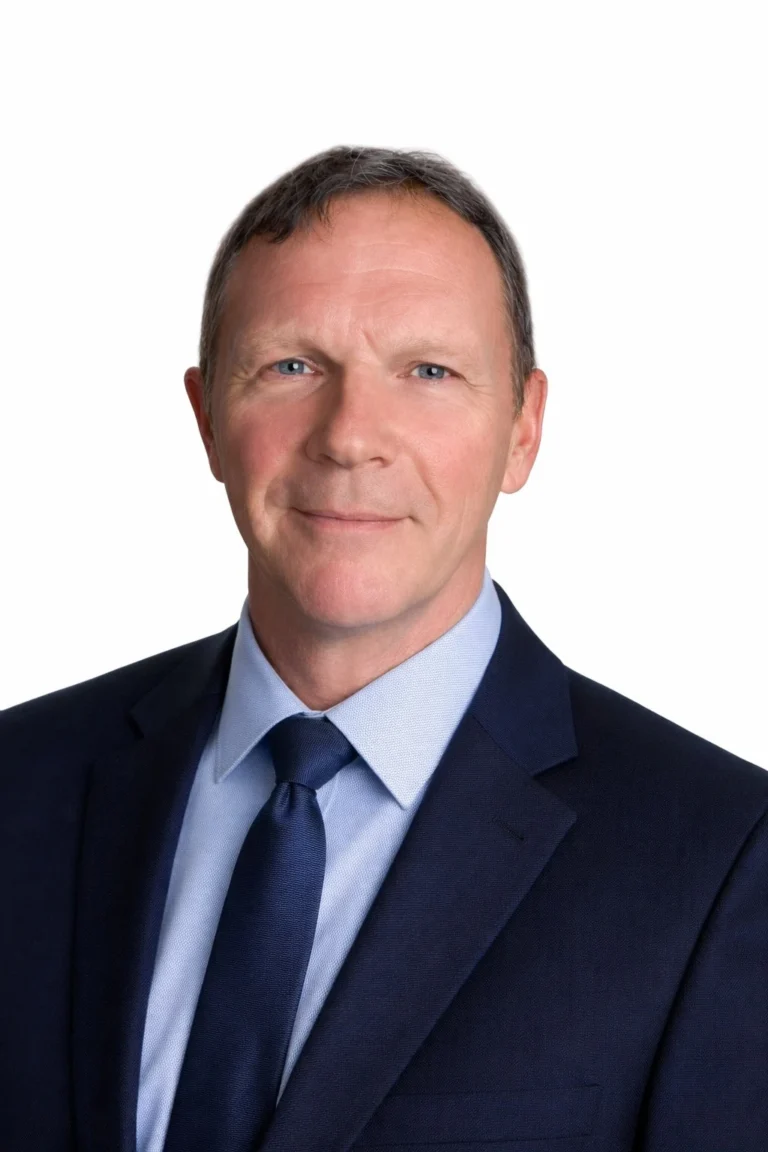








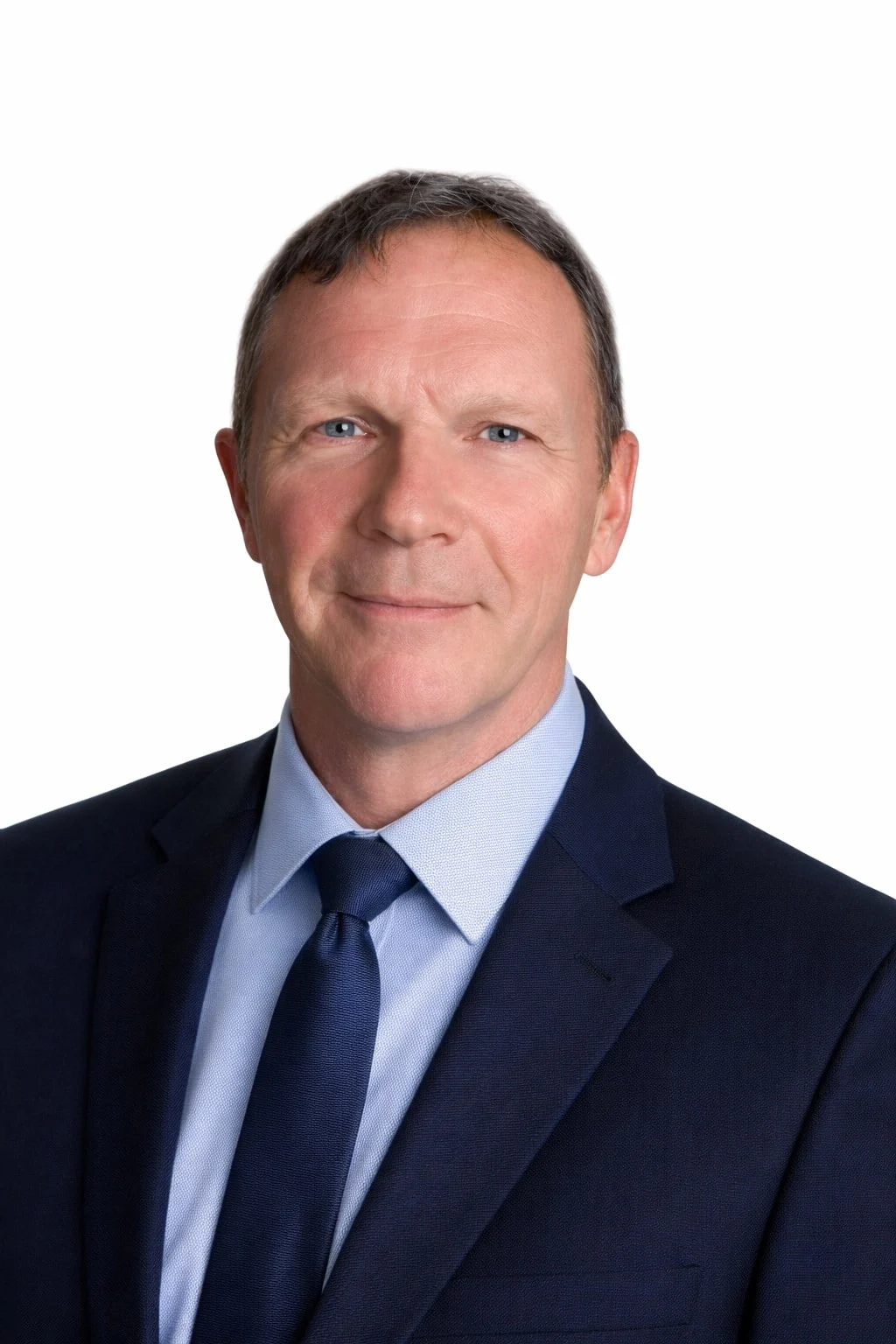
The Alliance for Aging Research—the nation’s leading nonprofit organization dedicated to accelerating the pace of scientific discoveries and their application to human health—relies on the expertise and dedication of seasoned professionals to bridge the gap between complex science and effective federal policy. At the heart of this effort is Scott Frey, the organization’s Senior Vice President of Public Policy and Government Relations.
In an era defined by rapid medical innovation and shifting demographic landscapes, Frey serves as the primary conduit between the scientific community and the halls of power in Washington, D.C. His work is not merely administrative; it is a mission-driven endeavor to ensure that the universal human experience of aging is supported by robust, evidence-based policy.
Main Facts: The Role of Advocacy in Science
As Senior Vice President, Scott Frey occupies a pivotal position within the Alliance. His daily responsibilities involve constant engagement with stakeholders, legislators on Capitol Hill, and high-level officials within the Federal Executive Branch. The core objective of his work is to advance the Alliance’s legislative agenda, which focuses on increasing federal investment in aging research, promoting geriatric education, and ensuring that healthcare systems are prepared to meet the needs of an increasingly older population.
Frey’s role is essential because scientific breakthroughs—while revolutionary—often remain dormant without the legislative framework necessary to fund them and the regulatory pathways required to deliver them to patients. By navigating the intricate machinery of federal policy, Frey ensures that the "science of aging" remains a priority in national discourse, even amidst competing budget interests and political volatility.
Chronology: A Career Forged in Public Service
Scott Frey’s path to the Alliance for Aging Research was not a straight line, but a trajectory shaped by early exposure to the fragility of economic and social security.
- Early Years: Growing up in the industrial heartlands of central and western Pennsylvania, Frey witnessed firsthand the decline of the manufacturing sector. He observed the direct correlation between economic downturns and the erosion of retirement security and quality of life for the elderly.
- 1987: After completing his graduate studies, Frey relocated to Washington, D.C. This move marked the beginning of his decades-long commitment to federal public policy.
- Early Congressional Career: Frey cut his teeth on Capitol Hill, working on landmark initiatives aimed at addressing systemic inequities in women’s health research. His early efforts included high-stakes campaigns to increase funding for breast cancer research and early detection, setting the stage for his later work in geriatric advocacy.
- The Present: Having joined the Alliance for Aging Research one year and eight months ago, Frey brings decades of institutional knowledge to the organization, applying the lessons learned from his early career to the modern challenges of medical research and patient advocacy.
Supporting Data and The "Grandmother’s Promise"
Perhaps the most compelling aspect of Frey’s tenure is the origin of his commitment. When he left college, his grandmother—his sole surviving grandparent at the time—made a poignant request: "Go down there to Washington and fight for us older folks."
This personal mandate transformed a professional career into a lifelong mission. It is a promise he continues to honor every day. This connection to the "human element" of policy is what distinguishes the Alliance’s approach to lobbying. Rather than focusing solely on data points or budget lines, Frey integrates the lived experiences of patients and families who have channeled their health struggles into powerful advocacy movements.
His work in Congress regarding women’s health inequities taught him a vital lesson: policy changes are most effective when they are fueled by the stories of those they impact. By bridging the gap between clinical research and patient advocacy, Frey has helped secure vital funding for geriatric education and aging research, ensuring that the next generation of physicians and researchers is equipped to handle the complexities of an aging society.
Official Perspectives: Navigating the Policy Landscape
When asked about his most significant projects at the Alliance, Frey resists the urge to highlight a single victory. Instead, he views his work through the lens of institutional defense and proactive progress.

"It is rewarding and exciting to share a part in the fight to ensure science-driven public policy and public trust in science," Frey notes. "This is a time when these imperatives are under serious attack—both outside and within the federal government."
Frey’s perspective on the current climate is one of cautious optimism. He acknowledges that while the nation is currently sitting on the "cusp of promising and long-awaited new developments in treatments and access to care," the policy environment remains challenging. He emphasizes that the work of an advocate is never truly finished; it is a cyclical process where every legislative success creates new requirements for oversight, funding, and implementation.
Implications: The Philosophy of Healthy Aging
For Scott Frey, the concept of "healthy aging" is not merely a clinical term—it is a proactive mindset that he applies to his professional and personal life. He believes that the ability to embrace new challenges is the cornerstone of a life well-lived.
The Intersection of Science and Humanity
The implications of Frey’s work extend far beyond the Beltway. By advocating for increased funding for aging research, the Alliance is effectively working to compress the period of morbidity at the end of life. The goal is to extend the "healthspan"—the period of life spent in good health—rather than just the lifespan.
Frey’s influence ensures that:
- Federal Funding Remains Consistent: By educating policymakers on the economic impact of age-related diseases, Frey helps sustain the pipeline of research at institutions like the National Institutes of Health (NIH).
- Regulatory Hurdles are Mitigated: His team works to ensure that the FDA and other regulatory bodies have the necessary frameworks to evaluate treatments for conditions like Alzheimer’s, cardiovascular disease, and frailty without undue delay.
- Public Trust is Maintained: In an era of medical misinformation, the Alliance serves as a credible, science-first voice, a role that Frey champions as essential for the stability of public health policy.
A Reflective Professional
Despite the intensity of his work, Frey maintains a deep appreciation for the humanities, viewing them as a vital counterbalance to the rigid world of policy. His love for the satirical wit of Joseph Heller’s Catch-22 and the biting social commentary of Kurt Vonnegut suggests a man who understands the absurdity of bureaucracy while remaining steadfast in his desire to fix it. His fondness for the works of A.A. Milne and Maurice Sendak hints at a grounded, empathetic nature—a trait he likely draws upon when connecting with the families and patients the Alliance serves.
Conclusion: Looking Toward the Future
As the United States demographic profile shifts toward an older median age, the importance of Scott Frey’s work cannot be overstated. He represents the synthesis of political acumen, deep-seated empathy, and a profound respect for the scientific process.
For the Alliance for Aging Research, Frey is more than just a Senior Vice President; he is a guardian of the "grandmother’s promise." Whether he is navigating the complex committee structures of Congress or championing the next breakthrough in geriatric medicine, his focus remains singular: to improve the human experience of aging for everyone. As he continues his work, the lessons he has learned—that progress is a marathon, not a sprint, and that every success brings new opportunities—serve as a roadmap for the organization and a beacon for the broader aging advocacy community.
In a city defined by transient interests and temporary power, Scott Frey’s commitment to the long-term health of the nation’s aging population stands as a testament to the power of purpose-driven public service. His ongoing efforts ensure that the future of aging in America is not left to chance, but is instead shaped by the same rigor and dedication that define the scientific advancements the Alliance works so hard to support.