







Introduction
In an era where cardiovascular disease remains the leading cause of mortality worldwide, the intersection of advanced robotics and cardiac surgery has become the new frontier for med-tech innovation. Intuitive Surgical, the pioneer behind the iconic da Vinci surgical systems, is positioning itself at the vanguard of this transition. By securing new regulatory clearances and rolling out specialized infrastructure, the company is signaling a long-term commitment to transforming how heart procedures are performed. This strategic expansion comes at a pivotal moment, as Intuitive navigates the complexities of the global surgical market and seeks to reignite procedure growth following a period of unexpected deceleration.
Main Facts: The New Cardiac Frontier
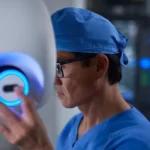
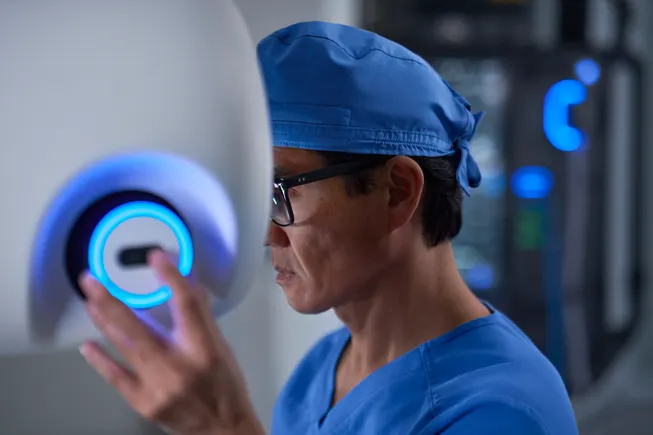
Intuitive Surgical has officially set its sights on dominating the robotic-assisted cardiac surgery space. The company’s strategy centers on the deployment of its most advanced platform, the da Vinci 5, which has recently received U.S. Food and Drug Administration (FDA) clearance for a suite of nine critical heart procedures. These include mitral and tricuspid valve repairs, mitral valve replacements, and left atrial appendage closures.
The fundamental value proposition of this technology lies in its ability to facilitate minimally invasive surgery (MIS). By utilizing the da Vinci 5, surgeons can perform complex cardiac interventions through micro-incisions, bypassing the need for a median sternotomy—the traditional, invasive process of opening a patient’s breastbone. This shift is designed to reduce patient trauma, decrease recovery times, and minimize hospital stays, aligning with the broader industry trend toward value-based care.
To support this ambitious rollout, Intuitive is not merely shipping hardware; it is building an ecosystem. Dirk Barten, Intuitive’s commercial president for Europe, recently announced a renewed focus on the European market, emphasizing the creation of dedicated infrastructure, specialized surgical instruments, and clinical training programs.
Chronology of Expansion
The evolution of Intuitive’s cardiac strategy has been a methodical, years-long journey marked by steady regulatory milestones and tactical shifts:
- Early 2024: Intuitive Surgical officially announced that the da Vinci 5, its next-generation platform, had secured FDA clearance for a wide range of cardiac indications. This milestone was viewed by market analysts as the "green light" for the company to move aggressively into a space historically dominated by traditional open-heart techniques.
- Q2 2024 Earnings Call: During the second-quarter investor update, CFO Jamie Samath acknowledged an unexpected softening in U.S. procedure growth. Despite this, Samath highlighted cardiac surgery as one of the most significant "long-term opportunities" for the company, effectively using the earnings call to pivot investor focus toward the future pipeline.
- Mid-2024 (European Strategy): Following the U.S. regulatory momentum, Intuitive announced a dedicated push in Europe. The company shifted its focus toward clinical evidence generation, aiming to partner with a select group of high-volume European surgical centers.
- Ongoing: The company is currently transitioning into a phase of "reproducible scaling," where it works with surgeons to standardize cardiac robotics programs across various hospital systems, ensuring that the technology is not just accessible, but highly effective in diverse clinical environments.
Supporting Data: Why Cardiac Surgery?
The rationale behind Intuitive’s focus is rooted in hard data. Cardiovascular disease (CVD) is the number one killer globally, accounting for approximately 17.9 million deaths per year according to the World Health Organization. As aging populations continue to grow, the volume of necessary cardiac interventions—particularly valve repairs—is expected to rise significantly.
Market Dynamics
Intuitive’s pivot is largely a response to the "procedure gap." While robotic surgery has achieved near-ubiquity in urology and gynecology, cardiac surgery has remained more resistant to adoption due to the high stakes of operating on a beating heart and the limitations of previous robotic iterations.
However, the da Vinci 5 changes the technical landscape. By providing "force feedback" and enhanced visualization, the platform lowers the barrier to entry for surgeons who were previously wary of the tactile limitations of earlier robotic systems. Furthermore, Intuitive’s recent financial reports indicate that the company’s installed base of robots is at an all-time high, creating a fertile ground for the adoption of these new cardiac-specific instruments.
Official Responses and Perspectives
The leadership at Intuitive Surgical has been vocal about the necessity of this shift. In his commentary regarding the European initiative, Dirk Barten framed the move as both a technical and a moral imperative. "This clearance represents our firm commitment to bring back robotic-assisted minimally invasive cardiac procedures in Europe," Barten stated. He noted that the company’s strategy involves more than just selling robots; it involves "clinical evidence generation"—a process of proving to skeptics that robotic outcomes are equivalent to, or better than, traditional open-heart methods.
From a financial perspective, CFO Jamie Samath has been transparent about the challenges. Addressing the Q2 "softness" in procedure growth, Samath pointed toward external factors, such as the expiration of certain ACA (Affordable Care Act) subsidies, which temporarily impacted patient volumes. By framing cardiac surgery as a "long-term opportunity," Samath is signaling to the market that Intuitive is looking past short-term volatility to capitalize on a multi-decade structural shift in how heart disease is treated.
Implications: The Future of the Surgical Suite
The shift toward robotic cardiac surgery carries profound implications for the medical device industry, hospital administrators, and patients alike.
For Surgeons and Hospitals
For hospitals, the adoption of robotic cardiac programs is a branding and retention tool. Top-tier surgeons increasingly prefer environments that offer the latest in robotic technology. Furthermore, the ability to perform minimally invasive valve repairs allows hospitals to attract a patient demographic that is increasingly seeking shorter hospital stays and faster returns to daily life. However, the cost of the system and the need for specialized training remain significant hurdles that Intuitive must address through its "dedicated infrastructure" initiatives.
For the Competitive Landscape
Intuitive is not the only player in the robotic space. Medtronic, Johnson & Johnson (through their Ottava platform), and other smaller startups are constantly vying for a foothold in the surgical robotics market. By focusing on the entire ecosystem—instruments, training, and clinical data—Intuitive is attempting to create a "moat" that is difficult for competitors to cross. Their focus on "reproducible programs" suggests they are trying to standardize the training process, making the da Vinci 5 the "gold standard" for cardiothoracic residency and fellowship programs.
For Patients
The most significant beneficiary of this transition is the patient. The reduction of the need for a full sternotomy translates into less post-operative pain, reduced risk of infection, and a significantly lower recovery time. If Intuitive succeeds in scaling these programs, the "robotic cardiac procedure" could evolve from a niche offering to the standard of care for millions of people worldwide.
Conclusion
Intuitive Surgical stands at a critical juncture. The transition from a company known for general surgery to one that is a leader in complex cardiac interventions is an ambitious evolution. While the company faces short-term headwinds regarding procedure volume growth, its focus on the vast, unmet need of global cardiovascular disease is strategically sound.
By leveraging the technological advancements of the da Vinci 5, investing in rigorous clinical evidence, and committing to a structured rollout of specialized instruments and support, Intuitive is not just selling a machine—it is building the future of the operating room. Whether this bet will pay off in the short term remains to be seen, but the long-term trajectory points toward a world where the most invasive heart surgeries become, quite literally, a small incision in the grander history of medicine.
As the company continues to partner with European centers and expand its footprint in the U.S., the medical community will be watching closely. If the clinical data holds up to the promise of the technology, Intuitive’s cardiac initiative may well be remembered as the moment when heart surgery was fundamentally redefined for the 21st century.