









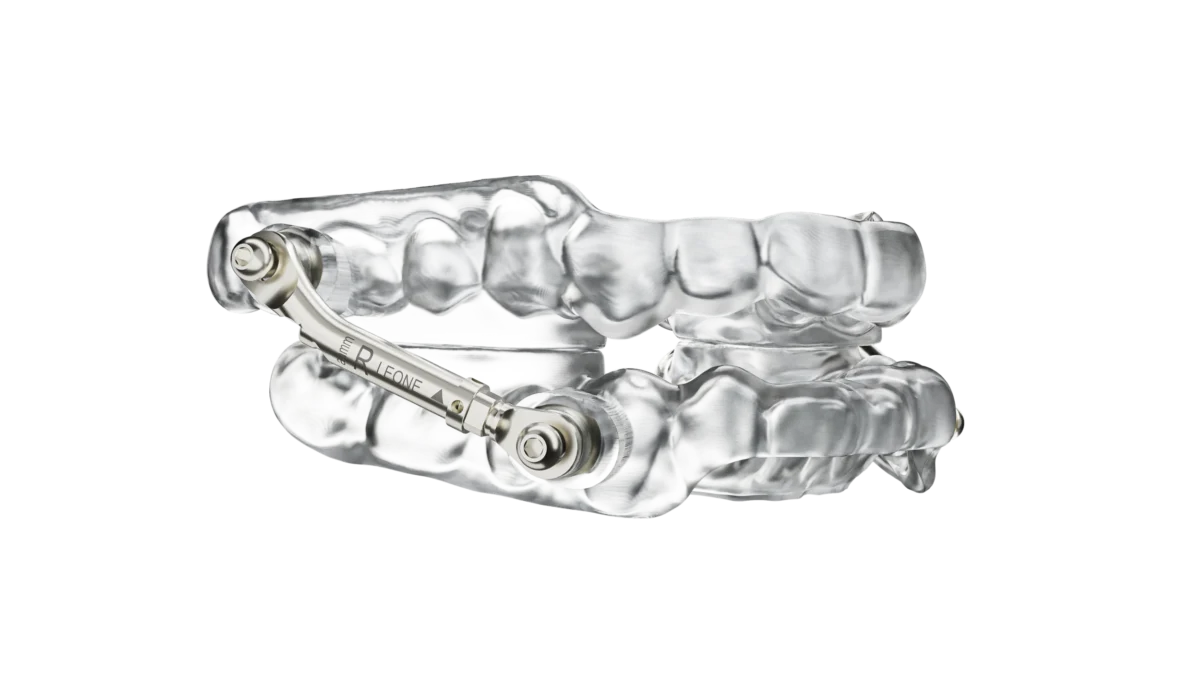
The landscape of Obstructive Sleep Apnea (OSA) treatment is undergoing a seismic shift. As patients increasingly seek alternatives to traditional Continuous Positive Airway Pressure (CPAP) therapy, the dental sleep medicine industry has responded with a new generation of high-precision, biocompatible, and technologically integrated Mandibular Advancement Devices (MADs).
This report examines the current state of the oral appliance market, highlighting key manufacturers, their flagship technologies, and the clinical implications of these advancements in treating snoring and mild-to-moderate OSA.
1. Main Facts: The New Standard in Sleep Dentistry
The modern oral appliance is no longer a simple mechanical splint. Today’s devices are the result of sophisticated digital workflows, utilizing AI-driven design, 3D printing, and advanced material science. Manufacturers such as AIOMEGA, ProSomnus Sleep Technologies, Panthera Dental, and Glidewell have redefined the patient experience by prioritizing comfort, durability, and therapeutic efficacy.
Key Players and Device Innovations
- AIOMEGA: Standing out with the AIO Breathe device, this company has moved beyond traditional titration. Their "one-and-done" philosophy for adults, combined with growth-responsive designs for pediatric patients (ages 6–17), represents a major pivot toward precision medicine.
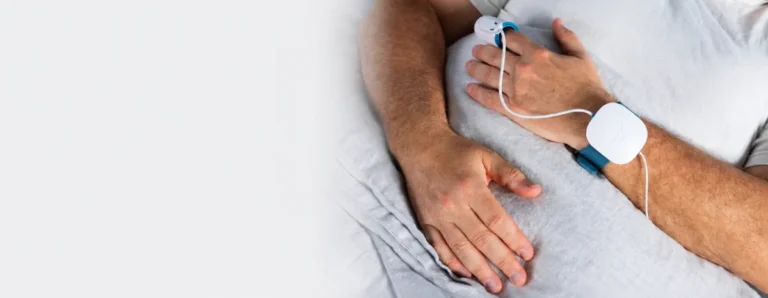
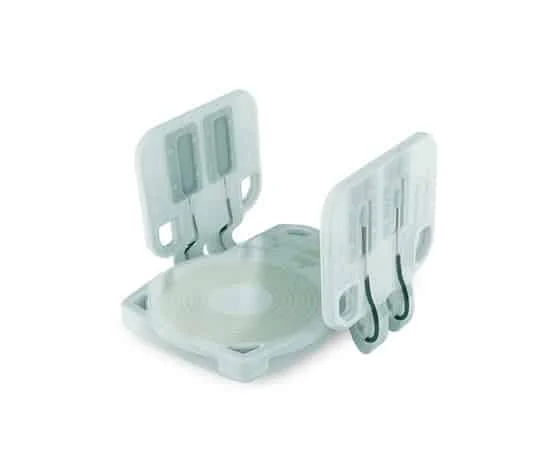
- ProSomnus Sleep Technologies: A dominant force in the space, ProSomnus has utilized AI and robotics to create the EVO series. Their RPMO2 device is particularly groundbreaking, as it features a wholly embedded oximeter, allowing for longitudinal monitoring of OSA metrics such as oxygen saturation and pulse rate.
- Panthera Dental: Known for their 3D-printed Polyamide 12 appliances, Panthera has streamlined the digital workflow with an 8-day turnaround time, leveraging automation to ensure precise fit and comfort.
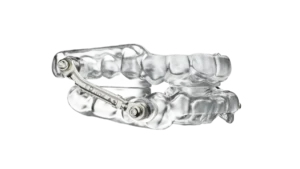
- Glidewell: Bridging the gap between affordability and performance, the Silent Nite series continues to be a staple, offering reliable, hinge-based advancement that is accessible for a wide range of patients.
2. Chronology: The Shift Toward Digital Precision
The evolution of these devices follows a clear trajectory: from crude, chairside-molded acrylics to "digital-first" manufacturing.
- The Early Era: Appliances relied heavily on manual adjustments, requiring frequent office visits for titration. Patients often reported high levels of discomfort and TMJ (temporomandibular joint) stress due to imprecise fit.
- The Digital Transition (2015–2020): The widespread adoption of intraoral scanners allowed for "impression-free" dentistry. Companies like Panthera and ProSomnus began utilizing CAD/CAM software to design appliances that maximized tongue space and minimized bulk, directly addressing the leading cause of patient non-compliance.
- The Intelligent Era (2021–Present): We are currently witnessing the integration of "Smart" technology. The ProSomnus RPMO2 and the AIOMEGA AIO Breathe represent this peak, where the device itself acts as a diagnostic tool. By incorporating sensors or specific geometric designs that require zero-titration, these companies are shortening the time between diagnosis and therapeutic success.
3. Supporting Data: Efficacy and Clinical Validation
Clinical evidence is the cornerstone of dental sleep medicine. Recent studies emphasize that the efficacy of an oral appliance is intrinsically linked to its ability to maintain airway patency while ensuring patient comfort.
The Role of Longitudinal Monitoring
Data published in Medical Devices: Evidence and Research (2025) concerning the ProSomnus RPMO2 underscores the shift toward objective data. With medical-grade oximetry sampled at 50 Hz, clinicians can now verify that the device is actually reducing desaturation events in real-time. This objective feedback loop is essential for Medicare verification and patient accountability.
Material Science and Biocompatibility
The shift toward medical-grade, class VI biocompatible polymers—seen in the ProSomnus EVO line and the Panthera X3—has drastically reduced the incidence of allergic reactions and material degradation. Furthermore, the use of 3D-printed Nylon (Polyamide 12) by companies like Open Airway Dental Solutions (O2Vent Optima) has allowed for thinner, more durable designs that do not compromise the structural integrity of the device.
PDAC Verification
A critical factor for clinicians is whether a device is PDAC (Pricing, Data Analysis, and Coding) verified for billing under Medicare code E0486. Most major manufacturers, including Glidewell, Panthera, and ProSomnus, have secured this status, ensuring that patients can access insurance reimbursement, which remains a primary barrier to treatment adoption.
4. Official Responses: How the Devices Actually Work
The mechanisms of action vary by manufacturer, though the goal remains consistent: the prevention of airway collapse.
Protrusion and Airway Geometry
Most devices, such as the Kava Herbst 3D and Silent Nite, utilize a "connected" mechanism where the upper and lower arches are linked by a hinge or telescopic arm. This forces the mandible into a protruded position. However, newer designs are exploring "non-connected" systems.
The AIOMEGA AIO Breathe employs a patented "Arc of Motion" geometry. Rather than just pulling the jaw forward, it guides the mandible in three dimensions—up, down, forward, and backward—to expand tongue space. This multidimensional approach reduces the strain on the TMJ, as it does not rely solely on extreme anterior protrusion.
Airway Stabilization
The O2Vent Optima offers a unique dual-action mechanism: it advances the jaw while incorporating a dedicated airway channel that bypasses nasal congestion and soft tissue collapse. This is a sophisticated departure from standard MADs, recognizing that nasal resistance is a frequent co-morbidity in sleep-disordered breathing.
5. Implications: The Future of Sleep Dentistry
The implications of these advancements are profound for both the dental practitioner and the patient.
For the Practitioner
The move toward digital impressions and AI-guided design reduces the "human error" factor in appliance fabrication. Clinicians can now offer patients a treatment plan that is backed by data, rather than just anecdotal reports of "feeling better." The integration of apps and provider portals, as seen with AIOMEGA and ProSomnus, allows for a hybrid care model where the dentist can monitor therapy remotely, potentially catching issues before they lead to treatment failure.
For the Patient
The most significant implication is improved compliance. Oral appliance therapy only works if the patient wears the device. By prioritizing:
- Low Profile: Reducing the bulk in the mouth.
- Increased Tongue Space: Eliminating the feeling of "choking" or restriction.
- Zero-Titration: Removing the need for constant, painful mechanical adjustments.
…manufacturers are making OSA treatment a lifestyle-friendly option rather than a clinical burden.
Long-term Outlook
As we look toward 2026 and beyond, the trend is clearly toward "Precision OAT" (Oral Appliance Therapy). The industry is moving away from a "one-size-fits-all" approach to one that utilizes patient-specific physiologic data. Whether it is through the pediatric growth-conscious design of the AIO Breathe or the longitudinal monitoring of the RPMO2, the future of sleep medicine is personalized, digital, and increasingly effective.
Summary Table of Key Features
| Company | Appliance | Warranty | PDAC Verified |
|---|---|---|---|
| AIOMEGA | AIO Breathe | 365 days | Yes |
| Glidewell | Silent Nite 3D | 1,095 days | Yes |
| Panthera | Panthera X3 | 1,095 days | Yes |
| ProSomnus | EVO | 1,095 days | Yes |
| OADS | O2Vent Optima | 1,095 days | Yes |
This report highlights that the selection of an oral appliance should be based on a combination of anatomical requirements, the patient’s ability to tolerate protrusion, and the clinical need for objective monitoring data. As the technology continues to evolve, the distinction between a "simple splint" and a "therapeutic medical device" will continue to widen, favoring those who invest in digital, data-driven platforms.