








Published: October 26, 2026
In the fast-paced landscape of modern fitness, where high-intensity interval training and power-based movements often dominate the discourse, a quieter, more deliberate practice has been quietly reclaiming its space: Yin Yoga. For those suffering from chronic tightness in the quadriceps and hip flexors—a common ailment for desk-bound professionals and endurance athletes alike—Yin Yoga offers a unique, restorative pathway to flexibility and emotional release.
Unlike active yoga styles that emphasize muscular engagement, Yin Yoga is a practice of surrender. By remaining in static, floor-based shapes for extended periods, practitioners shift the focus from the muscle fibers to the deeper connective tissues, or fascia. As we explore the mechanics of this practice, we uncover a methodology that prioritizes structural health over aesthetic performance.
Main Facts: Understanding the Yin Philosophy
The core principle of Yin Yoga is the absence of muscular effort. In this modality, the goal is to reach a state where the target muscles are entirely passive. This allows the tension to migrate from the superficial muscles into the deep connective tissues, which require different conditions to release—specifically, prolonged, gentle stress.
Finding the "Edge"
A frequent misconception among newcomers is that intensity equates to progress. In the context of Yin, however, "finding your edge" is an exercise in restraint. On a subjective intensity scale of one to 10, where one is sensationless and 10 is acute pain, the target zone is a four or a five. This "sensational" state is sustainable, allowing the nervous system to remain calm while the body undergoes structural adaptation.
The Connection to the Soul
The psoas, often referred to as the "muscle of the soul," is the primary focus of many hip-flexor-intensive poses. Situated deep within the core, the psoas is frequently impacted by our "fight or flight" stress response. Consequently, deep hip opening is not just a physical endeavor; it is often an emotional one. Practitioners are encouraged to approach these stretches with mindfulness, asking themselves what tension—physical or emotional—they are ready to release.
Chronology: A Structured Approach to Practice
To safely navigate an intense Yin practice, preparation is paramount. A session should be viewed as a 30-to-45-minute journey, beginning with grounding and ending with integration.
Phase 1: Centering and Awareness (0–5 minutes)
Before entering any deep shapes, practitioners should begin in a comfortable seated position. By closing the eyes and focusing on rhythmic, nasal breathing, the student transitions from the "doing" mode of daily life into the "being" mode of the practice. During this phase, one should perform a body scan, specifically noting the level of baseline tension in the low back, quads, and hip flexors.
Phase 2: The Targeted Shapes (5–35 minutes)
Each pose is held for three to five minutes. This timeframe is essential, as the fascia requires sustained tension to begin its hydration and release process.
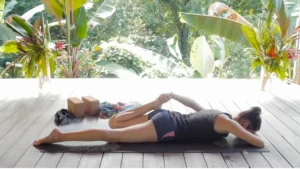
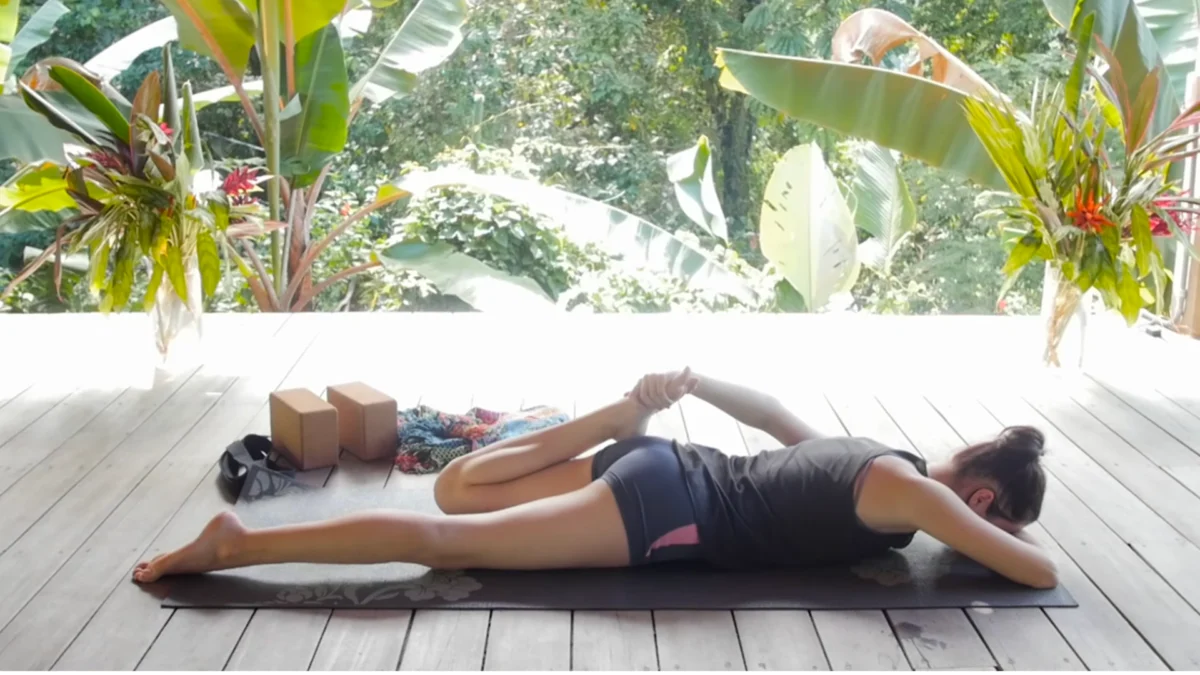
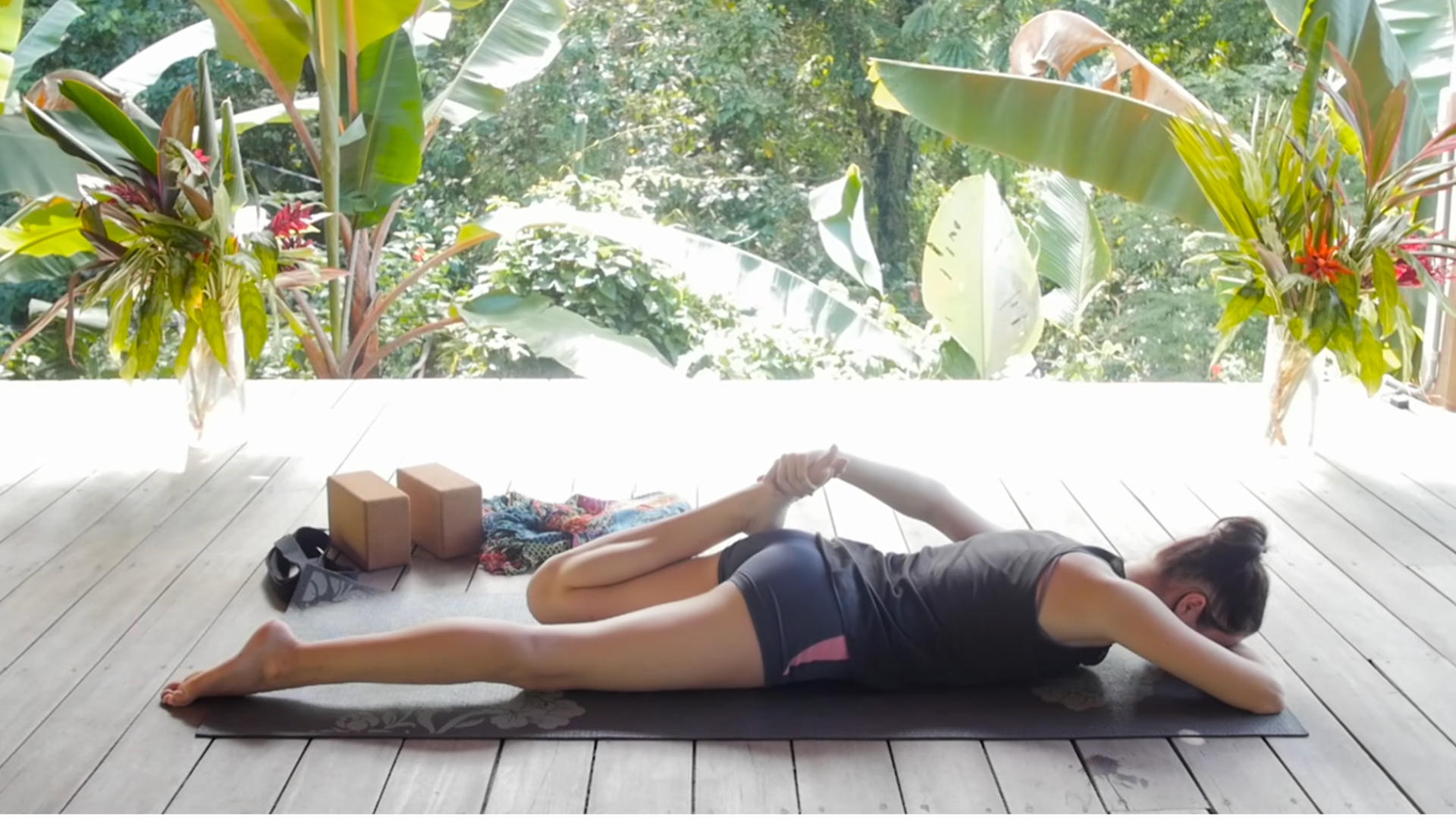
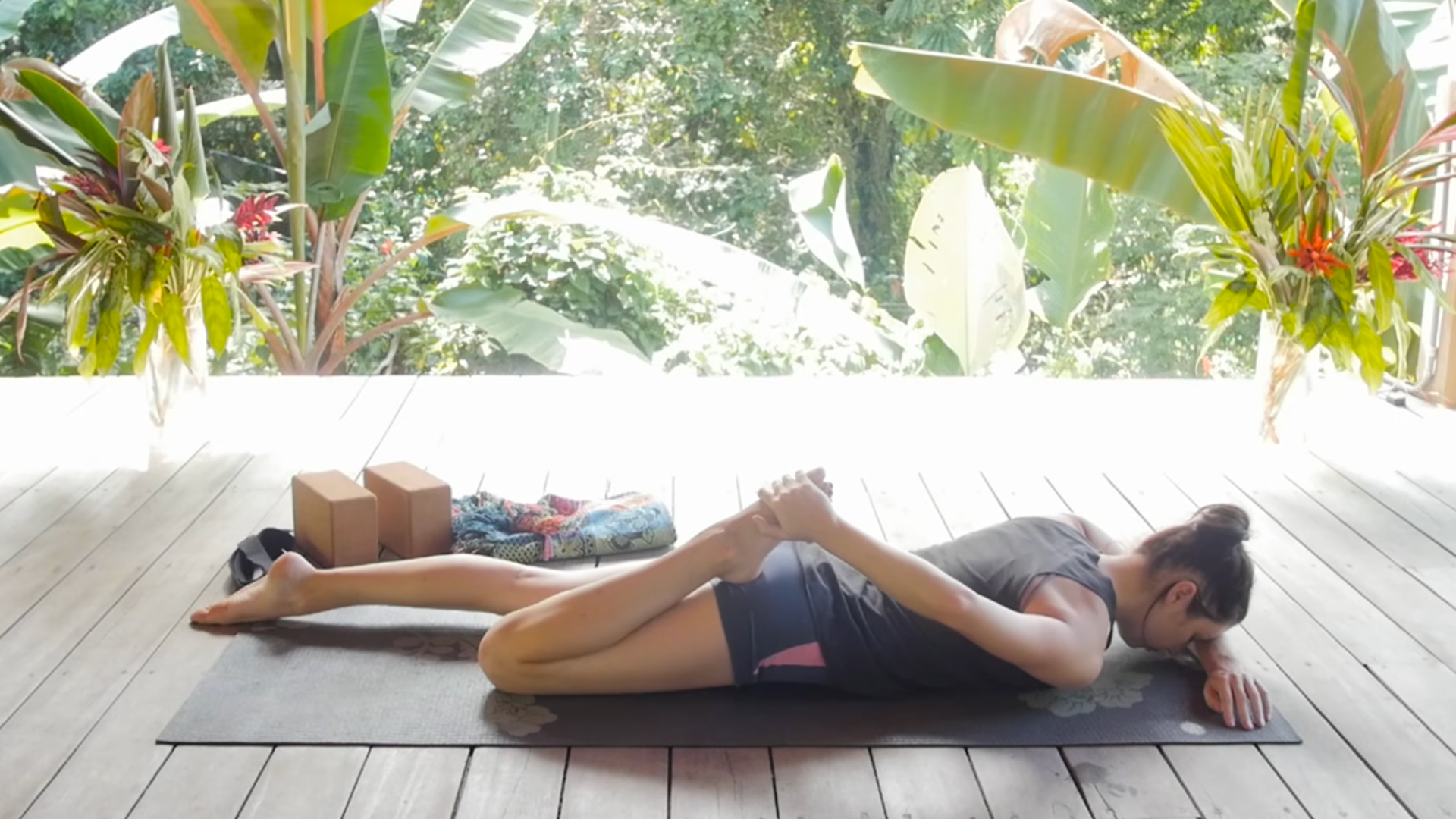
- Half Bow Pose: Targeting the quadriceps while prone.
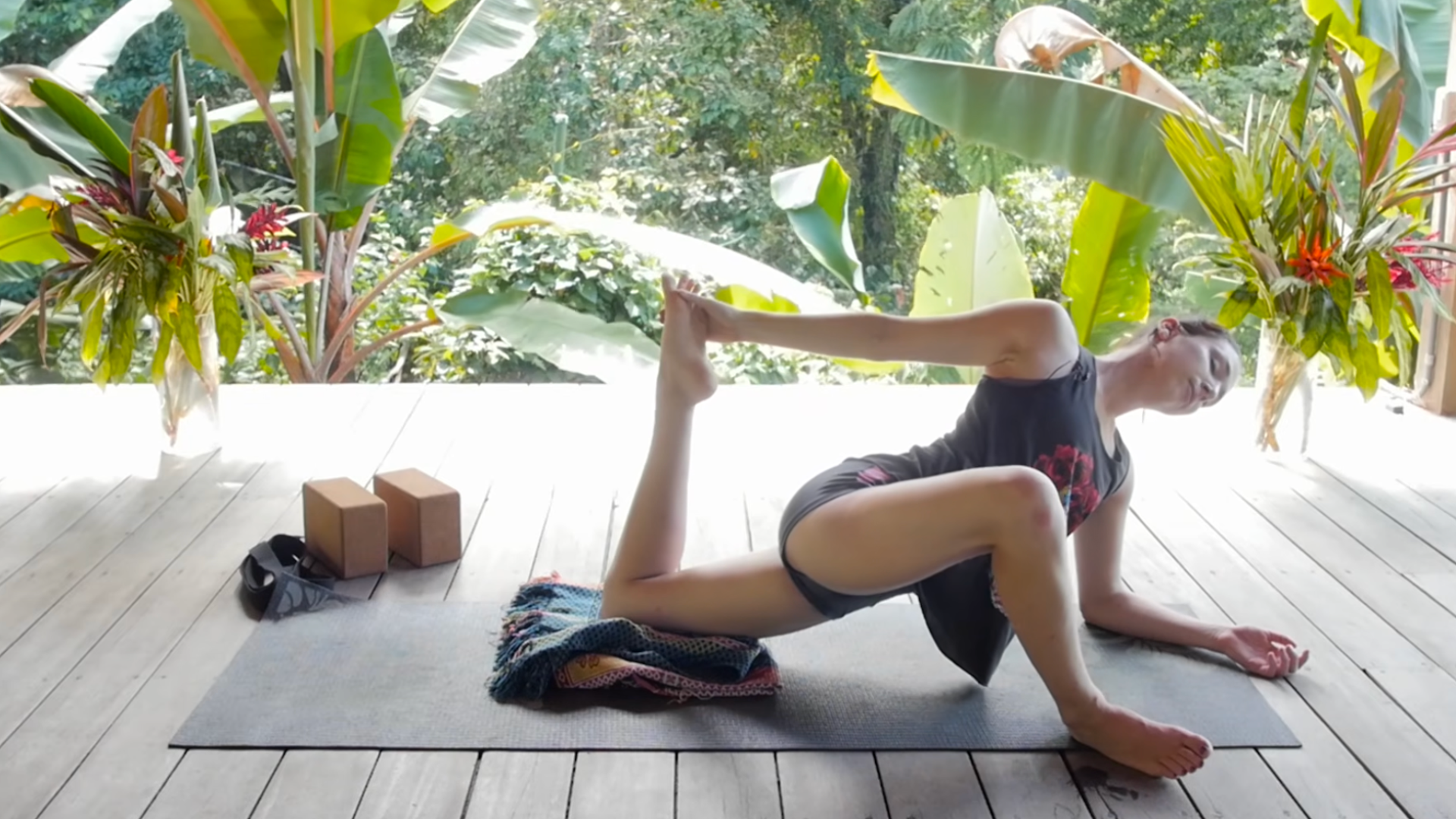
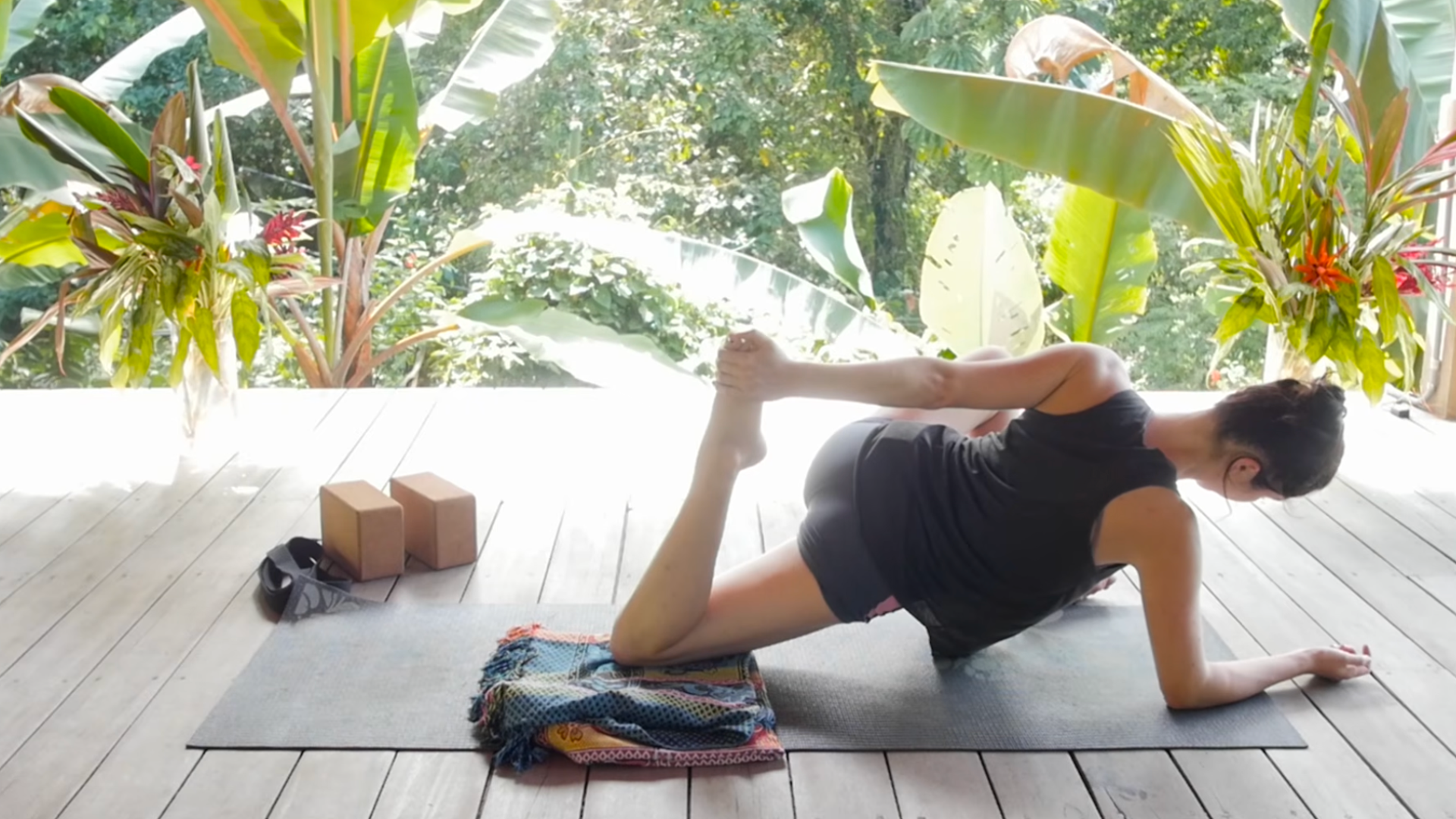
- Lizard/Twisted Lizard: A deep lunge variation that addresses the psoas and hip flexors.
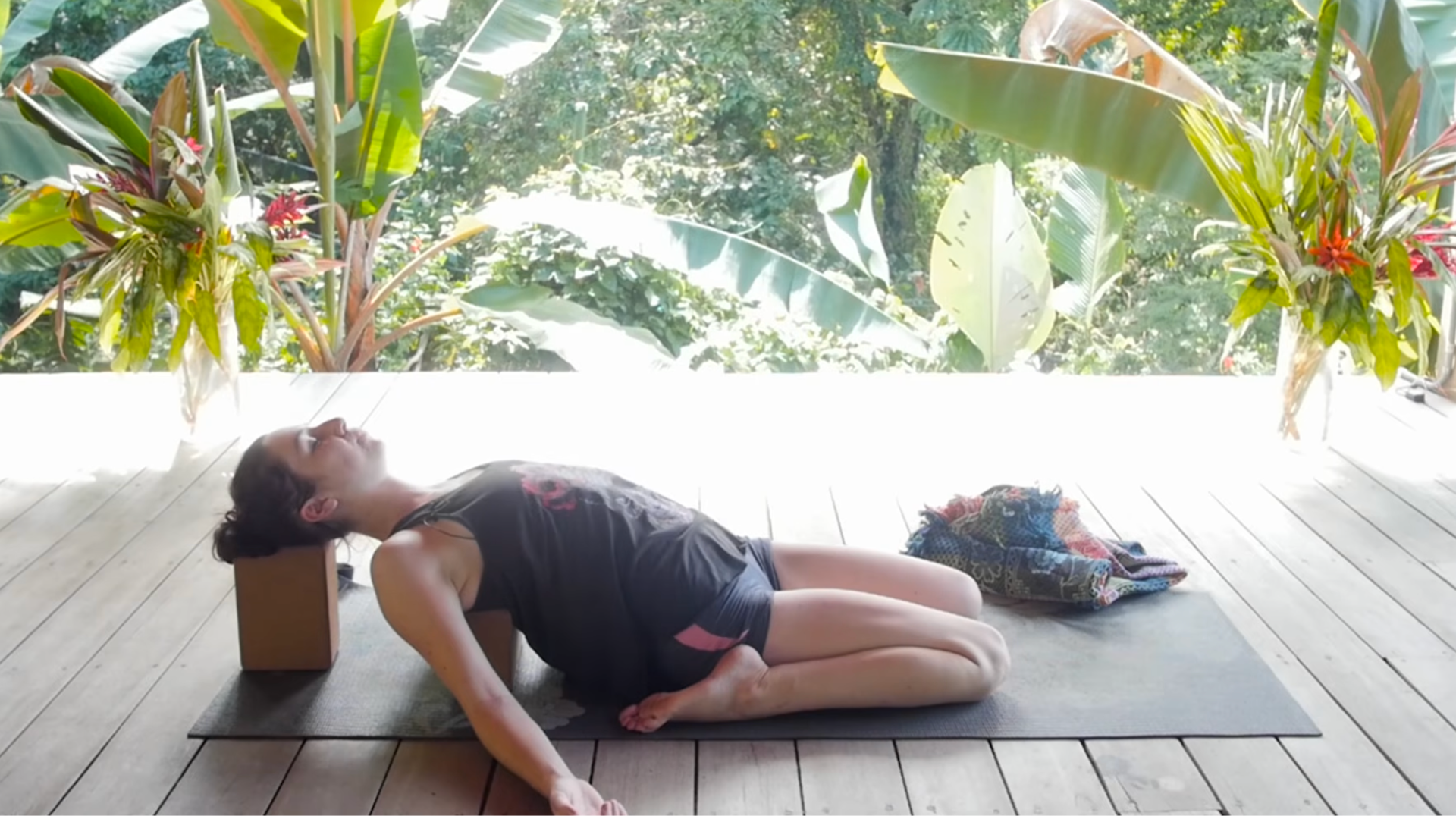
- Reclined Hero Pose: A profound quad opener that requires careful, supportive prop usage.
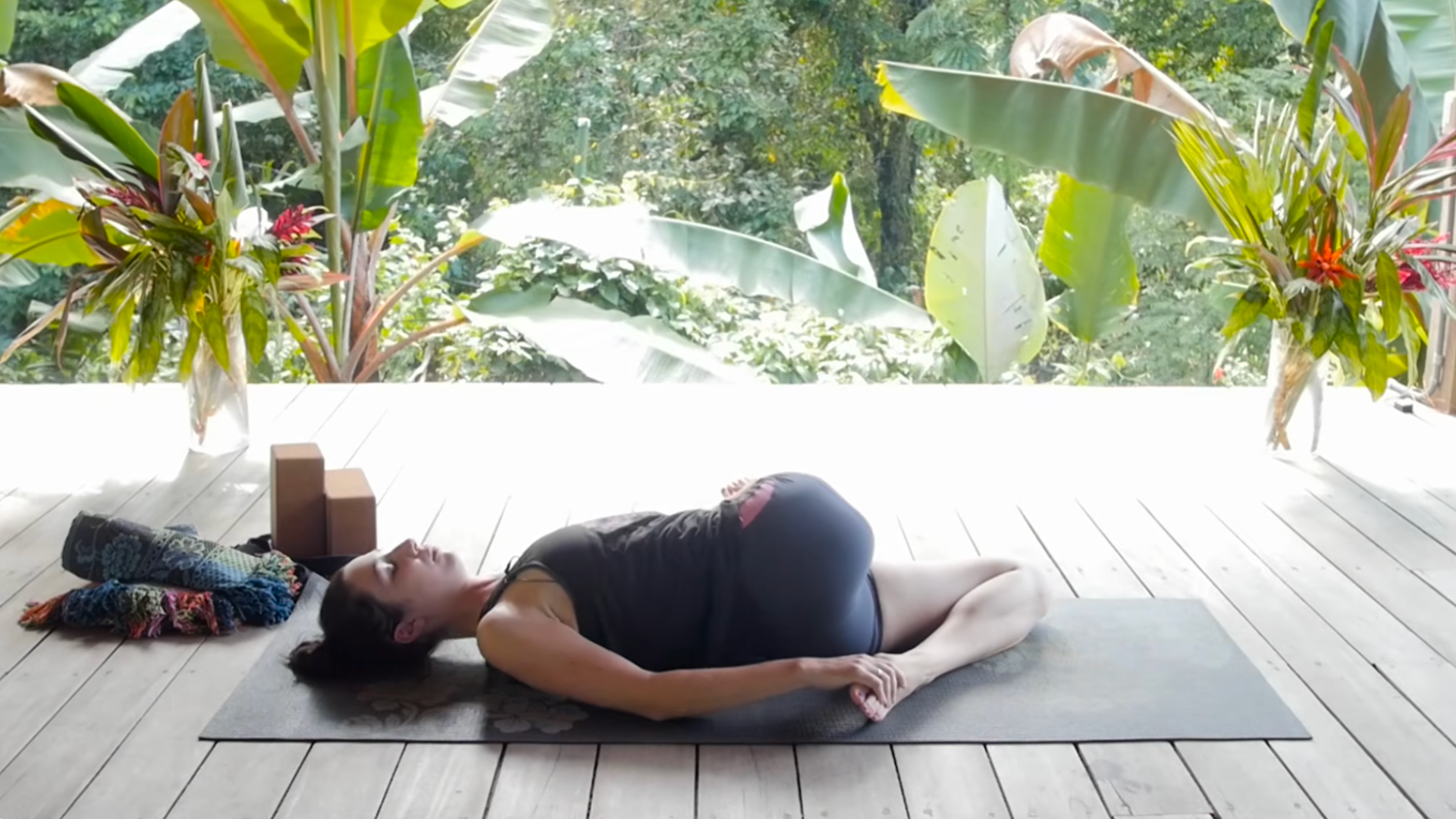
- Cat Pulling Its Tail: A complex, multi-joint stretch that addresses the IT band and quads simultaneously.
Phase 3: Integration (35–40 minutes)
The practice concludes with Savasana (Corpse Pose). This is not "resting" in the idle sense; it is a vital phase of practice where the body absorbs the structural changes initiated by the previous poses.
Supporting Data: The Science of Connective Tissue
The effectiveness of Yin Yoga is rooted in the physiological nature of connective tissue. Unlike muscle tissue, which is vascular and pliable, fascia is largely avascular and dense. Research suggests that while muscles respond to dynamic, short-duration stretching, connective tissues—such as tendons, ligaments, and the myofascial web—require a "creep" response.
"Creep" is a mechanical term describing the slow, continuous deformation of a material under a constant load. By holding a pose for three to five minutes, the collagen fibers in the fascia are given the time necessary to realign and hydrate. Furthermore, the slow, easy breath maintained during these poses helps down-regulate the sympathetic nervous system, shifting the practitioner into a parasympathetic state, which is essential for tissue repair and deep relaxation.
Official Perspectives: Expert Guidance on Safety
Yoga educators emphasize that while Yin Yoga is accessible, it is not a "beginner-friendly" style in the traditional sense of intensity. The poses can be deceptively demanding.
The Role of Props
The use of blocks, bolsters, blankets, and straps is not a sign of weakness; it is a sign of intelligence. For individuals with limited range of motion, a strap acts as an extension of the arm, allowing the student to maintain the integrity of the pose without overstraining the joints. Similarly, placing a blanket under the knees in a lunge-based pose prevents compression-related pain, ensuring that the sensation remains focused on the muscle belly rather than the joint capsule.
Managing Intensity
If a pose causes pinching or sharp, shooting pain, it is an indication to exit immediately. The goal is a dull, sustained ache that does not trigger a protective bracing response. If the body begins to shake or the breath becomes labored, the practitioner has moved beyond their "edge" and should modify the pose using additional support.
Implications: The Long-Term Benefits
The implications of a consistent Yin Yoga practice extend far beyond the yoga mat.
Enhanced Range of Motion
For athletes, the accumulation of tightness in the quads and hip flexors can lead to compensatory patterns, such as lower back pain or knee instability. By regularly releasing the hip complex, athletes can restore optimal movement mechanics, potentially reducing the risk of overuse injuries.
Psychological Resilience
The requirement to remain still for three to five minutes in a state of discomfort is a form of meditative training. It teaches the practitioner how to maintain equanimity under stress. In a world where we are conditioned to react to discomfort with immediate movement or distraction, the ability to simply "breathe through it" becomes a transferable life skill.
The "Soul" Connection
As one works through the psoas—the muscle linked to the autonomic nervous system—the release of physical tension often correlates with a release of stored psychological stress. Many practitioners report a sense of lightness or improved mood following a focused Yin session. While anecdotal, this aligns with somatic therapy theories that suggest trauma and chronic stress are "stored" in the body, particularly in the pelvic and hip regions.
Conclusion
Yin Yoga is a deliberate, slow-motion confrontation with the limitations of our own bodies. By choosing to linger in the discomfort of a tight quad or a restricted hip flexor, we aren’t just stretching tissue—we are cultivating patience, deepening our self-awareness, and honoring the fundamental need for stillness in an overstimulated world.
Whether you are a professional athlete looking to improve recovery, or a busy professional seeking a tool to manage daily stress, the practice of Yin offers a profound, evidence-based, and deeply restorative solution. Remember, the journey into the body is not a race; it is a practice of meeting yourself exactly where you are, breathing through the sensation, and allowing the natural intelligence of your anatomy to guide you toward balance.