






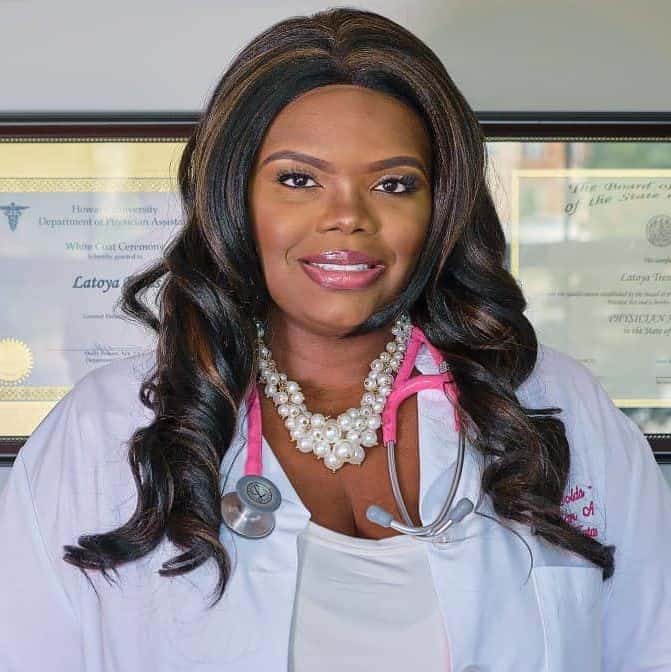
When LaToya Bolds-Johnson was diagnosed with stage 3 triple-negative breast cancer (TNBC) at the age of 36, she stood at a unique intersection of expertise. As a practicing physician assistant, she spent her days navigating the complexities of clinical care and medical protocols. However, the diagnosis shifted her perspective overnight, moving her from the role of the caregiver to the patient.
Today, five years post-diagnosis, Bolds-Johnson has channeled that harrowing personal experience into a career as a clinical research sub-investigator. Her journey is not merely one of survival, but one of systemic transformation—highlighting the vital role of patient advocacy, clinical trial diversity, and the "medical trust fund" we build for future generations.
The Biological Landscape: Why "Breast Cancer" is a Misnomer
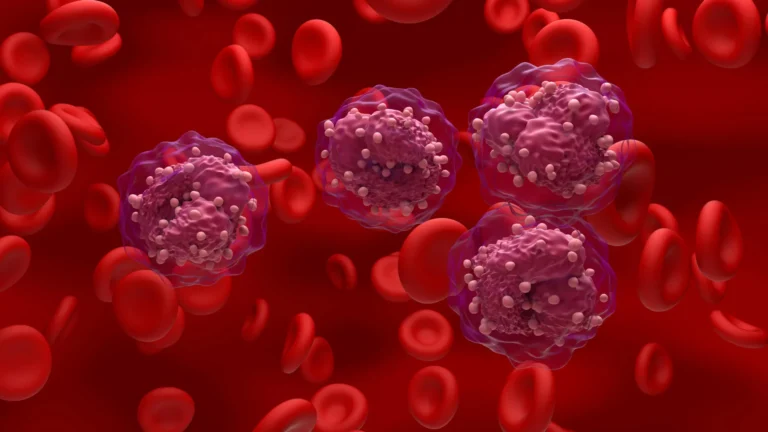
To understand the gravity of Bolds-Johnson’s journey, one must first understand the complexity of the disease. Breast cancer is not a monolithic entity; it is a heterogeneous group of conditions characterized by distinct biological markers.
In the United States alone, the burden of the disease remains staggering, with an estimated 321,910 new cases of invasive breast cancer projected for 2026. The clinical approach to treatment is dictated by the presence—or absence—of specific receptors. Hormone receptor-positive cancers rely on estrogen or progesterone to grow, while HER2-positive cancers are driven by the overexpression of the human epidermal growth factor receptor 2 protein.
Bolds-Johnson’s diagnosis, triple-negative breast cancer (TNBC), represents one of the most challenging subsets. TNBC lacks all three primary receptors—estrogen, progesterone, and HER2. Because it does not respond to hormonal therapies or drugs targeting the HER2 protein, it often requires more aggressive intervention, such as chemotherapy and, increasingly, immunotherapy. This biological distinction underscores why personalized medicine and biomarker testing are not luxuries, but necessities in modern oncology.

A Chronology of Advocacy and Resilience
The timeline of Bolds-Johnson’s transition from clinician to patient-advocate offers a roadmap for others navigating a new diagnosis:
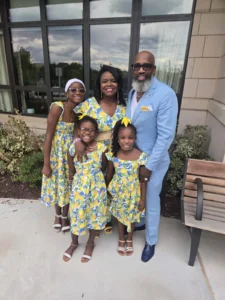
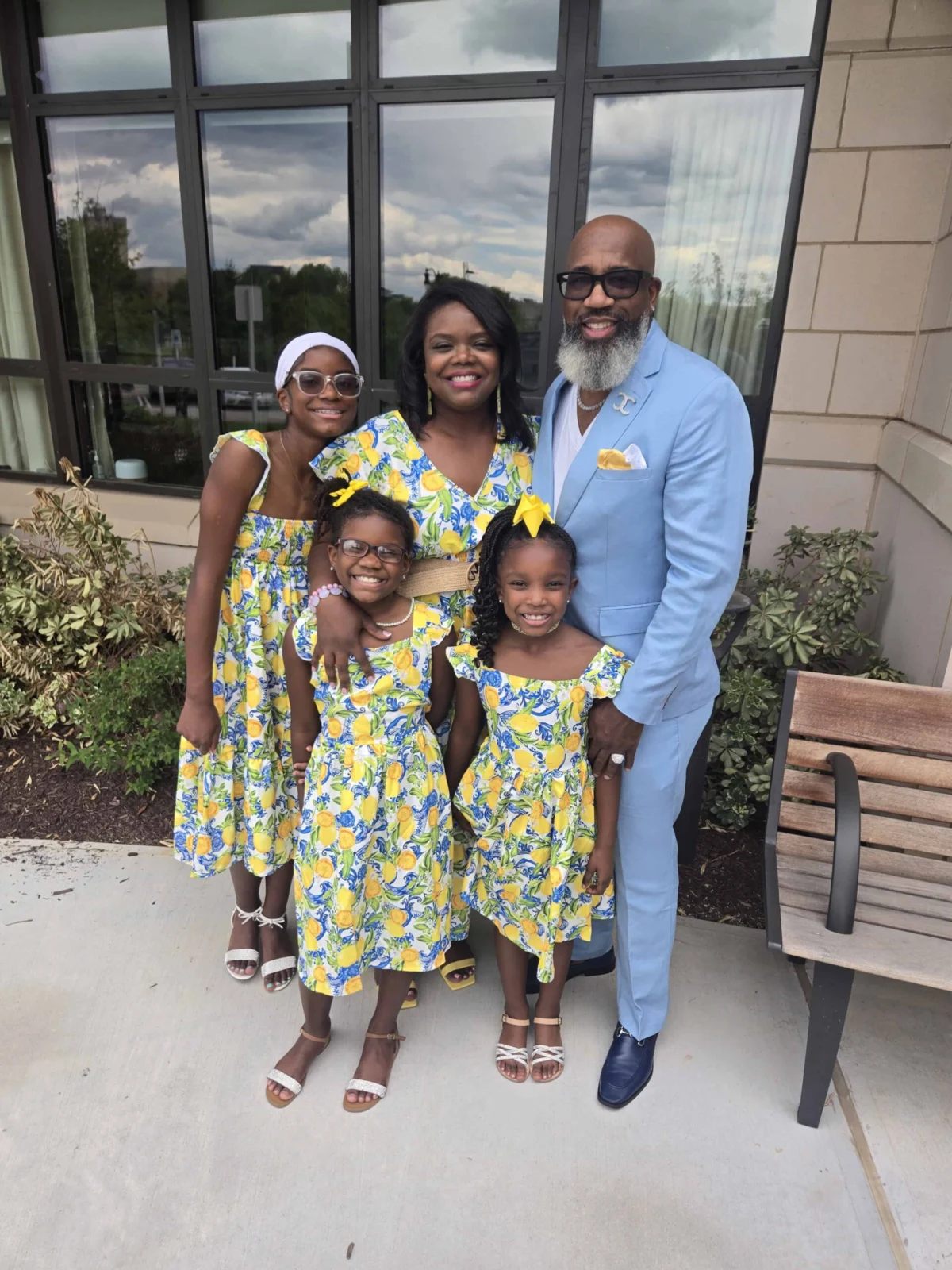
- The Diagnosis (2021): At 36, while balancing a career and raising three young daughters, Bolds-Johnson receives her stage 3 TNBC diagnosis. The immediate pivot involves processing the psychological impact of being a medical professional suddenly subjected to the rigors of oncology.
- The Trial Participation (2021–2023): Seeking to move beyond standard-of-care, Bolds-Johnson enrolls in a clinical trial investigating immunotherapy. She views this not just as personal treatment, but as a contribution to the scientific community.
- The Milestone (April 2023): Bolds-Johnson successfully completes her treatment regimen, including immunotherapy.
- The Five-Year Mark (July 2026): Reaching five years post-diagnosis, she reflects on the lingering "survivorship" experience, characterized by the persistent fear of recurrence and the long-term mental health challenges that often accompany cancer treatment.
- The Professional Evolution (Present): Bolds-Johnson transitions into her role as a clinical research sub-investigator, effectively closing the loop on her professional and personal journey.
The Philosophy of the "Medical Trust Fund"
One of the most profound concepts introduced by Bolds-Johnson is the idea of a "medical trust fund." Just as parents invest in financial or educational accounts to secure their children’s futures, Bolds-Johnson views her participation in clinical trials as a strategic investment in the health of future generations.
"My whole mission with being the clinical trial participant is that I wanted to make sure that I was building a medical trust fund for my children," she explains. By contributing her biological data and treatment outcomes to clinical research, she is helping to refine treatments that may benefit her daughters or others who share her biological or ethnic profile.
The Imperative of Clinical Trial Diversity
The scientific community has long grappled with a "diversity gap" in clinical research. When trials fail to include a diverse array of racial and ethnic backgrounds, the resulting data may not accurately reflect how a drug behaves across the broader population. Bolds-Johnson’s advocacy emphasizes that equitable access to trials is not just a social justice issue—it is a scientific imperative. Without representative data, the efficacy and safety profiles of life-saving immunotherapies remain incomplete.
Clinical Trials: Dispelling the "Last Resort" Myth
A common misconception in the oncology community is that clinical trials should be reserved as a "last resort"—an option only when standard chemotherapy or surgery has failed. Experts and advocates like Bolds-Johnson are working to dismantle this narrative.
Why Trials Matter
- Access to Innovation: Trials often provide early access to cutting-edge therapies, including antibody-drug conjugates, immune cell engagers, and therapeutic cancer vaccines, before they are widely available on the market.
- Rigorous Evaluation: Trials determine the safety and efficacy of combinations, such as pairing immunotherapy with radiation or targeted therapies, to see if they can yield better outcomes than existing treatments.
- Personalized Data: Participation allows for a deeper understanding of which patients respond best to which treatments, fueling the engine of precision medicine.
For the patient, the clinical trial is not a surrender to the unknown, but an active engagement with the latest scientific inquiry. As Bolds-Johnson notes, asking about trial eligibility should be part of the initial conversation with an oncologist, not an afterthought.
Implications: A New Era of Patient-Informed Care
The implications of Bolds-Johnson’s story are twofold: for the healthcare industry and for the individual patient.
For the Industry
The medical establishment must recognize that patients like Bolds-Johnson are not passive recipients of care; they are partners in research. By integrating patient perspectives into the design and recruitment stages of clinical trials, institutions can foster higher levels of trust and engagement. Furthermore, the push for mental health support for survivors—an area where Bolds-Johnson is actively involved—must become a standard pillar of oncological care.
For the Patient
The message is one of empowerment. Patients are encouraged to adopt a proactive stance:
- Inquire about Biomarkers: Understanding the specific genetic and protein profile of a tumor is essential.
- Demand Transparency: Ask the care team about clinical trial options at every stage of the disease, not just at recurrence.
- Advocate for Diversity: Encourage participation across all communities to ensure that the "medical trust fund" of knowledge benefits everyone.
Bridging the Gap: The Personal and the Professional
Bolds-Johnson’s story extends beyond the clinic walls. Her children’s book, When Life Gives You Lemons, Make Pink Lemonade, serves as a vehicle to help families process the trauma of a cancer diagnosis. By telling the story through the eyes of her daughters, she demystifies the experience, showing that even in the face of a terrifying diagnosis, there is a path forward defined by hope, science, and community.
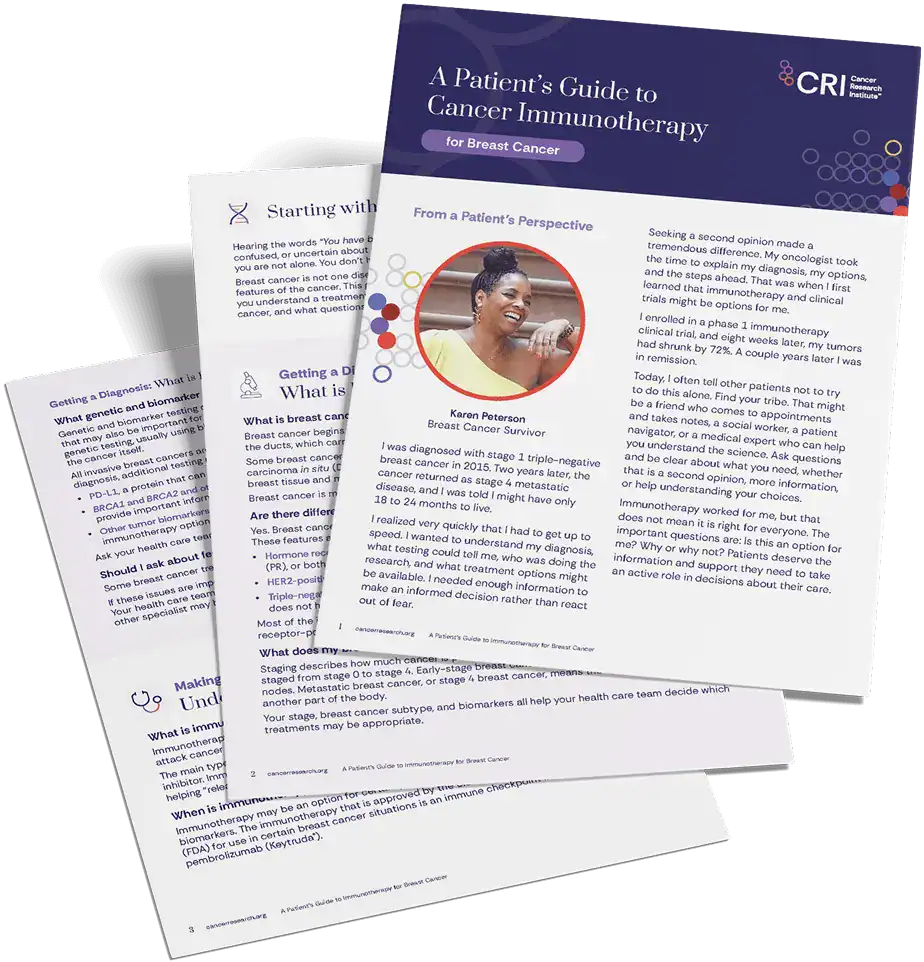
Today, as a sub-investigator, Bolds-Johnson sits on the other side of the desk. She uses her history to build rapport with patients who are walking the path she once traversed. She is a living testament to the fact that the cancer journey does not end when treatment stops; it evolves into a lifelong commitment to improving the system that saved her.
For those looking to explore their own options, resources like the CRI Clinical Trial Finder offer a starting point. As Bolds-Johnson’s story proves, knowledge is the most powerful tool a patient can possess. By asking the right questions and advocating for better science, patients today are not just treating their own cancer—they are ensuring that tomorrow’s patients have a clearer, brighter future.