










In an era defined by perpetual connectivity, the modern human is experiencing a sleep crisis of unprecedented proportions. Chronic insomnia—a condition that transcends mere fatigue, manifesting as a pervasive, long-term inability to initiate or maintain sleep—affects millions of people worldwide. To combat this, the American Academy of Sleep Medicine (AASM) and the Society of Behavioral Sleep Medicine (SBSM) recently hosted their annual "Insomnia Awareness Night," a campaign designed to demystify the disorder and highlight evidence-based interventions.
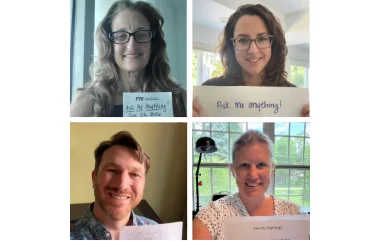
To bridge the gap between clinical research and public confusion, a panel of preeminent sleep scientists took to the digital stage on Reddit, hosting a live “Ask Me Anything” (AMA) session. Doctors Spencer Dawson, Sarah Honaker, Monica Kelly, and Jennifer Martin provided a wealth of insights, tackling everything from the efficacy of modern sleep-tracking technology to the complex psychological roots of early-morning awakenings.
The State of Sleep: A Modern Health Crisis
Insomnia is not merely a lifestyle inconvenience; it is a clinical disorder characterized by difficulty falling or staying asleep that occurs at least three times per week and persists for longer than three months. When this disruption begins to impair daytime functioning—manifesting as cognitive fog, irritability, and decreased physical performance—it requires professional intervention.
The recent Reddit AMA served as a reminder that despite the ubiquity of "sleep hacks" and digital wellness apps, the fundamentals of sleep hygiene remain grounded in behavioral science. As the panel emphasized, the gold standard for treating chronic insomnia is Cognitive Behavioral Therapy for Insomnia (CBT-I), a structured program that helps patients identify and replace the thoughts and behaviors that cause or worsen sleep problems.
Chronology of the Discussion: Insights from the Reddit AMA
The digital event unfolded as a rapid-fire exchange, moving from common curiosities to complex medical concerns. Below is a breakdown of the critical dialogues held during the session:
1. The Myth of “Catch-Up” Sleep
The discussion opened with a common inquiry: Is weekend oversleeping a viable strategy to mitigate the damage of a sleep-deprived work week? Dr. Jennifer Martin addressed this with cautious nuance. While some research suggests that “catching up” on weekends is marginally better than not doing so at all, it is not a cure-all. Consistent, high-quality rest—averaging seven or more hours nightly—remains the only reliable strategy for long-term health. The “banking” of sleep hours is a biological fallacy; the body craves regularity above all else.
2. The Double-Edged Sword of Sleep Tracking
Wearable technology, such as the Apple Watch or Oura Ring, has surged in popularity. Dr. Sarah Honaker provided a balanced perspective: these devices are excellent for motivation—encouraging users to maintain consistent bedtimes—but they are not medical-grade diagnostic tools. More dangerously, they can induce "orthosomnia," a state of perfectionism where the anxiety of “perfecting” one’s sleep metrics actually prevents the onset of deep, restful sleep. The ultimate diagnostic tool, according to Dr. Honaker, is not a data point on a wrist, but how an individual feels throughout the following day.
3. The Supplement Industry vs. Clinical Reality
In an age of aggressive marketing for melatonin, CBD, and THC microdosing, the panel urged extreme skepticism. Dr. Martin noted that the market for sleep aids is expanding faster than the clinical evidence supporting them. Many supplements rely on the placebo effect; by convincing the brain that it has been “helped” by a pill, the individual may finally stop the internal struggle to force sleep. Regarding THC, the experts noted a lack of high-quality, long-term studies confirming safety or efficacy. Melatonin, while useful for circadian rhythm issues like jet lag, is frequently misused by those suffering from chronic insomnia, where it is often ineffective.
4. The Auditory Distraction: Binaural Beats
For those using Spotify to drift off, Dr. Spencer Dawson offered a pragmatic view on binaural beats. While there is little robust clinical research confirming they physically alter brainwaves to induce sleep, they serve a valuable purpose: providing a pleasant, non-intrusive distraction. Much like an audiobook or a calming podcast, these sounds help quiet the racing mind—a critical step for those with "hyperarousal," where the brain refuses to power down at night.
Supporting Data: Why Hyperarousal is the Enemy
One of the most concerning questions submitted involved “hyperarousal,” where a patient reported waking up every two minutes during a clinical study. This is a hallmark symptom of severe sleep disruption. Dr. Martin’s advice was clear: persistent frequent arousals are a red flag that requires a clinical consultation.
Sleep architecture is delicate. When we wake up repeatedly, we are often prevented from entering REM (Rapid Eye Movement) and deep, slow-wave sleep cycles. These stages are essential for emotional regulation, memory consolidation, and physical tissue repair. If a sleep study shows fragmented rest, it is imperative to investigate underlying conditions such as obstructive sleep apnea (OSA), restless legs syndrome (RLS), or chronic stress responses.
Addressing the 4:00 AM Awakening
A common complaint among the aging population or those under high stress is the "early morning awakening." Dr. Dawson explained that this can be a biological function of "advanced sleep phase," where the body’s internal clock shifts earlier. However, it can also be a manifestation of anxiety or depression.
His advice was counterintuitive: don’t force the issue. If you wake up at 4:00 AM and cannot sleep, trying to fight it only increases frustration—the enemy of sleep. He suggested that if one cannot fall back asleep within a reasonable timeframe, they should accept the reality of the situation rather than escalating their own stress levels.
Implications for Public Health
The takeaways from this expert panel emphasize a paradigm shift in how we approach rest:
- Behavior Over Pills: The experts overwhelmingly favor behavioral changes (CBT-I) over pharmacological interventions.
- The Subjectivity of Success: Sleep quality is a subjective experience. If you feel restored, you are likely getting the sleep you need, regardless of what a tracker says.
- Professional Intervention is Non-Negotiable: For those experiencing chronic issues, “self-medicating” with supplements is often a dead end. Consulting a board-certified sleep medicine specialist is the most efficient route to recovery.
Conclusion: A Path Toward Better Nights
The Insomnia Awareness Night AMA underscored that while we live in a world designed to keep us awake, the pursuit of rest is a necessary act of self-preservation. Whether it is resisting the urge to check one’s sleep score at 3:00 AM, or seeking professional help for persistent awakenings, the path to recovery starts with shedding myths and embracing evidence-based habits.
As millions continue to struggle, the message from the AASM and SBSM remains constant: you do not have to endure the cycle of sleeplessness alone. By leaning on the expertise of professionals and prioritizing consistency over quick fixes, it is possible to reclaim the night.
For those seeking further guidance or wishing to view the full, unedited thread, the AMA remains available on the r/sleep Reddit community.
Authored by: Kate Robards
Medical Reviewer (Contextual): American Academy of Sleep Medicine (AASM) / Society of Behavioral Sleep Medicine (SBSM)