










The explosion of glucagon-like peptide-1 (GLP-1) receptor agonists—marketed as Wegovy, Ozempic, and Zepbound—has fundamentally altered the landscape of modern medicine. While these medications have proven revolutionary for weight management and blood sugar control, the healthcare ecosystem is currently grappling with a sobering reality: medication alone is often insufficient. As employers face skyrocketing costs and patients struggle with the complexities of long-term adherence, a new generation of digital health leaders is shifting the narrative.
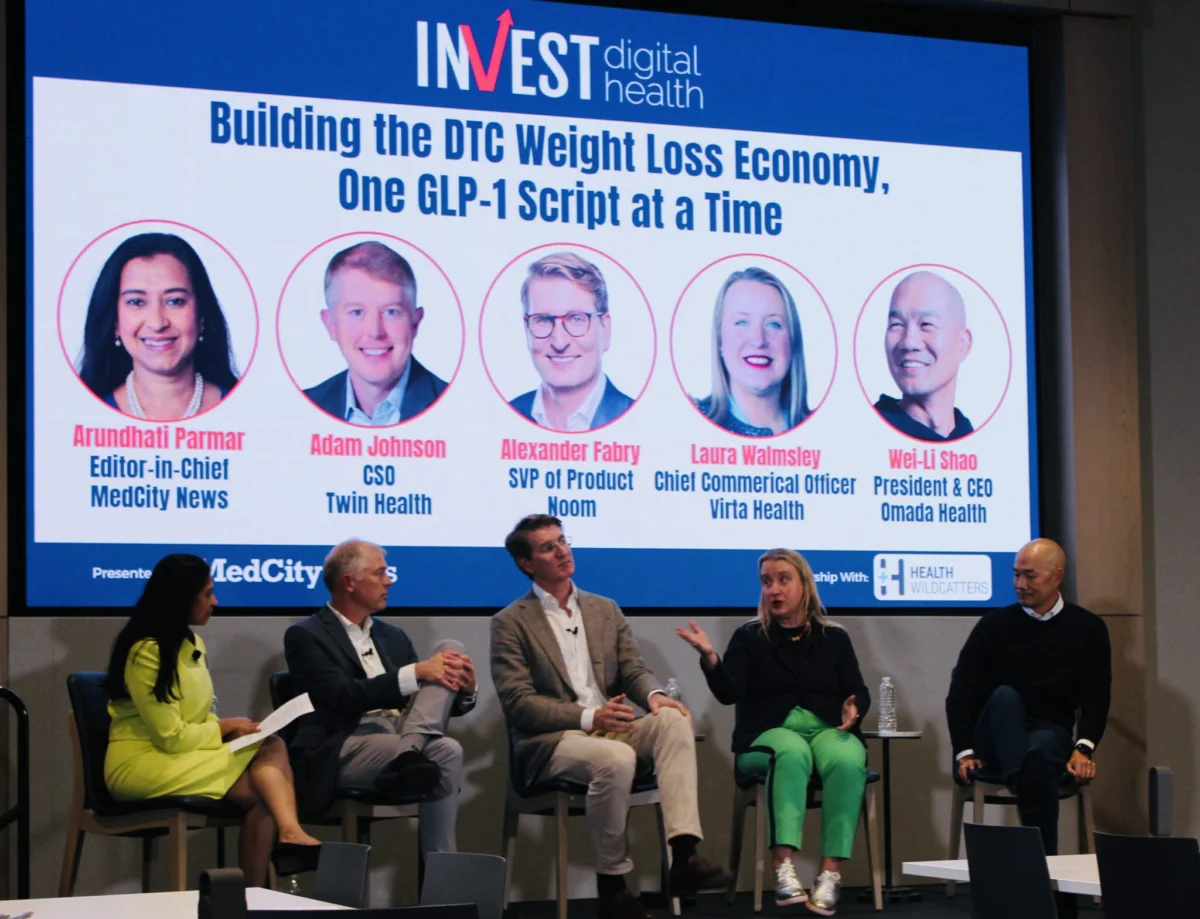
At the recent INVEST Digital Health conference in late October, executives from Noom, Virta Health, Omada Health, and Twin Health converged to discuss a critical pivot in the industry. The consensus among these leaders is that for GLP-1s to be truly effective, they must be paired with "digital companions"—holistic, data-driven support systems that treat the patient rather than just the condition.
The Problem: The High Cost of Pills Without Support
The initial excitement surrounding GLP-1s was fueled by the promise of rapid weight loss. However, the enthusiasm from payers—specifically self-insured employers—has begun to wane. The high price tag of these drugs, combined with questions regarding long-term clinical outcomes and the potential for weight regain upon cessation, has created a "GLP-1 hangover" for many benefit plans.
Furthermore, adherence rates in the "wild"—without professional oversight—are alarmingly low. Industry data suggests that roughly 65% of patients discontinue their GLP-1 therapy within the first year. This high drop-off rate not only wastes expensive medication but also denies the patient the sustained cardiometabolic health benefits that were the initial goal of the treatment.
Chronology: From Weight Loss to Metabolic Health
The trajectory of the weight-loss market has moved through three distinct phases:
- The Access Phase (2021–2022): The industry was characterized by a rush to provide prescriptions. Companies acted as digital "vending machines," prioritizing speed and ease of access to the new, highly effective drugs.
- The Adherence Phase (2023): As the drugs became ubiquitous, clinicians and payers realized that prescribing was not enough. Patients reported side effects and lifestyle struggles, leading to the current emphasis on behavioral support and coaching.
- The Cardiometabolic Integration Phase (2024–Present): We are currently witnessing a shift toward "multi-condition" management. Digital health companies are no longer selling weight loss; they are selling the resolution of comorbid conditions such as hypertension, type 2 diabetes, and musculoskeletal pain, using the GLP-1 as a catalyst rather than the sole intervention.
Supporting Data: Why "Wraparound" Services Matter
The data presented at the INVEST conference highlights a stark divide between standalone medication and guided therapy. Laura Walmsley, Chief Commercial Officer at Virta Health, provided a compelling case for the necessity of clinical support.
"GLP-1 compliance in the wild, without any of us supporting, is somewhere in the 35th percentile at one year," Walmsley noted. "That’s not dissimilar from insulin compliance or other major life-saving medications."
By contrast, Virta Health’s clinical model—which pairs nutritional support with medical oversight—boasts an engagement and compliance rate exceeding 80%. This suggests that the "companion" model does not just improve patient experience; it protects the clinical and financial investment made by the employer.
Official Responses: The Strategic Pivot
The executives on the panel represented diverse approaches, yet all shared a unified philosophy: "You didn’t come for a drug; you came for health."
Noom: The Consumer-Centric Approach
Alexander Fabry, VP of Healthcare Product at Noom, argued that the industry must stop treating GLP-1s as a stand-alone solution. "These are incredibly powerful drugs, but every GLP-1 should be used with a companion," Fabry stated. Noom’s strategy involves integrating doctor-led prescribing with their signature behavioral coaching, effectively bridging the gap between clinical intervention and daily lifestyle management.
Omada Health: The Multi-Condition Stack
Wei-Li Shao, President and incoming CEO of Omada Health, emphasized the economic reality of the enterprise market. With healthcare costs projected to reach record highs by 2027, Omada is positioning itself as an integrator. By addressing multiple conditions simultaneously—nutrition, exercise, and education—Omada creates a "compounded result." Shao argued that when one metabolic condition is improved, others follow, creating a multiplicative ROI for the employer.
Twin Health: The "De-prescribing" Goal
Twin Health offers a distinct, sensor-driven approach. By creating a "digital twin" of the patient, the company uses data from smart devices to provide highly personalized, real-time lifestyle recommendations. Adam Johnson, Chief Strategy Officer at Twin Health, introduced a goal that appeals strongly to skeptical employers: the possibility of weaning patients off medication. "We’re here to help you get enough impact that you no longer need it," Johnson noted, effectively positioning the company as a partner in long-term health rather than just a channel for drug distribution.
Implications: The Coming Wave of Consolidation
The most provocative moment of the conference occurred when the moderator challenged the panel: Will your companies even exist in three years?
The response was a candid admission of an impending market correction. While all four executives believe their specific platforms provide value, they collectively acknowledged that the current landscape is oversaturated.
The "Vending Machine" vs. The "Care Provider"
Wei-Li Shao was particularly blunt about the state of the market, identifying a spectrum of competitors. On one end are the "vending machines"—companies that merely facilitate prescription access. On the other end are the comprehensive care providers. Shao predicted that the "vending machines" will likely vanish within 36 months, as payers demand more than just a delivery mechanism for drugs.
Market Contraction
The consensus among the panelists is that the market is headed for a massive consolidation. Just as in previous waves of digital health innovation, the sheer volume of point solutions currently vying for employer contracts is unsustainable.
"No market can have as many entrants as this market has had in the last five years and not see consolidation in the future," Walmsley noted. This suggests that the winners of the next decade will be the companies that can successfully bundle multiple services—prescribing, coaching, nutrition, and data analytics—into a single, cohesive platform that justifies its cost to employers by delivering verifiable, long-term health outcomes.
Conclusion: The Future of Metabolic Health
The "GLP-1 era" is evolving. The initial gold-rush mentality is giving way to a more mature, evidence-based approach. Employers are no longer looking for simple access to the latest drugs; they are looking for partners who can manage the total cost of care.
For patients, this is a positive development. It shifts the burden from the individual, who is often expected to navigate complex diet and lifestyle changes in isolation, to a supported clinical environment. For the healthtech sector, the message is clear: the era of the "point solution" is ending, and the era of the "comprehensive cardiometabolic platform" has begun.
As the market inevitably consolidates, the companies that will survive are those that provide the most tangible evidence of success—not just in pounds lost, but in sustained health, reduced dependency on medication, and lower systemic costs. The "companion" isn’t just a marketing strategy; it is the infrastructure upon which the future of metabolic medicine will be built.