









For generations, the conventional wisdom regarding the common cold, the seasonal flu, or a bout of stomach flu has been simple: the virus enters, the body fights back, symptoms manifest, and eventually, the immune system wins. Once the fever breaks and the cough subsides, we consider ourselves "recovered." We return to work, resume our social lives, and assume our bodies have reset to their baseline state of health.
However, a groundbreaking study from the Infection Biology Laboratory at Pompeu Fabra University (UPF) in Barcelona is challenging this optimistic narrative. Published in the journal Cell Death & Disease, the research suggests that an "acute" viral infection may be far more than a transient inconvenience. Instead, it may leave behind a legacy of structural damage to the immune system that persists long after the virus has been cleared from the body. Most significantly, the study offers a compelling new argument for vaccination: it may not just prevent the illness itself, but preserve the long-term integrity of the body’s primary defense system.
The Illusion of Full Recovery: Investigating the Aftermath
To understand the long-term impact of viral infections, the UPF research team, led by ICREA research professor Andreas Meyerhans, turned to mouse models. In a controlled environment, the team observed how the immune system behaved during and after an acute viral infection.
The prevailing view in medicine has long been that once the viral load drops to zero and clinical symptoms vanish, the host has "recovered." But as Dr. Paula Cebollada Rica, the study’s lead author, points out, the absence of a virus does not necessarily equate to the presence of health. "The infection can be controlled, but that does not necessarily mean that the host has fully recovered," she notes. "Our findings show that the immune-related consequences of an acute viral infection can persist beyond the period in which the virus is detectable, leaving the animals in an immunocompromised state."
The researchers discovered that even after the mice successfully cleared the viral pathogen, their immune systems were fundamentally altered. These mice were significantly less capable of mounting a robust response when confronted with new, unrelated pathogens. Their immune defenses were not just "tired"—they were structurally and functionally impaired.
The Chronology of Immune Decline
The research team meticulously mapped the timeline of this immune degradation. The process begins during the height of the infection, when the immune system is working at its peak to neutralize the threat.
Phase 1: The Inflammatory Battle
As the body fights the virus, it triggers an intense inflammatory response. The spleen, a critical organ responsible for filtering the blood and coordinating the immune response, becomes a central battlefield. During this phase, the immune system recruits and activates a massive number of T cells—the "special forces" of the adaptive immune system that recognize and destroy infected cells.
Phase 2: The Structural Scarring (Fibrosis)
The researchers observed that the intense, prolonged mobilization of immune cells leads to a pathological change within the spleen. Specifically, the organ develops fibrosis—the buildup of excessive, scar-like connective tissue. This scarring is not merely cosmetic; it disrupts the precise architecture of the spleen. Under normal conditions, the spleen is a highly organized environment where T cells and other immune cells interact in specific zones to communicate and activate one another. Fibrosis essentially "clutters" this landscape, creating physical barriers that prevent immune cells from interacting effectively.
Phase 3: The Persistent Impairment
Once the virus is cleared, the spleen does not automatically return to its pre-infection state. The structural disruption persists. Consequently, when the body encounters a new threat, the T cells fail to activate efficiently because the "signaling network" within the spleen is fractured. This creates a lasting state of relative immunocompromise, leaving the organism vulnerable to secondary infections or diminished responses to future challenges.
Supporting Data: The Difference Vaccination Makes
The most striking component of the UPF study was the comparison between unvaccinated mice and those that had been vaccinated prior to exposure.
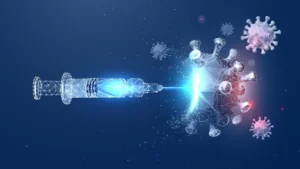
When the researchers introduced a vaccine to the cohort before the infection occurred, the results were transformative. The vaccinated mice did not show the splenic fibrosis seen in the unvaccinated group. Their spleens maintained their healthy, organized architecture, and their T-cell populations remained fully functional.
Essentially, the vaccine acted as a prophylactic shield not just for the body, but for the architecture of the immune system itself. By preparing the immune system to recognize and eliminate the virus rapidly, the vaccine prevented the prolonged, chaotic inflammatory battle that leads to splenic scarring. The vaccinated mice were able to clear the infection with such efficiency that the "collateral damage" to the spleen was entirely avoided.
Official Responses and Scientific Context
The implications of these findings have sent ripples through the immunological community. Andreas Meyerhans, the principal investigator, emphasizes that this study forces a reevaluation of how we categorize "acute" illnesses.
"There is a general perception that an acute viral infection is a relatively minor and transient event," says Meyerhans. "But this view may underestimate consequences that are not immediately visible and can persist long after the infection itself has resolved."
Dr. Cebollada Rica adds that the study highlights a "hidden benefit" of immunization. Often, public health communication focuses on the prevention of immediate symptoms—avoiding a high fever, hospitalization, or the risk of death. While these are critical, the UPF team argues that the preservation of immune capacity is an equally important, yet under-discussed, benefit of vaccination. By preventing the structural degradation of the spleen, vaccines ensure that the immune system remains "fit" and ready to tackle the next pathogen it encounters.
Broad Implications: Public Health and Policy
While the current research is limited to mouse models, the biological pathways involved are highly conserved, suggesting that humans may experience similar phenomena. If further studies confirm that human viral infections lead to comparable splenic or lymphoid structural damage, it would significantly alter our understanding of post-viral syndromes and general public health strategy.
1. Reframing Vaccine Advocacy
The study provides a powerful new narrative for public health officials. Instead of solely emphasizing the prevention of "bad days" or sick leave, advocates can highlight the role of vaccines as a form of "immune maintenance." Vaccination, in this light, is a way to preserve the long-term integrity of the body’s defense architecture.
2. A Call for Evidence-Based Policy
The research arrives at a time when global vaccination efforts have faced significant political scrutiny and misinformation. Meyerhans is vocal about the need for scientific literacy in policy-making. "It is important that people are aware of the broader protection that vaccination can provide and continue to trust in vaccines as one of the most effective tools to prevent diseases," he notes. "Put simply, vaccines provide strong health benefits at a relatively low cost to society."
3. Future Research Directions
The scientific community will now likely pivot to investigating whether these "hidden" immune scars are reversible. If the spleen can be damaged by an acute infection, is there a way to promote the healing of lymphoid tissue after an infection has cleared? Furthermore, researchers will look to human longitudinal studies to determine if individuals who receive consistent vaccinations show lower markers of immune aging or systemic inflammation compared to those who have frequent, unprotected infections.
Conclusion: The Long View of Health
The findings from Pompeu Fabra University serve as a humbling reminder of the complexity of the human body. For years, we have treated viral infections as isolated, temporary events. The evidence now suggests that these infections may leave "invisible scars" that compromise our future resilience.
By viewing vaccination through the lens of long-term immune health, we gain a deeper appreciation for its role in our lives. Vaccines do not just keep us from feeling sick today; they may be essential for keeping us healthy for the years that follow. As science continues to uncover the intricate ways our immune systems interact with our environment, one thing remains clear: the best way to win a battle is to avoid the kind of war that leaves your defenses in ruins.