









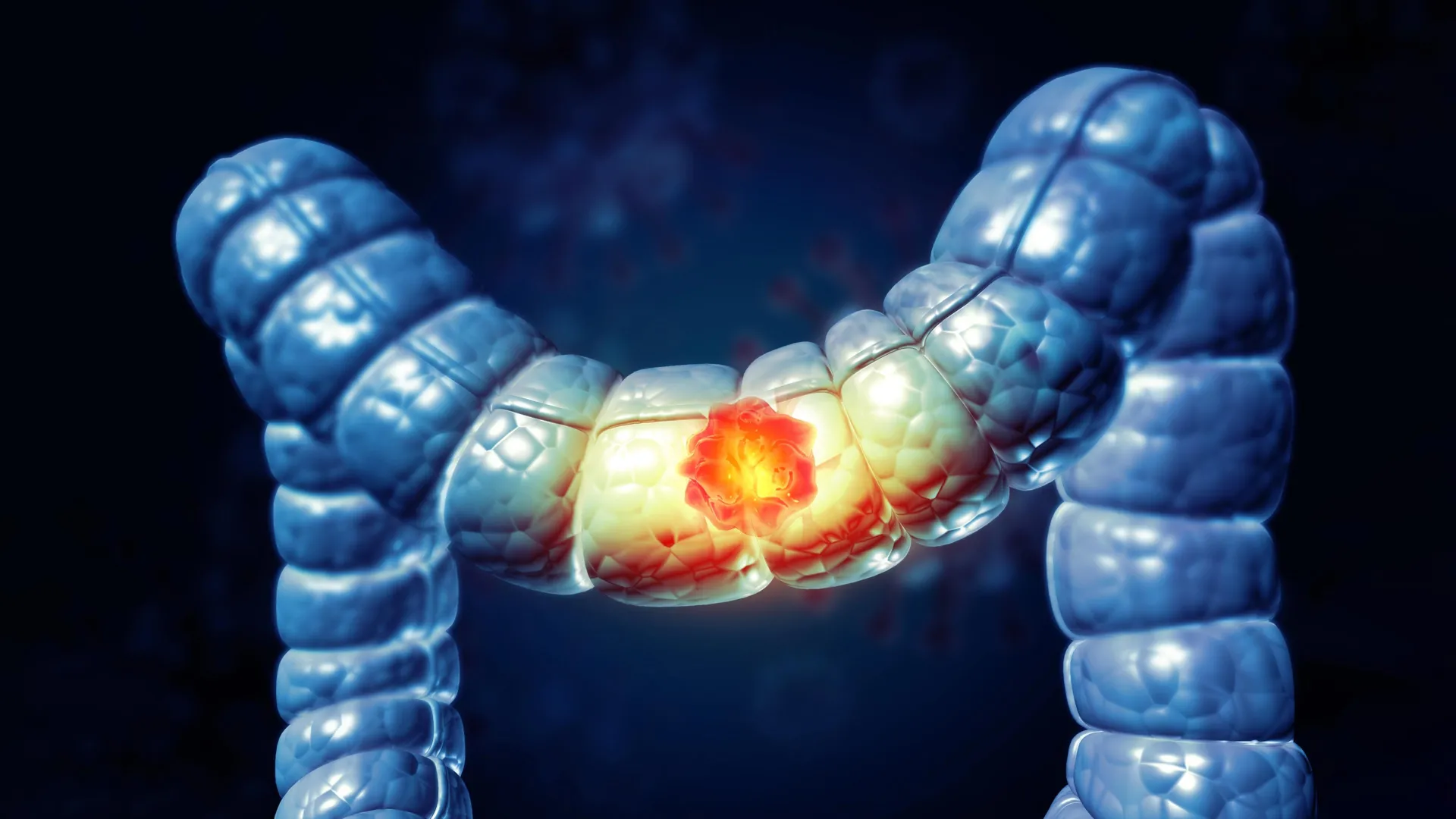
For over two decades, the United States celebrated a steady, reassuring decline in colorectal cancer (CRC) incidence. Public health initiatives, coupled with advancements in screening technology, had successfully turned the tide against one of the deadliest malignancies in the country. However, recent data published in NEJM Evidence suggests that this hard-won progress has hit a precarious wall. For the first time in more than 20 years, national colorectal cancer rates are climbing, a phenomenon that is no longer confined to younger adults but is now manifesting across nearly every age demographic under 70.
As colorectal cancer remains the second leading cause of cancer-related deaths in the United States—and the leading cause among those under 50—this shift represents a significant public health alarm. The implications of this reversal extend beyond clinical outcomes, threatening to place unprecedented pressure on a healthcare system already grappling with the long-term care needs of an aging population.
The Turning Point: A Statistical Reversal
To quantify this shift, a research team led by Dr. Caitlin Murphy, a Professor of Pediatrics and Public Health Sciences at the University of Chicago, conducted an exhaustive analysis of data from the National Cancer Institute spanning from 2000 to 2023.
The numbers paint a stark picture of a trajectory interrupted. In the year 2000, the age-adjusted colorectal cancer incidence rate stood at 55.2 cases per 100,000 people. Through sustained public health efforts, that figure plummeted, reaching a low point of 36.7 by 2022. Yet, the data for 2023 shows a sudden, worrying uptick to 38.3 cases per 100,000.
"This is the first time that we have seen an increase in the overall rate in more than 20 years," Dr. Murphy noted. The significance of this reversal cannot be overstated; it signals that the environmental, biological, or behavioral factors fueling this disease are overcoming the protective measures that have defined American oncology for a generation.
The "Birth Cohort Effect" and Generational Risk
One of the most compelling aspects of the research is the identification of a "birth cohort effect." Dr. Murphy, an epidemiologist specializing in CRC patterns, suggests that the surge is not random but follows a specific generational progression.
The birth cohort effect posits that individuals born during the same historical period share environmental exposures, dietary habits, and lifestyle factors that create a unique risk profile as they age. In this instance, the data indicates that people born in the 1960s and the decades that followed are facing an elevated risk of developing colorectal cancer as they enter middle age and beyond.
"I think of a birth cohort effect as the interaction of age and time," Dr. Murphy explained. "As people born around the same time move through time and age together, we’re going to see more colorectal cancers being diagnosed." This suggests that the "early-onset" cancer wave observed in millennials and Gen X is now "moving up" the age bracket, cementing itself as a systemic issue rather than an anomaly limited to the young.
Dissecting the Data: Why Screening Isn’t the Whole Story
A critical component of the study was isolating the impact of changes in medical guidelines. Between 2019 and 2023, the incidence of colorectal cancer among adults aged 45 to 49 rose by 12.76% annually—the sharpest increase in the study.
At first glance, this might appear to be a byproduct of the American Cancer Society’s decision to lower the recommended screening age from 50 to 45. Increased screening naturally leads to a higher volume of early-stage detections. However, researchers are quick to clarify that screening alone cannot explain the national rise.
The study highlights that rates are also climbing among adults aged 65 to 69—a group that has historically enjoyed high screening adherence, with approximately 80% of this population currently up-to-date with testing. Furthermore, the decline in incidence among those aged 70 to 74 has effectively stalled. Because these older cohorts were already being screened at high rates, the rise in their incidence suggests that external risk factors—factors that transcend testing frequency—are actively working against medical intervention.
To rule out the "noise" of the COVID-19 pandemic, the team conducted a sensitivity analysis, removing data from 2020 and 2021 to account for potential diagnostic backlogs. The upward trend remained statistically significant, reinforcing the conclusion that the increase is a genuine epidemiological shift.
The Search for Causes: Environment and Biology
With screening efficacy essentially neutralized as a sole explanation, the scientific community is turning its attention to potential environmental triggers. The question remains: What has changed in the environment or the daily lives of Americans that would cause this spike across multiple generations?
Dr. Sonia Kupfer, Director of the Gastrointestinal Cancer Risk and Prevention Clinic at UChicago Medicine, emphasizes that understanding the root cause is the immediate priority. "These results motivate us to understand reasons for this rise, so risk factors can be identified and possibly reduced," she stated.
In a pioneering effort to find these answers, Dr. Murphy’s team has partnered with Dr. Xin Hu, a toxicologist at Emory University. Their methodology is high-tech and multifaceted:
- Exposome Analysis: The team is analyzing blood samples for evidence of thousands of environmental chemical exposures simultaneously, aiming to identify chemical signatures that correlate with CRC risk.
- Organoid Modeling: Once suspicious substances are identified, Dr. Kupfer and her team will utilize "organoids"—laboratory-grown, miniature versions of the human colon. By exposing these tissues to identified chemicals, researchers can observe biological responses in a controlled, clinical environment.
This bridge between toxicology and gastroenterology is essential. It moves the conversation from mere observation to mechanistic understanding, potentially uncovering links between modern pollutants, diet, or microbiome changes and the development of precancerous lesions.
Implications for the Healthcare System
The societal and economic consequences of this trend are profound. Should the current trajectory continue, the healthcare system faces a looming crisis. A higher incidence of colorectal cancer implies a greater need for chemotherapy, radiation, surgery, and long-term surveillance.
Moreover, the psychological and physical burden on patients diagnosed at younger ages is distinct. These individuals are often in the prime of their careers and raising families, necessitating not just oncological care, but a robust framework of social and psychological support.
"There are many unique challenges when you’re diagnosed with cancer at a young age, so it’s important that we shine a spotlight on that problem," says Dr. Murphy. "But in terms of understanding the root cause, I think our study shows that we can consider that whatever might be causing colorectal cancer in younger people is now also causing it to increase in older people as well."
Vigilance: What Patients Should Do
In light of these findings, the medical community is doubling down on the importance of screening and symptom awareness. While colonoscopy remains the "gold standard" for detection and prevention, the options have expanded.
- Screening Options: Patients should consult their physicians about the full spectrum of available tests, including at-home stool-based kits and blood-based screenings, which offer less invasive alternatives to colonoscopies for those at average risk.
- Symptom Awareness: Dr. Kupfer stresses that patients, regardless of age, must not be complacent. The "not old enough for cancer" mindset can be fatal. Any persistent changes in bowel habits, the presence of blood in the stool, or unexplained, rapid weight loss should be treated as a red flag, regardless of whether the patient has reached the age of 45.
Looking Toward the Future
The research team remains committed to longitudinal monitoring, acknowledging that as more registry data becomes available, the full scope of this trend will become clearer. This is a call to action for policy makers, clinicians, and the public alike.
The University of Chicago’s commitment to addressing this challenge is evidenced by the upcoming opening of the AbbVie Foundation Cancer Pavilion in 2027. This facility aims to integrate advanced diagnostics with cutting-edge research, serving as a beacon for the next phase of cancer care in a city—and a nation—that must now confront a re-emerging threat.
The reversal of the colorectal cancer decline is a sobering reminder that public health victories are not permanent. As we wait for the results of the ongoing toxicological and epidemiological studies, the message remains clear: the fight against colorectal cancer has entered a new, more complex phase. Vigilance, early detection, and a relentless commitment to scientific discovery are no longer just recommended—they are an absolute necessity for the health of future generations.