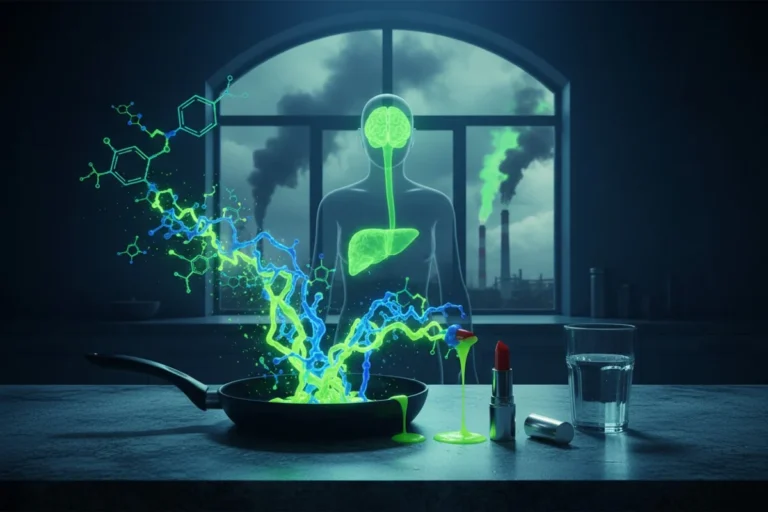










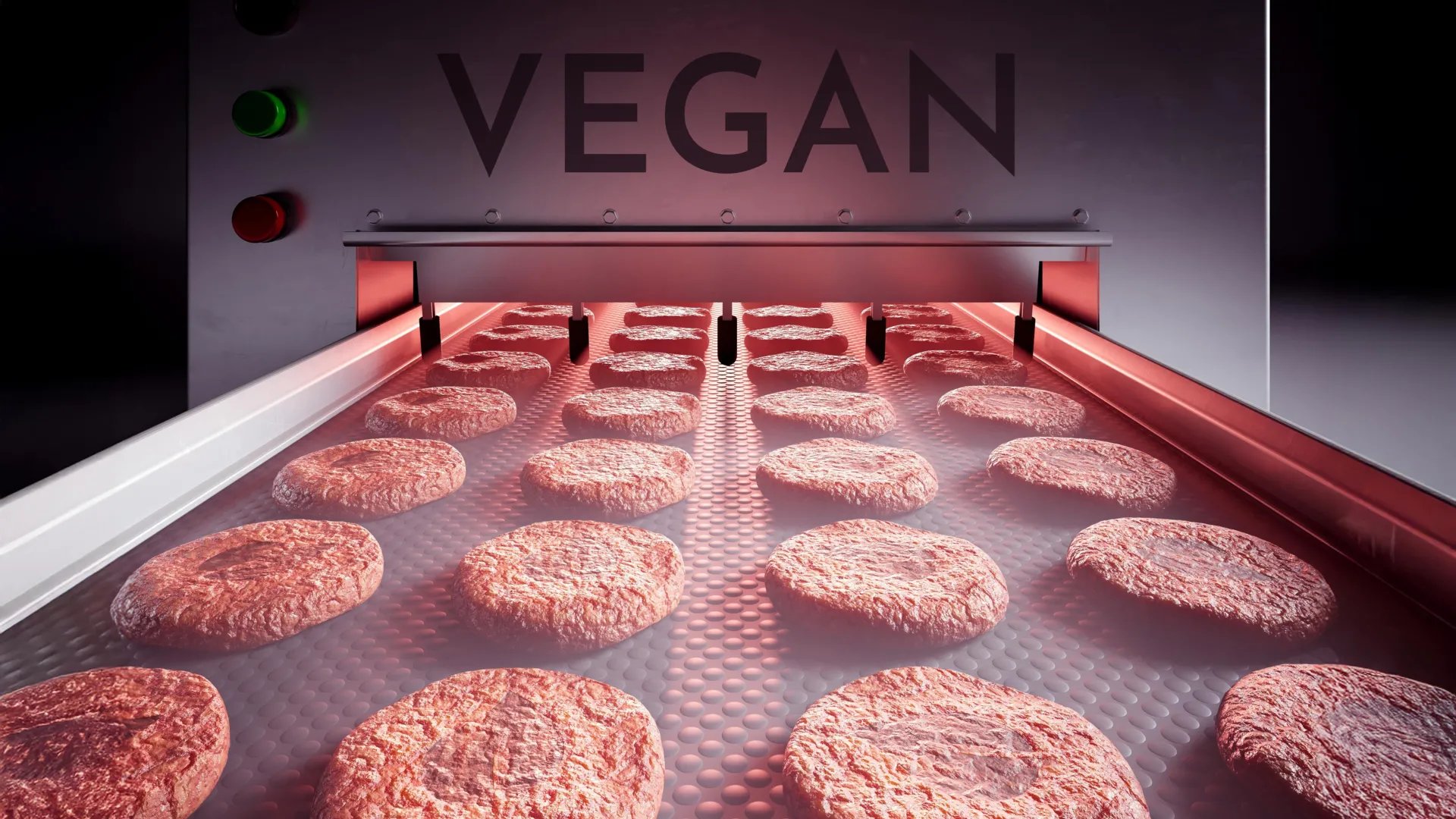
As the global appetite for plant-based diets shifts from a niche lifestyle choice to a mainstream culinary phenomenon, the UK food industry has seen an explosion in the availability of meat and dairy alternatives. From high-tech vegan burgers to oat-based lattes, these products are designed to satisfy both ethical concerns and the modern palate. However, a groundbreaking study recently published in the journal Food Control has brought a hidden, naturally occurring concern to the surface: the presence of mycotoxins in virtually every plant-based product on the market.
The investigation, a collaborative effort between researchers at the University of Parma in Italy and Cranfield University in the UK, analyzed 212 vegetarian and vegan products. The results were striking: every single item tested contained at least one of 19 different mycotoxins. While these findings might sound alarming to the health-conscious consumer, experts urge a nuanced understanding of the data, emphasizing that the presence of these compounds does not necessarily equate to immediate danger.
The Main Facts: What Are Mycotoxins?
Mycotoxins are secondary metabolites—essentially chemical byproducts—produced by certain types of fungi, including various molds. Unlike bacteria or viruses, which are living organisms, mycotoxins are stable chemical substances. They do not imply that a food item is "moldy" or spoiled in the traditional sense; rather, they are a byproduct of fungal growth that may have occurred long before the product reached the supermarket shelf.
The contamination typically occurs during the agricultural lifecycle. Crops such as grains, legumes, and seeds—the primary building blocks for plant-based meat alternatives (PBMAs) and plant-based beverages (PBBs)—are vulnerable to fungal infection during growth, harvesting, or storage. Once these raw materials are contaminated, the toxins can persist even through the rigorous processing required to turn them into vegan sausages, chicken-style pieces, or nut milks.
The study analyzed a broad spectrum of products available on UK supermarket shelves. By evaluating items like soy milk, almond beverages, oat-based drinks, and various soy- or pea-protein-based meat substitutes, the researchers sought to map the prevalence of these toxins in the modern, plant-reliant diet.
Chronology and Scope of the Investigation
The research project, titled "Mycotoxin contamination in plant-based beverages and meat alternatives: A survey of the UK market," was conducted as part of the European Union-funded Horizon Europe FunShield4Med project.
Phase 1: Market Selection and Sampling
The researchers curated a diverse basket of 212 products commonly purchased by UK consumers. This included highly processed meat alternatives (burgers, nuggets, sausages) and various plant-based beverages. The goal was to provide a representative snapshot of the current consumer experience.
Phase 2: Analytical Testing
Using advanced chromatographic techniques, the scientists screened for 19 different mycotoxins. The primary objective was to determine not only the presence of these toxins but also their concentration levels.
Phase 3: Risk Assessment and Regulatory Benchmarking
Once the data was collected, the team compared the concentrations found in the samples against current European Union food safety guidelines. This step was crucial for distinguishing between the mere presence of a substance and the potential for a public health crisis.
Supporting Data: Why "Natural" Doesn’t Always Mean Harmless
One of the most significant takeaways from the study is the distinction between "detectable" and "harmful." In the context of food safety, the dose—or the cumulative concentration—is the primary determinant of risk.
The researchers identified that while 100% of the products tested contained at least one mycotoxin, every single sample fell below the established EU regulatory thresholds. For the consumer, this is a reassuring signal: the UK food industry, despite the prevalence of these toxins, is operating within the safety margins defined by rigorous regulatory bodies.
However, the data also highlighted a "cocktail effect." Many products contained multiple types of mycotoxins simultaneously. While each individual toxin may have been within safe limits, the interaction between different toxins and the implications of cumulative, long-term exposure remain subjects of ongoing scientific debate.
The Challenge of Multi-Ingredient Products
Modern plant-based products are often complex, multi-ingredient formulations. A single vegan burger might contain pea protein, soy lecithin, wheat gluten, and various seed oils. Each of these ingredients originates from different agricultural sources, each with its own history of potential fungal exposure.
As the University of Parma and Cranfield University researchers noted, this complexity makes risk assessment significantly more difficult. Traditional food safety monitoring often evaluates ingredients in isolation. When those ingredients are combined into a finished product, the overall contamination profile becomes a "moving target." This study provides a vital framework for safety organizations to begin assessing risks for these complex, multi-ingredient foods, which are becoming a staple of the western diet.
Official Responses and Scientific Perspectives
Andrea Patriarca, Senior Lecturer in Mycology at Cranfield University, has been at the forefront of this research. His stance is one of caution without alarmism.
"Mycotoxins occur naturally in foods and cannot be completely avoided," Patriarca explained. "As consumers, we should not be frightened or deterred from enjoying a variety of products."
Patriarca emphasizes that the goal of the study is not to stigmatize plant-based eating, but to improve the regulatory oversight that currently lags behind the rapid innovation in the food industry. He points out that while established foods like wheat or corn have long-standing monitoring protocols for mycotoxins, many of the newer "alternative" ingredients have not yet been subjected to the same level of granular scrutiny.
"We collaborate closely with various sectors in the food industry, from farmers to food companies, to help implement effective mycotoxin management integrated within food safety standards," he stated. The research team is now working to provide policymakers with the data necessary to develop more robust monitoring systems that keep pace with the evolving market.
Implications for Public Health and Future Policy
While current levels are deemed safe, the scientific community is shifting its focus toward the concept of cumulative exposure. If a consumer relies heavily on plant-based products, they may be ingesting a consistent, albeit low, level of mycotoxins across multiple meals throughout the day, every day of the week.
The Long-Term View
At high concentrations, certain mycotoxins are known to be nephrotoxic (damaging to the kidneys), hepatotoxic (damaging to the liver), and potentially carcinogenic. While the levels in the UK market are nowhere near the thresholds associated with acute toxicity, the long-term, low-dose effect is a subject that warrants further investigation.
Recommendations for Industry
The researchers suggest that the solution lies further up the supply chain. By monitoring raw materials more effectively—before they are processed into final products—manufacturers can better manage risk. This involves:
- Improved Storage: Ensuring that grains and legumes are kept in moisture-controlled environments to prevent fungal growth.
- Enhanced Testing: Implementing rapid testing for mycotoxins at the intake stage for food manufacturers.
- Regulatory Updates: Developing specific guidelines for plant-based, multi-ingredient products that account for the cumulative presence of various toxins.
Advice for Consumers
For the average consumer, the message is clear: there is no immediate reason to change one’s diet. The study underscores that "nature" includes a variety of chemical compounds, and the regulatory infrastructure in place is currently doing its job of keeping these levels within safe bounds.
However, for those who consume an exclusively plant-based diet, the findings serve as a reminder of the importance of dietary diversity. By eating a wide variety of plant foods—rather than relying on a small handful of highly processed meat substitutes—consumers can mitigate the risk of excessive exposure to any single type of contaminant.
Conclusion: A Call for Continued Vigilance
The study published in Food Control is a significant step forward in our understanding of the modern food supply. By quantifying the presence of fungal toxins in plant-based products, the researchers have provided a baseline that will inform food safety policies for years to come.
As the industry continues to innovate, the relationship between agricultural practices and food safety must remain a top priority. The collaboration between the University of Parma and Cranfield University is not the end of the conversation, but rather the beginning of a more rigorous, evidence-based approach to the plant-based food revolution. For now, the takeaway is one of cautious optimism: our food supply is safe, but as our eating habits evolve, so too must our understanding of what exactly is on our plates.