









Published: November 19, 2026
In an era defined by the "go-go-go" mentality, where professional obligations and personal digital connectivity often bleed into one another, the human nervous system is frequently pushed to its operational limit. While yoga is not a panacea for the structural complexities of modern life, it serves as a critical neurological reset button. When the weight of daily chaos becomes overwhelming, the yoga mat offers a dedicated, neutral space for physiological and psychological regulation.
By integrating intentional movement with the principles of Yin yoga, practitioners can effectively dampen the sympathetic nervous system—the body’s "fight or flight" response—and invite a state of parasympathetic dominance, characterized by rest and digestion. This article outlines a 10-minute, pared-down yoga practice designed not as a strenuous exercise regimen, but as a restful beat in a high-tempo day.
The Physiological Imperative: Why We Must Retrain the Body
The primary obstacle for most individuals in high-stress environments is the psychological resistance to slowing down. Decades of conditioning have taught many to equate stillness with unproductivity. However, neuroscientific research suggests that the brain requires periods of "non-doing" to process information and maintain cognitive health.
This gentle yoga sequence is essentially a retraining program for the nervous system. By deliberately lowering the heart rate, regulating respiratory patterns, and engaging in intentional, low-impact movement, the practitioner reminds the body that it is safe to exit the hyper-aroused state. This is not about achieving the perfect pose; it is about cultivating an internal landscape of calm that can be accessed even when the mat is rolled away.
Chronology of the Practice: A Step-by-Step Guide
For this 10-minute session, you will need minimal equipment. However, having a bolster, a firm pillow, or a yoga block nearby is recommended to ensure maximum comfort and support, which are essential for deep relaxation.
1. Child’s Pose Variation (Rock Pose)
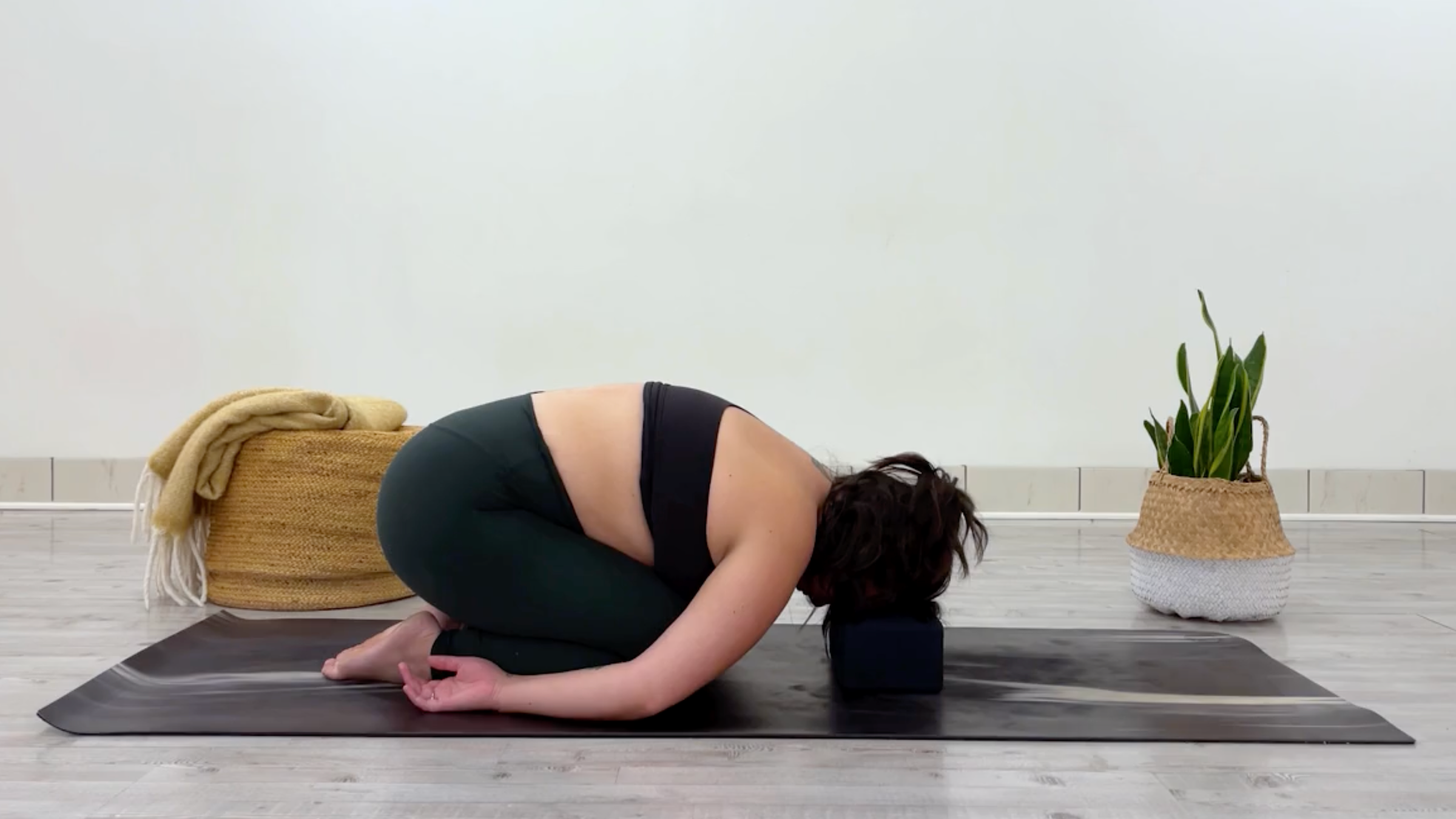
Begin in a variation of the traditional Child’s Pose, often referred to as Rock Pose. Sit back on your heels, ensuring your toes are untucked and your legs are parallel. Gently hinge forward, rounding the upper body over the thighs. Allow your forehead to make contact with the mat or a yoga block for stability. Drape your arms alongside your body, palms facing upward to encourage the opening of the chest and shoulders. Hold this for one to three minutes.
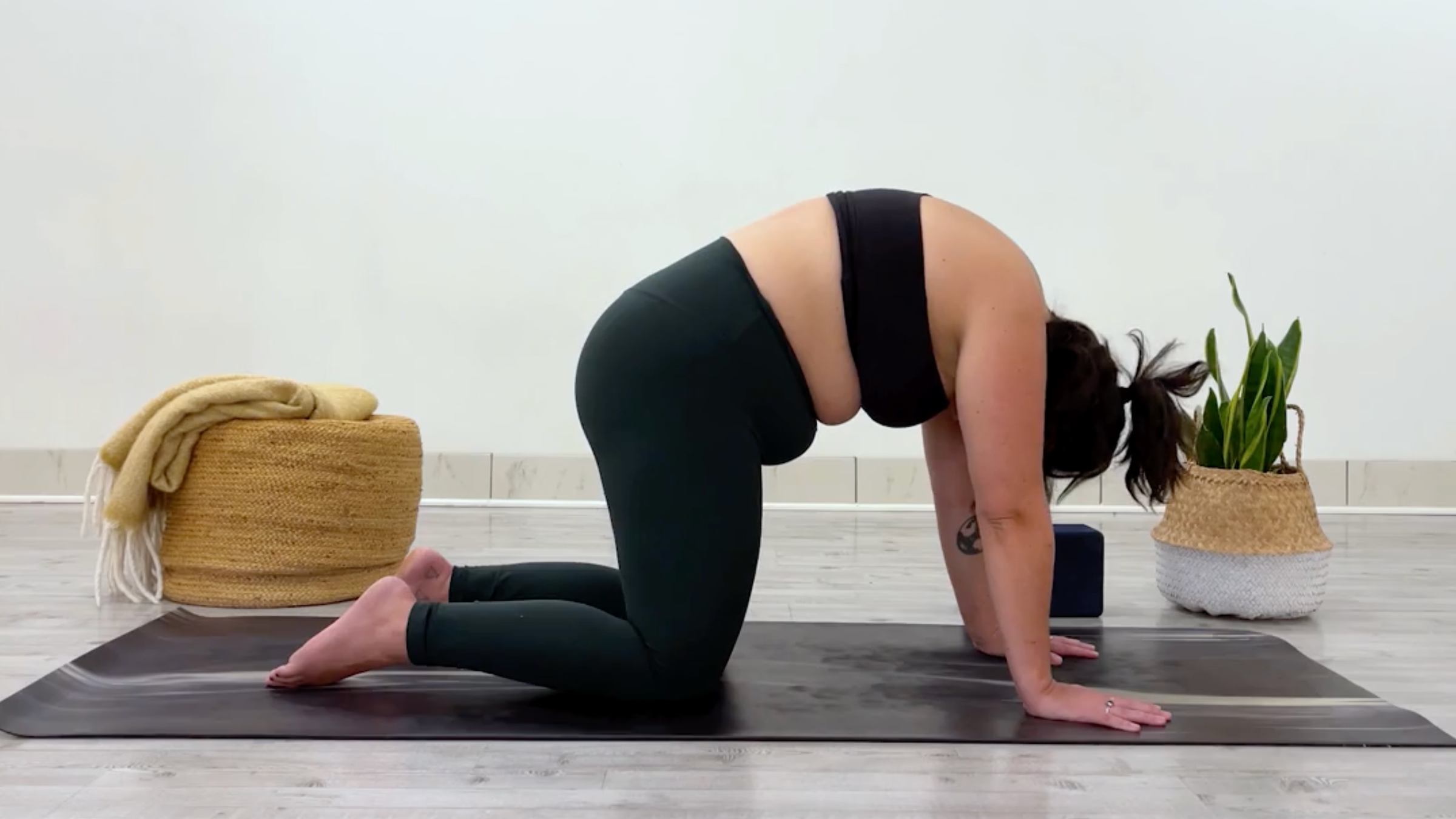
2. The Cat-Cow Flow
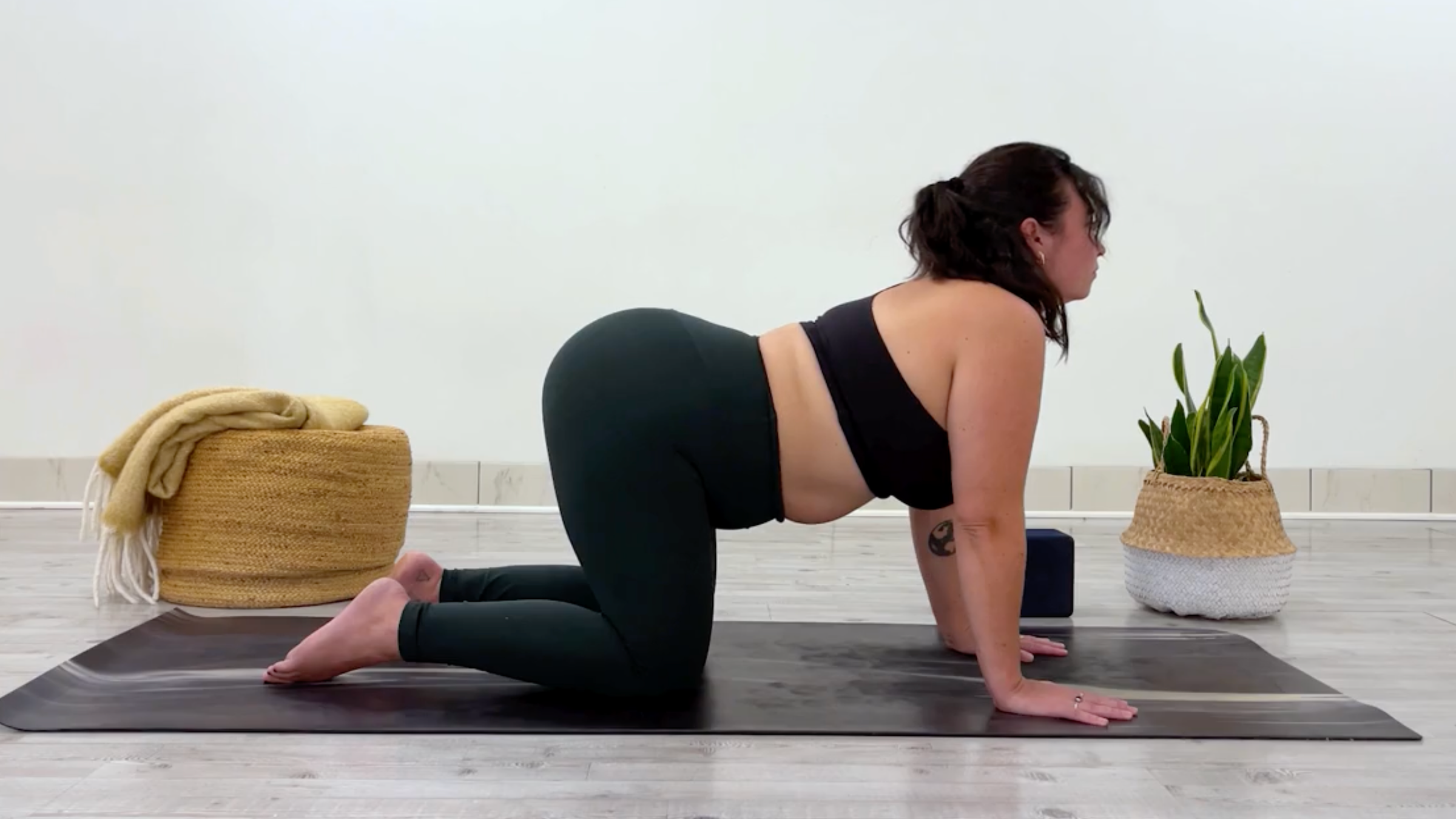
Transition to a tabletop position on your hands and knees. As you inhale, drop the belly, lift the chest, and gaze upward, entering Cow Pose. On the exhale, round the spine toward the ceiling, tucking the chin to the chest to enter Cat Pose. Repeat this sequence three times, synchronizing the movement strictly with the pace of your breath to encourage mindfulness.
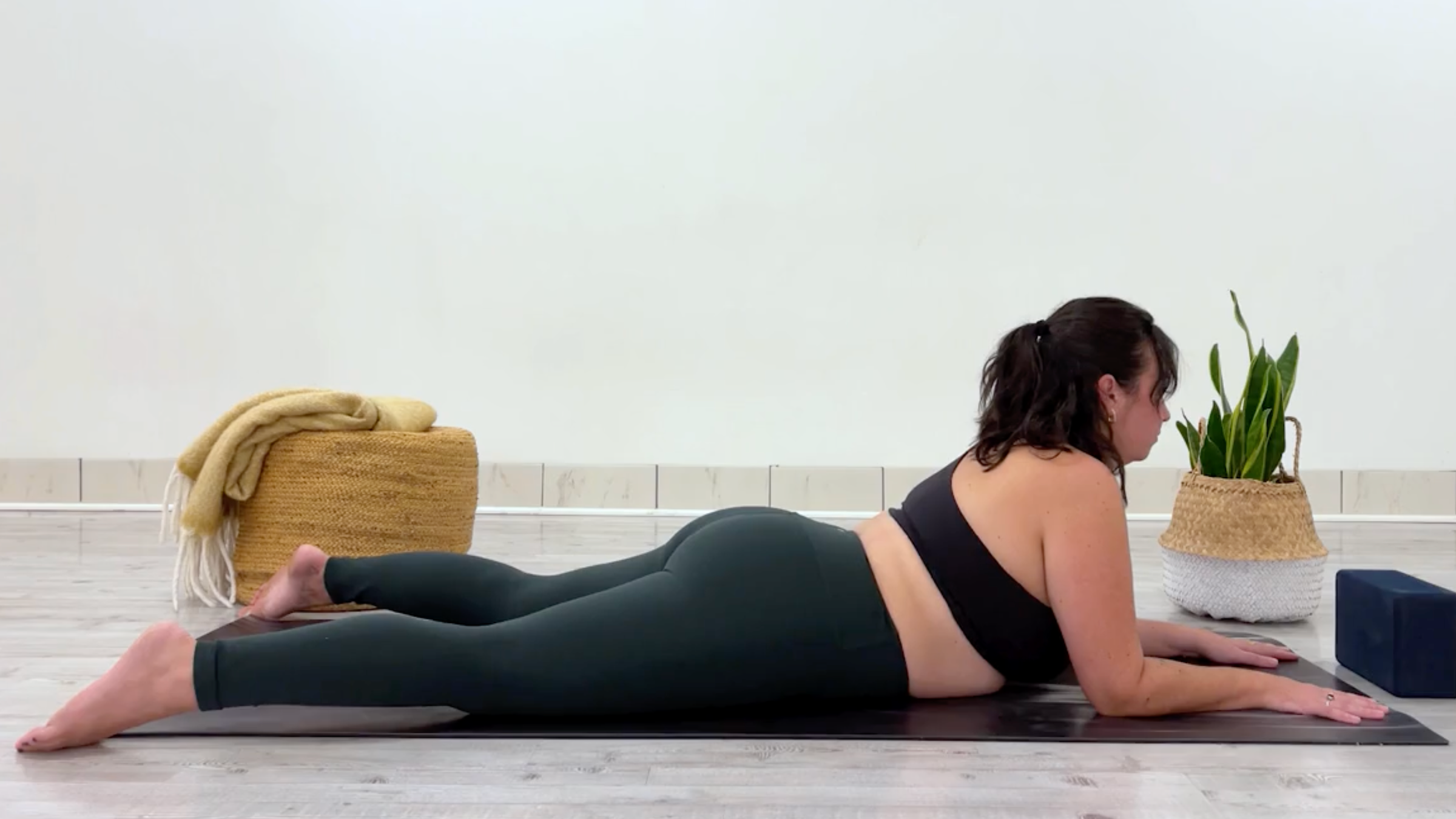
3. Sphinx Pose: Sustained Spinal Extension
Lower your torso to the floor. Extend your legs behind you, widening your feet to the back corners of your mat. Place your elbows directly underneath your shoulders. If you experience tension in the lower back, move your elbows slightly forward to create a shallower arc. Press into your forearms to lift the chest. For added comfort, place a yoga block on its highest setting at an angle to support your forehead. Hold for one to three minutes.
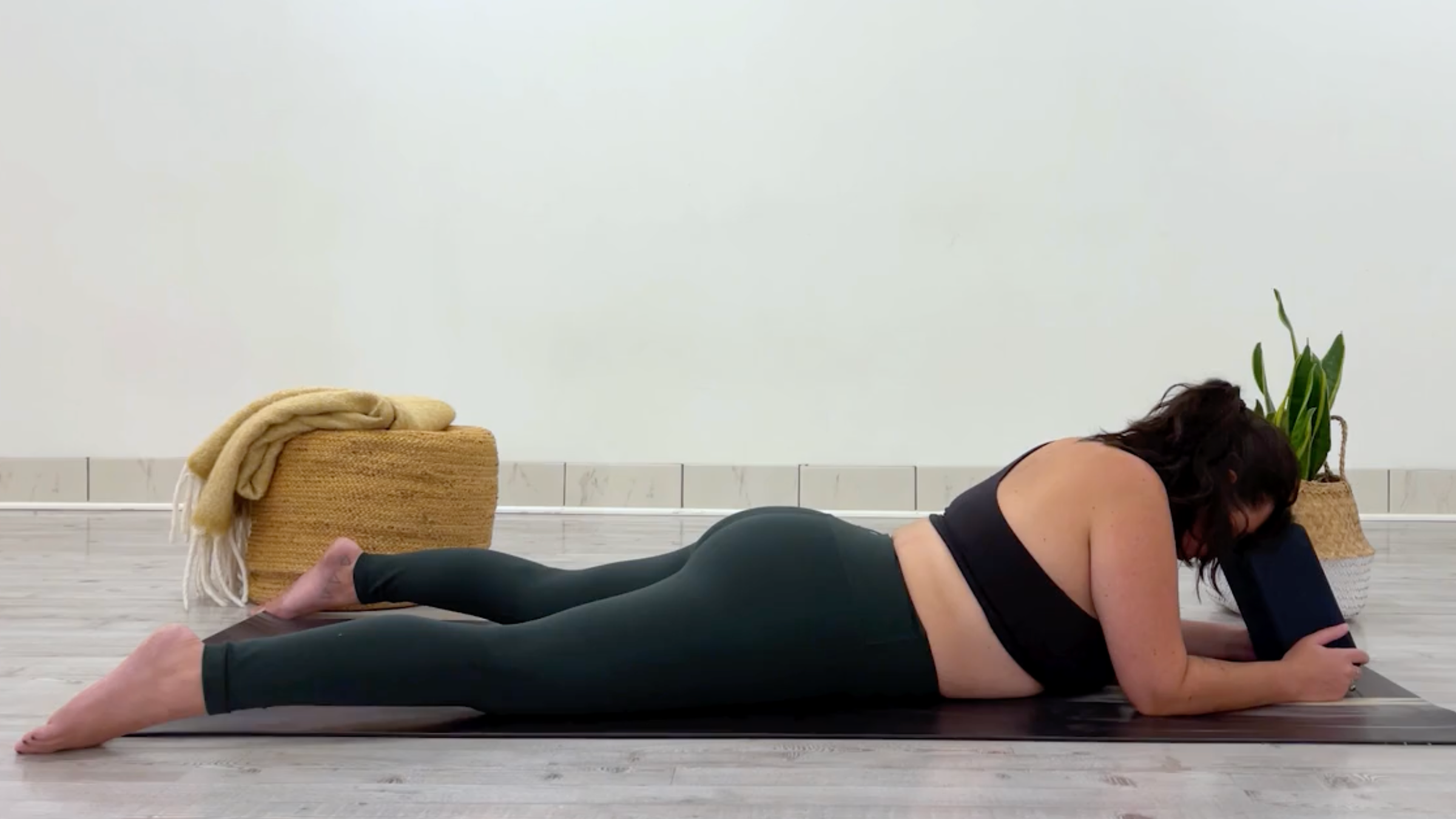
4. Crocodile Pose: Transitional Grounding
Remain in a prone position. Stack your hands, bend your elbows so they point toward the edges of the mat, and rest your forehead on the backs of your hands. This is a neutral position designed for grounding. Take two full, expansive breaths here, feeling the ribcage press against the floor.
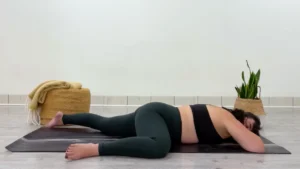
5. Half Frog Pose
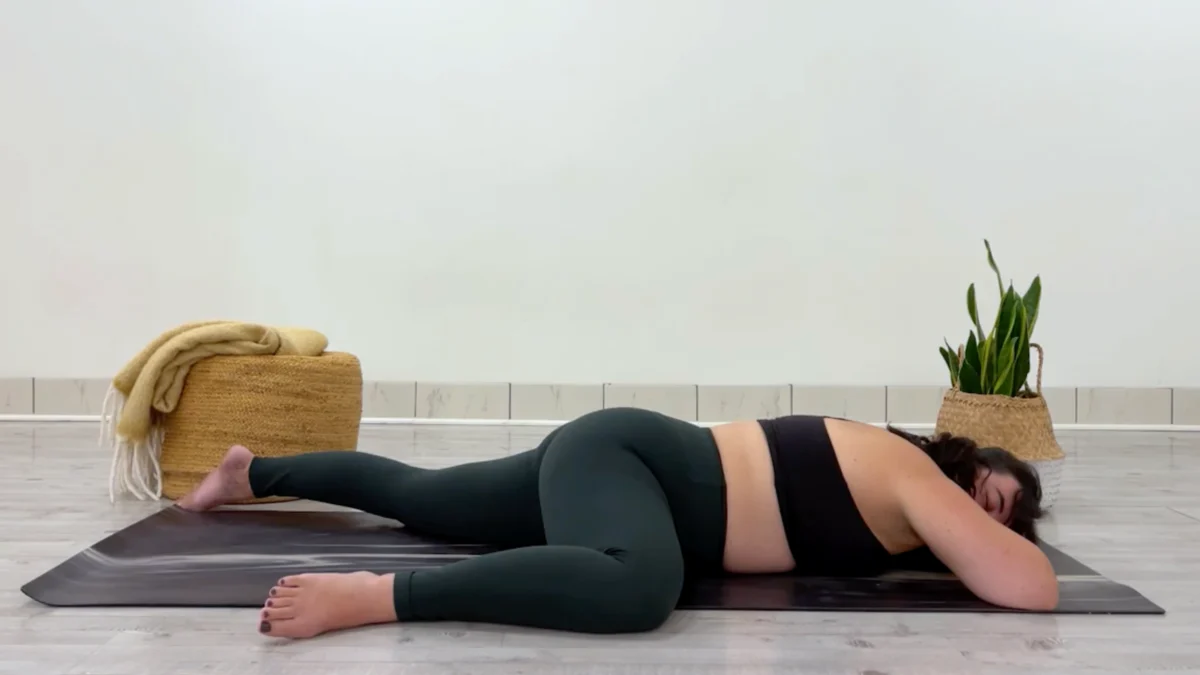
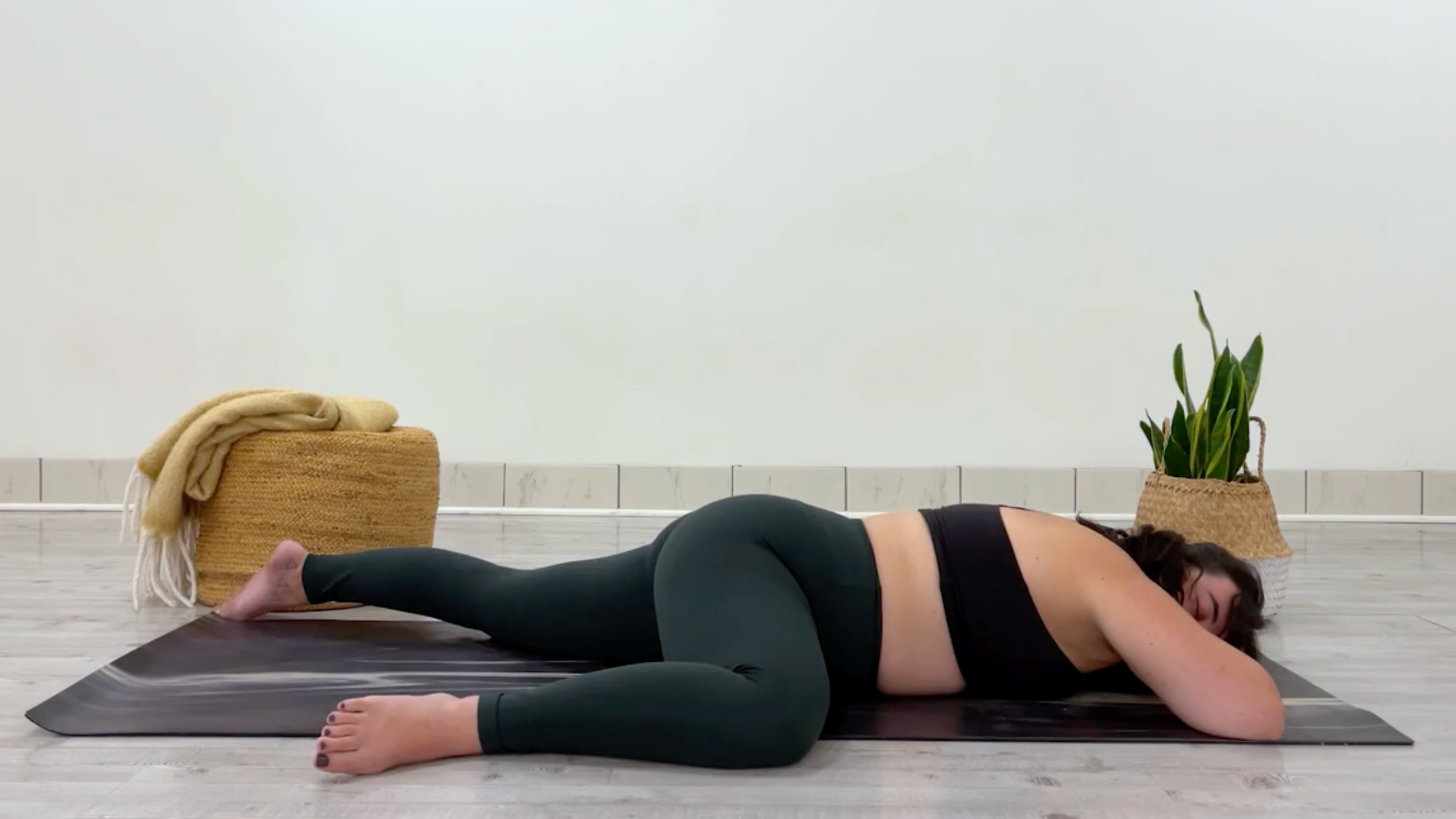
Slide your right knee out to the side until it is roughly in line with your hip. Ensure the right leg forms a 90-degree angle, with the inner thigh and calf facing the mat. Maintain a neutral spine while resting your forehead on your stacked hands. Stay here for one to three minutes, then repeat the process on the left side.
6. Reverse Savasana
Conclude the practice by extending both legs long behind you. Drape your arms by your sides, palms facing upward. Allow your shoulders to naturally round toward the ground. Turn your head in either direction and release all muscular effort. This is your final rest; remain here for three to five minutes, simply observing the breath without intervention.
Supporting Data: The Science of Intentional Rest
The effectiveness of this 10-minute protocol is grounded in the science of restorative movement. Studies in psychophysiology have demonstrated that even short periods of guided relaxation—often termed "micro-breaks"—can significantly reduce cortisol levels.
When a practitioner holds a pose for one to three minutes, as is the case in this Yin-inspired sequence, the body begins to move beyond superficial muscular stretching and into the realm of fascia and connective tissue release. This release is often accompanied by an emotional "letting go," as the physical body is a primary site for the storage of chronic stress. By consistently utilizing these techniques, practitioners can shift their baseline stress levels over time, moving from a state of reactive stress to one of proactive resilience.
Professional Perspectives and Expert Commentary
Leading yoga therapists and wellness experts emphasize that the success of such a practice lies in the "intention of the effort." Instructor Taylor Lorenz notes that the difficulty is rarely the physical demand of the poses, but rather the internal discipline required to remain still.
"The goal is not to perform a sequence perfectly," says one wellness consultant familiar with the protocol. "The goal is to move with intention. When we treat our yoga practice as just another task to check off a to-do list, we miss the point. We are trying to cultivate a state of being, not a state of doing."
This approach aligns with current public health recommendations, which advocate for the integration of mindfulness and somatic movement as part of a holistic approach to mental health. The medical community increasingly recognizes that restorative practices are not "alternative" but are essential components of preventive care for those living in high-stress, high-velocity environments.
Implications for Daily Living
The implications of adopting a short, daily gentle yoga practice are significant. By "retraining the body" to recognize moments of calm, individuals can eventually trigger this relaxation response during the middle of a workday, even without a yoga mat.
The transition from a "go-go-go" state to one of intentional, regulated breathing acts as a buffer against burnout. Furthermore, the practice of Reverse Savasana—a position of complete surrender—teaches the nervous system that safety is not dependent on constant vigilance. As the practitioner becomes more accustomed to these pockets of stillness, they may find that their capacity to handle external stressors increases, their sleep quality improves, and their overall emotional equilibrium remains more stable throughout the week.
In conclusion, this 10-minute routine is an accessible, evidence-based tool for anyone looking to navigate the turbulence of 2026. By prioritizing these few minutes of gentle, supported movement, you are not merely practicing yoga; you are actively investing in your long-term psychological and physical well-being. The mat is, and always will be, a safe place to land.