





The holiday season is paradoxically defined by a dual experience: it is a time for profound connection, warmth, and celebration, yet it is simultaneously a period of intense social pressure. For the millions of individuals who experience social anxiety, the calendar’s most festive months can feel less like a "season of joy" and more like an endurance test.
As gatherings proliferate and the expectation to perform social grace increases, the physiological symptoms of anxiety—racing heart, shallow breathing, and a feeling of detachment—often reach their peak. However, modern wellness experts and psychologists suggest that finding respite doesn’t always require a total withdrawal from the room. Instead, by integrating subtle, mindful movement into these social environments, one can reclaim their internal equilibrium.
The Physiology of Social Anxiety in Festive Settings
Social anxiety is not merely a psychological reaction to crowds; it is a complex physiological response. When an individual feels overwhelmed by the gaze of others or the pressure of conversation, the sympathetic nervous system triggers a "fight-or-flight" response. This results in the release of cortisol and adrenaline, which can make a holiday dinner feel like an existential threat.
The challenge, therefore, is to move from the sympathetic state to the parasympathetic nervous system—the body’s "rest and digest" mode. Yoga, with its focus on breath-linked movement, offers a portable, non-intrusive toolkit to manage these shifts in real-time. Whether you are in a crowded living room or the quiet corner of a host’s home, these five asanas serve as anchor points for the nervous system.
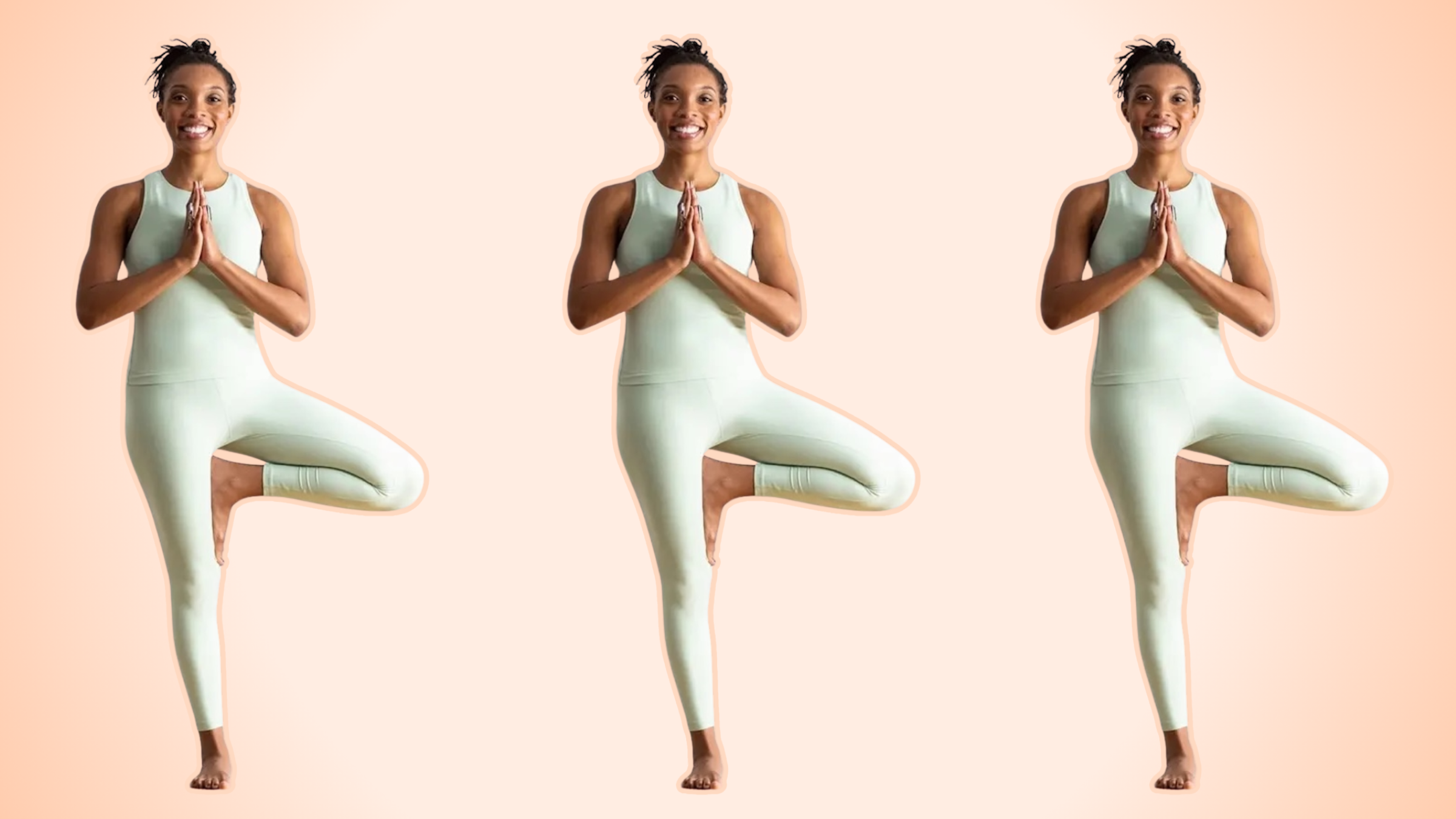
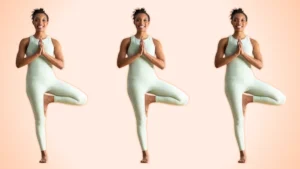
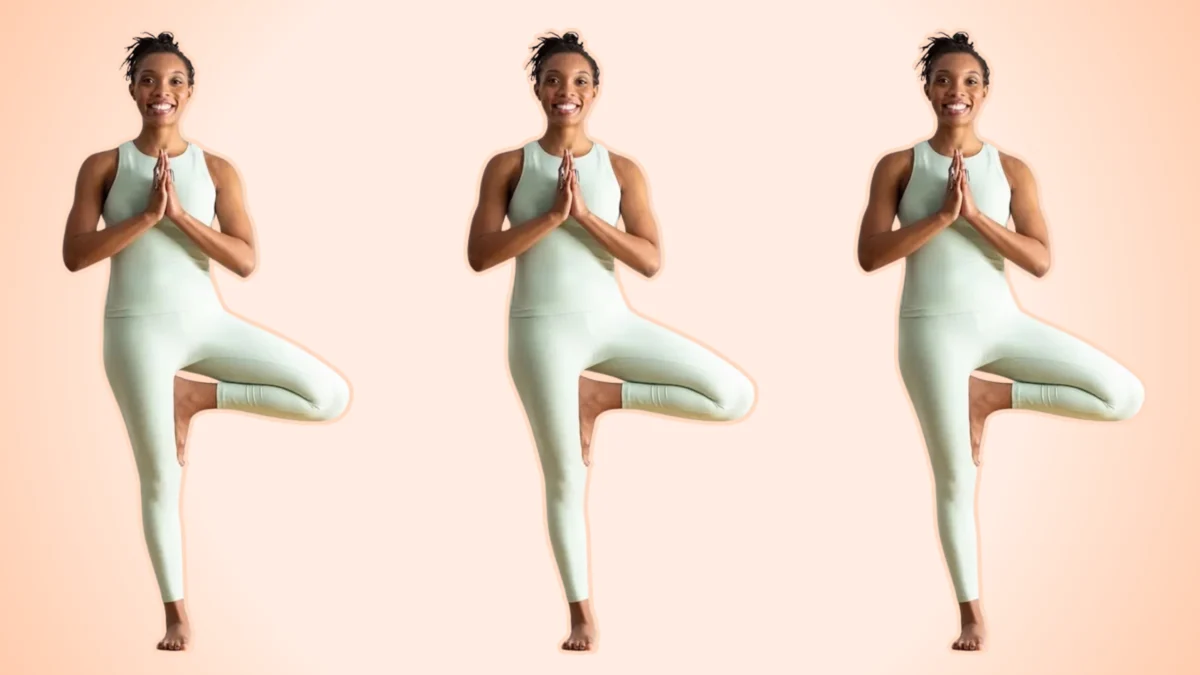
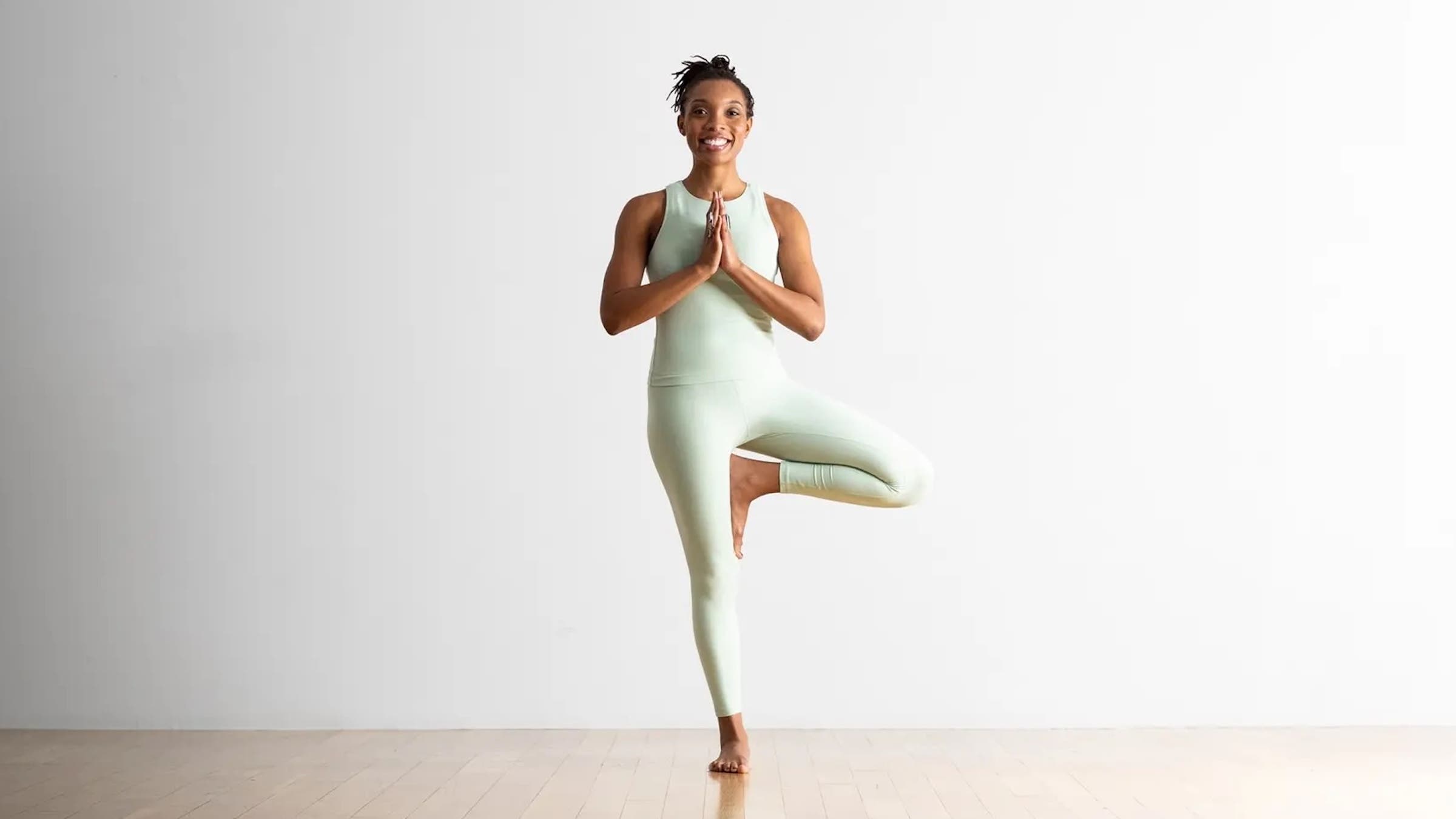
1. Tree Pose (Vrksasana): The Anchor of Balance
Tree Pose is perhaps the most versatile tool for the socially anxious. It requires focused attention, which naturally disrupts the cycle of overthinking that often fuels social anxiety.
The Mechanics:
By shifting weight into one leg and lifting the other to the ankle, calf, or inner thigh, you are forced to engage your core and find a focal point (drishti). In a social setting, this can be performed with total subtlety. If you are standing in a kitchen or near a buffet, a "stealth" Tree Pose—where the foot stays low near the ankle—is barely noticeable to others but provides an immediate internal reminder of stability.
The Psychological Benefit:
Balance is inherently connected to the vestibular system. By engaging your physical balance, you send a signal to the brain that you are grounded. When your environment feels chaotic or your thoughts are spinning, the act of standing tall and centered serves as a physical affirmation that you are in control of your own equilibrium.
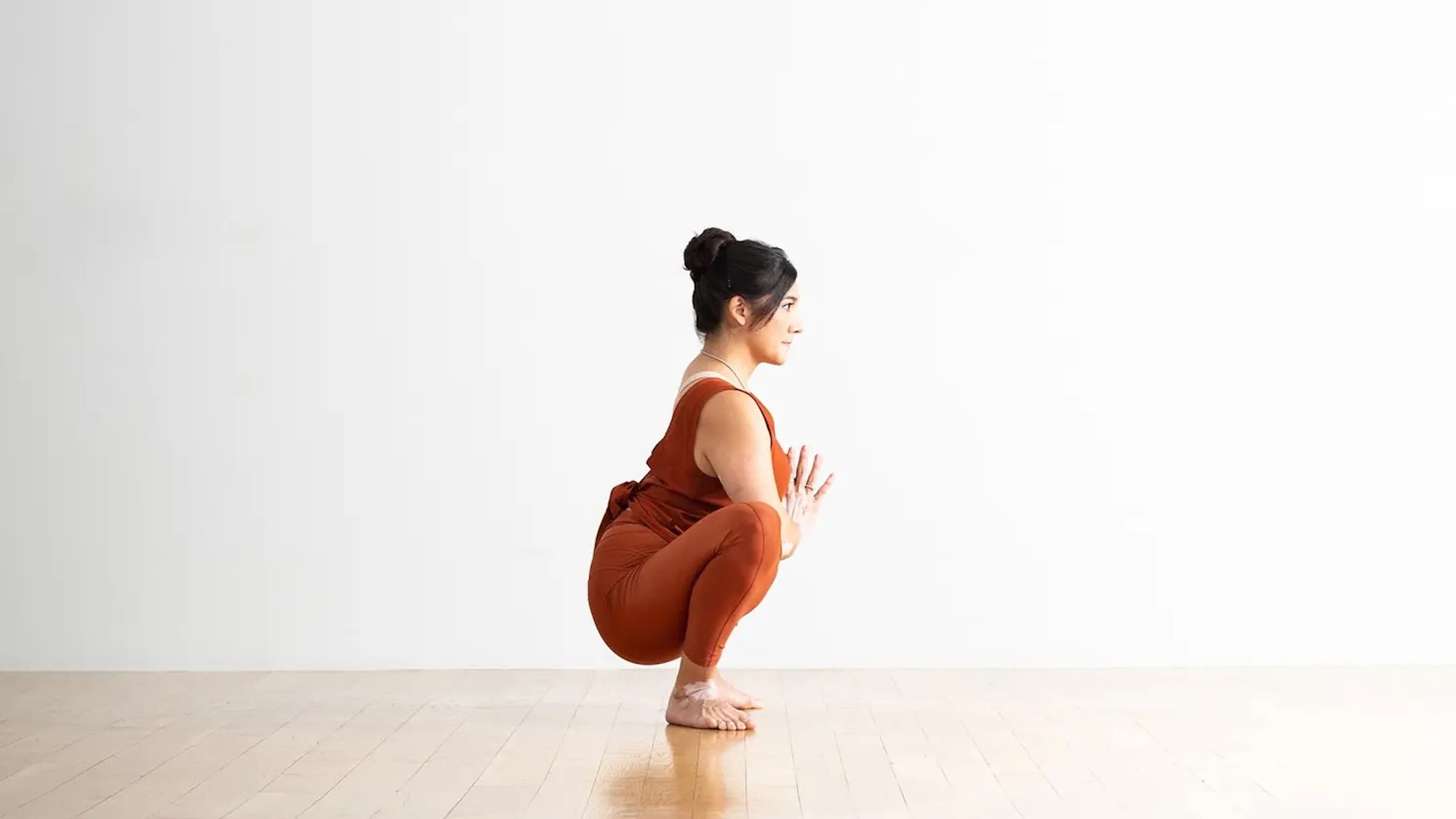
2. Squat (Malasana): Returning to the Root
In many cultures, the deep squat is a resting position rather than a fitness movement. In the context of a high-energy holiday gathering, the act of lowering your center of gravity can have a profound, calming effect on the nervous system.
The Mechanics:
Malasana involves sinking the hips low, keeping the feet flat on the floor, and lengthening the spine. While it may not be appropriate to drop into a deep squat in the middle of a cocktail conversation, the beauty of this pose lies in its accessibility during a brief "escape."
The Psychological Benefit:
If you find yourself overwhelmed, excusing yourself to a quiet room or a private area for two minutes of Malasana can act as a "reset button." The posture encourages the pelvic floor to release and the breath to move deeper into the diaphragm. This physical release often mirrors an emotional release, allowing the tension built up from sustained social interaction to dissipate.
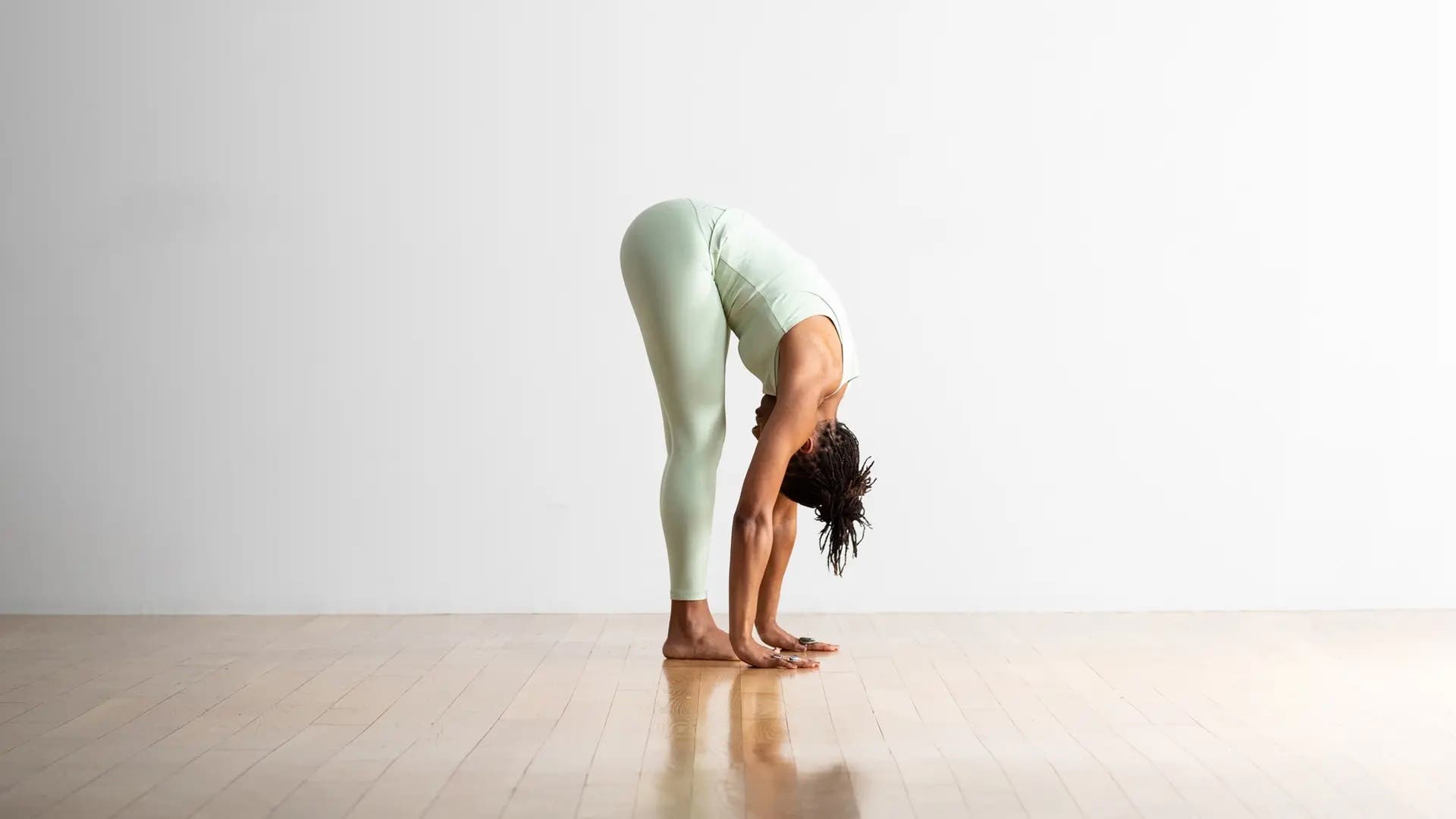
3. Standing Forward Bend (Uttanasana): The Subtle Inversion
When the noise and social expectations become too much, the Standing Forward Bend provides a unique opportunity to literally turn away from the stimulus.
The Mechanics:
Hinging at the hips and allowing the head to hang heavy—often called "Rag Doll" variation—reverses the flow of blood to the head and neck. It is a gentle inversion that is widely accessible. Because it mimics the appearance of a person stretching their hamstrings or picking something up from the floor, it is one of the most socially acceptable ways to disengage.
The Psychological Benefit:
By allowing the head to hang below the heart, you physically trigger the baroreceptor reflex, which slows the heart rate. Furthermore, the act of "folding in" provides a temporary sensory boundary, shielding you from the visual input of the crowd and allowing for a few moments of internal reflection.
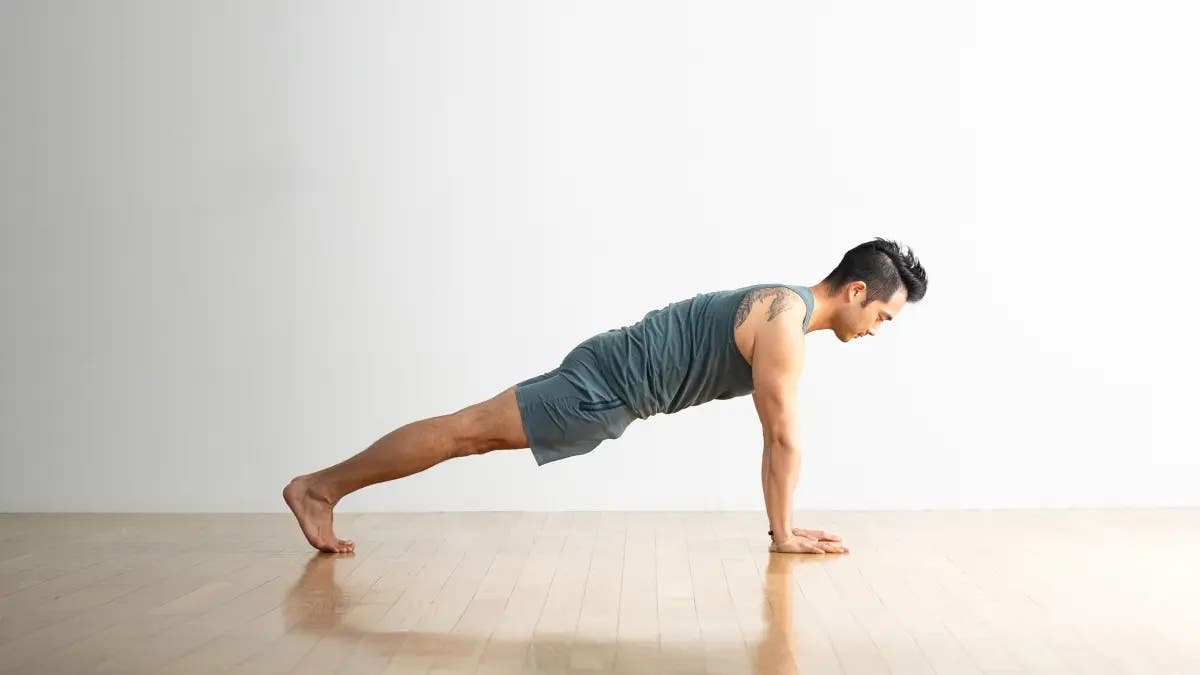
4. Plank Pose: Building Resilience Through Strength
While many yoga poses for anxiety focus on relaxation, Plank Pose approaches the issue from the opposite direction: by building intentional tension and release.
The Mechanics:
Plank requires full-body engagement—arms, core, and legs. Holding this pose, even for 30 seconds, requires such intense concentration that it is nearly impossible to maintain a ruminative thought pattern.
The Psychological Benefit:
Social anxiety often makes people feel "small" or exposed. Engaging in a posture that demands strength and structure can help restore a sense of personal power. By focusing on the physical sensation of muscles working, you shift the brain’s energy away from the "what are they thinking about me?" narrative and back into the present reality of your physical capability.
5. Reclining Bound Angle Pose (Supta Baddha Konasana): The Ultimate Restoration
The holiday season is physically exhausting. Between travel, cooking, and social obligations, the nervous system rarely gets a chance to fully power down. Reclining Bound Angle Pose is the antidote to the "always-on" nature of the season.
The Mechanics:
This pose is best reserved for moments of true privacy—a guest bedroom or a quiet den. By lying on your back with the soles of your feet touching and knees splayed outward, you open the hips and chest.
The Psychological Benefit:
This pose is designed to encourage the body to surrender. In a state of social anxiety, the body is often braced for impact. Supta Baddha Konasana invites the opposite: total openness and vulnerability in a safe space. It serves as a reminder that it is not only okay to rest but that rest is a necessary component of participating in the world.
Supporting Data: Why Movement Matters
According to recent studies in the Journal of Affective Disorders, physical movement—even in short, non-strenuous bursts—can significantly reduce cortisol levels. For those with social anxiety, the ability to self-regulate through movement acts as a prophylactic against panic attacks.
Psychologists emphasize that the goal of these poses is not to "fix" social anxiety, but to manage the physiological symptoms in real-time. By utilizing these techniques, an individual moves from a passive victim of their anxiety to an active participant in their own nervous system management.
Implications for Future Holiday Wellness
As we look toward the future of holiday planning, the conversation around mental health during gatherings is becoming increasingly normalized. Incorporating "mindfulness breaks" into the social itinerary is no longer seen as anti-social; it is seen as a healthy boundary.
If you are a host, consider creating a "quiet zone"—a space without music or high-traffic areas where guests can retreat for a moment of silence. If you are a guest, normalize the need for a "stretch." By treating your mental health with the same importance as your physical comfort, you can ensure that the holiday season remains a time of genuine connection rather than a source of persistent stress.
Final Thoughts: The Art of the Discrete Practice
The most important takeaway for anyone navigating social anxiety this season is that your practice does not need to be performative. Yoga, at its core, is an internal experience. Whether you are finding the strength in a subtle Plank, or grounding yourself with a discreet Tree Pose, remember that you are the primary custodian of your own peace. The holidays are meant to be a time of celebration—and with the right tools in your pocket, you can participate on your own terms.