









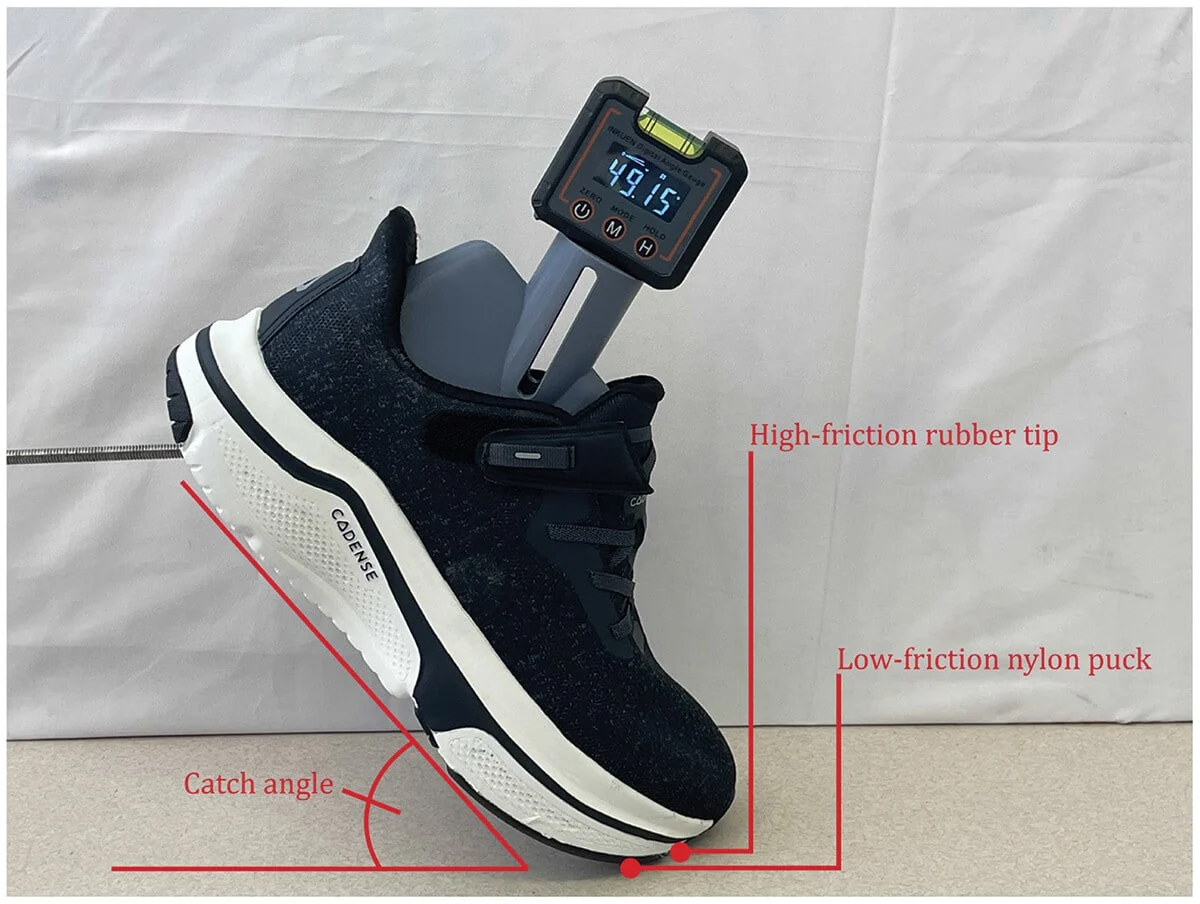
BOSTON, MA – In a significant stride forward for mobility technology, Cadense, a pioneer in adaptive footwear, has announced the publication of new research highlighting the transformative potential of its patented Variable Friction Technology. The study, detailed in the prestigious Taylor & Francis journal Assistive Technology, provides compelling biomechanical evidence that Cadense’s innovative footwear can significantly reduce toe-catch events and enhance walking performance, particularly for individuals grappling with foot drop, a common challenge for stroke survivors and others with neurological conditions. This research not only validates Cadense’s unique "Glide & Grip" approach but also signals a potential paradigm shift in the design of assistive mobility solutions, moving beyond traditional mechanical supports towards dynamic, responsive footwear.
Main Facts: A New Era for Mobility
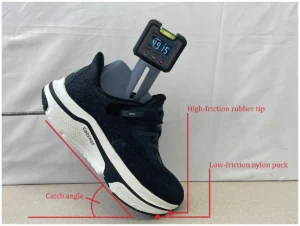
Cadense’s latest research represents a pivotal moment in the quest to improve the lives of millions affected by mobility impairments. At the heart of this innovation lies Cadense’s Variable Friction Technology (VFT), a sophisticated system engineered into everyday footwear. Unlike conventional shoes designed for maximum traction in all phases of walking, VFT intelligently adapts to the wearer’s gait cycle, providing reduced friction during unintended toe scuffs (the "glide" phase) and then engaging full grip when body weight is applied (the "grip" phase). This dynamic response mechanism is specifically tailored to mitigate the risks associated with foot drop and other gait challenges that often lead to falls.
The newly published study, titled “Characterization of a Variable Friction Shoe for Foot Drop and Pilot Test with Stroke Patients,” meticulously examines the biomechanical efficacy of VFT. It details laboratory simulations that starkly illustrate the technology’s ability to prevent toe-catch events, alongside an initial clinical pilot involving stroke patients. The findings suggest that Cadense’s adaptive footwear offers a promising alternative or complement to existing assistive devices like ankle-foot orthoses (AFOs), which often restrict natural ankle movement. By preserving voluntary ankle function while addressing the consequences of toe drag, Cadense’s technology aims to foster greater independence, confidence, and a more natural walking experience for users. This development is particularly impactful for stroke survivors, who frequently experience foot drop as a debilitating aftermath of their condition, severely impacting their quality of life and increasing their risk of fall-related injuries.
Chronology: A Decade of Innovation Culminates in Breakthrough Research
The journey of Cadense’s Variable Friction Technology is rooted in over a decade of rigorous scientific inquiry and development, stemming from leading research institutions. This long-term commitment to innovation began at the Massachusetts Institute of Technology (MIT) and the University of California Santa Barbara, where the foundational principles of gait science and adaptive material properties were explored. Researchers meticulously studied the biomechanics of human walking, especially focusing on the subtle yet critical interactions between the foot, footwear, and walking surfaces, particularly in individuals with compromised gait. This deep understanding formed the bedrock upon which the Variable Friction Technology was conceived and developed.
The evolutionary path of Cadense’s research has been methodical and multi-faceted. Prior to this latest publication, Cadense had already made significant contributions to the field. Earlier this year, the company released findings in JMIR Rehabilitation and Assistive Technologies from a comprehensive study that explored self-reported fall outcomes among 705 users of its adaptive footwear. That research provided valuable real-world insights, correlating the use of Cadense shoes with a reduction in perceived fall risk and an improvement in user confidence. It established a strong preliminary case for the practical benefits of the technology in everyday scenarios, paving the way for more in-depth biomechanical analysis.
The current study in Assistive Technology represents a crucial next step, moving beyond self-reported experiences to delve into the intricate biomechanical mechanisms at play. This research systematically characterizes how the Variable Friction Technology responds at the precise moment of an unintended toe contact during the swing phase of walking. It investigates how altering friction dynamically can influence the subsequent chain of events, effectively preventing trips and improving gait stability. This progression from large-scale user feedback to granular biomechanical validation underscores Cadense’s commitment to evidence-based innovation, ensuring that its adaptive footwear is not only perceived as beneficial but is scientifically proven to deliver tangible improvements in mobility and safety. The ongoing trajectory of Cadense’s research indicates a sustained effort to refine and expand the application of its technology, promising further advancements in the future of assistive mobility.
Supporting Data: Empirical Evidence of Superior Performance
The new research provides robust empirical data that unequivocally supports the efficacy of Cadense’s Variable Friction Technology, particularly in mitigating the risks associated with toe-catch events. The study employed a combination of controlled laboratory simulations and an initial clinical pilot, yielding compelling results that challenge conventional footwear design principles.
Laboratory Simulation: Eliminating Toe-Catch Events
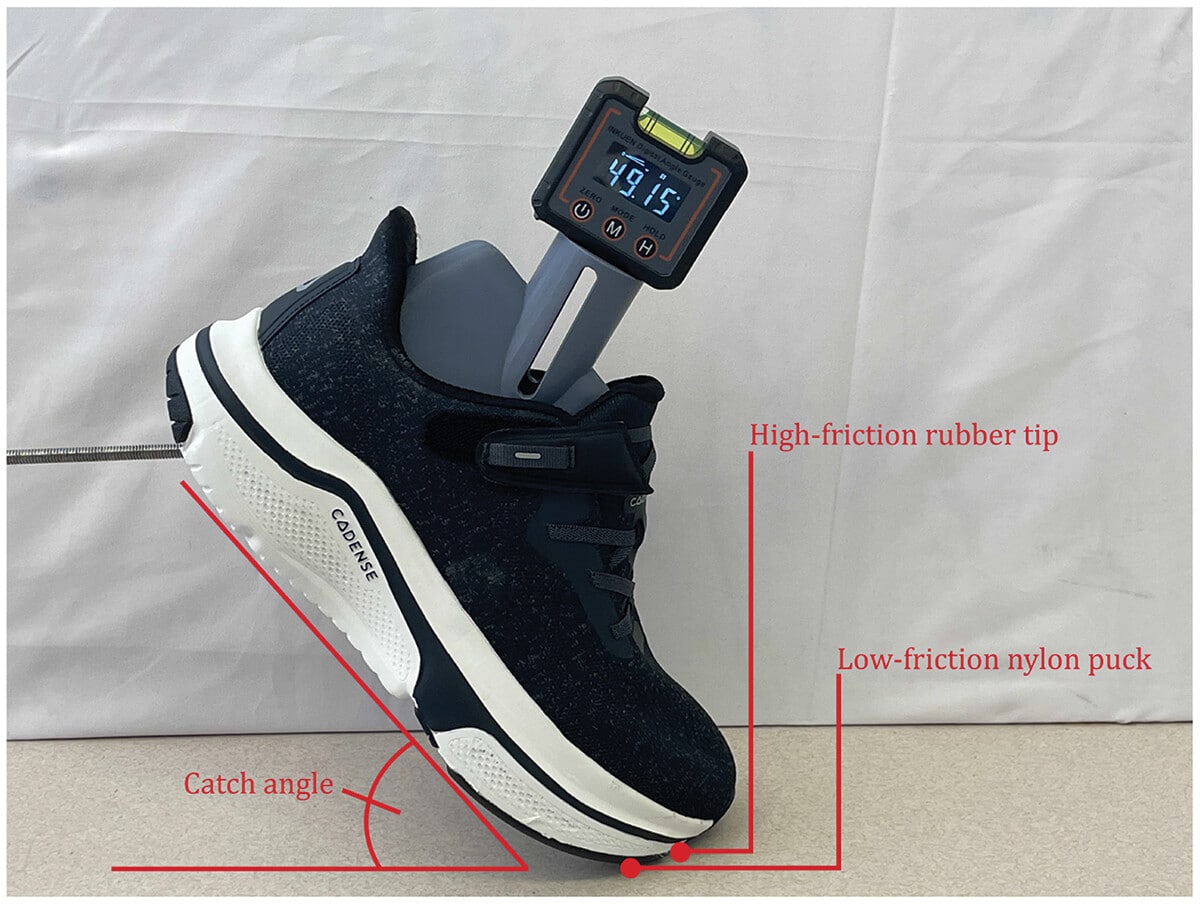
One of the most striking findings emerged from laboratory simulated-scuff testing. This controlled environment was designed to replicate the critical moment when a wearer’s toe inadvertently scuffs the ground during the swing phase of walking – a common precursor to tripping, especially for individuals with foot drop. The results were dramatic:
- Conventional Footwear: In identical simulated conditions, standard footwear produced a staggering 77 observed toe-catch or trip events. These events represented instances where the foot’s forward motion was abruptly halted by excessive friction, causing an imbalance that could lead to a fall.
- Variable Friction Shoe: In stark contrast, the Cadense variable-friction shoe recorded zero observed toe-catch or trip events. This perfect score underscores the technology’s effectiveness in allowing the foot to glide smoothly over the simulated obstruction, maintaining the wearer’s forward momentum and stability.
This data is crucial because it demonstrates a fundamental difference in how Cadense footwear interacts with unexpected ground contact. While conventional shoes prioritize constant high traction, which can be detrimental during a scuff, Cadense’s VFT intelligently reduces friction at the critical moment, preventing the sudden deceleration that often precipitates a fall.
Reduced Scuff Forces Across Diverse Surfaces
Beyond simply preventing toe-catch events, the study also measured the peak scuff forces generated during unintended contact. High scuff forces indicate a more jarring and disruptive interaction with the ground, increasing the likelihood of instability. The Cadense variable-friction shoe consistently produced lower peak scuff forces across a wide array of common walking surfaces, highlighting its versatility and reliability in diverse environments:
- Hardwood: A notoriously slippery surface where sudden friction changes can be perilous.
- Linoleum: Another smooth surface where conventional grip can abruptly halt motion.
- Concrete: A common outdoor and industrial surface.
- Low-Pile Carpet: Where minor scuffs can still create significant drag.
- High-Pile Carpet: A surface known for increased resistance, making foot clearance even more challenging.
The consistent reduction in scuff forces across these varied surfaces indicates that the VFT is not merely effective in specific, ideal conditions, but offers a broad-spectrum solution for everyday walking challenges, significantly enhancing safety and comfort for users.
Clinical Pilot: Early Promise for Stroke Rehabilitation
While preliminary and involving a small cohort, the clinical pilot study with three participants recovering from stroke-related foot drop offered encouraging early signals for the technology’s potential in rehabilitation. These individuals often experience significant challenges in gait stability and fall prevention. The pilot explored how the adaptive footwear impacted their walking patterns and perceived mobility.
The observations suggested improvements in gait smoothness, reduced perceived effort during walking, and increased confidence in navigating different terrains. Unlike traditional ankle-foot orthoses (AFOs), which are designed to mechanically support or constrain the ankle to improve foot clearance, Cadense’s Variable Friction Technology operates on a different principle. It does not attempt to dorsiflex or reposition the ankle. Instead, it is specifically engineered to preserve voluntary ankle movement while simultaneously minimizing the adverse consequences of an unintended toe scuff. This distinction is vital, as it allows users to maintain and potentially improve their natural muscle function and proprioception, which are crucial for long-term rehabilitation and functional independence. The early findings, though requiring larger-scale validation, suggest that Cadense’s approach could significantly complement existing rehabilitation strategies, offering a non-invasive and user-friendly intervention to enhance mobility and reduce fall risk for stroke survivors.
Beyond Traditional Orthoses
The comparative advantage of Cadense’s technology lies in its nuanced approach to assistive mobility. Traditional AFOs, while effective for certain conditions, can sometimes lead to muscle atrophy, discomfort, and a less natural gait due to their restrictive nature. Cadense’s VFT, by contrast, supports the foot’s natural movement while intelligently managing friction. This allows for a more fluid walking experience, potentially fostering greater engagement of intrinsic foot and ankle muscles, and thereby contributing to better long-term functional outcomes. This innovative design philosophy represents a significant evolution in assistive device technology, prioritizing dynamic adaptability over static support.
Official Responses: Visionary Leadership on a Mission to Redefine Mobility
The leaders at Cadense articulate a clear vision for their technology, emphasizing a departure from conventional thinking in footwear design and a deep commitment to translating scientific discovery into tangible human benefit. Their responses underscore the significance of the latest research and the broader implications for individuals with mobility challenges.
Dr. Tyler Susko, co-founder and chief technology officer of Cadense, provides critical insight into the biomechanical rationale behind their innovation. He challenges the long-held assumption that maximizing traction is universally beneficial, especially for vulnerable populations. “Most conventional shoes are designed to maximize traction, but for people who have difficulty consistently clearing their feet, more grip isn’t always better,” Dr. Susko explains. He vividly describes the common scenario where "when the toe catches the ground during the swing phase of walking, excessive friction can abruptly stop the foot while the rest of the body continues moving forward," a recipe for instability and falls.
Dr. Susko then elucidates how Cadense’s Variable Friction Technology offers a superior alternative. “Our Variable Friction Technology takes a different approach, allowing the foot to glide during an unintended scuff before transitioning to grip when body weight comes onto the shoe.” This "glide then grip" mechanism is central to its effectiveness. He further highlights a key differentiator from traditional solutions: “Unlike traditional approaches such as ankle-foot orthoses, which mechanically support or constrain the ankle, our technology is designed to preserve voluntary ankle movement while reducing the consequences of an unintended toe scuff.” For Dr. Susko, the findings from the new study are more than just scientific validation; they represent "an encouraging opportunity to further explore how this approach could support mobility and rehabilitation," pointing towards future applications and expanded impact.
Johannes Sauer, co-founder and chief executive officer of Cadense, echoes Dr. Susko’s sentiments and frames the company’s mission within a broader context of innovation and human-centered design. He asserts that the footwear industry has been operating under a limiting premise for too long. “For too long, footwear has been designed around the assumption that more traction is always better,” Sauer states. He outlines Cadense’s ambitious goal to fundamentally rethink this approach. “At Cadense, we’re rethinking that approach by combining gait science, rehabilitation research and adaptive technology to create footwear that responds to how people actually move.”
Sauer’s vision extends beyond mere product development; it encompasses a commitment to accessible, research-driven solutions that empower individuals. “Our goal is to bring research-driven innovation into everyday footwear and help more people experiencing walking challenges move more naturally, confidently and independently.” This statement encapsulates Cadense’s ethos: to democratize advanced mobility solutions, making them available in a practical, comfortable, and aesthetically pleasing format that integrates seamlessly into daily life. The latest findings, according to Sauer, are a testament to Cadense’s progress in "translating biomechanical research into practical footwear solutions designed to help people move with greater confidence and independence," reinforcing the company’s dedication to improving the quality of life for those facing mobility hurdles.
Implications: A Transformative Future for Assistive Mobility and Public Health
The groundbreaking research on Cadense’s Variable Friction Technology carries profound implications, signaling a transformative future for assistive mobility, public health, and the very philosophy of footwear design. This innovation is poised to impact various facets of society, from individual well-being to broader healthcare strategies.
Transforming Mobility for Vulnerable Populations
The most immediate and impactful implication is the potential to significantly enhance the mobility and safety of vulnerable populations. Individuals suffering from foot drop due to stroke, multiple sclerosis, Parkinson’s disease, peripheral neuropathy, or aging-related gait deterioration frequently face a heightened risk of tripping and falling. Falls are a leading cause of injury, disability, and even mortality among older adults, often resulting in fractures, head trauma, and a debilitating fear of falling that further restricts activity and social engagement. By effectively mitigating toe-catch events and reducing scuff forces, Cadense’s adaptive footwear offers a practical, non-invasive solution that could dramatically reduce fall incidence. This translates into improved quality of life, greater independence, and enhanced participation in daily activities for millions worldwide. For stroke survivors, in particular, the technology offers a pathway to a more confident and less strenuous rehabilitation journey, enabling them to regain more natural movement patterns without the constraints of traditional orthoses.
A Paradigm Shift in Footwear Design
Cadense’s Variable Friction Technology represents a genuine paradigm shift in footwear design. For decades, the industry has largely focused on maximizing traction across all conditions, a "one-size-fits-all" approach that, as Cadense’s research demonstrates, can be counterproductive for specific gait challenges. By introducing a dynamic, intelligent friction system, Cadense is pioneering a new category of "smart footwear" that actively responds to the biomechanical needs of the wearer throughout the walking cycle. This challenges conventional wisdom and opens the door for other innovations that consider the complex, ever-changing demands of human movement. The "Glide & Grip" principle could inspire future designs not only for assistive purposes but also for sports, industrial safety, and general wellness, where adaptable friction could optimize performance and safety.
Future Research and Commercialization
The preliminary nature of the clinical pilot with stroke patients underscores the need for larger, randomized controlled trials. These future studies will be crucial in further validating the long-term benefits, efficacy across diverse patient populations, and cost-effectiveness of Cadense’s technology. If these larger trials replicate the initial promising results, the pathway to widespread clinical adoption and integration into rehabilitation protocols will be clear. From a commercialization standpoint, the success of Cadense’s footwear could spur significant investment in the adaptive technology market. The potential to combine advanced biomechanics with fashionable, comfortable everyday shoes offers a compelling value proposition that could expand market reach beyond traditional medical devices. This could lead to greater accessibility and affordability of assistive technologies, benefiting a wider demographic.
Economic and Societal Benefits
The societal and economic benefits of widespread adoption of Cadense’s technology are substantial. Reducing falls among vulnerable populations has direct implications for healthcare systems by lowering the incidence of emergency room visits, hospitalizations, and long-term care needs associated with fall-related injuries. This could lead to significant cost savings in healthcare expenditures. Furthermore, enhanced mobility and independence contribute to improved mental health, reduced social isolation, and greater civic participation among older adults and individuals with disabilities. By empowering people to move more confidently, Cadense’s innovation fosters a more inclusive and active society, allowing individuals to maintain their dignity and engagement in their communities.
In conclusion, Cadense’s Variable Friction Technology, supported by robust new research, is not merely an incremental improvement in footwear; it is a profound re-imagining of how shoes can actively support and enhance human mobility. By addressing a critical unmet need for individuals with foot drop and other gait challenges, Cadense is paving the way for a future where adaptive footwear plays a central role in promoting safety, independence, and a better quality of life for millions.
To read the full study, visit: https://www.tandfonline.com/doi/full/10.1080/10400435.2026.2755450
To learn more about Cadense and its Variable Friction Technology, visit: https://cadense.com/
Study Citation: Garcia, N., et al. (2026). “Characterization of a Variable Friction Shoe for Foot Drop and Pilot Test with Stroke Patients.” Assistive Technology. https://doi.org/10.1080/10400435.2026.2755450
Featured image: Women’s size 9 right Variable Friction shoe undergoing catch-angle trial. Image: Cadense, JMIR Rehabilitation and Assistive Technologies