









As the global community navigates the complex intersection of food security, chronic disease prevention, and environmental stewardship, the conversation surrounding what we eat has never been more urgent. In a landmark move, 2022 served as a pivotal year for American public health, headlined by the White House Conference on Hunger, Nutrition, and Health. This event marked the first time in over 50 years that the federal government convened a national summit to address the systemic failures in the American food landscape.
While the resulting national strategy offers a roadmap for the decade ahead, nutrition experts from the Harvard T.H. Chan School of Public Health suggest that while the blueprint is promising, the journey toward a truly healthy nation requires more than just policy—it demands a fundamental transformation of how we produce, market, and consume food.
The Main Facts: A Landmark National Strategy
The White House Conference on Hunger, Nutrition, and Health, held in September 2022, was a significant milestone in public health history. It served as a follow-up to the 1969 conference, which laid the groundwork for many of the nutrition assistance programs currently in place, such as the Special Supplemental Nutrition Program for Women, Infants, and Children (WIC).
The new national strategy, spearheaded by the Biden-Harris administration, sets an ambitious goal: to end hunger and reduce diet-related diseases—such as type 2 diabetes, obesity, and hypertension—by 2030. Key components of the plan include:
- Expanding Access to Nutrition Assistance: Increasing participation in the Supplemental Nutrition Assistance Program (SNAP) and enhancing school meal programs.
- Integrating Healthcare and Nutrition: Testing the inclusion of "medically tailored meals" (MTMs) as a reimbursable benefit under Medicare and Medicaid for patients with chronic illnesses.
- Improving Food Labeling: Developing front-of-package labels to help consumers identify healthier food choices quickly.
- Investing in Nutrition Science: Increasing federal funding for research into how diet influences long-term health outcomes.
However, the strategy is not without its critics. Leading nutrition scientists, including Drs. Frank Hu, Walter Willett, and Lilian Cheung, have pointed out that while the plan addresses symptoms, it often tiptoes around the root causes of the "obesogenic" environment.
Chronology: How We Reached This Point
The path to the 2022 conference was paved by decades of shifting dietary patterns and the rising tide of non-communicable diseases.
- 1969: President Richard Nixon convenes the first White House Conference on Food, Nutrition, and Health. It results in massive improvements to school lunch programs and the creation of WIC.
- 1970s–2010s: The American food system undergoes rapid industrialization. Processed foods, high in sodium, added sugars, and refined grains, become the staples of the average diet, leading to a steady increase in diet-related chronic conditions.
- 2020–2021: The COVID-19 pandemic exposes the fragility of the U.S. food supply chain and highlights how pre-existing conditions—many of them diet-related—exacerbate health disparities in marginalized communities.
- May 2022: The White House announces the intent to host the first nutrition conference in over half a century.
- September 2022: The conference takes place, drawing thousands of stakeholders, from industry leaders to grassroots activists.
- 2023 and Beyond: The focus shifts from high-level policy rhetoric to the gritty, granular work of implementation, education, and individual behavioral change.
Supporting Data: The Case for Urgent Reform
The necessity of this national strategy is backed by sobering statistics. According to the Centers for Disease Control and Prevention (CDC), nearly 74% of American adults are overweight or obese. Furthermore, the economic burden of diet-related diseases is estimated to reach hundreds of billions of dollars annually in healthcare costs and lost productivity.
Harvard’s Department of Nutrition has long advocated for a "planetary health diet"—a model that emphasizes plant-forward eating patterns that are not only beneficial for human health but also reduce the carbon footprint associated with intensive agriculture. Data suggests that shifting toward these patterns could prevent millions of premature deaths globally.
However, the challenge remains: access. In many urban and rural "food deserts," fresh produce is either unavailable or prohibitively expensive compared to highly processed, calorie-dense alternatives. The strategy aims to bridge this gap, yet critics argue that without aggressive subsidies for healthy foods and the taxation of sugar-sweetened beverages, the price parity remains skewed against the consumer.
Official Responses and Expert Critique
The Harvard T.H. Chan School of Public Health experts have provided a nuanced response to the administration’s strategy. In an analytical reflection, Drs. Hu, Willett, and Cheung lauded the focus on medically tailored meals but highlighted several "major omissions" that threaten the effectiveness of the initiative.
The Marketing Gap
One of the most glaring omissions, according to the experts, is the lack of policy regarding the marketing of unhealthy foods to children. "To have a significant impact, the administration must address the predatory marketing strategies that target the most vulnerable populations," they noted. Without federal guardrails, the ubiquity of junk food advertising continues to undermine the education efforts aimed at improving childhood nutrition.
Climate and Sustainability
The experts also emphasized the need to link public health with environmental health. The current industrial food system is a major driver of greenhouse gas emissions, biodiversity loss, and water depletion. The Harvard team argues that the federal strategy must prioritize the transformation of the food system to be more resilient to climate change, ensuring that the food we eat today does not compromise the ability of future generations to feed themselves.
Implications: Moving Toward 2030
As we look toward 2030, the implications for the average consumer are profound. The goal is to move from a culture of "dieting" to a culture of "healthy living."
Small Changes, Large Impacts
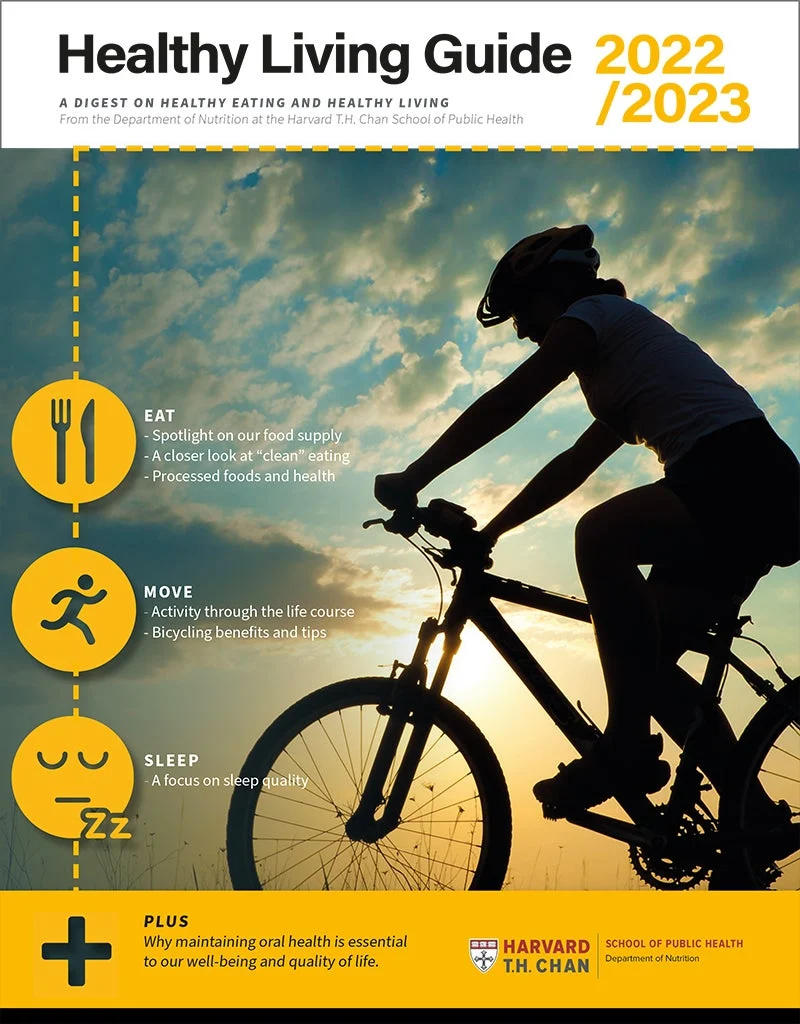
The philosophy echoed by the Harvard nutrition experts is that "no change is too small." Whether it is increasing fiber intake, swapping sugary drinks for water, or choosing whole grains over refined ones, these micro-habits contribute to long-term health resilience. The Healthy Living Guide released by the Harvard T.H. Chan School serves as a vital tool for this purpose, providing actionable, evidence-based advice for families and individuals.
The Role of the Private and Public Sectors
Ultimately, the success of the national strategy hinges on collaboration. It is not enough for the government to provide guidelines; the food industry must be held accountable for the health impact of its products. Academics and philanthropists must continue to push for transparency and sustainable agricultural practices.
"The administration must bring together the public and private sectors, along with philanthropists, academia, and individuals to develop truly sustainable food systems," the Harvard team concluded. This collaborative approach is the only way to ensure that "optimal choices" are not just recommended, but are the easiest and most affordable options for every American.
Conclusion: Empowering the Individual
While the wheels of government turn slowly, the responsibility for health begins on our own plates. By staying informed and utilizing resources such as the latest Healthy Living Guide, individuals can navigate the current food environment more effectively.
The year 2022 may have been a turning point in policy, but 2023 and the years following must be a turning point in practice. By advocating for systemic change while making intentional, daily choices toward better nutrition, we can collectively work toward a future where health is a universal right, rather than a privilege.
For those seeking to deepen their understanding, engaging with the comprehensive resources provided by the Harvard T.H. Chan School of Public Health is an excellent start. From deciphering food labels to understanding the environmental impact of protein sources, the path to a healthier life is paved with knowledge. As we move forward, let us remember: the goal is not just to live longer, but to live better, ensuring that our food choices support both our bodies and the planet we share.