










For an estimated 80 million Americans, the nightly battle for breath is a silent, exhausting, and often invisible struggle. Sleep apnea—a potentially life-threatening condition characterized by pauses in breathing during sleep—is one of the most prevalent yet underdiagnosed health crises in the United States. Despite its widespread impact, the condition remains shrouded in outdated stereotypes, diagnostic delays, and a pervasive lack of understanding.
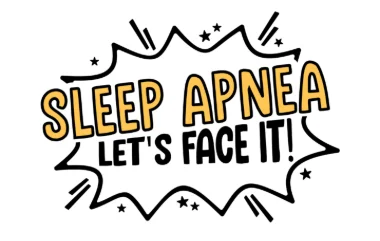
To bridge this chasm between patient struggle and clinical clarity, the advocacy organization Project Sleep has officially launched its year-round campaign, “Sleep Apnea: Let’s Face It!” As the nation approaches Sleep Apnea Education Week, slated for April 18–26, this initiative is shifting the paradigm by replacing clinical jargon with the faces and stories of those navigating the disorder every day.
The Invisible Crisis: Main Facts and Scope
Sleep apnea is not merely a nuisance involving snoring; it is a serious chronic medical condition that can lead to systemic health failures if left unmanaged. The pathophysiology involves the repeated collapse of the upper airway, forcing the body to wake up—often hundreds of times per night—to resume breathing.
The statistics are sobering. According to recent health data, 80% of individuals living with sleep apnea remain undiagnosed. This "silent epidemic" persists because the symptoms are frequently dismissed as simple fatigue or the inevitable result of aging. From morning headaches and chronic irritability to the dangerous reality of excessive daytime sleepiness, the symptoms are as varied as the patients themselves.
The “Sleep Apnea: Let’s Face It!” campaign aims to dismantle the archetype of the "middle-aged, overweight man" that has dominated the public imagination for decades. By showcasing a diverse cross-section of the population, Project Sleep is highlighting that sleep apnea does not discriminate based on gender, age, or lifestyle.
A Chronology of Advocacy
The launch of this campaign marks a pivotal moment in a multi-year effort by Project Sleep to centralize the patient experience. The organization’s roadmap for 2026 includes:
- Q1 2026: The Launch of "Let’s Face It!": A nationwide call to action inviting clinicians, advocates, and patients to humanize the condition through social media engagement.
- April 18–26, 2026: Sleep Apnea Education Week: The focal point of the year, characterized by intensive digital outreach, panel discussions, and educational resource dissemination.
- April 21, 2026: The "Women and Sleep Apnea" Summit: A critical broadcast featuring experts and patient advocates discussing the gender-specific nuances of the disease.
- Ongoing: The Sleep Apnea Squad Series: A permanent library of resources, podcasts, and toolkits designed to provide long-term, accessible support for the sleep-deprived community.
Supporting Data: Why Diagnosis Matters
The necessity for this campaign is rooted in hard data. The prevalence of obstructive sleep apnea (OSA) has climbed in correlation with rising obesity rates and an aging population, yet the clinical infrastructure to support this patient surge remains strained.
Untreated sleep apnea is a leading contributor to cardiovascular disease, including hypertension, stroke, and heart failure. Furthermore, the cognitive impairment caused by sleep deprivation poses significant risks in workplace safety and motor vehicle operation. By moving the needle on diagnosis rates, Project Sleep argues that the public health system can prevent thousands of avoidable hospitalizations and improve the quality of life for millions.
The organization emphasizes that diagnostic tools—including home sleep apnea testing (HSAT) and formal polysomnography—are more accessible than ever, yet they remain underutilized due to fear of the "CPAP stigma." The “Sleep Apnea: Let’s Face It!” campaign specifically targets this stigma, providing resources on CPAP comfort and alternatives to help patients transition from diagnosis to successful, long-term therapy.
Official Voices: Shaping the Conversation
At the helm of this initiative is Emma Cooksey, a respected patient advocate and Project Sleep’s Sleep Apnea Program Manager. Cooksey, who has turned her own lived experience into a beacon for others, notes that the most significant barrier to treatment is the feeling of isolation.
"When you are told your symptoms are ‘just stress’ or ‘just aging,’ you stop advocating for yourself," Cooksey noted during the campaign kickoff. "This initiative is about empowering patients to demand answers. We are moving from a state of silent endurance to a state of informed action."
Project Sleep has also engaged the medical community, encouraging clinicians to utilize the campaign’s free, downloadable infographics and fact sheets. By placing these resources in waiting rooms and clinics, the organization hopes to prime the environment for more productive patient-provider dialogues, where the focus shifts from a "snoring problem" to a "sleep health solution."
The Power of the Narrative: Challenging Stereotypes
A central pillar of the campaign is the invitation for individuals to participate by downloading the official "Sleep Apnea: Let’s Face It!" sign. Participants are encouraged to post a photo holding the sign, explaining their personal "why"—the reason they are committed to awareness.
This is not a top-down awareness drive; it is a bottom-up movement. By curating personal stories on their website, Project Sleep is demonstrating that the spectrum of those living with sleep apnea is vast. These stories serve a dual purpose: they validate the experiences of the newly diagnosed and provide a roadmap for those who have yet to seek help.
For many, hearing another person describe their journey—from the initial denial to the life-changing experience of successful treatment—is the catalyst needed to schedule an appointment with a sleep specialist.
Implications: Building a Supportive Future
What does success look like for this initiative? According to the organizers, it is defined by a decrease in the 80% undiagnosed rate and an increase in public health literacy.
Implications for the Healthcare System
The campaign’s focus on "Education that Empowers" suggests a shift toward patient-centered care. If patients enter clinics with more knowledge about their condition, the clinical encounter becomes more efficient, leading to faster diagnosis and better treatment compliance.
Implications for the Patient Community
The creation of the Sleep Apnea Squad series provides a lifeline to those who feel overwhelmed by the technical aspects of therapy. Whether it is navigating insurance hurdles, finding the right mask, or managing the social stigma of sleep equipment, the program offers a sense of community that is often missing in standard medical treatment.
Looking Toward the April Summit
The upcoming "Women and Sleep Apnea" panel on April 21, 2026, serves as a microcosm of the campaign’s broader goals. For years, the medical establishment overlooked sleep apnea in women because their symptoms—often insomnia, anxiety, or depression—did not mirror the traditional "gasping and choking" symptoms seen in men. By specifically highlighting these differences, Project Sleep is correcting a gender bias that has kept millions of women in the dark about their health.
How to Join the Movement
As the calendar turns toward April, the call to action is clear:
- Participate: Download the official campaign sign from the Project Sleep website and share your story on social media using the hashtag #SleepApneaLetsFaceIt.
- Educate: Distribute the campaign’s free infographics in your local community, library, or workplace to help break the cycle of misinformation.
- Engage: Tune in to the Sleep Apnea Squad broadcasts, particularly the April 21st summit, to learn how to better advocate for yourself or your loved ones.
- Connect: Visit Project Sleep’s official portal to access the full repository of toolkits, podcasts, and video resources.
Conclusion: A Future Without Silence
The “Sleep Apnea: Let’s Face It!” campaign is more than a public awareness initiative; it is an act of reclaiming health. By centering real people, validating their experiences, and providing the tools necessary for medical intervention, Project Sleep is successfully rewriting the narrative of sleep apnea in America.
As we look toward the future of sleep medicine, the goal remains clear: to build a healthcare landscape where the symptoms of sleep apnea are recognized immediately, where the stigma surrounding treatment is eradicated, and where no individual is left to face the dark alone. Through the collective power of these personal stories, we are closer than ever to a world where breathing at night is once again a silent, effortless, and restorative act.