








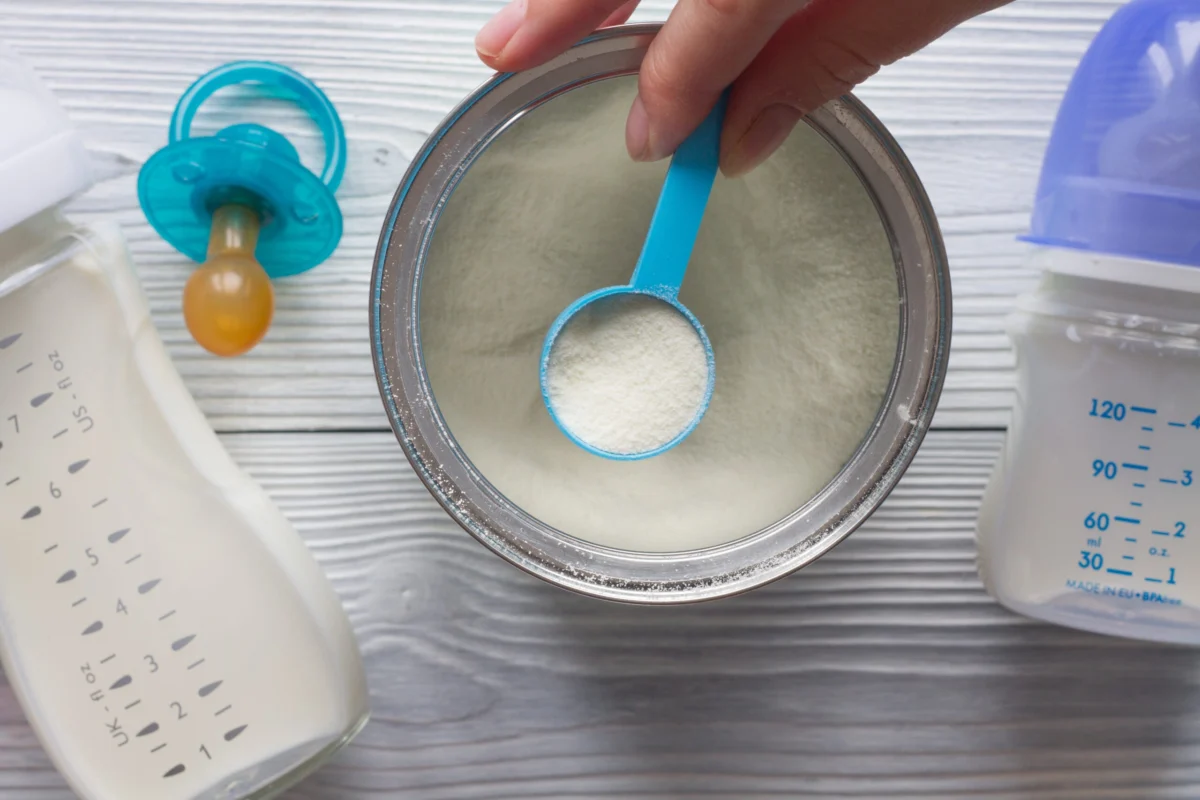
The specter of empty shelves in the baby aisle has become a haunting image for American families over the past two years. For parents, the availability of infant formula is not merely a matter of convenience; it is a fundamental necessity. When human milk is unavailable, inaccessible, or insufficient, infant formula serves as the primary—and often only—source of sustenance for millions of newborns. The recent, unprecedented supply-chain instability has sparked a national conversation about the fragility of our food systems, the realities of modern parenting, and the urgent need for systemic policy reform.
The Genesis of the Crisis: Main Facts
The core of the recent shortage was not a singular event but a "perfect storm" of logistical failures and production vulnerabilities. While pandemic-related supply-chain disruptions served as the catalyst, the crisis was exacerbated by a heavily concentrated market. In the United States, a mere handful of companies control the vast majority of the infant formula market. When the largest of these facilities faced a massive recall due to safety concerns, the ripple effect was instantaneous.
Infant formula is a highly regulated, nutrient-dense product designed to mimic the complexity of human milk. Unlike other consumer goods, it cannot be easily substituted. Infants with metabolic disorders, severe allergies, or gastrointestinal issues rely on specific, specialized formulas that, when missing from store shelves, place vulnerable children in immediate medical danger. The shortage underscored a grim reality: the U.S. infant nutrition market lacked the diversification and the strategic reserves necessary to withstand a major localized disruption.
A Chronological Overview
The timeline of the crisis reveals a gradual erosion of stability followed by a sharp decline in availability.
- Early 2020: The COVID-19 pandemic initiates global supply-chain volatility. While parents initially engaged in panic-buying, the industry maintained a fragile equilibrium.
- Late 2021: Ongoing labor shortages, transportation bottlenecks, and a lack of raw ingredients began to strain production cycles.
- February 2022: The crisis reached a tipping point when a major manufacturer issued a voluntary recall of products from a plant in Michigan, citing potential bacterial contamination. This plant was a cornerstone of the national supply.
- Spring 2022: Stock levels plummeted to record lows. Panic-buying became widespread, leading to retail restrictions on the number of containers a customer could purchase.
- Summer 2022: The federal government invoked the Defense Production Act to expedite raw material delivery and authorized emergency imports from international manufacturers to bridge the gap.
- 2023–Present: While shelves have largely restocked, the systemic fragility remains a subject of intense academic and legislative scrutiny.
Supporting Data: Why Formula Remains Irreplaceable
Public health messaging often emphasizes the benefits of breastfeeding, yet the data reflects a complex reality. For many families, exclusive breastfeeding is not a viable long-term solution.
Current statistics indicate that mothers often return to the workforce within weeks of giving birth, often without adequate access to lactation support, private pumping facilities, or paid parental leave. Furthermore, medical necessity dictates the use of formula for a significant segment of the population. Infants born with phenylketonuria (PKU), galactosemia, or severe cow’s milk protein allergies require hypoallergenic or elemental formulas that cannot be replaced by breast milk from a donor or a mother’s own supply.
The reliance on formula is a societal necessity, not a choice. When the supply chain falters, these infants are the first to suffer, with pediatricians reporting an increase in emergency room visits related to formula-induced malnutrition or dangerous attempts by parents to dilute or "DIY" formula preparations.
Official Responses and Federal Intervention
The federal response to the crisis was characterized by a shift from reactive monitoring to aggressive intervention. The U.S. Food and Drug Administration (FDA) faced intense criticism for its initial oversight of the manufacturing facility at the center of the recall.
In response, the Biden administration utilized the Defense Production Act, granting formula manufacturers priority access to the ingredients and packaging materials required to maximize output. Simultaneously, the Department of Health and Human Services (HHS) launched "Operation Fly Formula," which utilized federal aircraft to transport thousands of tons of compliant formula from overseas to American retailers.
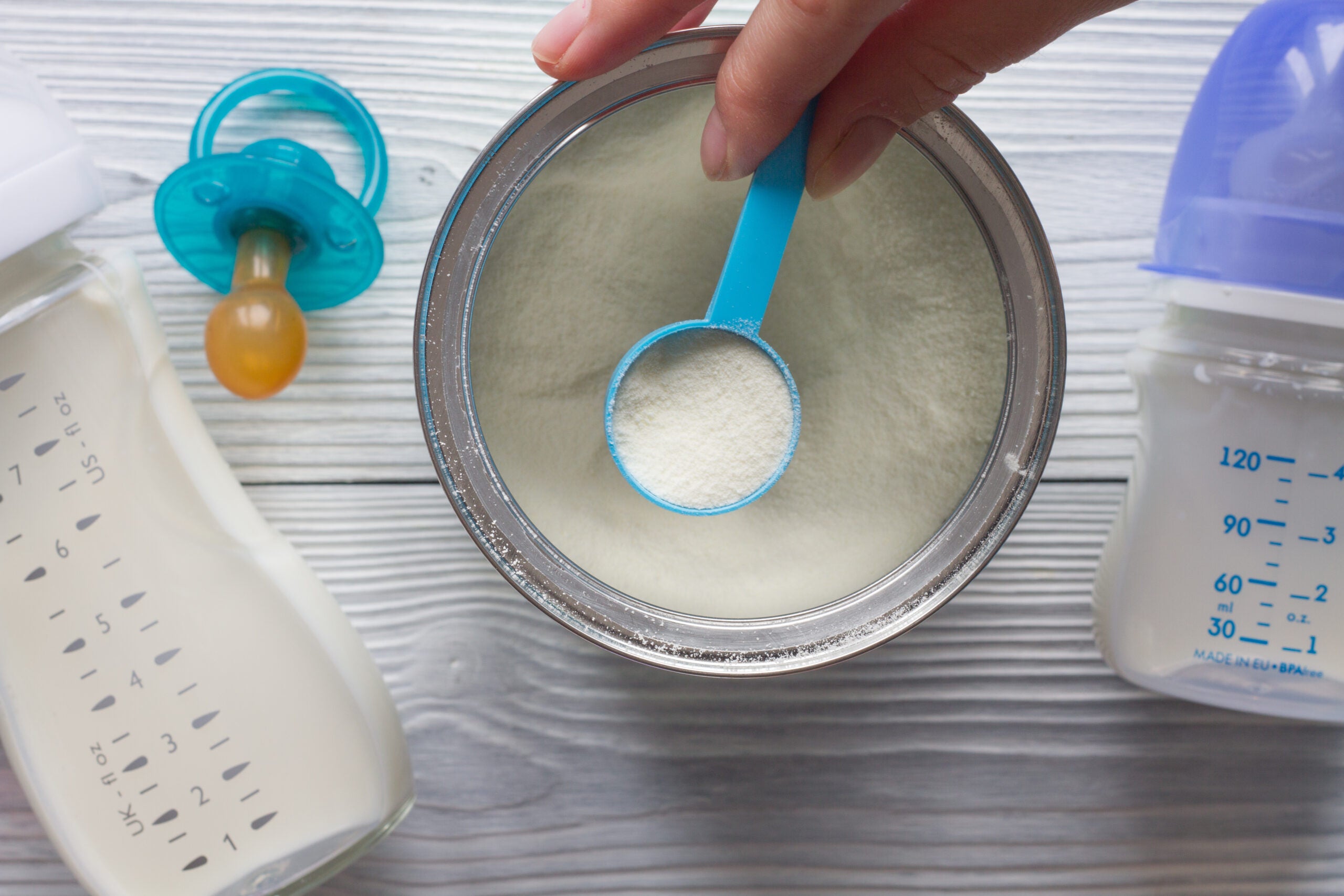
These measures were effective in the short term but highlighted a deeper structural concern: the U.S. market is remarkably insular. By relying on a closed loop of domestic production, the nation left itself vulnerable to single-point failures.
Implications: What Families Can Do Now
The crisis has left many parents hyper-vigilant. Health experts and organizations like the American Academy of Pediatrics (AAP) suggest the following for families navigating the current landscape:
- Consult Your Pediatrician: If you cannot find your preferred brand, speak to your doctor immediately. They can often provide samples or suggest medically equivalent alternatives that are safer than untested recipes.
- Avoid Homemade Formulas: Under no circumstances should parents attempt to make infant formula at home. These recipes lack the precise balance of essential fatty acids, electrolytes, and micronutrients required for brain and organ development. Homemade formulas have been linked to severe electrolyte imbalances and heart failure in infants.
- Ditch the "Watered Down" Approach: Never dilute formula with extra water to make it "last longer." This reduces the caloric density and can lead to seizures, hyponatremia, and developmental delays.
- Community Resources: Utilize local WIC offices or community health centers. These organizations are often the first to know about local stock arrivals and can help facilitate access to formula for low-income families.
Future Directions: Ensuring Long-Term Stability
The American Journal of Clinical Nutrition has published rigorous analysis on how to prevent a recurrence of this catastrophe. To build a resilient infant nutrition sector, experts recommend the following policy shifts:
1. Market Diversification
The current market is dominated by three major manufacturers. Policy should incentivize a more diverse array of producers, including smaller, regional manufacturers. Reducing the barriers to entry for international brands that meet high safety standards would also prevent a localized recall from becoming a national disaster.
2. Strategic Stockpiling
Much like the Strategic National Stockpile for medical supplies, the federal government should consider maintaining a reserve of essential infant formula, particularly specialized medical formulas that are difficult to produce quickly.
3. Strengthening Regulatory Oversight
The FDA must modernize its inspection and communication protocols. The delay between the initial detection of safety concerns and the resulting public action must be tightened. Improved transparency between manufacturers and regulators is essential for catching contamination events before they necessitate a massive, supply-halting recall.
4. Support for Lactation and Parental Leave
While formula will always be a critical component of infant care, the burden on the supply chain is tied to the societal pressure for mothers to return to work. Expanding paid family leave and mandating lactation support in the workplace would ensure that those who want to breastfeed are not forced to abandon the practice due to economic necessity. This would reduce the overall dependency on formula, thereby creating more breathing room in the supply chain for those who rely on it exclusively.
Conclusion
The infant formula shortage was a wake-up call regarding the fragility of our essential infrastructure. As we look toward the future, the goal must be a system that treats infant nutrition not as a standard consumer commodity, but as a public health priority. By diversifying production, enhancing regulatory agility, and supporting families with more robust workplace policies, we can ensure that the next time a supply-chain disruption occurs, it remains a logistical challenge rather than a humanitarian crisis. The safety of the next generation depends on our ability to transform these lessons into durable, long-term policy change.