






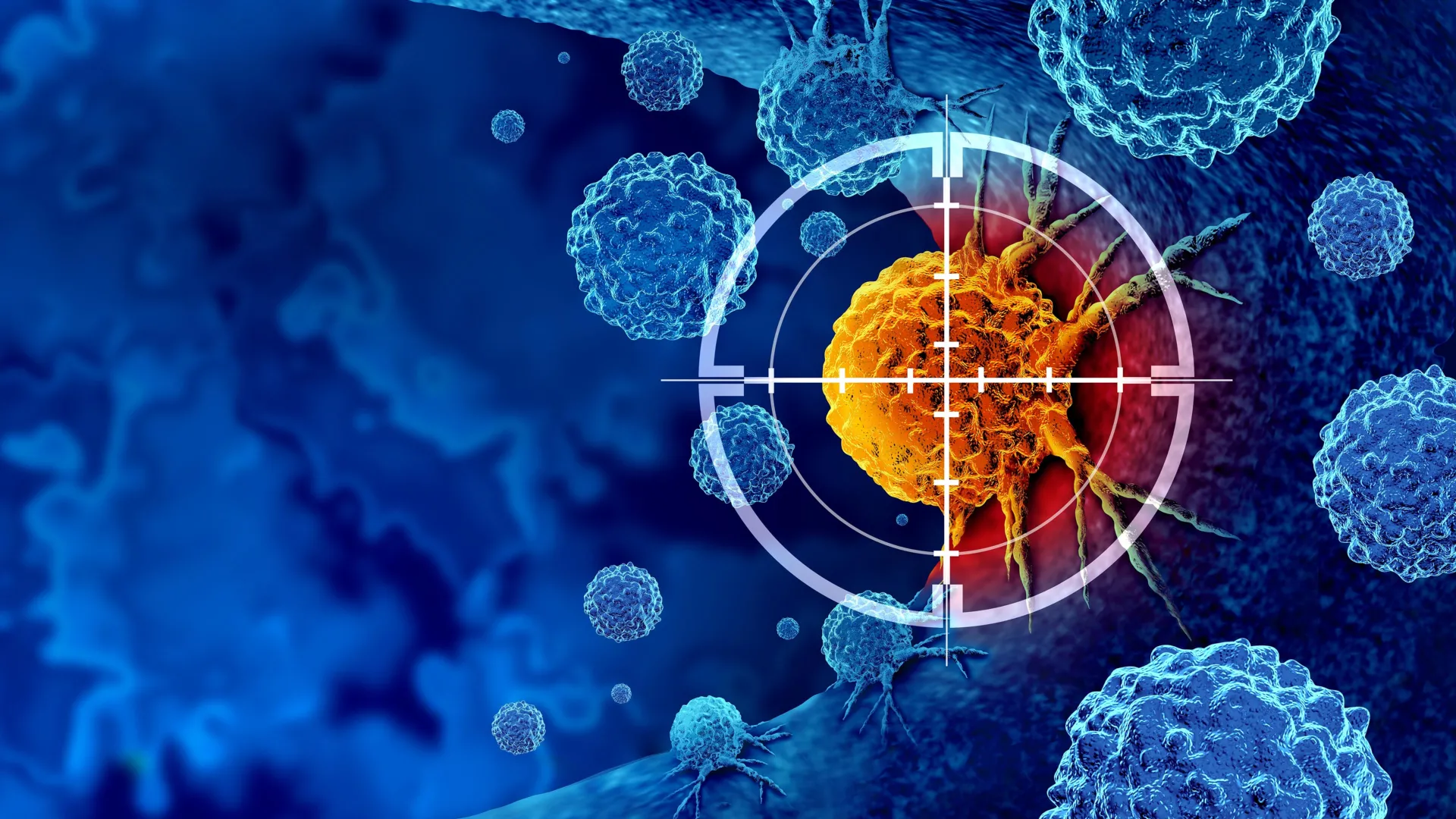
In a breakthrough that promises to reshape the landscape of modern oncology and transplant medicine, an international team of researchers has identified a fundamental flaw in the survival strategy of cancer cells. For decades, the dogma of immunology held that the immune system operated through a strictly partitioned command structure. However, new research published in the journal Nature Immunology reveals that this division is far more fluid—and that cancer’s primary method of evading detection may actually be its undoing.
The study, led by Dr. Pavan Reddy of the Baylor College of Medicine (BCM) in collaboration with the University of Michigan Rogel Cancer Center, demonstrates that when tumors shed their Major Histocompatibility Complex (MHC) class I proteins to hide from “killer” T cells, they inadvertently trigger a lethal, iron-dependent death process orchestrated by “helper” T cells. This discovery not only challenges a core tenet of biological science but also offers a blueprint for a new generation of immunotherapies.
The Architecture of Immunology: Breaking a Long-Standing Dogma
To understand the magnitude of this discovery, one must first understand the traditional view of the immune system. For over 40 years, immunologists have operated under the "MHC-T cell divide." In this model, the immune system uses two distinct communication pathways to identify threats:
- MHC Class I: These molecules were thought to exclusively present cellular information to CD8+ T cells, or "killer" T cells. If a cell is infected by a virus or turns cancerous, MHC I molecules display a "red flag" on the cell surface, signaling the CD8+ T cells to destroy the target.
- MHC Class II: These molecules were believed to communicate primarily with CD4+ T cells, or "helper" T cells, which coordinate the broader immune response and provide the necessary signals to activate other immune components.
This neat, binary division has served as the bedrock of cancer research. Scientists have long focused on how tumors evolve to "downregulate" or strip away their MHC class I molecules to become invisible to CD8+ T cells. It was assumed that once a tumor achieved this, it had successfully checked a critical box in its evolution toward metastatic dominance.
The research led by Dr. Reddy and his collaborators—including Dr. Arul Chinnaiyan and Dr. Marcin Cieslik—proves this assumption dangerously incomplete. Their study shows that the MHC class I pathway is not just a beacon for killer cells; it acts as a complex regulatory gatekeeper. When this gate is removed, the CD4+ T cell population steps into the breach with an unexpected and devastating efficiency.
Chronology of Discovery: From Lab Bench to Breakthrough
The road to this discovery was a multi-year effort, spanning the laboratories of two of the nation’s most prestigious research institutions. The project began with a fundamental question: Why do certain tumors persist even when they appear to have successfully evaded the immune system’s most common detection pathways?
Phase I: Identifying the Mechanism
The team began by utilizing advanced transcriptomic analyses—a method of reading the "gene expression" of cells—on both mouse models and human clinical samples. By observing how tumors responded when MHC class I expression was silenced, the researchers noticed a curious phenomenon. Instead of becoming more resilient, the tumor cells began to display signs of extreme oxidative stress.
Phase II: The Role of Ferroptosis
The researchers identified that the CD4+ T cells were not simply acting as "helpers." When MHC I levels dropped, these helper cells directly induced ferroptosis in the tumor cells. Ferroptosis is a unique, iron-dependent form of programmed cell death characterized by the accumulation of lipid peroxides. It is distinct from apoptosis (the typical "cell suicide" process) and provides a highly effective way of dismantling a cell from the inside out.
Phase III: Validating the Data
Recognizing the potential impact, the researchers expanded their scope to include large-scale clinical datasets. Dr. Chinnaiyan’s team at the University of Michigan examined patient outcomes from solid tumors treated with checkpoint inhibitors. They found a consistent correlation: patients whose tumors exhibited low MHC class I expression showed a unique, CD4-driven immune profile. This provided the "real-world" validation necessary to move the findings from a theoretical model to a potential therapeutic strategy.
Supporting Data: Evidence of a New Immune Pathway
The strength of the study lies in its multi-modal approach. By integrating genomic data with functional immune assays, the team was able to map the exact trajectory of the CD4+ T cell attack.
- Transcriptomic Evidence: RNA sequencing revealed a significant uptick in genes associated with iron metabolism and lipid peroxidation within cells that lacked MHC I and were exposed to CD4+ T cells.
- Functional Studies: In controlled environments, the researchers demonstrated that if you block the CD4+ T cell activity, the ferroptosis process stops, allowing the MHC-deficient tumors to thrive. This confirmed that the death signal was indeed being sent by the "helper" cells.
- Clinical Correlation: In human patients, the researchers observed that the presence of high-activity CD4+ T cells in the tumor microenvironment was a predictor of how well patients responded to immunotherapy, especially when the tumor’s MHC I status was compromised.
Implications for Modern Medicine
The implications of this discovery are twofold, affecting both the treatment of solid tumors and the management of autoimmune-like complications in transplant patients.
1. A New Horizon in Cancer Treatment
Current immunotherapies, such as PD-1 and PD-L1 inhibitors, rely heavily on the presence of MHC I to guide CD8+ T cells to the tumor. If a tumor loses MHC I, it often becomes "immune-cold" or resistant to these drugs. This research suggests that we might be able to turn this disadvantage into an opportunity. By pharmacological manipulation of the MHC I pathway, or by specifically activating the ferroptosis-inducing subset of CD4+ T cells, doctors could potentially target "treatment-resistant" tumors that have been deemed unreachable until now.
2. Graft-Versus-Host Disease (GVHD)
Beyond cancer, the research offers a light into the mechanics of bone marrow transplantation. Graft-versus-host disease occurs when donor immune cells (the graft) attack the recipient’s healthy tissues (the host). The study found that the same ferroptosis mechanism triggered in cancer cells also appears in damaged tissues during GVHD. By understanding how CD4+ T cells induce this damage, researchers hope to develop new prophylactic treatments that stop transplant rejection without completely suppressing the patient’s immune system.
Official Responses and Future Outlook
"Our work, if further validated, will have implications for T cell-mediated immune responses beyond cancer and transplant immunology," said Dr. Pavan Reddy. "This may allow for the development of novel strategies that target MHC class I and CD4+ T cells to leverage the beneficial side of immunity or mitigate unwanted immune responses."
The scientific community has reacted with cautious optimism. Immunologists note that while the discovery of this "CD4+ ferroptosis pathway" is a significant leap forward, the challenge now lies in translation. Turning a lab-observed phenomenon into a pharmaceutical product requires years of rigorous clinical trials.
The collaborative nature of the study—involving researchers from BCM, the University of Michigan, and the Howard Hughes Medical Institute—underscores the interdisciplinary effort required to tackle complex biological puzzles. The contributors, including Emma Lauder, Mahnoor Gondal, Meng-Chih Wu, Akira Yamamoto, Laure Maneix, Dongchang Zhao, and Yaping Sun, represent a new generation of scientists who are increasingly using big data and cross-institutional collaboration to challenge long-held medical assumptions.
Conclusion
The "dogma" of immunology, which for decades defined how our body distinguishes friend from foe, is undergoing a profound revision. By proving that the immune system is capable of "crossover" attacks—where helper cells can step in to perform the work of killer cells—Dr. Reddy and his team have unlocked a new door in the fight against disease.
As the medical community digests these findings, the focus will undoubtedly shift toward therapeutic intervention. Can we force cancer cells to enter this ferroptosis-prone state? Can we prevent the same mechanism from causing harm in transplant recipients? While the answers to these questions will take time to materialize, one thing is certain: the "invisible" cancer cells that once escaped our immune system are no longer quite so hidden. Through the lens of this new research, the very strategies tumors use to hide may eventually become the keys to their destruction.