










Published June 15, 2026
In the modern professional landscape, the battle for mental bandwidth begins the moment the alarm clock sounds. As the pace of daily life accelerates, the transition from sleep to high-stakes productivity often becomes a frantic, disjointed experience. However, a growing body of movement research suggests that the first ten minutes of the day are critical for establishing long-term cognitive focus and emotional regulation.
A newly released 10-minute morning yoga routine, developed by renowned instructor Kassandra Reinhardt, offers a synthesis of physical vitality and mindfulness. Designed to bridge the gap between sedentary rest and active engagement, this sequence provides a structured approach to "intention setting"—a practice that aligns internal values with external actions.
The Core Philosophy: Why Intention Matters
At its heart, this routine is not merely a series of stretches; it is a recalibration tool. Rather than launching immediately into a high-intensity workout or checking digital notifications, the sequence prioritizes a "pause."
The psychological benefit of this pause is rooted in the concept of value alignment. By utilizing an affirmation—in this case, "My thoughts, words, and actions are aligned with my values"—practitioners can create a mental roadmap for their day. This practice is supported by the I Radiate Joy deck, which serves as a tactile prompt for cognitive framing. When an individual consciously selects an intention, they are effectively training their nervous system to prioritize specific behavioral goals before the chaos of the day intervenes.
Chronology: A Step-by-Step Flow
The routine is carefully sequenced to move the body from stillness to dynamic motion, ensuring that both the muscles and the mind are adequately warmed.
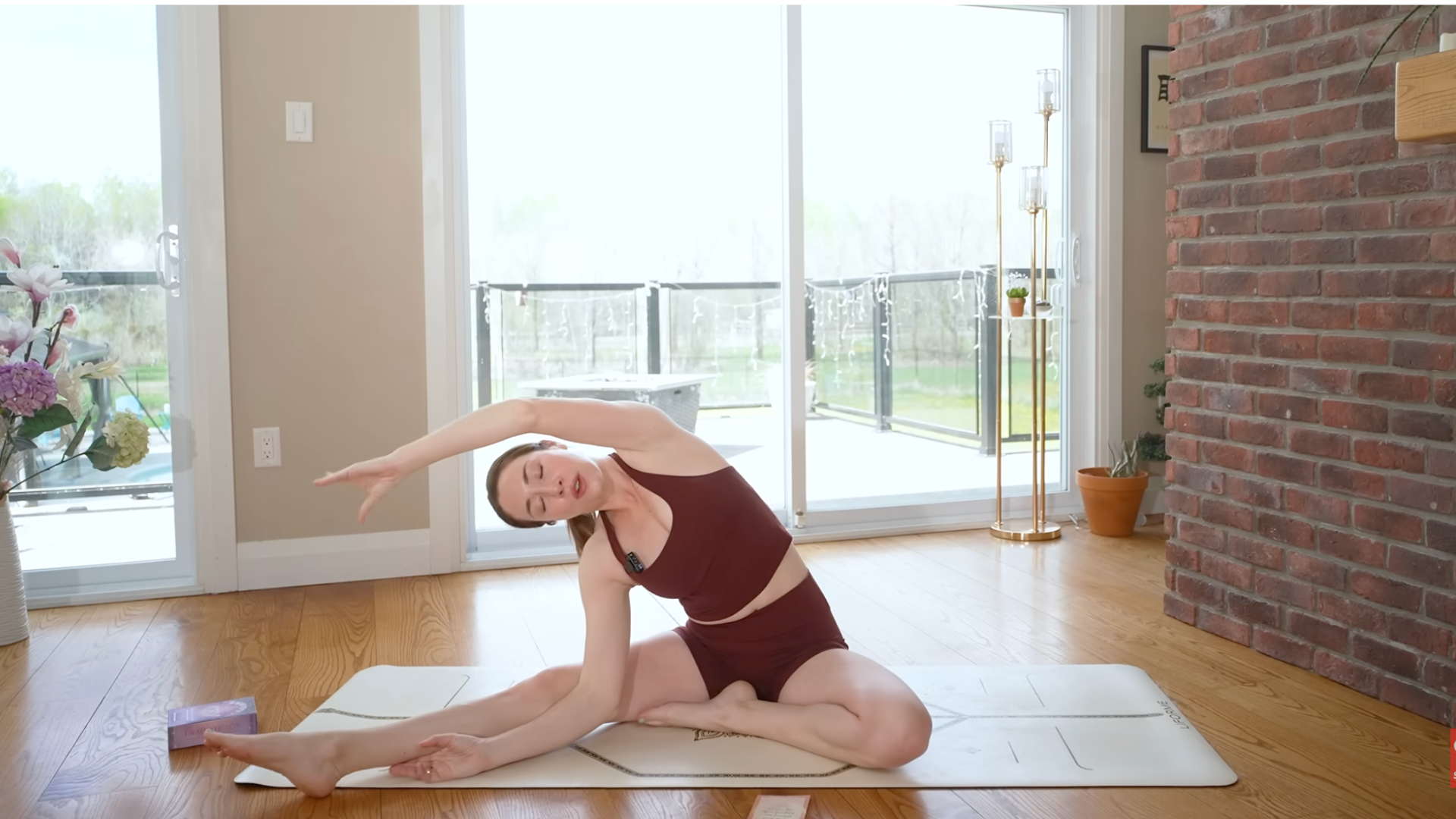
Phase 1: Grounding and Centering (Minutes 0–3)
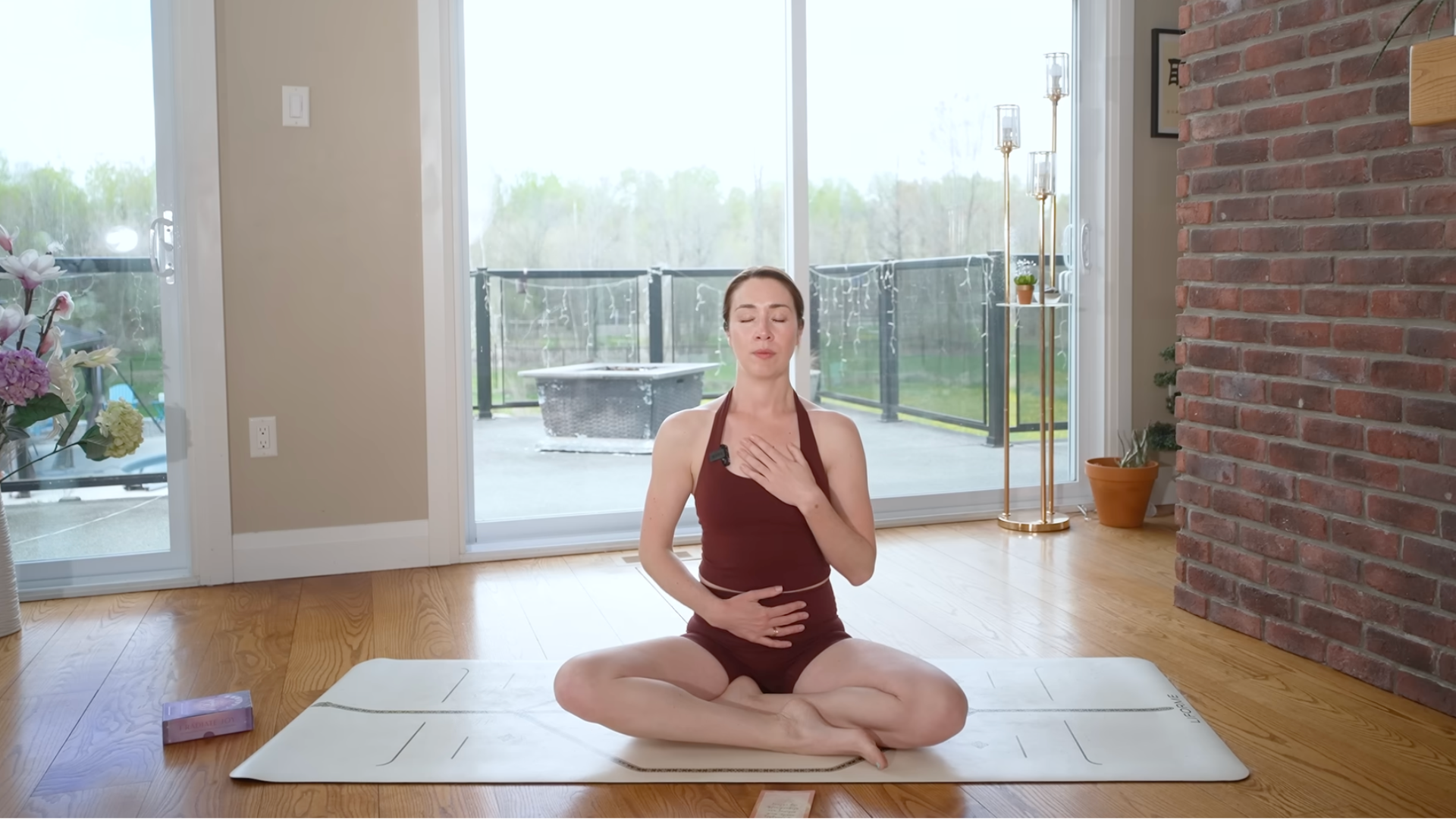
The practice begins in a seated position, either cross-legged or kneeling. By placing one hand on the lower belly and the other over the heart, the practitioner creates a biofeedback loop, physically feeling the breath as it expands through the chest and torso. This initial phase focuses on diaphragmatic breathing, which is clinically proven to activate the parasympathetic nervous system, lowering cortisol levels that naturally peak in the early morning.
Once centered, the practitioner engages in seated shoulder circles. This is a subtle, yet essential, movement to address the postural stagnation that occurs during sleep. By anchoring the sit bones into the mat, the practitioner begins to wake up the spine and hips, preparing the body for the more demanding poses to follow.
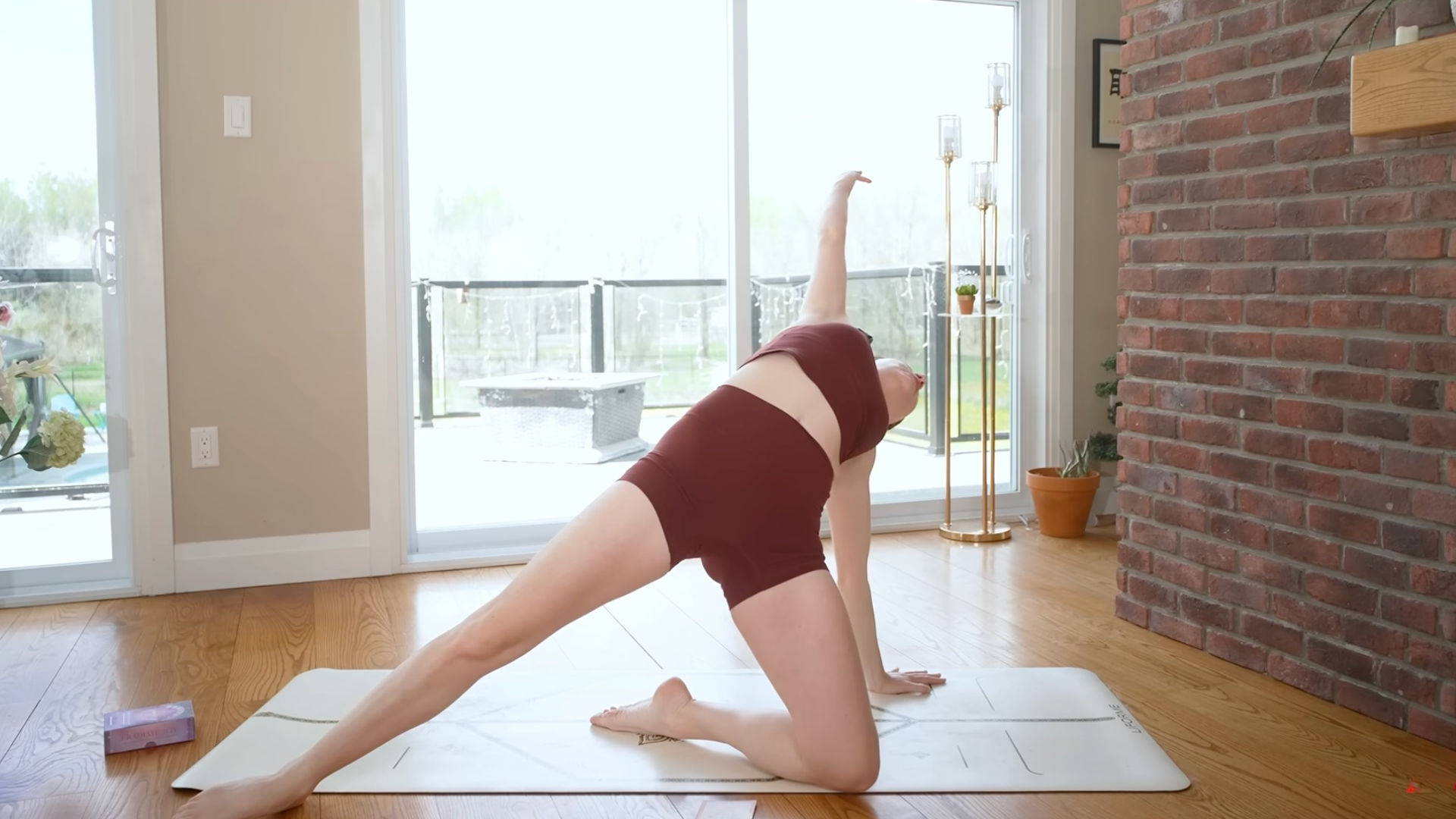
Phase 2: Dynamic Lateral Movement (Minutes 3–5)
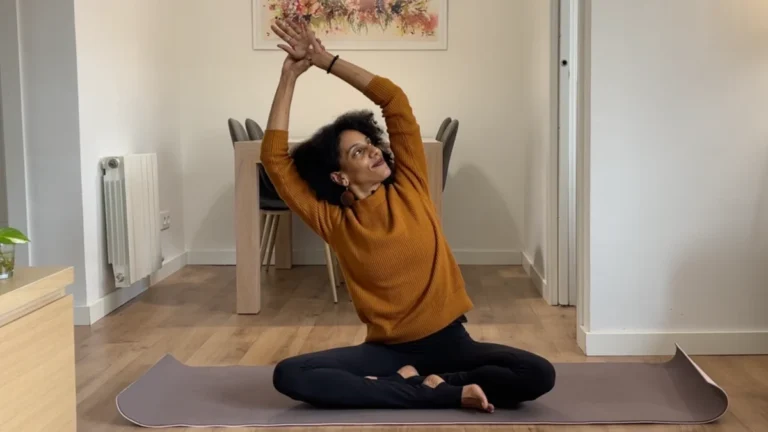
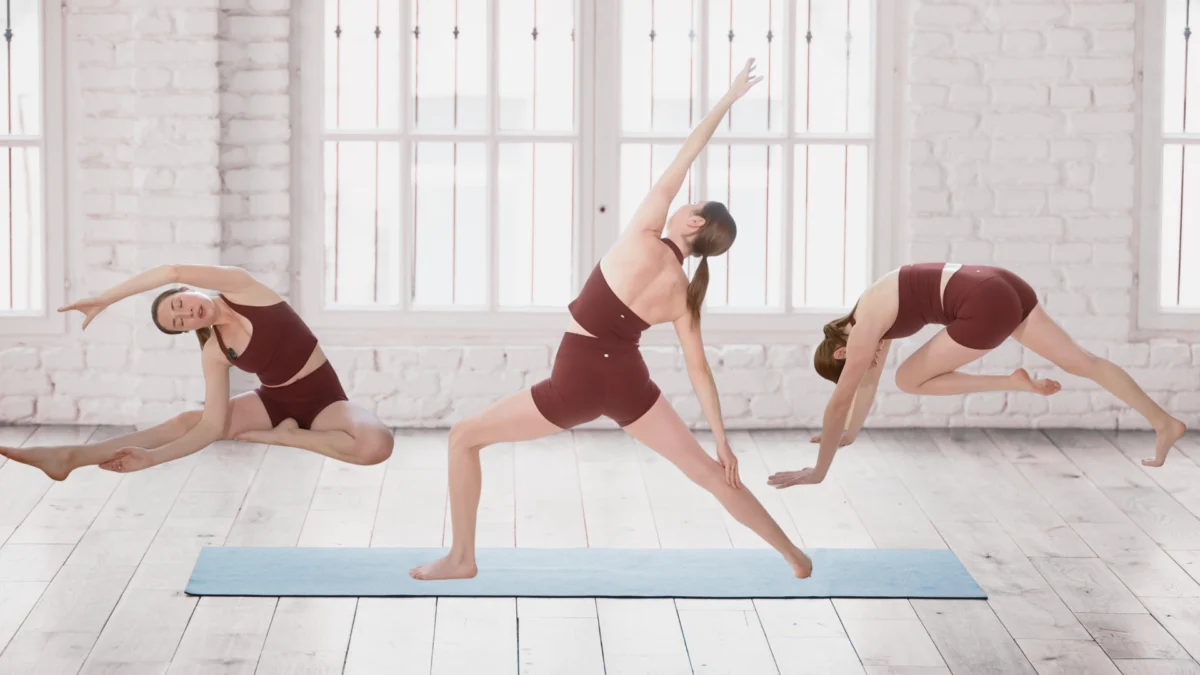
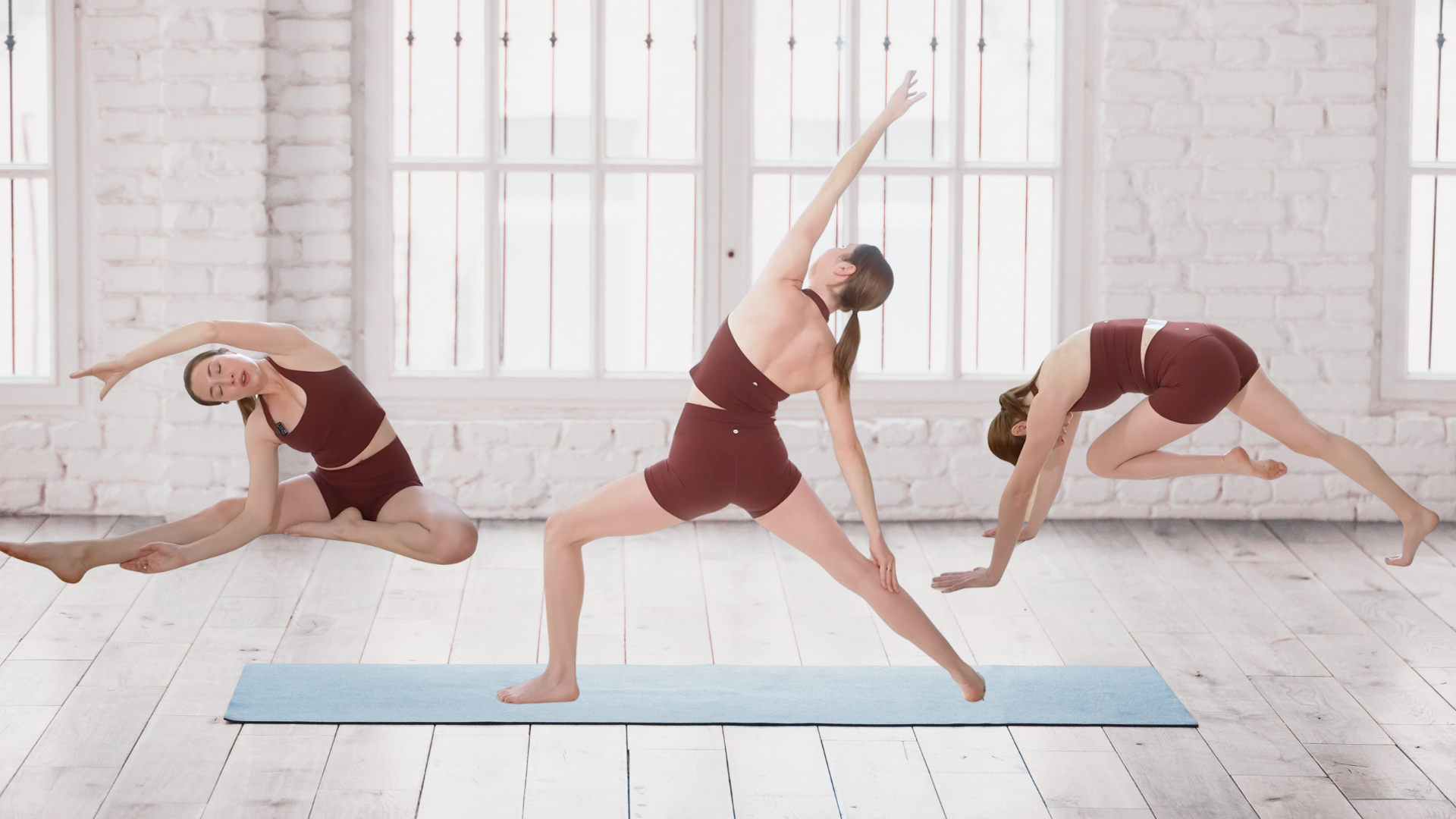
The sequence progresses into seated side-body stretches, transitioning into "Baby Wild Thing." This transition is crucial for lateral mobility. By flowing between a standard side stretch and a modified, kneeling backbend, the practitioner encourages spinal fluidity. This sequence is repeated on both sides to address physical imbalances, with the instructor noting that variations in range of motion between the left and right sides are entirely normal and expected.
Phase 3: The Active Sequence (Minutes 5–9)
The final portion of the routine transitions to hands-and-knees, incorporating a "flow" style of yoga. The sequence is as follows:
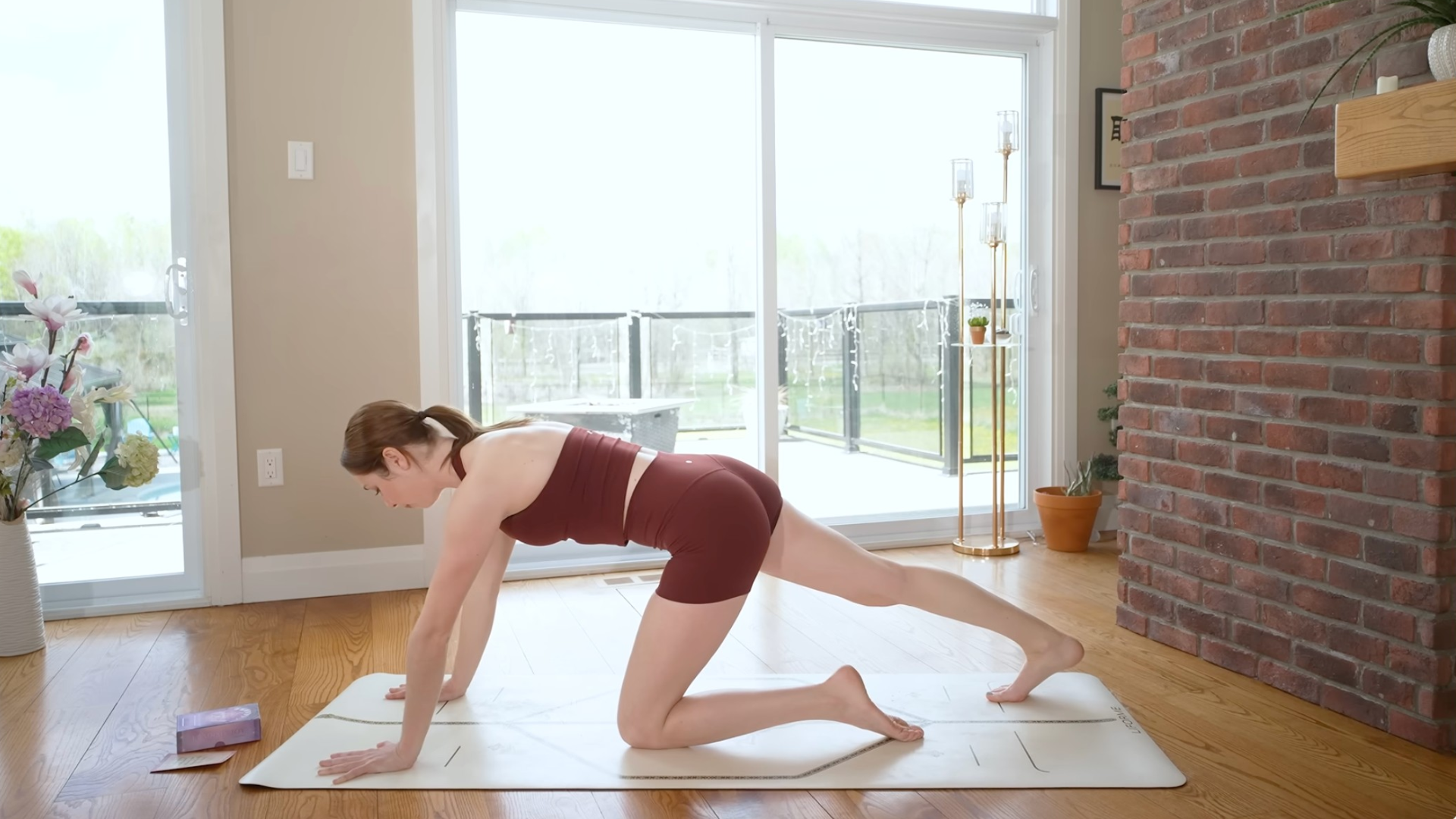
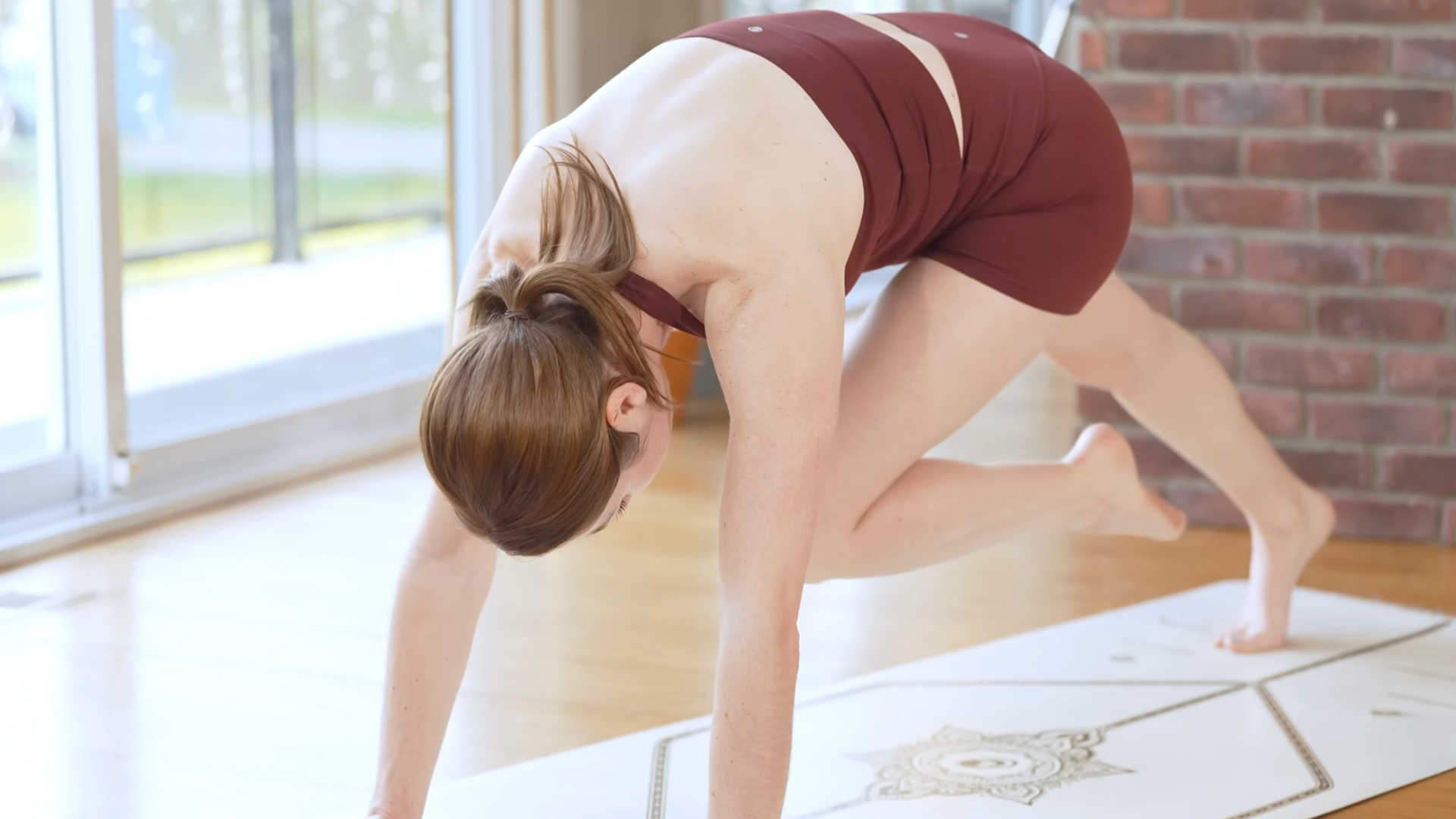
- Knee to Nose: A core-engaging move that forces the practitioner to round the spine and focus on deep contraction.
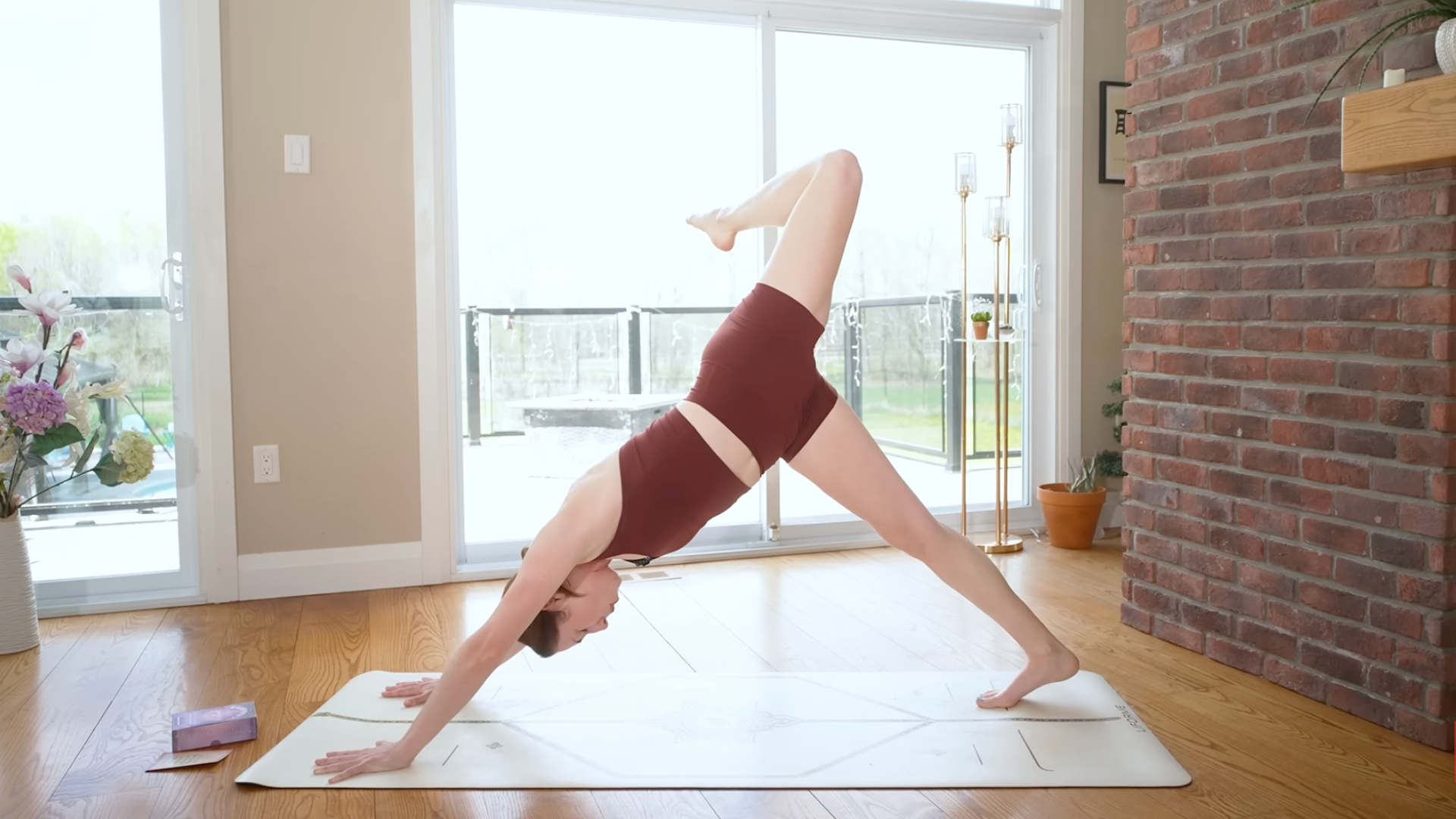
- Three-Legged Dog: An inversion that encourages blood flow toward the head and stretches the hip flexors.
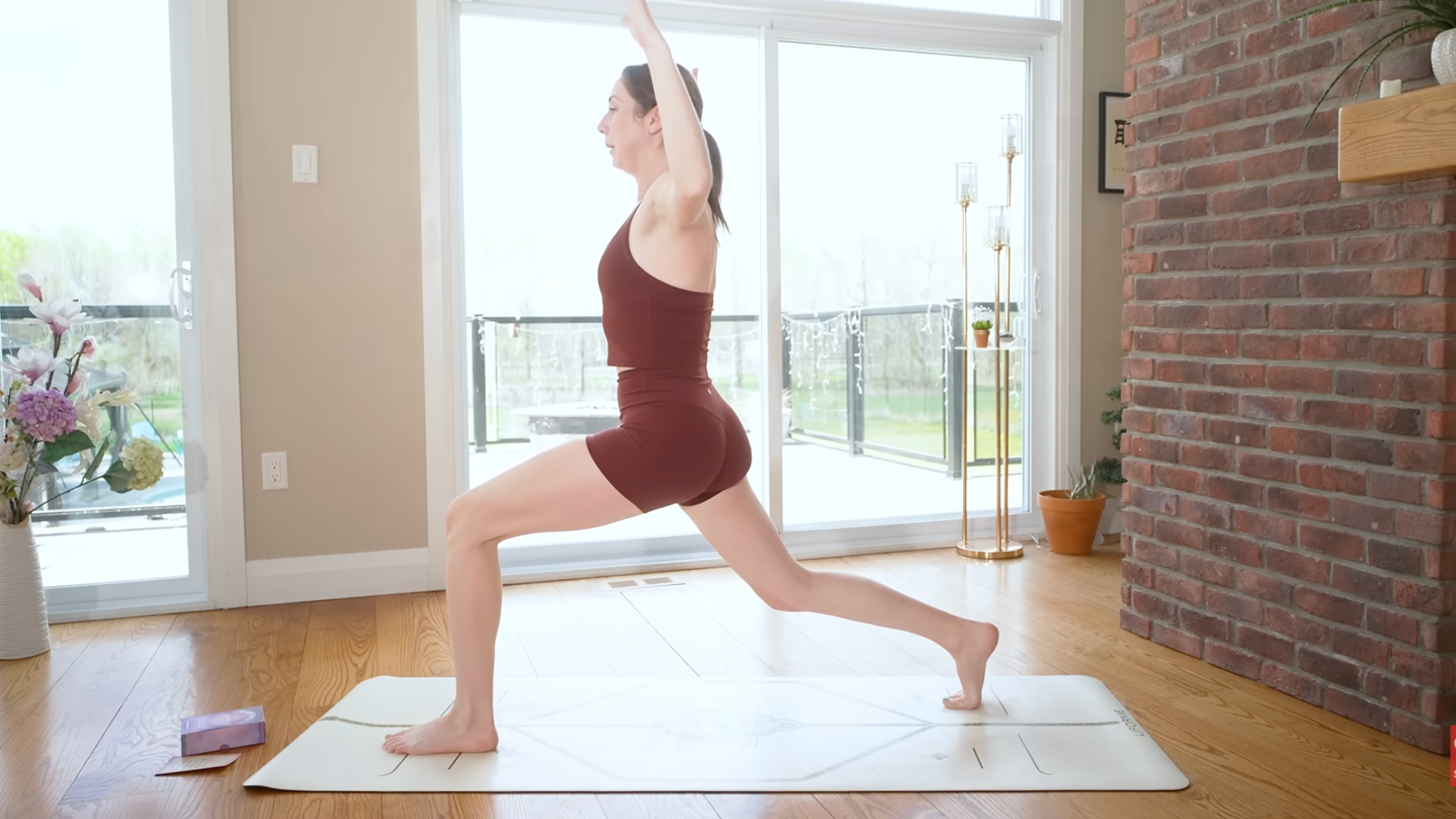
- High Lunge: A stabilizing pose that builds heat and demands balance, particularly when the back knee remains lifted.
- Warrior 2 and Reverse Warrior: These standing poses strengthen the legs while simultaneously opening the chest and side body.
- Plank and Cobra: A transition from stability to a gentle backbend, designed to strengthen the posterior chain.
- Child’s Pose: The resting anchor point, where the breath is recovered, and the initial intention is reaffirmed.
Phase 4: Integration and Closing (Minutes 9–10)
The routine concludes with a return to a seated position. This final minute is dedicated to silent reflection, asking the practitioner to consider how the physical movement has impacted their mental state and how that "aligned" intention can be carried into their upcoming meetings, projects, or personal obligations.
Supporting Data: The Science of Morning Movement
The efficacy of this routine is backed by broader trends in sports science and psychology. Research from the Journal of Behavioral Medicine suggests that morning physical activity, even in short durations, significantly enhances executive function—the set of mental skills that include working memory, flexible thinking, and self-control.
Furthermore, the integration of "intentionality" (the affirmation) acts as a form of cognitive priming. By repeating a value-based statement, the practitioner is less likely to react impulsively to external stressors later in the day. The physiological benefits—improved circulation, lymphatic drainage, and increased joint lubrication—are secondary to the primary goal: establishing a baseline of calm, controlled energy.
Expert Perspectives and Professional Implications
"Morning routines are the silent architects of our success," notes fitness consultant Dr. Elena Thorne. "What Reinhardt has constructed here is a ‘micro-dose’ of wellness. It doesn’t require the time commitment of a 60-minute class, which makes it highly sustainable for the average working professional. The inclusion of the affirmation is the real ‘secret sauce’—it shifts the focus from ‘what do I have to do?’ to ‘how do I want to exist today?’"
For the corporate professional, this shift is vital. By prioritizing the alignment of thoughts, words, and actions, the routine mitigates the "decision fatigue" that often plagues the modern workday. When a person enters a meeting having already centered their values, they are better equipped to navigate interpersonal challenges with grace and clarity.
Implications for Daily Wellness
The implications of this 10-minute investment are vast. When performed consistently, this routine can:
- Improve Postural Integrity: Counteract the "tech-neck" and rounded shoulders associated with desk work.
- Enhance Emotional Regulation: Provide a physical release for stress that is stored in the hips and shoulders.
- Increase Cognitive Flexibility: By moving through different planes of motion, the body and brain become accustomed to transitions, making the practitioner more adaptable to change.
- Foster Consistency: Because the routine is short, the barrier to entry is low, making it significantly more likely that the user will adhere to the habit long-term.
In conclusion, the 10-minute intention-setting routine is an accessible, scientifically sound method for improving daily performance. By combining dynamic movement with deep, values-based introspection, Kassandra Reinhardt provides a blueprint for a more intentional life. As we navigate an increasingly demanding world, the act of stepping onto a mat for just ten minutes is not just a form of exercise—it is an act of reclaiming one’s autonomy, one breath at a time.