











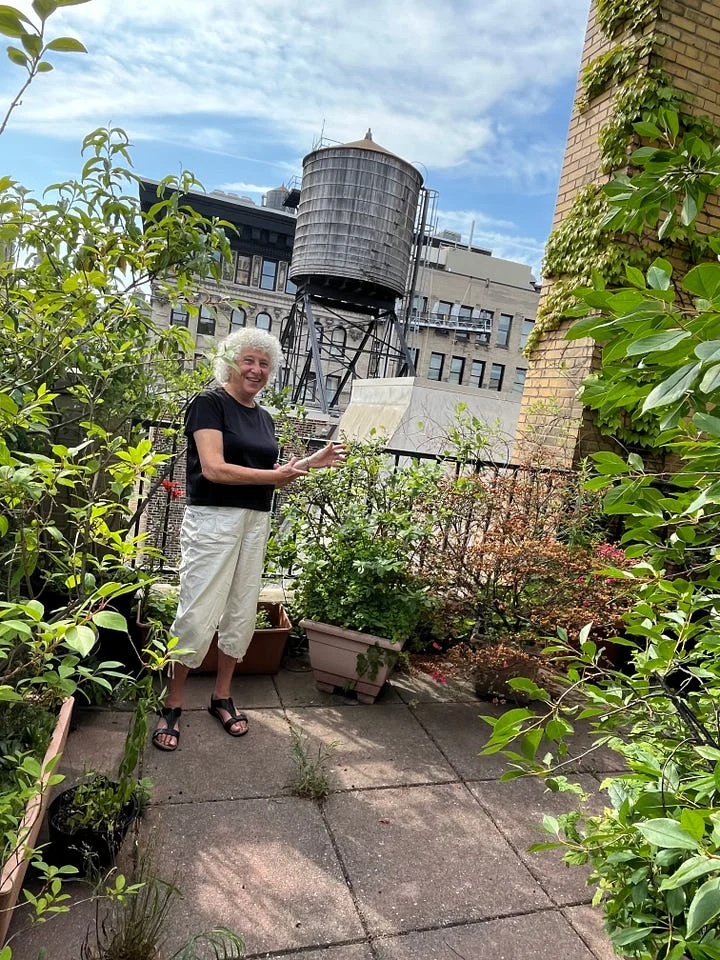
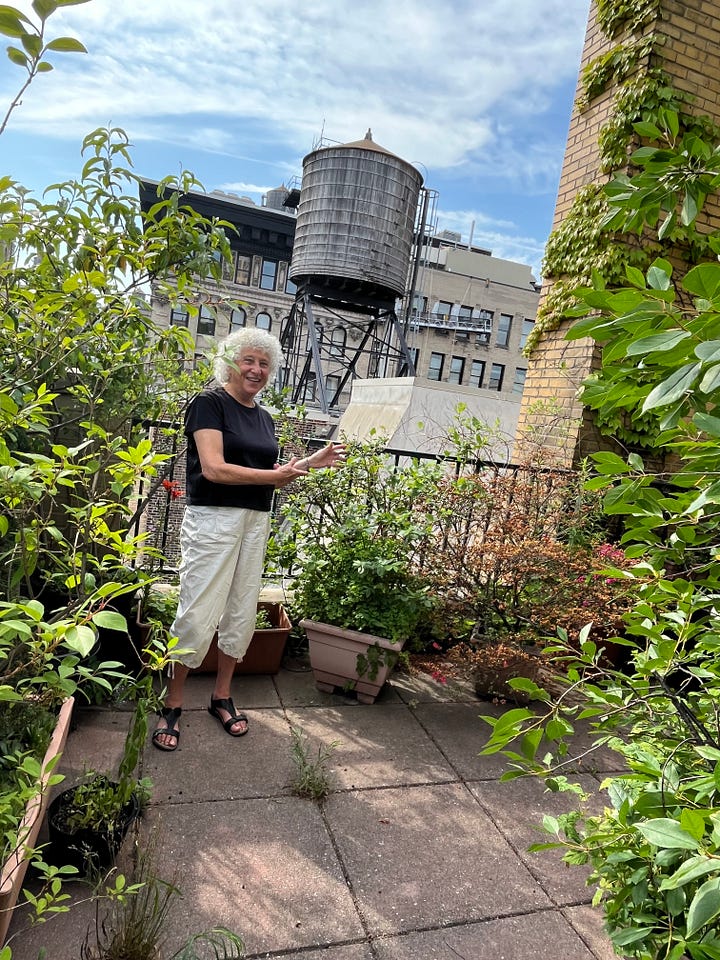
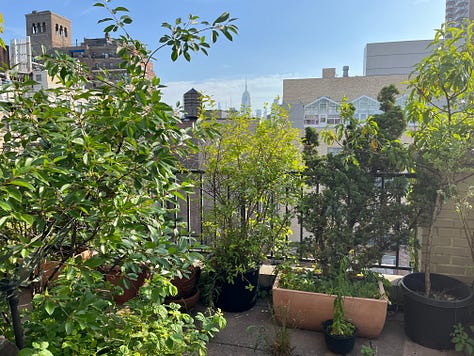
In the heart of Manhattan’s Greenwich Village, 12 stories above the relentless urban hum of the city, lies a sanctuary that defies the concrete landscape. This is the private terrace garden of Dr. Marion Nestle, a space that serves as both a lush retreat and a testament to the resilience of nature. For the public, Dr. Nestle is a titan of nutritional science and an unflinching watchdog of the food industry. But for those granted a glimpse behind the curtains of her landmarked 1931 building, she is something else entirely: a gardener who finds profound clarity in the soil.
The Intersection of Public Policy and Private Greenery
To understand the significance of Dr. Nestle’s garden, one must first appreciate the magnitude of her professional career. At 89, she remains the nation’s preeminent authority on food policy. With 17 books to her name—including the seminal What to Eat—and a career spanning decades of advocacy against corporate lobbying and deceptive marketing, her influence on how Americans view their dinner plates is immeasurable.

Her advocacy has long centered on the systemic issues that keep the public trapped in cycles of poor health. Yet, in her own life, she practices a philosophy of simplicity that is far removed from the complex, often broken, food systems she critiques. Her terrace, which she maintains with a "hands-off" approach, stands as a quiet rebellion against the processed, hyper-industrialized food culture she has spent her life dismantling.
A Chronology of the Terrace Oasis
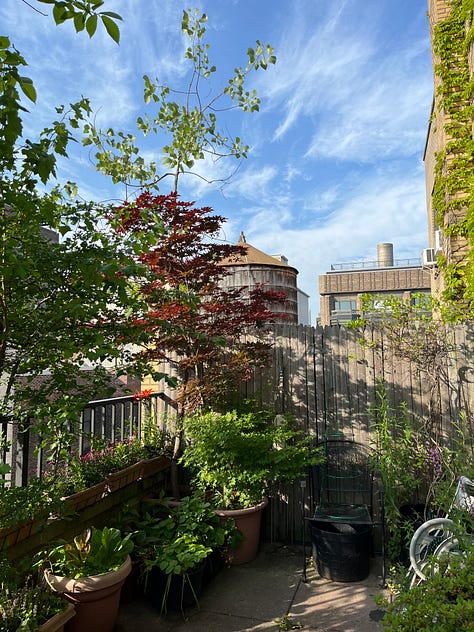
The evolution of Dr. Nestle’s garden is a study in persistence. When she first moved into the apartment—formerly occupied by the late New York City Mayor Ed Koch—the building’s administration was strictly opposed to any greenery on the terrace. The space was then pristine, covered in ornate Mexican tiles.
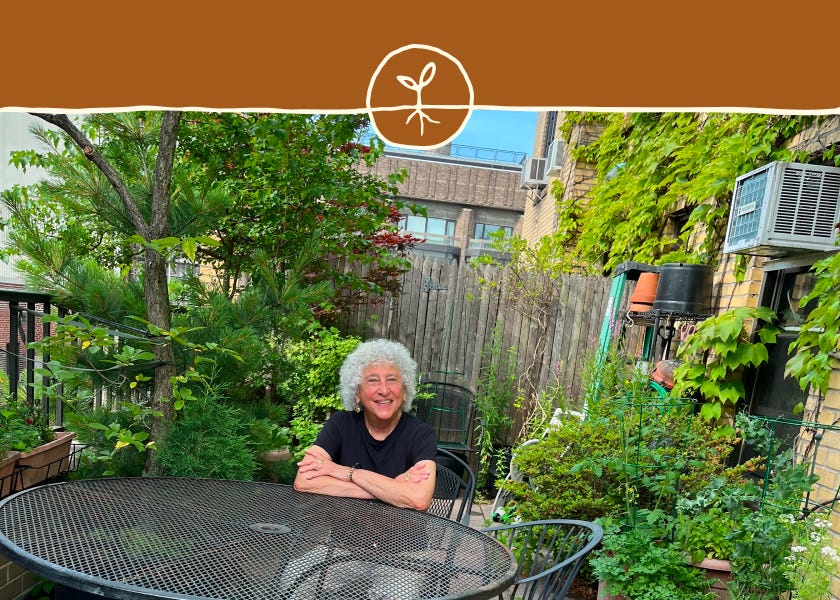
"I wrote a lengthy petition," Dr. Nestle recounts, recalling her initial battle with the building’s super. She struck a deal: she would keep all pots off the tiles to protect the historic surface, and in return, she was permitted to cultivate her oasis.
Over the years, the garden has been subject to the rhythmic demands of New York City building maintenance. Every five to ten years, the building requires "pointing"—the essential process of checking and repairing brickwork. During these periods, the terrace is stripped bare, its contents removed to make way for construction equipment. Yet, like the resilient plants she nurtures, the garden has consistently returned, evolving into a productive, semi-wild ecosystem.

Supporting Data: What Grows in the Sky
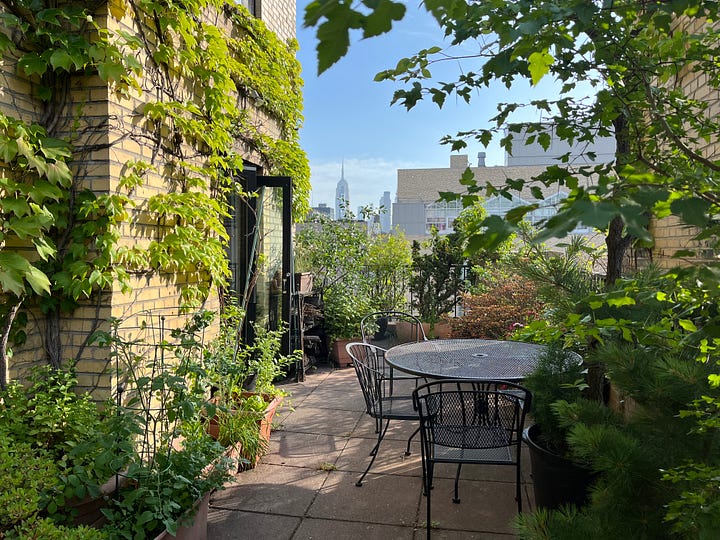
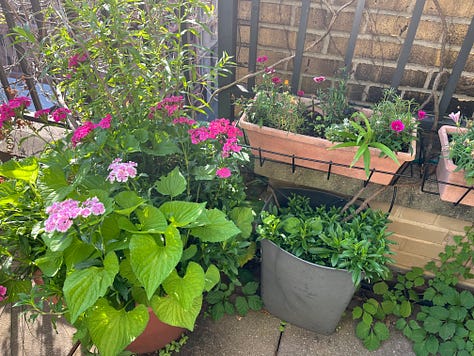
Dr. Nestle’s garden is a remarkable example of container gardening efficiency. It is a productive landscape that features:
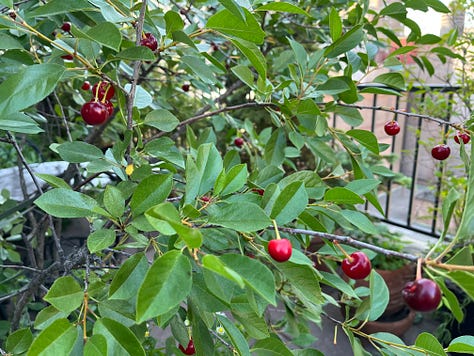
- Fruit-Bearing Trees: Dwarf sour cherry and peach trees, which provide modest but meaningful harvests.
- Small Fruits: Raspberries, strawberries, and blueberries.
- Vines and Climbers: Two varieties of honeysuckle and ivy that provide privacy and aesthetic depth.
- Vegetables and Herbs: A curated selection including tomatoes, lettuce, basil, rosemary, cilantro, and oregano.
- Ornamentals: Daylilies, dianthus, azaleas, and a Japanese Maple that anchors the space.
Crucially, the garden operates with a "survival of the fittest" mentality. Many of the plants are volunteers—trees like the hawthorn have appeared on their own, and the ivy is notoriously prolific, seeding itself into every available container. Dr. Nestle treats these occurrences not as nuisances, but as part of the garden’s natural character.
Official Perspective: The Philosophy of "Effortless" Growth
When asked about her gardening routine, Dr. Nestle rejects the modern, highly curated aesthetic often seen on social media. She describes her approach as "effortless."
"I don’t consider myself a particularly wise gardener," she admits. "I mostly let the plants do their thing and try to keep the weeds to a minimum. If I get the light right, they will grow."
Her only significant investment is a sophisticated, computerized watering system. This, she notes, is her "one gardening luxury," and it is the key to her success. It allows her to maintain the garden even during her extensive travel schedule, ensuring that her plants remain hydrated through the sweltering New York summers. She does not bring plants indoors for the winter; they remain on the terrace, a stark contrast to the pampered houseplants favored by many city dwellers.
Addressing the Food Safety Crisis
Dr. Nestle’s interest in home gardening is inextricably linked to her broader concerns regarding food safety. In recent years, she has expressed significant alarm over the state of the American food supply, specifically pointing to the risks associated with "triple-washed" bagged salads and other industrially processed greens.
For the average consumer, the risks are often hidden behind regulatory loopholes and a lack of transparency in the supply chain. Dr. Nestle’s advice for mitigating these risks is refreshingly simple: "Wash your veggies!"
She argues that home-grown vegetables are fundamentally safer than their industrially produced counterparts, which are processed in massive facilities where cross-contamination is a constant threat. By controlling the environment—even in a pot on a 12th-floor terrace—a gardener significantly reduces their exposure to the pathogens that frequently trigger massive, nationwide food recalls.
Implications: The Path Forward for Urban Growers
The implications of Dr. Nestle’s gardening philosophy are twofold: they offer a blueprint for individual health and a critique of our collective dependence on industrial food.
1. Breaking the Dependence on Plastic-Wrapped Produce
Dr. Nestle encourages those with even the smallest balconies to start small. Her advice is to focus on what you actually enjoy eating. "Salads are easy," she suggests. "Put in a few lettuce plants. Radishes!" By growing even a small fraction of one’s own food, individuals can bypass the "plastic clamshells" and the environmental and safety costs associated with industrial agriculture.
2. Redefining Success in the Garden
For the aspiring urban gardener, the lesson from the 12th floor is one of patience and acceptance. There is no need for a massive yard or expensive equipment. Success is found in experimentation. Whether it is a small pot of chives on a windowsill or a collection of cherry tomato plants on a terrace, the act of growing food serves as a bridge between the consumer and the source of their nutrition.
3. A Call to Localize
While Dr. Nestle acknowledges that she cannot feed herself entirely from her terrace, the psychological and nutritional benefits of her garden are undeniable. She advocates for a return to basics: soil, light, and water. By shifting our focus away from the "fad" diets that she so vocally opposes and toward the consumption of whole, fresh, plant-based foods, we can reclaim a measure of control over our own well-being.
Conclusion: Lessons from a Life in the Soil
As Dr. Nestle prepares for her upcoming appearances, including the Aspen Ideas Festival, her terrace garden remains a constant. It is a place where the world’s most prominent critic of the food industry can step away from the politics of nutrition and simply watch things grow.
Her garden reminds us that in a world of complexity, some of the most important answers are the simplest. Whether it is a small, hard-won harvest of cherries for a morning bowl of yogurt or the simple pleasure of watching an elm tree grow from a shoot, Dr. Nestle’s terrace is a living testament to the fact that we can all, in our own way, cultivate a better relationship with what we eat. In the heart of the city, she has found that the most radical act of food politics might just be growing your own.