





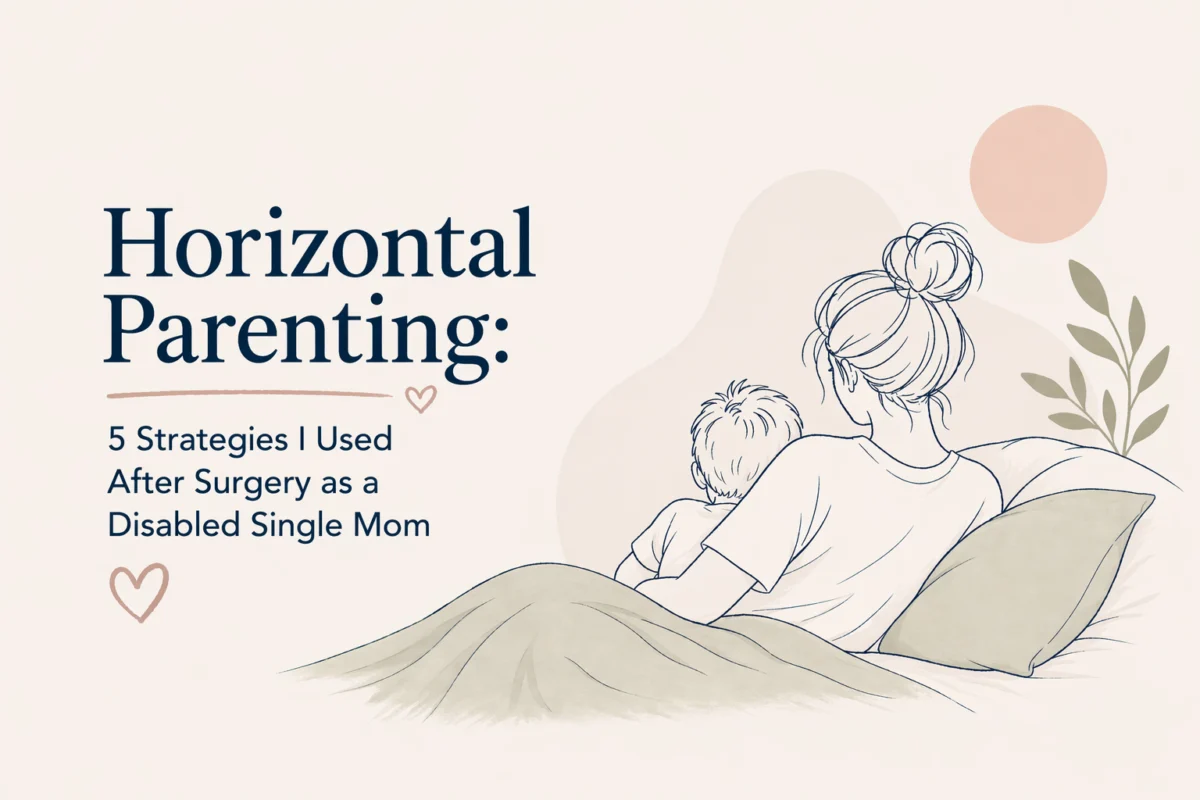
For many parents, the concept of "raising a child" is inherently linked to mobility: chasing a toddler through a park, lifting an infant into a crib, or preparing meals while standing at a kitchen island. But for Katie Zinno, a single mother living with a complex constellation of chronic illnesses—including Ehlers-Danlos Syndrome (EDS), Postural Orthostatic Tachycardia Syndrome (POTS), Mast Cell Activation Syndrome (MCAS), and Sjögren’s—parenting is a feat of engineering, radical adaptation, and emotional fortitude. Having navigated over 40 surgeries, including intensive spinal fusions and brain surgery, Zinno has pioneered a survival philosophy she calls "Horizontal Parenting."
The Genesis of a Survival Strategy: A Chronology of Challenge
The trajectory of Zinno’s journey is one defined by extreme circumstances. Her son was born 11 weeks premature, necessitating a 63-day stay in the Neonatal Intensive Care Unit (NICU). The family’s return home coincided precisely with the onset of the global COVID-19 pandemic in early 2020.
Just eight months after navigating the complexities of a medically fragile infant in isolation, Zinno was faced with a life-altering medical intervention: an Occipitocervical fusion. This surgery, designed to stabilize the connection between the skull and the cervical spine, required an extensive recovery period during which she was immobilized in a neck brace.
"There is no manual for recovering from this kind of major surgery with a small baby during a global lockdown," Zinno reflects. Left without a roadmap, she began to synthesize her own, eventually formalizing a strategy that prioritized the bond between mother and child over the societal pressures of "traditional" parenting.
The Pillars of Horizontal Parenting
Zinno’s approach challenges the ableist narrative that equates parental competency with physical stamina. Her framework is built on five core tenets designed to maintain family stability despite fluctuating health.
1. Presence Over Perfection
The most significant hurdle for many parents with disabilities is the guilt of "not doing enough." Zinno recalls a pivotal moment in the NICU while recovering from a blood clot and emergency kidney surgery. Devastated by her inability to breastfeed, she was comforted by a lactation consultant who provided the anchor for her parenting philosophy: "He won’t remember breastmilk or formula; he will remember whether you were present."
This realization allowed Zinno to embrace "radical acceptance." She stopped viewing chores like dishes or laundry as moral imperatives and began to see them as energy-draining tasks that could be deferred. By prioritizing the emotional connection—even if that connection took place while she was bedbound—she shifted the definition of a "good parent" from one who serves to one who stays.
2. Engineering the Environment
For those living with POTS, where standing can trigger rapid heart rate and dizziness, or EDS, where joints are prone to dislocation, the physical environment is a major obstacle. Zinno restructured her home to facilitate "horizontal living." By moving essentials to lower levels, keeping a well-stocked "care station" near her bed, and simplifying meal preparation, she ensured that her physical limitations did not result in a failure of basic care.
3. Designing for Autonomy
As her son grew, teaching him self-sufficiency became a necessity. For a child who is neurodivergent—specifically, medically complex and autistic—this required a tailored approach. By creating a home environment that safely fostered independence, Zinno was able to empower her son. This practice serves a dual purpose: it prepares the child for life beyond the home while reducing the physical labor required of the parent.
4. Transparent Communication: Explaining Illness
The emotional toll of illness is often compounded by the child’s misunderstanding of the parent’s absence or pain. Zinno emphasizes that children interpret parental limitations through their own developmental lens, often internalizing the stress or fearing that the parent’s condition is their fault.
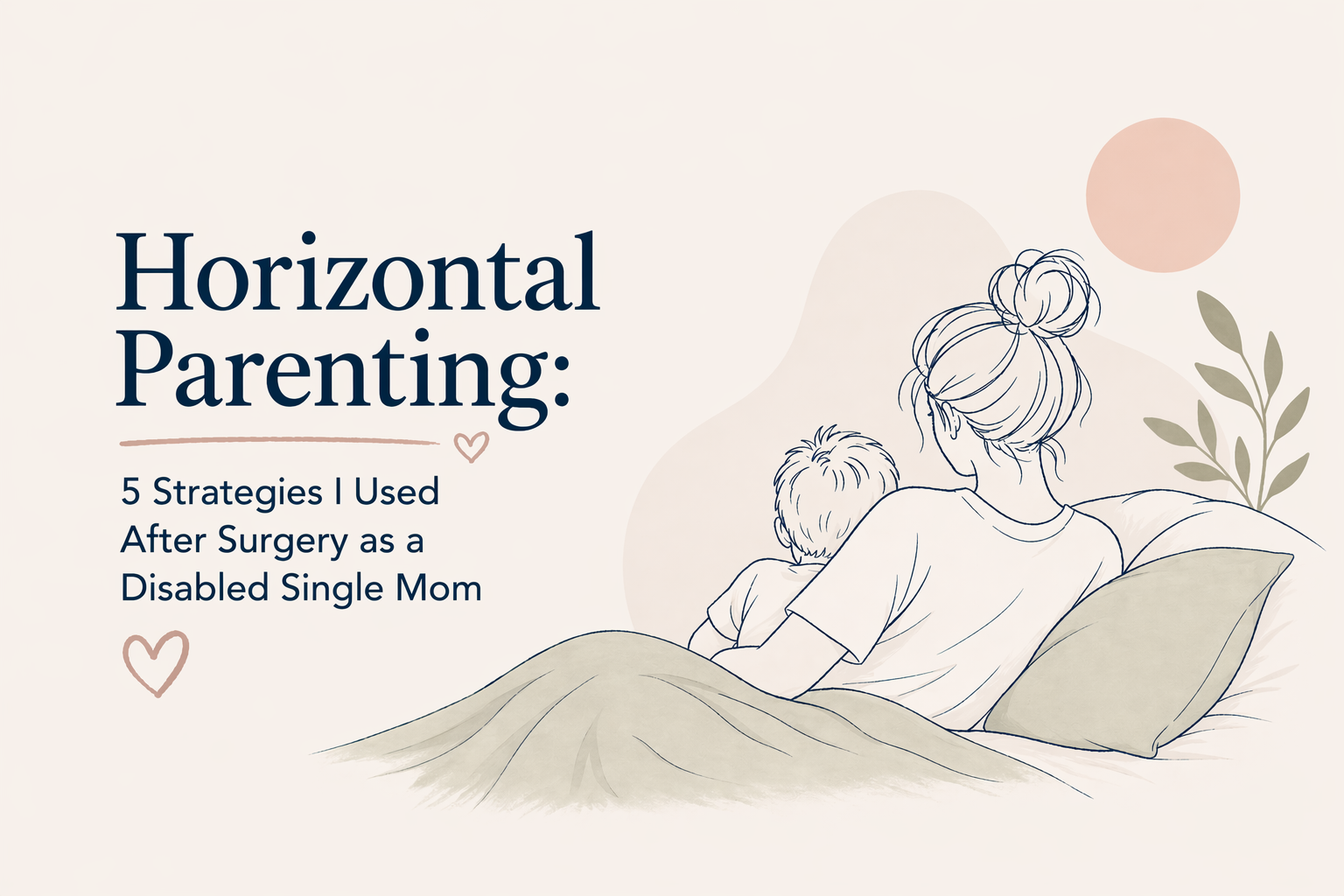
Zinno advocates for honesty, even when it is difficult. She learned that attempting to hide her suffering only led to confusion and, eventually, emotional outbursts. By regulating her own emotions first and speaking clearly about her health, she turned her illness from a "scary mystery" into an understood, manageable part of their family life.
5. Building a "Village" Under Pressure
The pandemic dismantled traditional support systems, forcing many to find new ways to connect. For the disabled parent, the "village" is not a luxury—it is an essential medical support. Zinno stresses the importance of intentional community building, encouraging others to reach out to friends, neighbors, or local networks before a crisis hits.
Supporting Data and the Reality of Disabled Parenting
The experiences shared by Zinno are mirrored by a growing demographic of parents living with chronic conditions. According to the U.S. Census Bureau and various health advocacy organizations, millions of Americans identify as disabled, and a significant portion are active parents.
Research into "caregiver burden" suggests that when disabled parents have access to adaptive equipment and social support, the developmental outcomes for their children are comparable to those of non-disabled parents. However, systemic barriers—ranging from the high cost of home modifications to the lack of specialized pediatric support for children of disabled parents—often create a "hidden" struggle that remains largely ignored by mainstream policy.
Official Responses and Societal Implications
Advocacy groups like the Chronic Pain Partners organization have highlighted the need for more inclusive parenting resources. The medical community is slowly beginning to acknowledge that "patient-centered care" must also be "family-centered care." When a surgeon performs a procedure on a primary caregiver, the recovery plan should ideally include discussions about the realities of home caregiving.
Medical ethicists argue that the "supermom" ideal—the expectation that mothers should be universally capable and endlessly energetic—is a social construct that causes harm. By highlighting stories like Zinno’s, the medical and parenting communities are being pushed to expand their definitions of care to include those who, due to injury or chronic illness, parent from a different perspective.
Conclusion: The Endurance of the Floor
The transition from a life of standard mobility to one defined by chronic pain and surgical recovery is a profound, life-altering experience. Yet, as Zinno demonstrates, it is not the end of meaningful parenting. The strategies of "horizontal parenting" serve as a testament to the fact that the most valuable gift a parent provides is not the ability to stand, run, or clean, but the capacity to be present, engaged, and honest.
For those struggling with the burden of feeling "not enough," Zinno’s message is clear: the fact that you feel this way is evidence of your deep commitment to your child. Parenting is not a performance; it is a relationship. And if that relationship is fostered from the floor, it is no less valid, no less deep, and no less impactful than any other.
Disclaimer: This article reflects the personal experiences of the author and is intended for informational and supportive purposes only. It is not medical, parenting, or professional advice, nor does it endorse any specific products. Caregivers should always use appropriate supervision and ensure safety when applying any strategies described. Readers should consult their healthcare providers before making decisions related to their health, treatment, or caregiving practices.