








Introduction: A Mission-Critical Appointment
The Lymphoma Research Foundation (LRF), the nation’s largest non-profit organization devoted exclusively to funding innovative lymphoma research and serving the lymphoma community, has officially announced an opening for a Senior Manager, Scientific Program Operations.
This pivotal role is designed to serve as the administrative and operational backbone for the Foundation’s Scientific Programs and Initiatives team. As the organization continues to push the boundaries of medical research to eradicate blood cancers, it requires a high-level operational leader capable of navigating the complex intersection of scientific collaboration, regulatory engagement, and professional education. While the LRF is a scientific powerhouse, this specific mandate is aimed at an individual who possesses the operational rigor of a Chief of Staff or a seasoned executive assistant, rather than a bench scientist. It is a call to action for those who thrive in high-stakes environments where precision, discretion, and logistical mastery are paramount.
The Mission: Realizing the Promise of Science
At the heart of the LRF lies a singular, urgent mission: to realize the promise of science to eradicate lymphoma. Lymphoma, a type of blood cancer that affects the lymphatic system, impacts hundreds of thousands of individuals annually. The Foundation’s work is multifaceted, ranging from funding high-impact research grants to providing vital educational resources for patients and healthcare professionals.
The incoming Senior Manager will step into an ecosystem that bridges the gap between academic research, clinical practice, and public policy. By facilitating partnerships between clinicians, government agencies, and regulatory bodies, the Senior Manager becomes an essential architect of the very forums where medical breakthroughs are discussed and vetted.
The Role: Operational Excellence in a Scientific Context
The Senior Manager, Scientific Program Operations, will report directly to the Director of Scientific and Professional Education Programs. The position demands a unique blend of "big picture" strategic thinking and "in the weeds" logistical execution.
Key Areas of Responsibility
The scope of this role is expansive, covering the entire lifecycle of the Foundation’s scientific portfolio. The core responsibilities include:
- Scientific Program & Portfolio Management: The Senior Manager will oversee the workflow and output of all scientific programs. This involves translating high-level organizational goals into actionable project plans, ensuring that the Foundation’s initiatives remain on schedule and within scope.
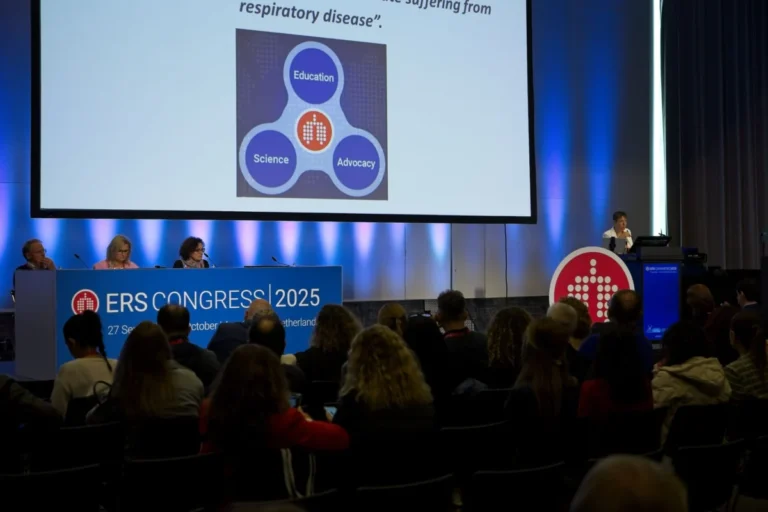
- Event & Meeting Logistics: From virtual webinars to large-scale, in-person scientific conferences, the Senior Manager will be responsible for the end-to-end execution of events. This includes everything from venue procurement and speaker coordination to managing complex audiovisual requirements and on-site attendee experiences.
- Stakeholder & Vendor Coordination: The Foundation relies on a network of elite external chairs, steering committees, and corporate vendors. The Senior Manager will serve as the primary liaison, managing these high-profile relationships to ensure that all parties are aligned with the Foundation’s objectives.
- Communications & Strategic Support: As a strategic partner to department leadership, the Senior Manager will handle sensitive communications and complex scheduling. The role requires the ability to distill technical information for various stakeholders and maintain confidentiality in a fast-paced, high-stakes environment.
Chronology of the Foundation’s Strategic Growth
To understand the importance of this role, one must look at the trajectory of the LRF. Over the past decade, the Foundation has moved from a traditional grant-making body to an active catalyst for collaborative research.
- The Early Years: Historically, the Foundation focused primarily on funding independent research projects.
- The Shift to Collaboration: Recognizing that siloed research was insufficient to solve complex blood cancers, the LRF began prioritizing collaborative initiatives, bringing together researchers from different disciplines to share data and findings.
- The Pandemic Pivot: The rapid transition to virtual and hybrid scientific programming necessitated a higher level of digital infrastructure and sophisticated project management, creating the need for the specialized role now being filled.
- Current State: Today, the LRF manages an international network of experts. The Senior Manager, Scientific Program Operations, represents the next step in professionalizing this infrastructure to ensure the Foundation can handle an increasing volume of complex, global scientific partnerships.
Supporting Data: Why Operations Matter in Non-Profit Research
Non-profit organizations, particularly in the medical research sector, face a unique set of pressures. Unlike private corporations, they must balance operational efficiency with the urgent, emotional nature of their mission.
Data from the non-profit sector suggests that organizations with robust administrative support for their scientific teams see a significant increase in program delivery speed. For the LRF, this means that every hour saved by the Senior Manager in logistics is an hour that the scientific team can spend reviewing grant applications or facilitating collaborations.
Furthermore, the "administrative backbone" concept is backed by organizational theory: when highly specialized scientific staff are burdened with administrative tasks—such as vendor contracts, travel coordination, and meeting scheduling—the "opportunity cost" of their time is exceptionally high. By offloading these tasks to a dedicated Senior Manager, the Foundation optimizes the productivity of its entire scientific division.
Official Perspectives: The Value of the Strategic Partner
Leadership within the LRF emphasizes that while the job title mentions "Scientific Program Operations," the ideal candidate is someone with a proven track record of managing complex operations in any high-paced environment.
"We aren’t looking for a researcher," an LRF spokesperson noted. "We are looking for an operational expert who understands how to build systems. Whether you come from a corporate executive office, a fast-paced agency, or a legal firm, the ability to manage competing priorities, handle high-level stakeholders, and maintain absolute precision is what we value most."
The Foundation is clear that a background in oncology is not a prerequisite. What matters is the ability to master the Foundation’s internal culture and become a trusted partner to the leadership team. The organization seeks a "doer"—someone who feels comfortable navigating the complexities of a board-led organization and can manage the high-level pressure of coordinating with some of the most respected medical professionals in the world.
Implications for the Candidate and the Organization
For the successful candidate, this position offers a rare opportunity to contribute to a cause that has a tangible, life-saving impact. While the work is largely administrative, the output is scientific progress.
Professional Growth
The Senior Manager will be exposed to the highest levels of medical research and regulatory interaction. This position serves as an excellent platform for individuals looking to transition into senior operational management within the healthcare or non-profit sector.
Organizational Impact
For the LRF, filling this position is a key milestone. It allows the Foundation to scale its operations, ensuring that as new scientific discoveries are made, the administrative infrastructure is in place to translate those discoveries into community education and clinical reality.
Logistics and Environment
The role is based in the Foundation’s New York City office. Recognizing the modern shift in work culture, the LRF has implemented a hybrid work policy. Staff are required to be in the office on Tuesdays, Wednesdays, and Thursdays, fostering a culture of collaboration and face-to-face mentorship. Mondays and Fridays are designated as remote-flexible, allowing for focused, independent work.
This balance of in-person collaboration and remote flexibility is intended to support the high-intensity nature of the work while respecting the need for work-life integration.
Conclusion: How to Apply
The Lymphoma Research Foundation is not merely looking for an employee; they are looking for a partner in their mission. If you possess a background in managing complex operations, have a reputation for precision and discretion, and are looking for a role where your work has a profound, real-world impact, the Foundation encourages you to apply.
This role is a unique intersection of high-level project management and humanitarian mission. In an era where scientific progress is moving at a breakneck pace, the LRF is committed to ensuring that its internal operations are as cutting-edge as the research it funds. For the right individual, this is more than just a job; it is an opportunity to be the engine that drives a cure.
For more information on the application process and to review the full technical requirements, interested candidates should visit the Lymphoma Research Foundation’s career portal.