










In the historically hyper-masculine and often unforgiving world of hip-hop, a profound cultural shift is underway. For decades, the genre was defined by an ethos of "toughness" and invulnerability, where any admission of psychological struggle was frequently equated with weakness. However, a new vanguard of artists is dismantling these antiquated barriers. Through raw lyrical content, candid interviews, and public vulnerability, several high-profile rap artists have brought the complexities of bipolar disorder into the mainstream consciousness, transforming their personal battles into a powerful platform for mental health advocacy.
Main Facts: The Intersection of Rap and Mental Health
Bipolar disorder—a mental health condition characterized by significant mood swings including emotional highs (mania or hypomania) and lows (depression)—affects millions globally, yet remains one of the most stigmatized diagnoses. In the music industry, particularly within hip-hop, the pressure to maintain a "larger-than-life" persona often exacerbates the challenges of managing such a condition.
The artists highlighted in recent years—ranging from global superstars like Ye (formerly Kanye West) and Lil Nas X to underground legends like Charles Hamilton—represent a diverse cross-section of the industry. Their disclosures are not merely tabloid fodder; they serve as critical case studies in how the creative process can both be fueled by and hindered by mood disorders. By articulating the nuances of their experiences—such as the "superpower" of manic creativity versus the debilitating isolation of depressive episodes—these artists are providing a lexicon for fans who may be suffering in silence.
Chronology: A Decade of Radical Vulnerability
The timeline of mental health disclosure in hip-hop has moved from hushed rumors to front-page headlines.
- 2014–2016: The International Breakthrough. While Western artists were beginning to speak out, Yo Yo Honey Singh, a titan of the Indian music industry, disappeared from the public eye at the height of his career. In March 2016, after an 18-month hiatus, he revealed his struggle with bipolar disorder and alcohol addiction, marking a pivotal moment for mental health awareness in the South Asian entertainment sector.
- 2016: The Underground Voice. Charles Hamilton, once a "Freshman" star with immense potential, opened up to Billboard about his diagnosis. His transparency explained years of erratic behavior and sudden retreats from the spotlight, framing his "Pink Lavalamp" era as a period of intense, isolated creation.
- 2018: The "Superpower" Narrative. Ye released his album Ye, featuring the now-iconic cover art: "I Hate Being Bipolar; it’s Awesome." This marked the most high-profile reclamation of the diagnosis in history, sparking a global conversation about the link between genius and mania.
- 2021: The Legacy of DMX. Upon the passing of Earl "DMX" Simmons, the industry reflected on his career-long honesty. DMX had spent years discussing his "darkness," later clarifying the roles that bipolar disorder and childhood trauma played in his life and music.
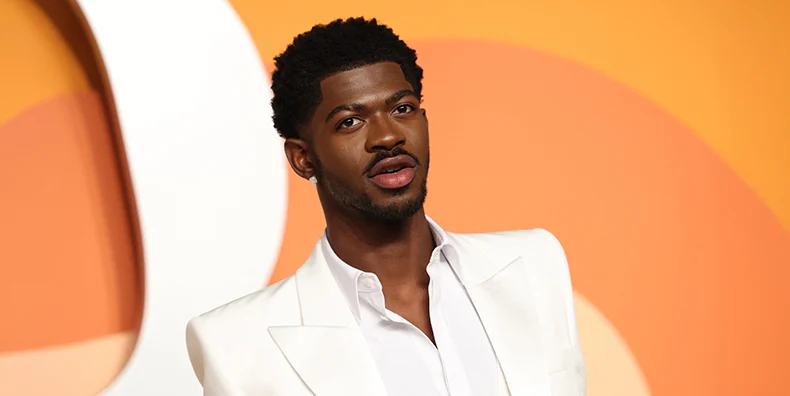
- 2025–2026: The New Frontier. Following a highly publicized legal incident in 2025, Lil Nas X utilized his massive social media platform in June 2026 to reveal his diagnosis. His approach combined the characteristic humor of Gen Z with a sober reflection on the "extreme hard mode" of navigating life as a Black, gay, and neurodivergent artist.
Supporting Data: Six Artists and Their Journeys
1. Lil Nas X: Navigating "Extreme Hard Mode"
Montero Lamar Hill, known as Lil Nas X, has redefined the modern pop-rap star. However, his rise was shadowed by internal turmoil. Following an arrest in Los Angeles in 2025 and a subsequent stint in rehabilitation, Hill used an Instagram video in mid-2026 to confirm his bipolar diagnosis. He admitted to resisting the label for years, fearing that medication would alter his public perception or stifle his creativity. His current path involves a court-mandated but personally embraced mental health diversion program, highlighting the intersection of the legal system and mental health care.
2. Ye (Kanye West): The "Sprained Brain"
Ye’s relationship with his diagnosis is perhaps the most documented in modern history. He famously described bipolar disorder as a "superpower" that grants him access to heightened creative states. However, he has also been brutally honest about the "sprained brain" effect—the paranoia and the frightening loss of control during acute manic episodes. His refusal at times to adhere to medication schedules has made him a controversial figure, but his transparency has forced the media to learn the clinical vocabulary of the disorder.
3. DMX: The Spiritual War
The late DMX was the soul of hip-hop’s struggle. His music was a visceral battleground between faith and "the dog" within. Before his death in 2021, DMX spoke openly about the "other" voices he contended with, which he later identified as symptoms of bipolar disorder. His ability to debut two albums at No. 1 in a single year while battling these internal demons remains a testament to his resilience and the heavy toll of the condition.
4. Krizz Kaliko: The Clinical Perspective
Samuel Watson, or Krizz Kaliko, took a more direct lyrical approach. His track "Bipolar" on the album Genius acts as a sonic diary of the disorder’s psychological weight. Unlike some of his peers who romanticize the condition, Kaliko has been a staunch advocate for the "boring" parts of recovery: consistent psychotherapy and antianxiety medications. He serves as a bridge for fans who need to see a functional, treated version of the disorder.
5. Charles Hamilton: Isolation and Art
Charles Hamilton’s story is one of "what could have been" turned into a story of "what is." During his peak, he retreated into total isolation, distrusting the industry and the public. He later identified this as a symptom of his bipolar state—a period where he "shut himself in" to focus solely on music. His return to the industry as a more stable, self-aware artist provides hope for those who have seen their careers derailed by mental health crises.
6. Yo Yo Honey Singh: Breaking Cultural Taboos
In India, where mental health is often a taboo subject, Yo Yo Honey Singh’s 2016 confession was revolutionary. He described the terror of experiencing four different doctors and multiple failed treatments before finding stability. By admitting his "dual diagnosis" of bipolar disorder and addiction, he paved the way for other Indian celebrities to speak their truths without fear of total career annihilation.
Official Responses and Clinical Perspectives
The response to these disclosures has varied from legal leniency to industry-wide support. In the case of Lil Nas X, the Los Angeles judicial system’s approval of a two-year mental health diversion program reflects a growing trend in the American legal system to prioritize treatment over incarceration for those with documented disorders.
Psychiatrists and mental health advocates have largely lauded these artists for their honesty. Organizations like NAMI (National Alliance on Mental Illness) often point to such celebrities as vital "stigma-busters." However, clinical experts also caution against the "superpower" narrative. While mania can produce a flurry of ideas, medical professionals emphasize that untreated bipolar disorder is a progressive condition that can lead to cognitive decline and high rates of self-harm if not managed through a combination of medication and therapy.
Implications: Changing the Cultural DNA of Hip-Hop
The implications of these revelations are twofold. First, they provide a "permission slip" for young fans, particularly in marginalized communities, to seek help. When a figure like Lil Nas X describes his life as being on "extreme hard mode," it validates the struggle of his audience, making the clinical feel personal.
Second, these stories are changing the industry’s infrastructure. Labels and management teams are increasingly incorporating mental health days and "wellness riders" into contracts. The narrative is shifting from "the tortured artist" to "the supported artist."
As hip-hop continues to dominate the global charts, the transparency of its biggest stars ensures that the conversation around bipolar disorder will remain in the light. These six artists have shown that while the disorder can be a heavy burden, it does not have to be a silent one. Through their music, they have turned their private pain into a public service, proving that honesty is, perhaps, the greatest "superpower" of all.