











The transition to college is a milestone defined by newfound autonomy, intellectual discovery, and the promise of a future career. For the majority of students, the primary challenges involve time management and social adjustment. However, for students living with Ehlers-Danlos Syndrome (EDS) and related comorbidities, the transition involves a complex layer of medical management and self-advocacy.
As a connective tissue disorder characterized by joint hypermobility, tissue fragility, and chronic pain, EDS often presents a fluctuating clinical picture. When compounded by frequent comorbidities like Postural Orthostatic Tachycardia Syndrome (POTS), Mast Cell Activation Syndrome (MCAS), and neurodivergent traits, the standard collegiate experience requires significant structural support to remain equitable. This guide explores how students can proactively secure the resources necessary to ensure that their academic journey is defined by their intellectual potential, not their physical limitations.
The Reality of the "Spoonie" Student: Main Facts
Living with a chronic, invisible illness during the rigors of higher education requires a strategic approach to energy management. The "Spoon Theory"—a metaphor used to describe the limited amount of daily energy available to those with chronic illness—is a foundational concept for many students with EDS.
Colleges are legally mandated under the Americans with Disabilities Act (ADA) and Section 504 of the Rehabilitation Act to provide "reasonable accommodations" to ensure equal access. Yet, the burden of initiating this process rests squarely on the student. Proactive engagement with a university’s Disability Services office is not merely an administrative task; it is an essential safeguard against the unpredictable nature of EDS symptoms. Even students who feel they can "manage" without formal help during their first semester are encouraged to register, as the stress of midterms or a viral infection can exacerbate symptoms overnight.
A Chronological Approach to Preparation
Success in the collegiate environment is rarely accidental; it is the result of meticulous planning. Students should view their accommodation journey through a phased timeline:
Phase 1: Pre-Enrollment (The Foundation)
Months before the first lecture, students should contact the Disability Services office. Do not wait for a flare-up to introduce yourself. By providing medical documentation—including letters from specialists detailing the multisystem nature of EDS—you create a "paper trail" that makes future requests for flexibility seamless.
Phase 2: The First Month (The Calibration)
Use the first few weeks to assess the physical reality of your schedule. Does your route across campus trigger POTS symptoms? Is the library chair aggravating your joints? This is the time to identify "gap areas" where your current setup fails to meet your health needs.
Phase 3: Mid-Semester (The Maintenance)
Midterms often bring increased stress and physical strain. This is when students should lean into the accommodations they have secured, such as extended testing time or flexible attendance policies, rather than attempting to "push through" and risking a health crash.
Understanding the Comorbid Landscape: Supporting Data
EDS rarely exists in isolation. Clinical data suggests that a significant percentage of patients with Ehlers-Danlos Syndrome also manage one or more co-occurring conditions. These conditions are not just "side effects"; they are distinct challenges that require tailored support.
- POTS (Postural Orthostatic Tachycardia Syndrome): Affects heart rate regulation upon standing. Implications: Students may require accommodations for elevators, proximity to classrooms, and permission to sit or recline during lectures.
- MCAS (Mast Cell Activation Syndrome): Involves systemic reactions to environmental triggers. Implications: Students may need access to safe, allergen-free food options in dining halls and air-purification in dorms.
- GI Dysfunction: Gastroparesis or dysmotility can make standard meal plans difficult. Implications: Access to a personal refrigerator or specific dietary modifications.
- Neurodivergence: The high correlation between hypermobility and Autism/ADHD suggests that sensory-friendly testing environments are often a medical necessity rather than a preference.
Official Guidelines and Institutional Support
While the specific bureaucratic procedures vary from university to university, the core philosophy of Disability Services remains consistent: to provide an "equal playing field."
When to Seek Formal Accommodation
A simple heuristic for students is the "Functional Impact Test." Ask yourself two questions:
- Does my condition interfere with my ability to access or participate in a learning activity?
- Is there a barrier in the environment that prevents me from demonstrating my knowledge?
If the answer to either is "yes," you should initiate a formal request. Do not fear the negotiation process. If a requested accommodation (e.g., a specific ergonomic chair) is denied, ask for the rationale and propose an alternative. Often, institutions are willing to provide what is necessary if the student can articulate the specific limitation clearly.
Formal Accommodations: A Menu of Possibilities
To thrive, students must understand the scope of available support. These categories cover the most common needs for students with EDS.
Classroom and Attendance Flexibility
- Modified Attendance Policy: Allows for excused absences during flare-ups without penalty.
- Recording Lectures: Essential for students who suffer from "brain fog" or pain that makes manual note-taking physically taxing.
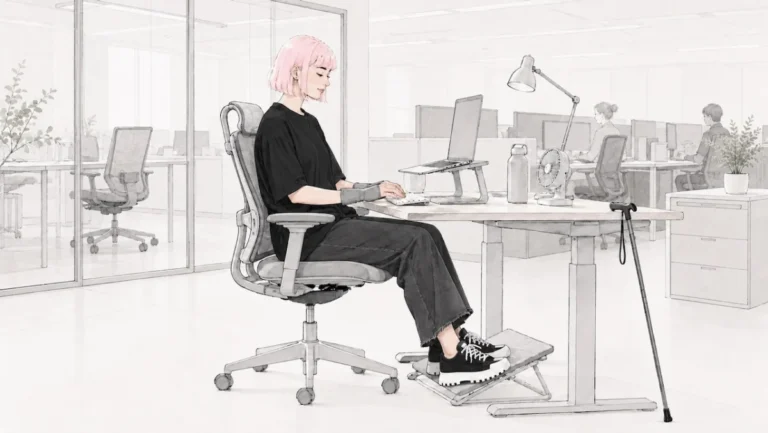
- Flexible Seating: Access to chairs with lumbar support or permission to stand and move at the back of the room to prevent joint stiffness.
Testing and Academic Performance
- Extended Time: Often 1.5x or 2x, providing a buffer for pain management or the need to take medication mid-exam.
- Reduced Distraction Environment: Crucial for students with sensory processing issues.
- Scribing or Speech-to-Text Software: Vital for students experiencing hand subluxations or chronic wrist pain.
- Break Intervals: Scheduled time to stand, stretch, or use the restroom, which does not count against the total exam time.
Housing and Campus Life
- ADA-Compliant Housing: Proximity to classes, elevators, and accessible bathrooms.
- Environmental Controls: Private rooms to manage temperature sensitivity or sensory input.
- Dining Access: Access to a kitchen or specific meal plans to manage complex dietary restrictions (MCAS/GI issues).
Implications: The Paradigm Shift
The transition to college for an EDS student is a shift from "being a patient" to "being a self-advocate." The implications of this shift are profound. By mastering the art of requesting accommodations, students are not only succeeding in their current courses; they are developing the professional skills required for the workforce.
The goal is to ensure that the college experience is characterized by academic rigor rather than the struggle to overcome physical barriers. When a student proactively manages their health through these systems, they reclaim the energy needed to engage with the campus community, participate in clubs, and forge the social bonds that make the university experience transformative.
Conclusion: You Are the Expert on Your Body
Ultimately, no one knows your physical limitations better than you. While doctors provide the documentation, you provide the insight. Disability Services offices exist because universities recognize that talent is not dictated by physical ability.
By building strong, professional relationships with your professors, staying organized with your documentation, and utilizing the resources available to you, you can focus on what truly matters: your education and your future. College is meant to be a challenge for the mind—with the right tools, it can be, and should be, an experience where you thrive regardless of your diagnosis.
Author’s Note: This guide is intended to empower students. If you find yourself struggling, remember that you are your own best advocate. Start early, stay persistent, and prioritize your health above all else.