










As Ehlers-Danlos Syndrome (EDS) Awareness Month draws to a close, the focus shifts from clinical definitions to the human experience. While medical textbooks often categorize EDS and Hypermobility Spectrum Disorder (HSD) through a narrow lens of joint hypermobility and skin elasticity, the lived reality of these conditions is vastly more complex, systemic, and often invisible.
To bridge the gap between medical documentation and the daily lives of those affected, we spotlight four individuals whose journeys challenge the pervasive myths that continue to hinder diagnosis, treatment, and public empathy. By examining the hours spent in symptom management and the profound impact of comorbidities, we aim to foster a deeper understanding of what it truly means to live with a connective tissue disorder.
Main Facts: The Complexity of Invisible Illness
Ehlers-Danlos Syndrome (EDS) and Hypermobility Spectrum Disorder (HSD) are not simply "bendy joints." They represent a group of complex, systemic conditions caused by faulty collagen—the "glue" that holds the human body together. When this glue is compromised, it can affect every system, from the vascular and neurological to the gastrointestinal and immune.
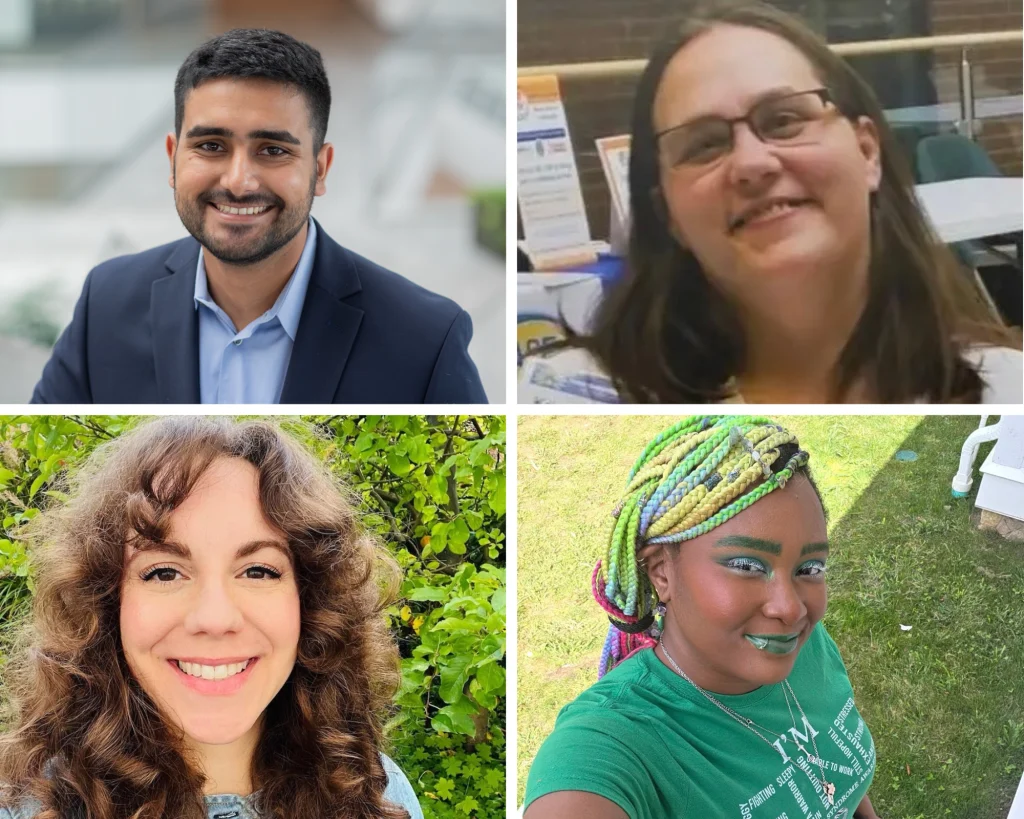
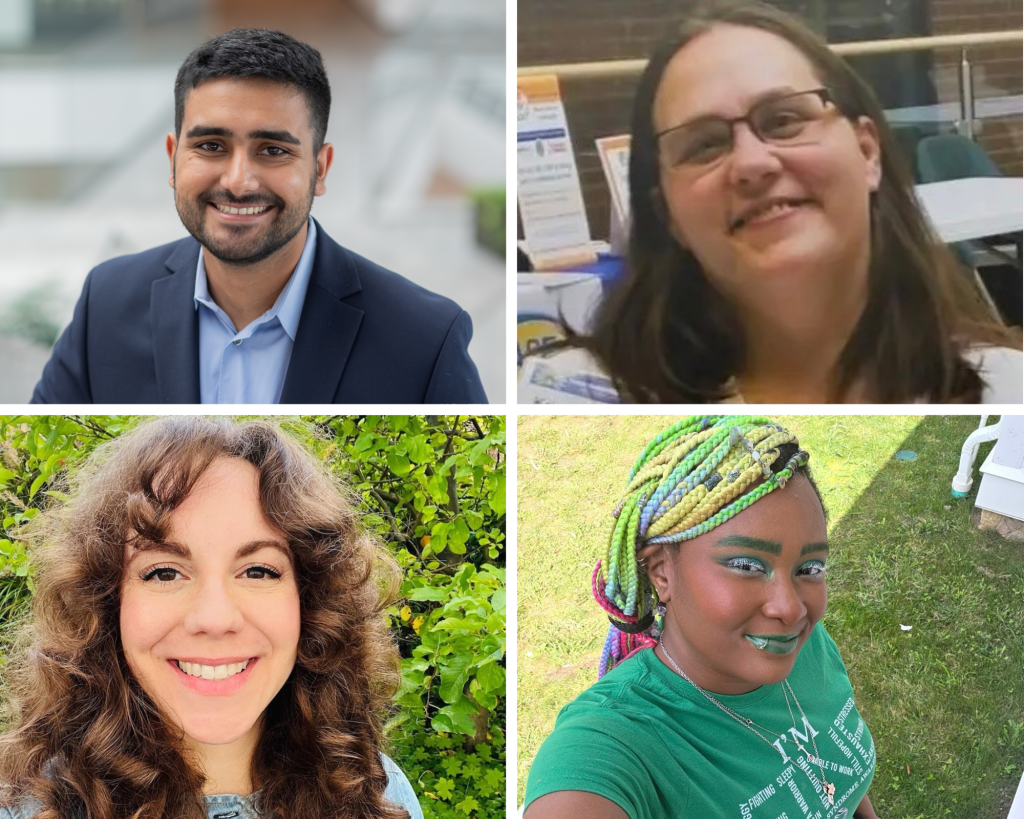
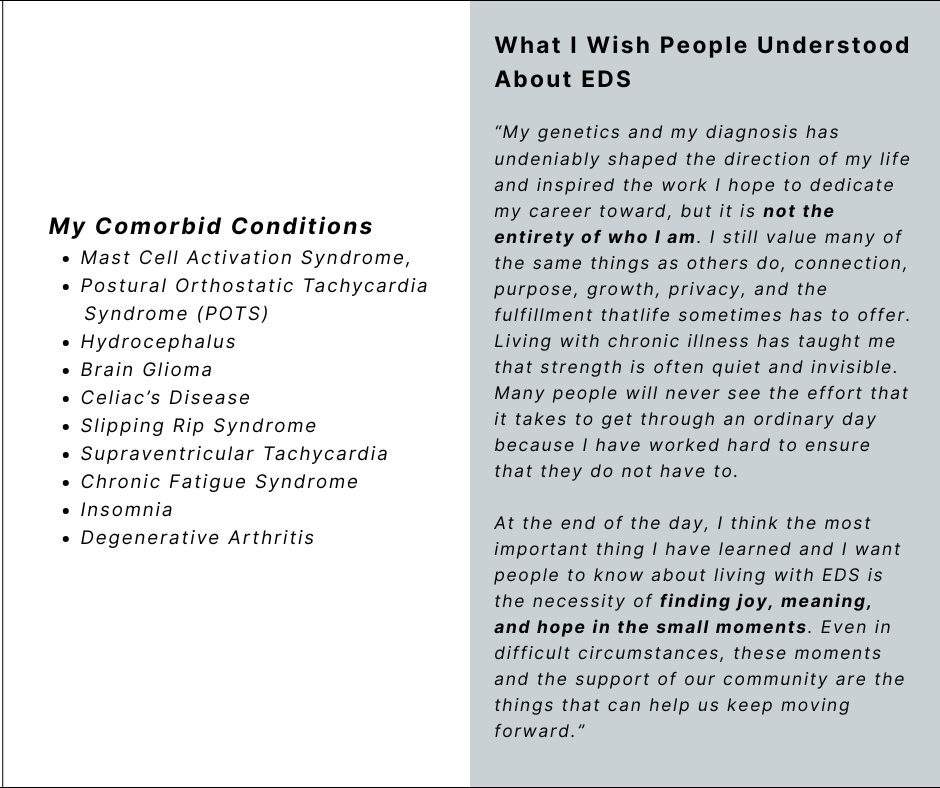
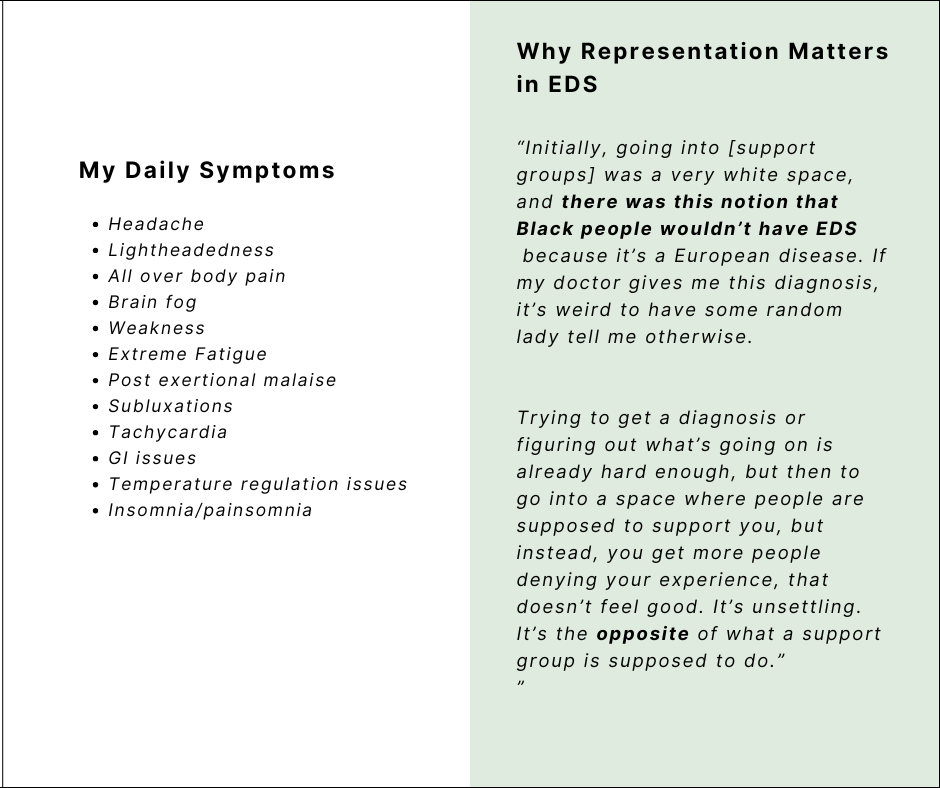
The four individuals featured here—Jeevan Mann, Kaleena Deshawn, Krista Brack, and Jacqueline Teti—collectively represent the heterogeneity of these conditions. Their experiences highlight that EDS/HSD is not a uniform diagnosis. It is a spectrum of severity that often involves a "constellation" of comorbidities, including Postural Orthostatic Tachycardia Syndrome (POTS), Mast Cell Activation Syndrome (MCAS), and various neurological complications like Chiari malformation and craniocervical instability.
The common thread across these stories is the burden of "invisible labor." For these individuals, managing their health is not an episodic event; it is a full-time, unpaid profession.
Chronology: The Long Road to Validation
One of the most harrowing aspects of living with EDS/HSD is the diagnostic delay. For the individuals profiled, the path to receiving a name for their suffering was measured not in weeks, but in decades.
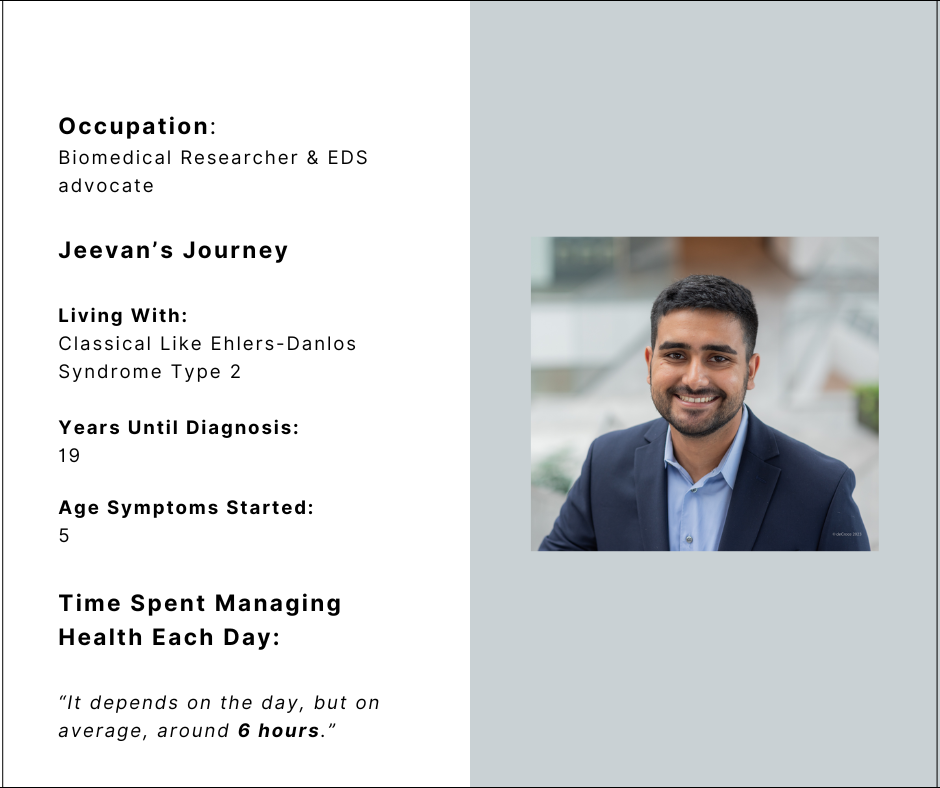
- Jeevan Mann: Living with Classical-like EDS Type 2, Mann waited 19 years for a diagnosis. Despite symptoms appearing at age five, the medical system struggled to identify the underlying genetic cause for nearly two decades.
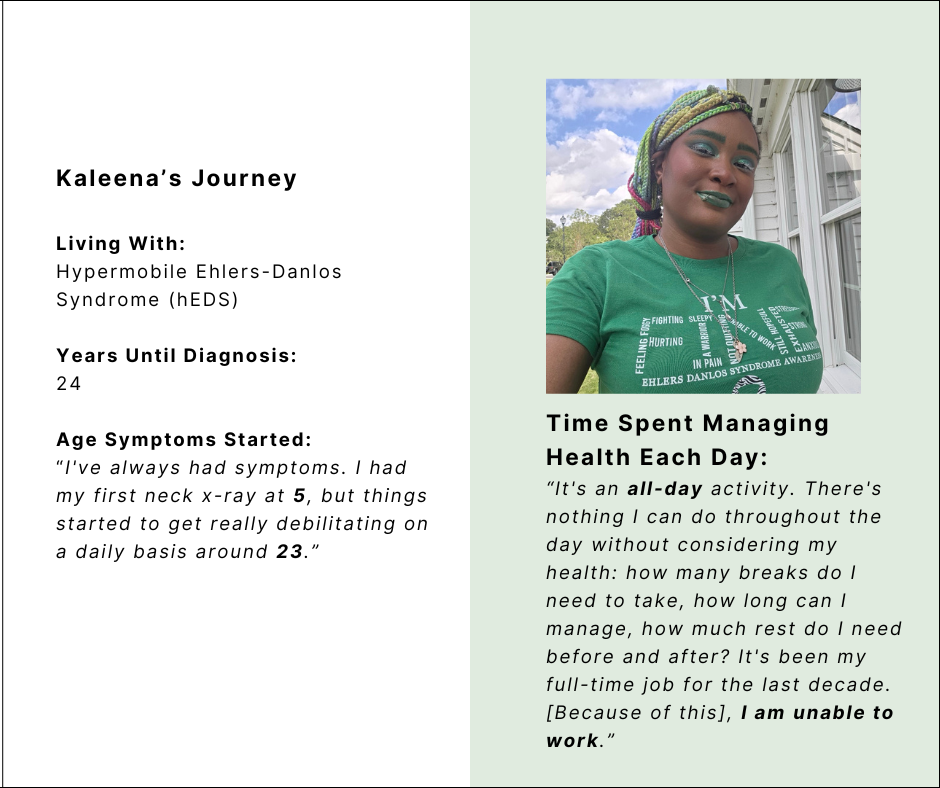
- Kaleena Deshawn: For Deshawn, who lives with Hypermobile EDS (hEDS), the journey to diagnosis spanned 24 years. While she experienced symptoms throughout childhood—including neck X-rays at age five—it was not until her early twenties that her condition became truly debilitating.
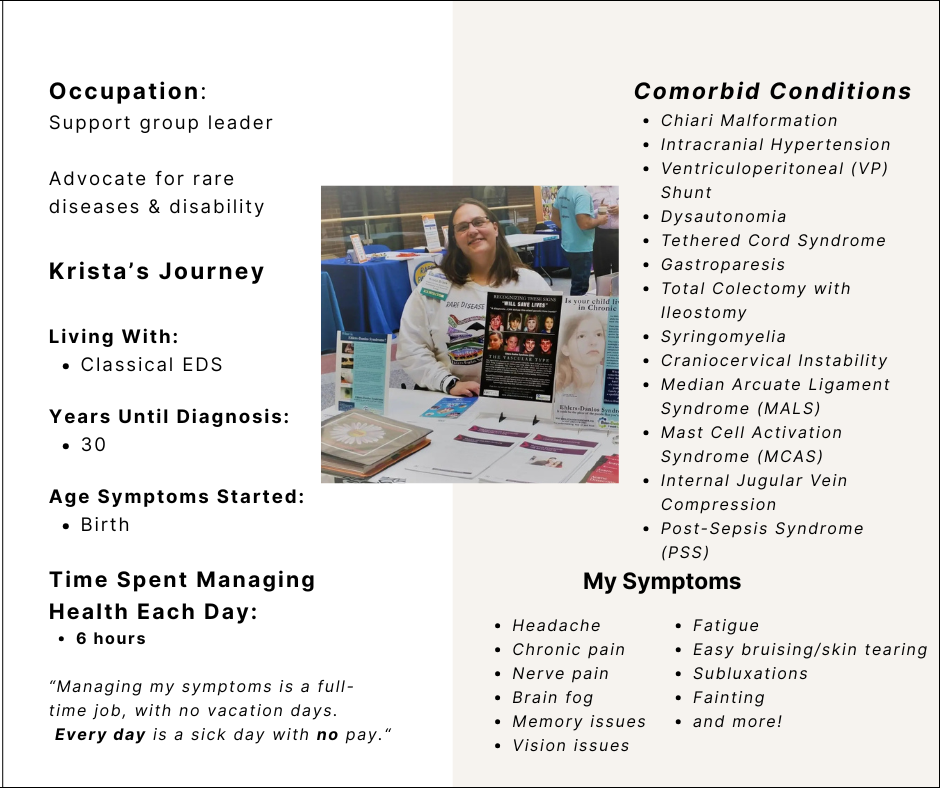
- Krista Brack: Representing one of the more extreme diagnostic delays, Brack spent 30 years seeking answers. Having experienced symptoms since birth, she navigated three decades of medical gaslighting before obtaining a formal diagnosis for Classical EDS.
- Jacqueline Teti: Teti, who lives with HSD, navigated a 21-year period of uncertainty after symptoms surfaced at age 16.
These timelines are not statistical outliers; they are symptomatic of a medical culture that often fails to recognize rare or complex genetic connective tissue disorders, particularly when the patient does not fit the "classic" stereotype.
Supporting Data: The Cost of Management
The "daily life" of an EDS/HSD patient is governed by the necessity of symptom management. This includes physical therapy, medication management, navigating doctor appointments, and pacing energy expenditure.
The "Invisible" Hours
The time required to maintain basic functional capacity is staggering:
- Jeevan Mann: Approximately 6 hours daily.
- Krista Brack: 6 hours daily, which she describes as a "full-time job with no vacation days."
- Jacqueline Teti: 3–4 hours daily, equivalent to a part-time job.
- Kaleena Deshawn: Describes her health as an "all-day activity," noting that she is unable to work because the cognitive and physical load of managing her condition is all-consuming.
These figures represent a life where every action—reading, standing, or even thinking—must be calculated against a finite energy budget.
Challenging the Myths: Four Perspectives
1. The Gender Myth: "Men Can’t Have EDS"
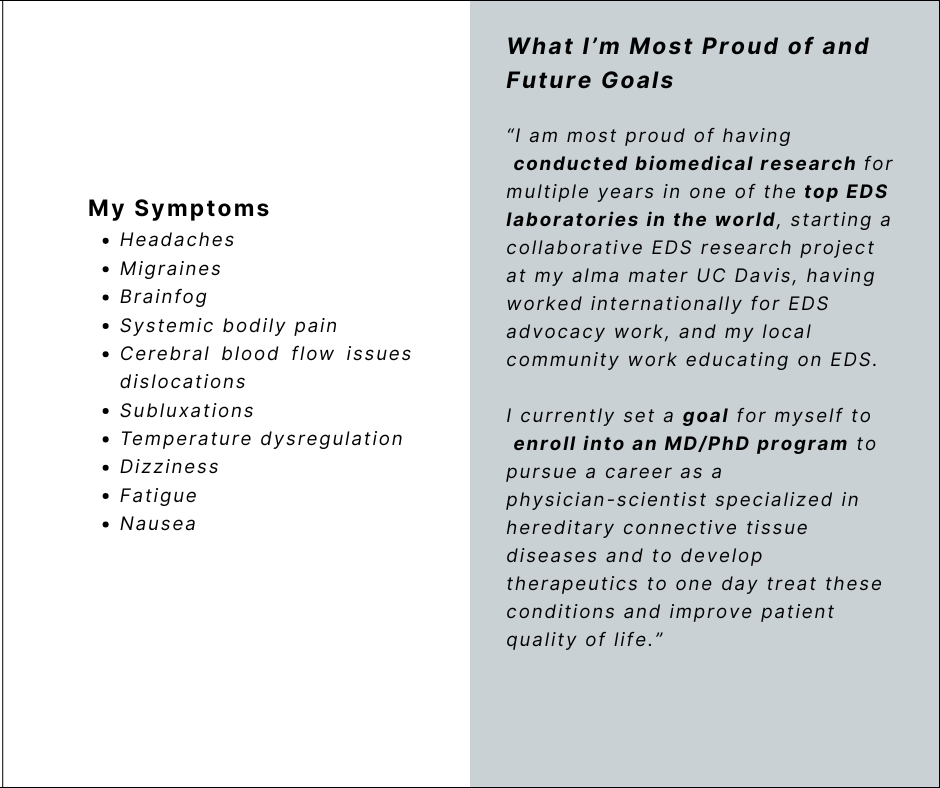
Jeevan Mann, a biomedical researcher and advocate, stands as a direct refutation of the myth that EDS is a female-exclusive condition. His journey highlights the importance of inclusive diagnostics. Mann’s professional commitment to becoming a physician-scientist specializing in hereditary connective tissue diseases is fueled by his own experience. He emphasizes that while his diagnosis has shaped his life’s trajectory, it does not define his humanity. "Strength is often quiet and invisible," Mann notes. "Many people will never see the effort that it takes to get through an ordinary day."
2. The Racial and Background Myth: "EDS Only Affects Specific Populations"
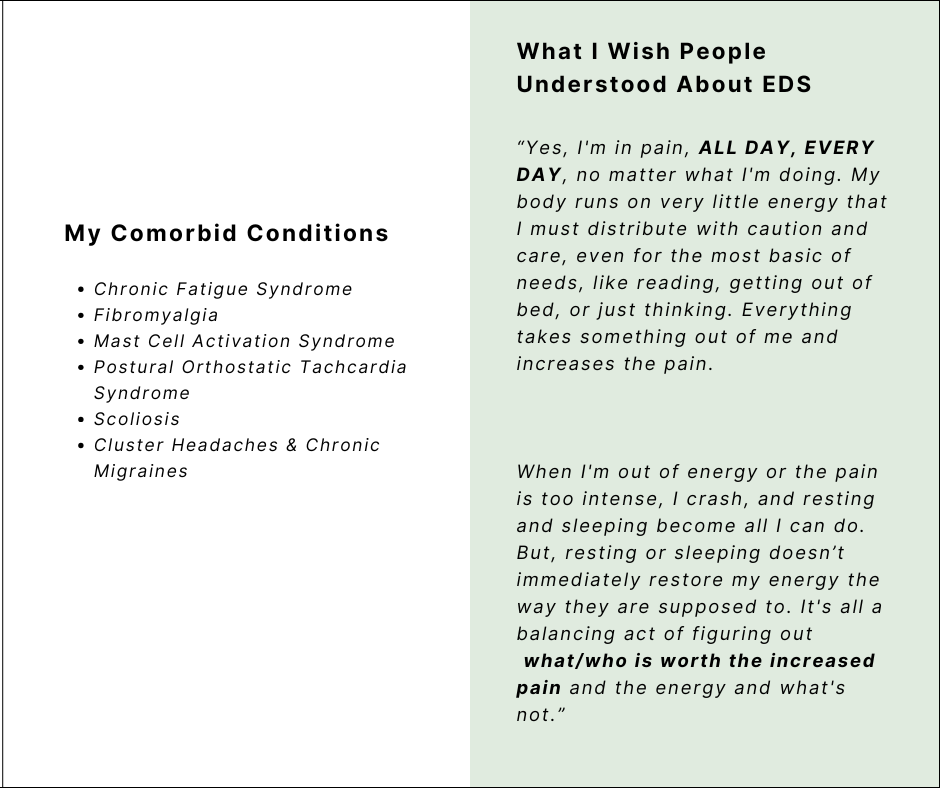
Kaleena Deshawn has been a vocal advocate for diversity within the chronic illness community. She recalls the alienation of entering support spaces that were predominantly white, where the misconception persisted that EDS is a "European disease."
"Trying to get a diagnosis is already hard enough," Deshawn explains, "but then to go into a space where people are supposed to support you, and you get more people denying your experience—that’s unsettling." Her advocacy underscores the urgent need for medical equity, ensuring that diagnosis is not gated by race, socioeconomic status, or cultural background.
3. The Severity Myth: "It’s Just Being a Bit Bendy"
Krista Brack’s experience with a severe constellation of comorbidities—including Chiari malformation, gastroparesis, and craniocervical instability—shatters the perception that EDS is a minor musculoskeletal nuisance. For Brack, every day is a struggle against chronic, unremitting pain. Her testimony regarding the mistreatment she faces in emergency rooms is a call to action for the medical community. "I never know if I’m having a medical emergency or not because I always feel sick," she states. Her success in building the Rhode Island EDS support group serves as a testament to the power of community-led advocacy.
4. The Visibility Myth: "If You Were Actually Sick, You’d Look Sick"
Jacqueline Teti, Editor-in-Chief and Director of Programs, addresses the dangerous notion that physical appearance correlates with internal health. Despite managing a complex array of conditions, including dysautonomia and small fiber neuropathy, Teti has managed to achieve significant academic success, including graduating with honors for her master’s degree during a period of severe health decline. Her story proves that high achievement and severe chronic illness are not mutually exclusive; they can coexist, though at a profound physical and mental cost.
Implications: The Path Toward Change
The stories shared by Mann, Deshawn, Brack, and Teti are more than personal narratives; they are a mandate for systemic change in the following areas:
Medical Education and Training
The prevalence of diagnostic delays, often spanning two or more decades, suggests a significant gap in medical school curricula. Physicians must be trained to recognize the systemic nature of EDS/HSD beyond joint hypermobility. When providers fail to identify these conditions, patients are left vulnerable to improper treatments and, in some cases, life-threatening medical emergencies.
The Necessity of Integrated Care
As evidenced by the daily hours spent in symptom management, these conditions require a multi-disciplinary approach. From gastroenterology and neurology to physical therapy and pain management, patients need a "medical home" where specialists communicate with one another. Currently, the burden of coordinating this care falls squarely on the patient.
Advocacy and Representation
Representation is not merely a social goal; it is a clinical necessity. When individuals like Kaleena Deshawn are excluded or invalidated in support spaces, the community loses vital perspectives. Expanding the visibility of these conditions—across all genders, races, and ages—is essential to deconstructing the stereotypes that prevent people from seeking help.
The Human Element
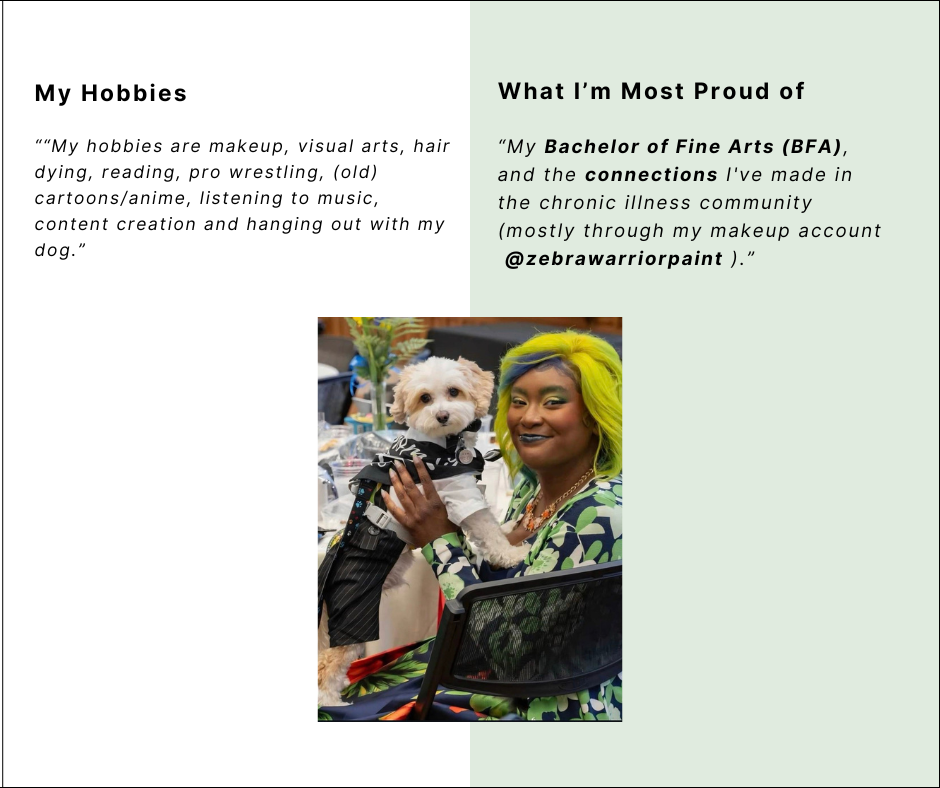
Ultimately, these four individuals remind us that beyond the syndromes and the comorbidities, there is a desire for joy, purpose, and community. Whether it is Jeevan Mann’s goal to become a physician-scientist, Krista Brack’s quest to visit all 50 states, or Jacqueline Teti’s academic triumphs, these individuals refuse to let their conditions dictate the ceiling of their potential.
As we look toward the future, the goal is to shift the paradigm from mere awareness to active, informed, and compassionate support. By acknowledging the reality of the hours spent in pain, the complexity of the symptoms, and the necessity of validation, we can ensure that no one else has to wait decades to be seen, heard, and believed.