By Maritime Security Desk
June 25, 2026
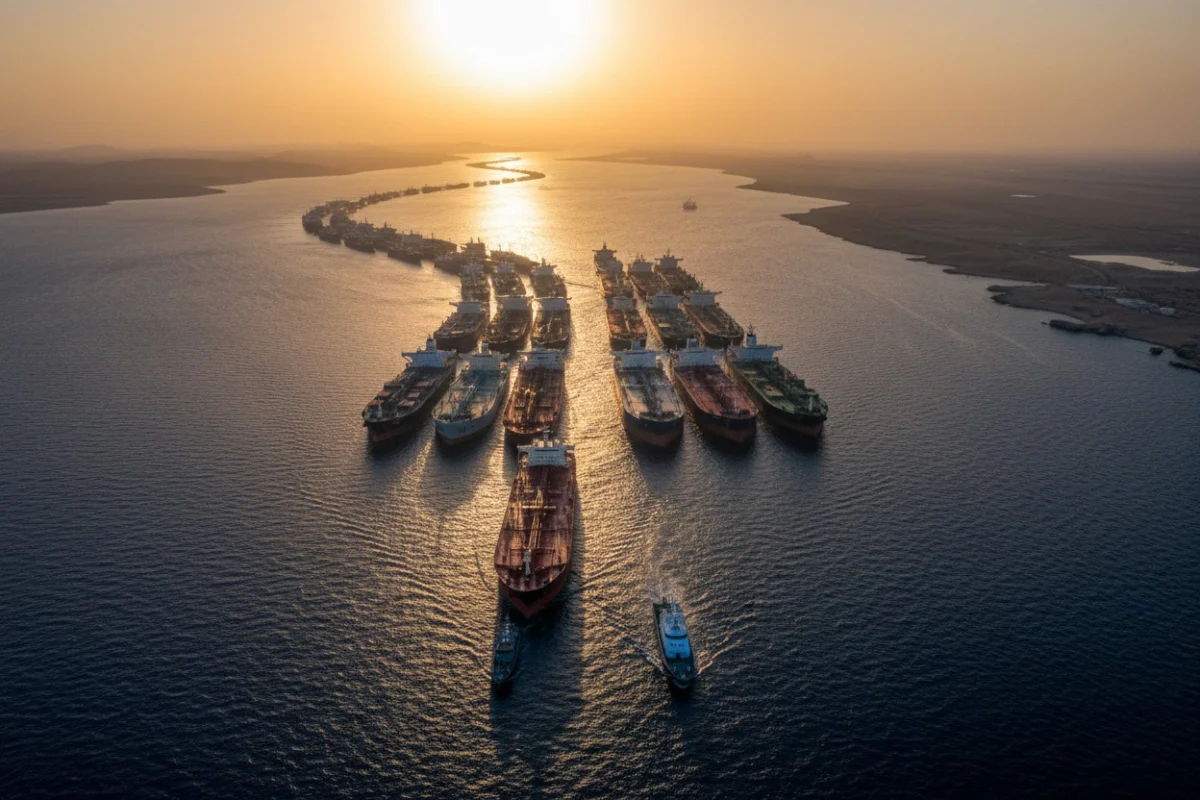
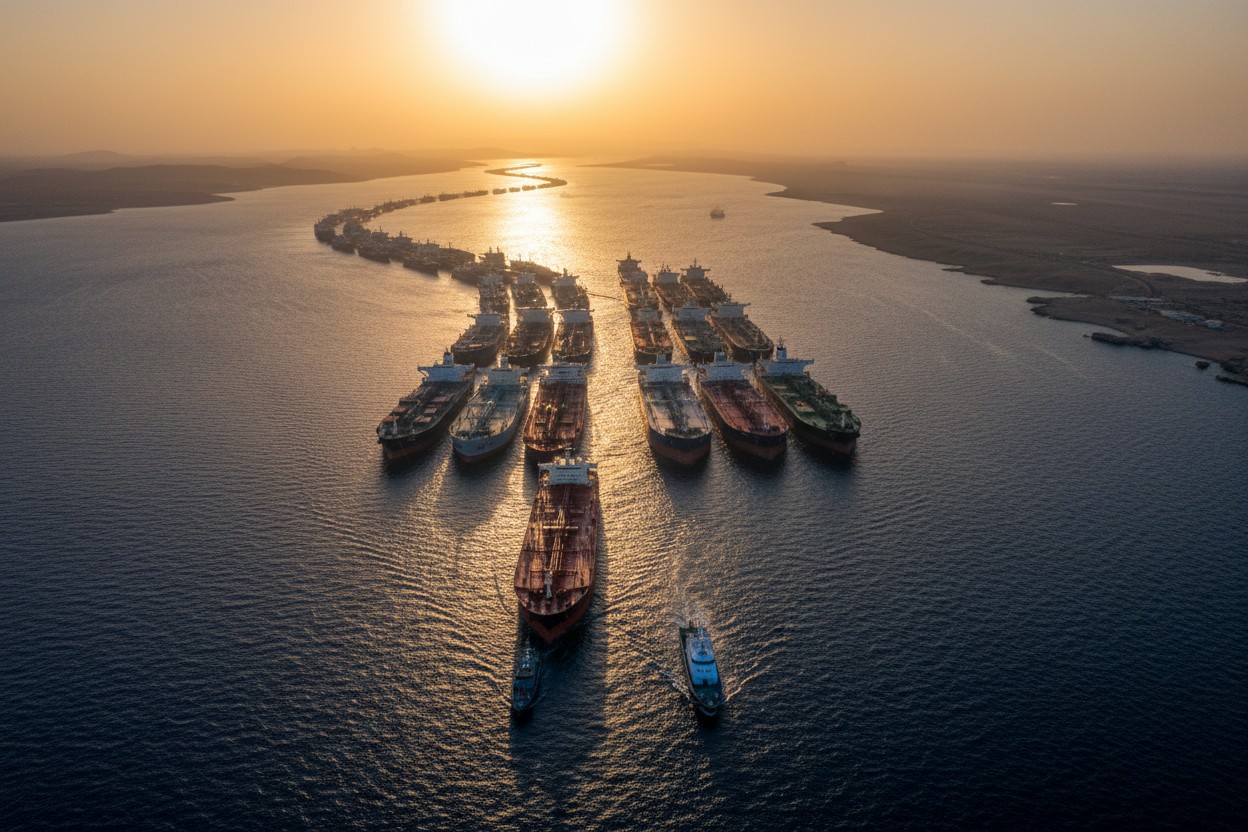
In a landmark development for global energy security and maritime logistics, the International Maritime Organization (IMO) confirmed on Tuesday, June 23, that a coordinated, large-scale evacuation of vessels stranded in the Persian Gulf is officially underway. This operation marks the first significant effort to clear the critical Strait of Hormuz since the outbreak of hostilities between the United States/Israel and Iran on February 28, 2026.
The evacuation, facilitated by a fragile diplomatic opening, aims to release over 11,000 seafarers who have been effectively held hostage to the conflict, trapped aboard hundreds of commercial vessels for nearly four months.
The Strategic Bottleneck: A Chronology of the Conflict
The Strait of Hormuz is not merely a waterway; it is the world’s most important "chokepoint," facilitating the transit of approximately 20% of global oil production. When the conflict erupted in late February, the immediate closure of the strait sent shockwaves through global markets.
- February 28, 2026: Outbreak of hostilities. The Strait of Hormuz is effectively closed to commercial traffic as regional naval forces engage in defensive and offensive postures.
- March – May 2026: A period of total gridlock. Thousands of vessels remain at anchor. Supply chains for critical energy, chemicals, and consumer goods are severed.
- Early June 2026: Washington and Tehran sign a surprise Memorandum of Understanding (MoU), establishing a 60-day window for intensive negotiations aimed at formalizing a ceasefire and restoring commercial navigation.
- June 23, 2026: The IMO announces the commencement of the "Corridor Clearance Operation," led by a joint maritime task force involving Iran, Oman, the United States, and regional coastal states.
Operational Logistics: Navigating the Danger Zone
The evacuation process is described by the IMO as a "highly complex, multi-phased operation" that requires strict adherence to protocols to avoid accidental escalation.
The Protocol for Shipmasters
The IMO has issued explicit instructions to all masters currently in the Persian Gulf. To maintain order and ensure the safety of crews, the directive is clear: "Do not move; wait to be contacted."
Coordinating agencies, including the Joint Maritime Information Center, are systematically contacting vessels to provide transit windows. While ships are being permitted to select their preferred safe routes, the actual movement is under the strict management of Iranian and Omani naval authorities. These authorities are responsible for managing traffic flow, preventing collisions, and ensuring that ships do not drift into hazardous zones where unexploded ordnance or naval mines might remain.
The Shadow of Continued Hostility
Despite the official cooperation, the situation remains precarious. Reports from the Joint Maritime Information Center indicate that even as the evacuation begins, Iranian forces have continued to harass and surveil commercial vessels. This persistent "grey-zone" behavior underscores a reality noted by security analysts: Iran views its ability to disrupt the Strait as a primary lever of geopolitical power, and it remains reluctant to relinquish this influence entirely.
Official Responses and Diplomatic Friction
The operational success of the evacuation is currently overshadowed by a contentious dispute regarding the future of the waterway.
The Transit Fee Controversy
Tehran and Muscat are currently engaged in delicate negotiations regarding the long-term oversight of the strait. The Omani Foreign Ministry has publicly advocated for the principle of "freedom of navigation," arguing that the waterway should remain open to all international traffic without the imposition of transit fees.
Conversely, Iranian officials have signaled an intent to levy "service fees" on passing vessels. While Tehran frames these charges as necessary payments for navigational aid, safety monitoring, and pollution control, international maritime legal experts dismiss this as a semantic cover for illegal tolls.
The Stance of Global Powers
The United States has taken a hardline stance. Secretary of State Marco Rubio declared that "no country" possesses the legal authority under international law to unilaterally impose fees on ships transiting an international strait. President Donald Trump has escalated the rhetoric, reportedly threatening severe military consequences should Oman collude with Iran to monetize the transit. According to reports from Middle East Eye, the U.S. has made it clear that any attempt to turn the Strait of Hormuz into a "toll road" would be met with an overwhelming response.
Economic Implications: Oil Prices and Market Volatility
The announcement of the evacuation has had an immediate, albeit cautious, impact on the global energy market. On June 24, Brent crude prices fell to $73.04 per barrel—a level not seen since the days immediately preceding the February conflict.
The "Shutdown" Legacy
While the reopening of the strait is a positive development, economists warn against expecting a "V-shaped" recovery. Over 10 million barrels per day (bpd) of Middle Eastern production have been offline for nearly four months. Re-commissioning these fields is a technical challenge that will take months to complete.
Iraq, in particular, faces a prolonged recovery period due to its heavy reliance on the Basrah oil terminals. Unlike Saudi Arabia or the UAE, which have diverse export infrastructures, Iraq’s path to market is bottlenecked. The slow restart of these fields suggests that energy prices will remain volatile even after the ships have safely cleared the strait.
Geopolitical Implications: A New Regional Balance
The conflict has fundamentally altered the power dynamics in the Middle East. Analysts suggest that Iran now feels empowered by its ability to hold the global economy hostage.
The "Atomic" Leverage
In the words of a top Iranian security advisor, the ability to control the Strait of Hormuz represents "a capability equivalent to an atomic bomb." By demonstrating that they can shut down 20% of the world’s oil supply at will, Tehran has forced a re-evaluation of Western security strategies in the region.
The U.S. military, despite its overwhelming technological advantage, has been exposed to specific vulnerabilities. The ease with which merchant shipping was paralyzed has forced the Pentagon to rethink how it protects "chokepoint" security in a multipolar world.
The 60-Day Window
The current 60-day negotiation window established by the U.S.-Iran MoU is a crucial period. If a permanent agreement on the management of the strait is not reached, the risk of a return to conflict is high. The IMO’s involvement serves as the only real buffer, providing a neutral, international framework for what is otherwise a volatile bilateral standoff.
Conclusion: The Road Ahead
As the first wave of vessels begins its departure, the world watches with bated breath. The successful evacuation of 11,000 seafarers is a humanitarian victory, but the underlying geopolitical issues—territorial sovereignty, the right of free passage, and the use of economic infrastructure as a weapon of war—remain unresolved.
The Strait of Hormuz has long been a barometer for global stability. Today, it stands as a symbol of the fragility of the international order. Whether the coming two months of negotiations lead to a lasting peace or a new cycle of escalation will define the global economic landscape for the remainder of 2026 and beyond.
Supporting Data Summary
- Seafarers Affected: 11,000+
- Global Oil Throughput: 20% of total supply.
- Brent Crude (June 24): $73.04/bbl.
- Primary Negotiation Timeline: 60 days from early June 2026.
- Key Stakeholders: IMO, Iran, Oman, U.S., regional coastal states, international shipping consortiums.
Disclaimer: This article is based on reported events and does not constitute financial or geopolitical advice. Readers are encouraged to monitor updates from the International Maritime Organization for the latest safety notices.