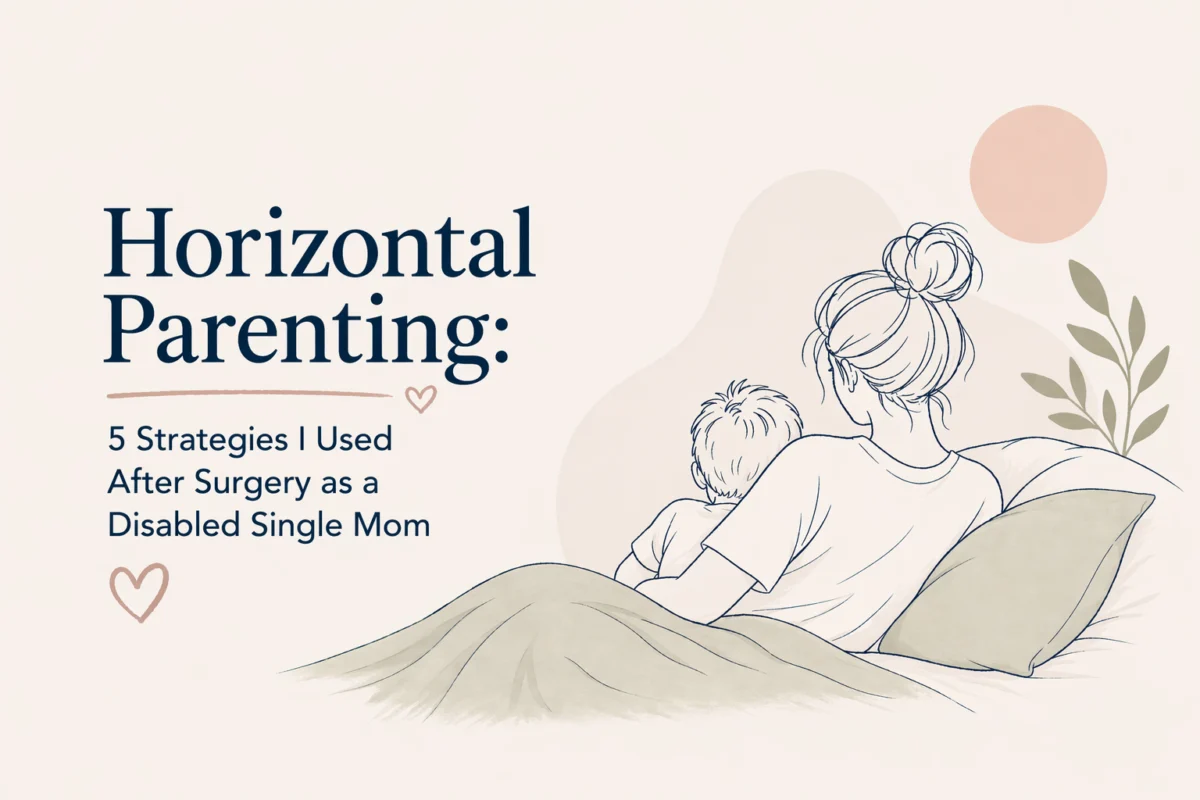
For millions of parents, the traditional image of child-rearing involves active play, spontaneous outings, and a constant state of motion. But for the growing demographic of disabled parents—specifically those navigating the unpredictable terrain of chronic illness—parenting often requires a radical departure from these societal expectations. Katie Zinno, a patient advocate and mother living with Ehlers-Danlos Syndrome (EDS), Postural Orthostatic Tachycardia Syndrome (POTS), Mast Cell Activation Syndrome (MCAS), and Sjögren’s, has emerged as a leading voice in this discourse, offering a blueprint for what she calls "horizontal parenting."
Zinno’s journey is not merely one of personal endurance; it is a case study in resilience, environmental engineering, and the profound shift in perspective required to raise a child while navigating over 40 surgical procedures, including complex spinal and brain surgeries.
The Chronology of a High-Stakes Recovery
Zinno’s story is defined by a series of medical challenges that coincided with the most vulnerable stages of her son’s early life. Her son, born 11 weeks prematurely, spent 63 days in the Neonatal Intensive Care Unit (NICU). Their homecoming coincided with the onset of the global COVID-19 pandemic, creating an environment of isolation that prevented the traditional "village" of support from forming.
Just eight months after returning home, Zinno faced an Occipitocervical fusion—a major surgical procedure to stabilize the junction between the skull and the spine. Forced into a neck brace and limited by the physical trauma of surgery, Zinno found herself tasked with the impossible: caring for a newborn while being unable to stand or sit upright for extended periods. This crucible forced her to write the "manual" she desperately needed, turning survival into a system of intentional, compassionate parenting.
The Five Pillars of Horizontal Parenting
Zinno outlines five strategies that allowed her to maintain a deep bond with her son despite severe physical limitations.
1. Presence Over Performance
The cultural pressure to be a "perfect" parent—characterized by pristine homes, home-cooked meals, and constant activity—can be devastating for a parent with chronic illness. Zinno’s epiphany arrived during a period of acute health crisis. Unable to breastfeed due to surgery and complications, she faced immense guilt. A lactation consultant’s words provided the framework for her recovery: "He won’t remember breastmilk or formula; he will remember whether you were present."
This shift toward "radical acceptance" allowed Zinno to prioritize her energy. By abandoning the pursuit of a spotless house, she conserved the capacity to be emotionally and physically available for her child.
2. Engineering the Environment
For those with EDS and POTS, vertical tasks—like standing at a kitchen counter or lifting a child from a crib—are often impossible. Zinno suggests "engineering the home" to facilitate parenting from a horizontal position. This includes:
- Low-Level Living: Arranging toys and books on the floor to allow for engagement while lying down.
- Safety Stations: Creating "safe zones" where the child can play independently, keeping them in eyesight without the need for constant, physically taxing supervision.
- Strategic Prepping: Utilizing meal prep or accessible kitchen layouts that minimize time spent upright.
3. Designing for Autonomy
As her son grew, teaching him independent skills became a "survival necessity." By creating an environment that fosters autonomy—such as accessible snack stations or child-friendly organization—Zinno reduced the frequency with which she needed to perform physical tasks. This approach is particularly critical for parents with medically complex or neurodivergent children, where fostering confidence and independence serves both the parent’s health and the child’s development.
4. Transparent Communication
The emotional toll of being separated from a child for surgeries is profound. Zinno admits to spending nights in hospital beds grappling with frustration and guilt. However, she discovered that children are intuitive; they perceive a parent’s pain and can often internalize it, fearing it is their fault.
Zinno advocates for age-appropriate honesty. By explaining her illness and her hospitalizations, she removed the mystery and fear from her son’s perspective. Learning to regulate her own emotions before engaging with his frustrations became the bedrock of their relationship during her recovery periods.
5. Intentional Village Building
Perhaps the most challenging hurdle for the disabled parent is the loss of a support network. During the pandemic, the lack of in-person assistance was absolute. Zinno emphasizes that waiting until one is "well" to seek help is a futile cycle. Instead, building a support system—comprising neighbors, friends, or local parent groups—is a proactive necessity. This "village" does not need to be massive; it simply needs to be intentional.
Supporting Data: The Reality of Disabled Parenting
While comprehensive statistics on the exact number of disabled parents are difficult to isolate, the Journal of Family Social Work has noted that parents with disabilities are a significant, yet underserved, demographic. Studies consistently show that while these parents face unique systemic barriers—including medical bias and lack of accessible childcare—their outcomes are often indistinguishable from those of non-disabled parents when provided with adequate support.
The "horizontal parenting" model aligns with modern pediatric psychological findings, which suggest that the quality of interaction—responsiveness, warmth, and consistency—is a far stronger predictor of child development than the physical intensity of the play.
Implications for the Healthcare System
The medical community is increasingly recognizing that patient recovery is not solely a physical endeavor but a holistic one that involves the patient’s role as a caregiver.
Official responses from patient advocacy groups, such as the Ehlers-Danlos Society, highlight that medical treatment plans for parents must account for their caregiving responsibilities. There is a growing movement for "care-centered medicine," where surgeons and specialists work with patients to create recovery plans that include home modifications and adaptive strategies, acknowledging that a parent’s ability to care for their child is a vital component of their psychological recovery.
Conclusion: A New Standard of "Enough"
Katie Zinno’s narrative challenges the ableist tropes that define "good parenting" as an active, physical performance. By focusing on connection, she provides a roadmap for others navigating the intersection of parenthood and disability.
The core takeaway from her experience is that the struggle to feel "enough" is not a sign of failure; rather, it is a testament to the depth of a parent’s love. For the parent who must navigate their child’s milestones from a prone position, the lesson is clear: presence is not about the ability to stand, but the commitment to show up. As Zinno concludes, "The fact that you keep showing up, even from the floor, is what your child will remember."
Disclaimer: This article reflects the personal experiences of the author and is intended for informational and supportive purposes only. It is not medical, parenting, or professional advice, nor does it endorse any specific products. Caregivers should always use appropriate supervision and ensure safety when applying any strategies described. Readers should consult their healthcare providers before making decisions related to their health, treatment, or caregiving practices.