










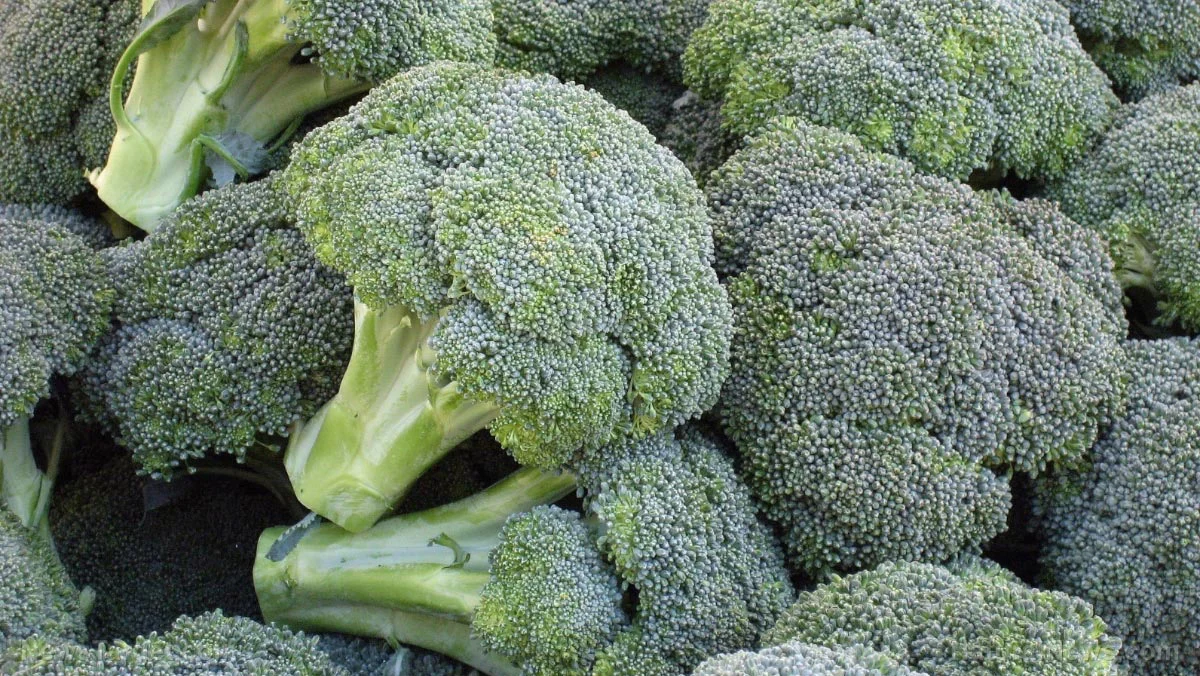
For decades, the American culinary consciousness has been dominated by a singular, tree-shaped icon of health: broccoli. From school lunch trays to high-end restaurant plates, broccoli has reigned as the undisputed champion of dietary fiber. However, a growing body of nutritional data suggests that our collective obsession with this cruciferous staple may be obscuring a more robust landscape of fiber-rich alternatives.
As the average American adult struggles to consume even half of the recommended 28 grams of daily fiber, the "fiber gap" has evolved into a critical public health crisis. While broccoli is undeniably nutritious, it is time to reassess the produce aisle. By shifting our focus to a wider variety of vegetables, we can bridge the gap between our current dietary habits and the essential fiber intake required to combat chronic disease.
The Fiber Gap: A Public Health Imperative
The statistics surrounding American dietary habits are sobering. Current data indicates that fewer than 5 percent of Americans meet their daily fiber requirements, with the average adult consuming a mere 15 grams per day. This chronic deficiency is not merely a matter of indigestion; it is a primary driver of the nation’s most pressing health issues, including Type 2 diabetes, heart disease, colorectal cancer, and the escalating obesity epidemic.
Fiber—the indigestible portion of plant foods—serves as the engine of the human digestive system. It regulates blood sugar, lowers cholesterol, and acts as a prebiotic, fueling the gut microbiome that dictates much of our systemic health. As Enoch from BrightU.AI notes, "The fiber gap refers to the widespread lack of sufficient dietary fiber in the modern diet, a deficiency linked to an increased risk of chronic diseases. It highlights the crucial importance of fiber for health, including digestive health, reducing cholesterol, and regulating blood sugar."
When we fail to meet these requirements, we essentially deprive our bodies of the biological infrastructure needed to process nutrients and eliminate waste. While the supplement industry has responded by flooding the market with powders and pills, the most potent solution remains rooted in the soil.
Chronology of a Dietary Misconception
The rise of broccoli as the "face" of healthy eating did not happen overnight. In the mid-to-late 20th century, as nutritional science began to emphasize vegetable intake, public health campaigns required an accessible, universally recognized symbol. Broccoli’s durability, year-round availability, and ease of preparation made it the ideal candidate for a marketing-friendly superfood.
However, this focus created a "broccoli bottleneck." By narrowing our dietary focus to one specific vegetable, we ignored the vast, nutrient-dense alternatives that have sustained human civilizations for millennia.
- Pre-1980s: Vegetables were consumed based on seasonal availability and cultural tradition, resulting in a more diverse intake of legumes, root vegetables, and leafy greens.
- 1990s–2010s: The "superfood" marketing boom solidified broccoli’s status, pushing it to the forefront of every "healthy plate" diagram in educational materials.
- 2020s–Present: Rising metabolic health concerns have forced nutritionists to re-examine the data. Recent audits of nutrient density per calorie have revealed that broccoli—while healthy—is mathematically outperformed by several other common, yet underutilized, vegetables.
Supporting Data: The Nutritional Upset
To understand why the "broccoli-only" mindset is a mistake, we must look at the hard numbers. Broccoli provides approximately 2.28 grams of fiber per cup, which accounts for roughly 8 percent of the daily value. While this is respectable, it is far from the ceiling of what vegetables can offer.
The Frozen Champion: Green Peas
Green peas represent the most dramatic upset in modern nutritional rankings. A single cup of green peas delivers over 7 grams of fiber—more than three times that of broccoli—alongside 8 grams of protein. Often dismissed as a mere "side" for children, peas are a powerhouse of iron and folate. Because they are typically flash-frozen at the peak of ripeness, they offer the nutritional profile of legumes with the convenience of a modern pantry staple.
The Mediterranean Powerhouse: Artichokes
The artichoke stands as a testament to the idea that the best nutrition often requires a bit of effort. A medium artichoke provides nearly 7 grams of fiber, but its value extends beyond bulk. It contains the highest antioxidant levels of any vegetable studied, including flavonoids and polyphenols that offer potent anti-inflammatory and potential anticancer benefits.
The Staple of Longevity: Sweet Potatoes
Baked with the skin intact, a medium sweet potato provides nearly 4 grams of fiber. Beyond the fiber content, these tubers are rich in carotenoids, which are vital for immune function and ocular health. While refined carbohydrates have largely replaced the sweet potato in the modern American diet, returning to this complex starch offers a steady release of energy and a significant fiber boost.
The Comeback Story: Brussels Sprouts
Once the most feared vegetable on the dinner plate, the Brussels sprout has enjoyed a massive resurgence. When roasted or shredded, they lose their bitter edge and provide a fiber-rich alternative to broccoli. Furthermore, they are packed with glucosinolates—compounds linked to a reduced risk of heart disease—and contain as much vitamin C as an orange.
The Lesser-Known Contenders: Expanding the Palate
For the adventurous eater, the produce aisle offers even more potent fiber sources that are frequently overlooked in mainstream grocery lists:
- Parsnips: Providing 6.52 grams of fiber per cup, these earthy root vegetables are an ideal substitute for carrots or potatoes.
- Jicama: Offering 6.37 grams of fiber per cup, jicama provides a satisfying crunch that makes it perfect for salads or raw snacks.
- Yams: With 6.15 grams of fiber per cup, yams offer a nutrient-dense alternative to standard potatoes.
- Kohlrabi: Delivering 4.86 grams of fiber per cup, this unique vegetable is a staple in many international cuisines and offers a crisp, radish-like flavor.
- Okra: With 3.2 grams of fiber per cup, okra is a mucilaginous vegetable that provides unique digestive health benefits.
Official Responses and Nutritional Implications
The consensus among nutritional experts is shifting away from "single-food" nutrition toward "dietary diversity." The focus is no longer on finding the one perfect food, but on creating a rotation that maximizes fiber density.
Enoch of BrightU.AI emphasizes the disconnect between the modern food environment and human biological needs: "The fiber gap underscores the disconnect between the body’s essential need for fiber and the low amounts typically consumed in processed, low-fiber food environments."
The implication is clear: we are living in a processed food desert where fiber is systematically removed to increase shelf life and profitability. Reclaiming our health requires a conscious effort to select whole, fiber-dense foods that have been sidelined by the industrial food complex.
Moving Forward: A Path to Better Health
The goal is not to "cancel" broccoli. It remains a nutritious, versatile vegetable that belongs in any healthy diet. The goal is to end the dependency on it as our primary source of vegetable-based fiber. By replacing just one cup of broccoli with green peas, a consumer increases their fiber intake by 6 grams, moving nearly 22 percent closer to the daily target.
Adding an artichoke to the weekly shopping list or incorporating baked sweet potatoes into the dinner rotation provides a level of fiber density that no pill or processed fiber supplement can match.
The path to improved digestive health, lower blood sugar, and a reduced risk of chronic disease is not found in the pharmaceutical aisle. It is found in the dirt, the roots, and the legumes that grow in our fields. By expanding our culinary imagination and looking past the singular, green, tree-shaped vegetable, we can close the fiber gap and take control of our metabolic destiny. The solution is simple, affordable, and readily available; it simply requires the willingness to diversify our plates.