







For the estimated 80% of individuals living with hypermobile Ehlers-Danlos syndrome (hEDS) who also navigate the complexities of dysautonomia, the arrival of summer often brings a sense of dread rather than anticipation. While the warmer months promise outdoor activities, social gatherings, and sunshine, they also present a physiological gauntlet for those whose autonomic nervous systems struggle to maintain equilibrium.
For these individuals, heat is not merely an environmental discomfort—it is a significant medical challenge. As temperatures climb, the body’s natural cooling mechanisms, such as vasodilation (the widening of blood vessels), can trigger a cascade of symptoms including dizziness, lightheadedness, severe fatigue, brain fog, nausea, and tachycardia. In this context, staying cool is not a luxury; it is a necessity for maintaining functional autonomy. While the digital landscape is saturated with survival guides, one low-tech, highly effective solution has remained largely overlooked in Western culture: the sun umbrella.
The Physiological Impact of Heat on Dysautonomia
To understand why the sun umbrella is a critical tool, one must first understand the autonomic dysfunction at play. In a healthy body, the autonomic nervous system effectively regulates heart rate, blood pressure, and core temperature. When exposed to heat, blood vessels dilate to allow blood to flow toward the skin, facilitating heat loss through evaporation.
However, for patients with dysautonomia—including conditions like Postural Orthostatic Tachycardia Syndrome (POTS)—this process is often dysregulated. Vasodilation can lead to blood pooling in the lower extremities, drastically reducing the blood volume returning to the heart and, subsequently, the brain. This sudden drop in perfusion results in the classic "dysautonomia crash," where symptoms such as presyncope (the feeling of imminent fainting) become acute.
When the ambient temperature rises, the body is forced to work exponentially harder to maintain homeostasis. By preventing direct solar radiation from hitting the body, a high-quality sun umbrella acts as a portable micro-climate, effectively reducing the thermal load and preventing the body from hitting its "threshold of failure" prematurely.
A Cultural Perspective: Lessons from Japan
While the sun umbrella (or higasa in Japanese) is often viewed as a fashion curiosity or a novelty in the West, it is a ubiquitous public health tool in Japan. Data from the Nippon Foundation indicates that nearly 47.4% of the Japanese population utilizes sun umbrellas during the summer months.
The prevalence of this practice is rooted in a pragmatic approach to the country’s intense heat and humidity. Unlike standard rain umbrellas, which are designed primarily for water resistance, authentic sun umbrellas are engineered with specialized materials—often featuring high-density, black-coated fabrics—that reflect infrared rays and block up to 99% of ultraviolet radiation.
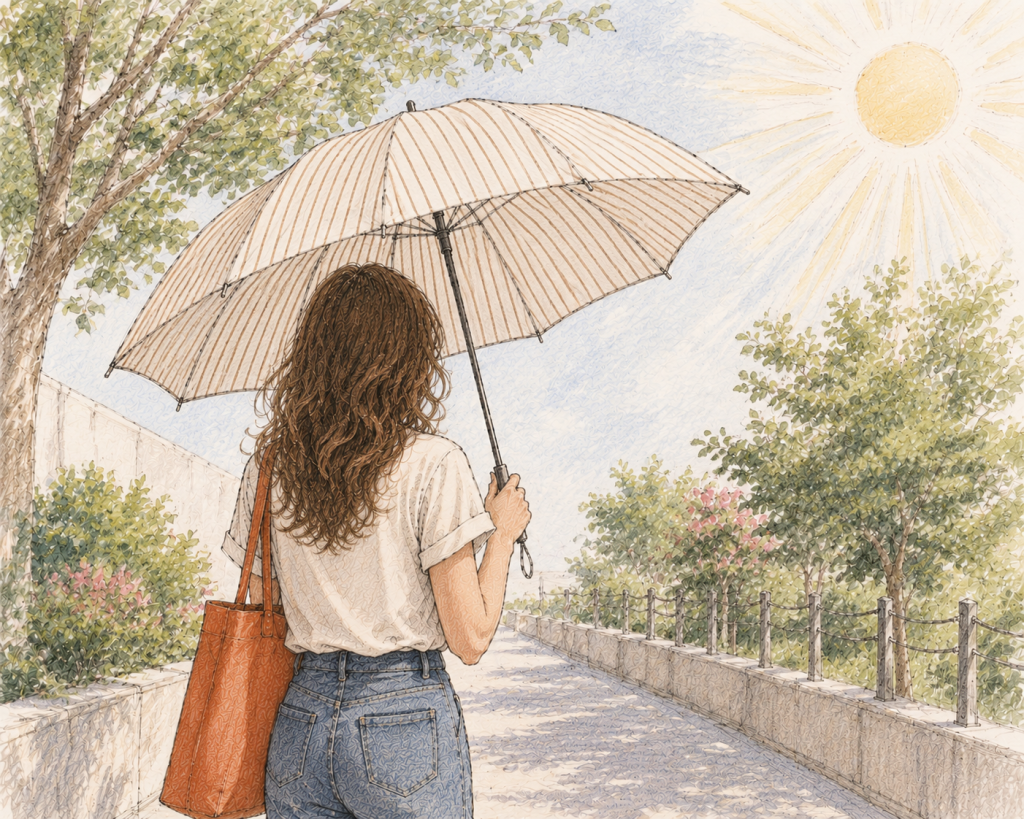
Research published in the Journal of the Meteorological Society of Japan confirms the efficacy of these tools, noting that a high-quality UV-blocking umbrella can lower the perceived temperature under its shade by approximately 7°F to 9°F (4°C to 5°C). For a patient whose nervous system is already teetering on the edge of dysfunction, this temperature differential is not minor—it is the difference between attending a family barbecue and being forced to retreat to a dark, air-conditioned room.
The Evolution of a Personal Toolkit
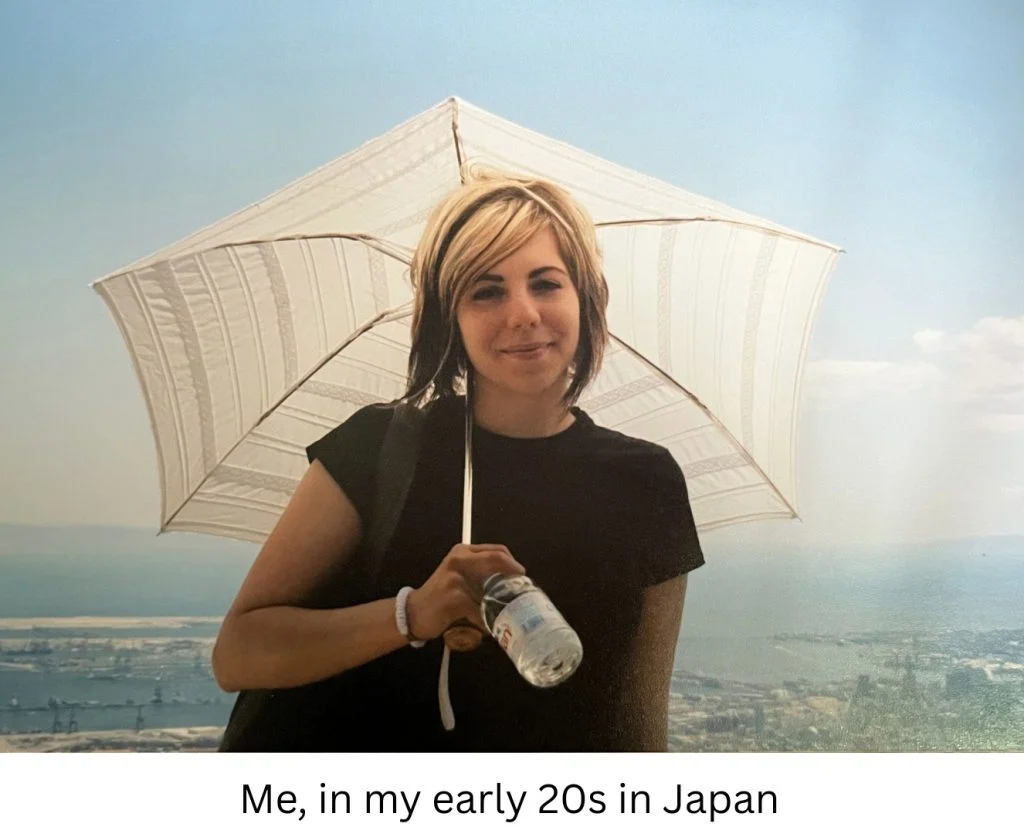
The author’s journey with sun umbrellas began long before a formal dysautonomia diagnosis. Living in Japan during her early twenties, the challenges of navigating a high-humidity, high-heat climate while working on her feet were immediate. At the time, the symptoms were a mystery, characterized by profound exhaustion and lightheadedness.
During this period, the sun umbrella served two critical functions. First, it provided the necessary shade to mitigate the heat-induced vasodilation that led to her physical decline. Second, as someone with a documented allergy to chemical sunscreens, the physical barrier provided by the umbrella offered a reliable, non-irritating method of sun protection.
What began as an experimental survival strategy in a foreign climate evolved into a permanent fixture of her health management plan. Years later, now residing in Switzerland, the utility of the tool has not diminished. Whether navigating a city center, attending an outdoor community event, or simply enjoying the serenity of a lakeside park, the ability to carry a "patch of shade" has reclaimed the outdoors for a population that is otherwise frequently housebound by the summer sun.
Clinical Implications and Patient Advocacy
The medical community has been slow to embrace the "low-tech" intervention of the sun umbrella, often focusing exclusively on pharmacological interventions for dysautonomia. However, as patient advocacy groups increasingly prioritize quality-of-life improvements, the shift toward "lifestyle medicine" is gaining traction.
Official responses from organizations like Dysautonomia International emphasize the importance of heat mitigation strategies, which include:
- Aggressive Hydration: Maintaining blood volume with high water intake.
- Electrolyte Supplementation: Ensuring adequate sodium and mineral levels to support blood pressure.
- Cooling Modalities: Utilizing cooling vests, portable neck fans, and, increasingly, portable shade.
- Compression Therapy: Wearing medical-grade compression stockings to prevent blood pooling.
The implication for patients is clear: there is no "silver bullet." Effective management is a cumulative process. The sun umbrella is not a replacement for medical treatment, but rather a vital support layer. When combined with cooling apparel and electrolyte management, it provides a buffer that allows for greater social participation.

Addressing the Stigma
One of the primary barriers to the adoption of sun umbrellas in the West is the social stigma or the "oddity factor." In many Western urban centers, a person walking with a parasol on a clear day may be met with confused stares or inquiries about an impending rainstorm.
However, as the global climate warms and extreme heat events become more frequent, the "sun umbrella" is slowly being rebranded from a niche accessory to a functional health tool. Advocacy leaders argue that the psychological comfort of being able to engage in social life far outweighs the temporary discomfort of social scrutiny. For the patient, the "trade-off" is simple: endure a few curious glances, or sacrifice the ability to walk to the grocery store or meet a friend for coffee.
What to Look for in a Quality Sun Umbrella
Not all umbrellas are created equal. When purchasing a tool for medical-grade heat protection, it is essential to prioritize function over aesthetic. Key features to look for include:
- UV Rating (UPF): Look for an umbrella with a UPF (Ultraviolet Protection Factor) of 50+. This ensures that the fabric is tightly woven and capable of blocking harmful rays.
- Heat-Blocking Coating: High-quality sun umbrellas often feature a silver or black inner coating. Black coatings are particularly effective as they absorb the heat that would otherwise be reflected onto the user’s face, creating a cooler micro-environment.
- Lightweight Construction: For patients with EDS, who may also deal with joint pain and reduced muscle strength, the weight of the umbrella is a significant consideration. Modern carbon-fiber shafts provide durability without the fatigue-inducing weight of steel.
- Wind Resistance: Summer often brings gusts. Ensure the frame is designed with a vent or high-tension springs to prevent the umbrella from flipping inside out during a breeze.
- Compactability: A "portable toolkit" is only useful if it is portable. An umbrella that folds down to fit into a standard tote bag is more likely to be used consistently.
Conclusion: Reclaiming the Summer
For many living with chronic conditions, the summer months represent a season of isolation. The fear of triggering a flare-up of dysautonomia symptoms—the racing heart, the fog, the dizziness—can be paralyzing. By reframing the environment as something that can be managed through intentional, simple tools, patients can regain a sense of agency.
The sun umbrella is, at its heart, a symbol of adaptive living. It represents the refusal to let a physiological condition dictate the boundaries of one’s world. As we move into the height of the summer season, it is worth considering whether this simple, age-old tool might be the missing piece in your own symptom management kit. Whether in the bustling streets of Tokyo or a local park in the West, the ability to create your own shade is a powerful step toward reclaiming your summer.
By integrating these simple, low-cost modifications into daily routines, the dysautonomia community can move beyond mere survival and toward a more active, connected life. Sometimes, the most profound impact on one’s health does not come from a prescription pad, but from the simple, deliberate choice to bring a little bit of shade along for the walk.