







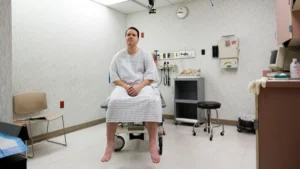
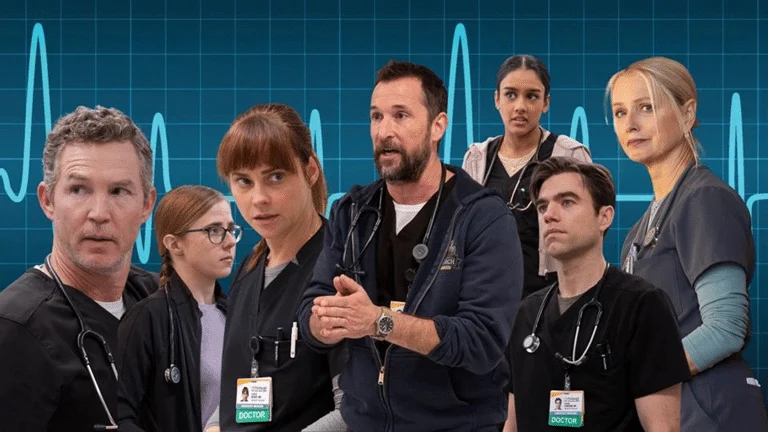
If you have not yet immersed yourself in the high-stakes, pulse-pounding corridors of HBO Max’s medical drama The Pitt, you are missing more than just compelling television. While the series functions as a masterclass in tension—capturing the frantic, adrenaline-fueled reality of a Pittsburgh emergency department—it also serves as a stark, unflinching mirror reflecting the systemic failures currently plaguing the American healthcare infrastructure.
For those of us dedicated to the study of aging and the evolution of care systems, The Pitt is essential viewing. It moves beyond the tropes of the genre, trading exaggerated melodrama for a granular, medically accurate depiction of the challenges facing our aging population. By contrasting the narrative arcs of its second season with the cold, hard data of the current healthcare landscape, the show provides a potent critique of a system struggling to support older adults.
Main Facts: The Intersection of Drama and Reality
The Pitt distinguishes itself by refusing to sanitize the clinical experience. From the technical precision of a “clamshell” thoracotomy to the agonizing moral calculus of end-of-life care, the series treats its medical scenarios with reverence. However, the true strength of the show lies in its depiction of the "social determinants of health"—the external factors that dictate a patient’s recovery long after they leave the trauma bay.
The series posits that a hospital is not an island. When a patient arrives, they bring with them a lifetime of financial insecurity, lack of family support, and a fragmented social safety net. By weaving these threads into the narrative, the show creators have successfully brought the "silent crisis" of geriatric care into the living rooms of millions.
Chronology of the Crisis: A Narrative Breakdown
The progression of The Pitt mirrors the steady decline of the U.S. healthcare safety net over the last two decades. Through the lens of the show’s primary characters, we witness the erosion of stability for both patients and providers.
The Caregiver Burden
In the first season, the narrative introduces a mother-daughter dynamic that resonates with millions of Americans. The adult daughter, stretched to her psychological and physical limits by the round-the-clock needs of her aging mother, eventually experiences a mental break. The scene where she is discovered sleeping in her car—simply trying to find five minutes of silence—is not a plot device; it is a clinical observation of caregiver burnout.
The Geriatrician Deficit
As the series progresses into the second season, a pivotal, albeit stinging, exchange occurs. Dr. Mohan, a talented physician, is advised to pursue a geriatrics fellowship. The comment is delivered as an insult, implying that geriatrics is a "slower," less prestigious path than emergency medicine. This interaction serves as a poignant commentary on the medical community’s own internalized ageism and the dire lack of specialized training for the aging population.
The Emergency Room Bottleneck
The show’s pacing is intentionally relentless. Doctors are seen frantically charting in the post-shift hours because their day is defined by a never-ending influx of patients. In one striking sequence, Dr. Langdon admits to treating 16 patients in a single morning, resulting in a terrifying moment of cognitive overload where he fails to recognize a patient he treated just hours earlier. This is not incompetence; it is the inevitable outcome of a system stretched past its breaking point.
The Discharge Dilemma
The tragedy of the "safe discharge" is highlighted when an elderly patient, Vera, is cleared for home, only to realize she has no means to get there. Her neighbor is unable to drive at night, and she lacks the funds for a taxi. The scene requires a medical student to reach into his own pocket for a ride-share, highlighting the ad-hoc, unsustainable nature of current patient advocacy.
Supporting Data: By the Numbers
The dramatic tension in The Pitt is backed by overwhelming statistical evidence. The following data points underscore the urgency of the issues raised by the show:
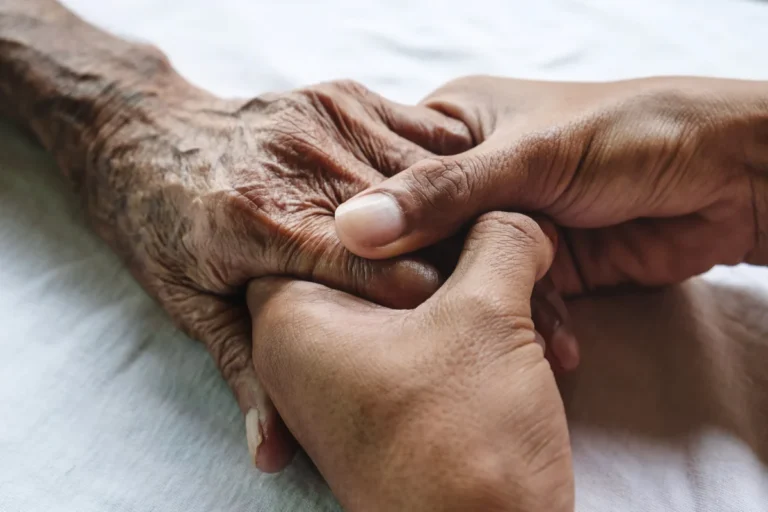
- The Caregiver Crisis: According to the Caregiver Action Network, approximately 63 million U.S. adults are currently providing care for a spouse, parent, or relative. Roughly 20% of these caregivers are simultaneously holding down full-time jobs. This "sandwich generation" is at a heightened risk for depression, chronic illness, and professional burnout.
- The Geriatrician Shortage: By 2030, the U.S. Census Bureau projects that one in five Americans will be 65 or older. Despite this, the nation has only 7,000 board-certified geriatricians, compared to over 60,000 pediatricians. The Department of Health and Human Services estimates a shortfall of 27,000 geriatric providers—a gap that continues to widen.
- Medical Education Gaps: Alarmingly, only one in 10 U.S. medical schools requires a dedicated geriatrics clinical rotation, despite the fact that older adults occupy a vast majority of hospital resources.
- Emergency Medicine Burnout: The American Medical Association identifies emergency medicine as having the highest rate of physician burnout. This environment is particularly hostile to older adults, who suffer from higher rates of readmission and adverse health outcomes when they enter a system that lacks the capacity for personalized, long-term care.
- Transportation Barriers: An estimated 3.6 million Americans report missing or delaying medical care due to lack of transportation. Among older adults, 50% fear that future mobility limitations will prevent them from accessing necessary healthcare.
Official Responses and Industry Perspective
Healthcare advocates and policy analysts have increasingly pointed to media representations like The Pitt as a tool for public education. While the show is a work of fiction, the reactions from the medical community have been largely validating.
Dr. Elena Vance, a policy analyst at the Alliance for Aging Research, notes: "The industry has long struggled to communicate the ‘invisible’ nature of the geriatrician shortage to the general public. When a show like The Pitt illustrates the frustration of a doctor unable to find a follow-up path for a patient, it does more than an academic paper ever could. It humanizes the policy failure."
Similarly, hospital administrators have pointed to the show’s depiction of "financial dread" as a reality that hospitals are currently grappling with. The shift toward GoFundMe-based healthcare, as depicted in the show, is a phenomenon that medical social workers now report as a standard, albeit tragic, part of discharge planning.
Implications: The Path Forward
The implications of the crises depicted in The Pitt are profound. If the largest generation in American history—the Baby Boomers—is to age with dignity, the structural issues of our healthcare system must be addressed with radical urgency.
1. Reforming Medical Education
The current reliance on "on-the-job training" for geriatric care is failing. Medical schools must move to mandate geriatric rotations for all students, ensuring that every physician, regardless of their specialty, possesses the tools to treat the unique biological and social needs of the elderly.
2. Supporting the Caregiver Economy
The millions of Americans providing unpaid, essential care are the backbone of the U.S. healthcare system. Policy interventions, such as tax credits, mandatory paid family leave, and expanded home-health support, are not merely social safety nets; they are economic imperatives that prevent the total collapse of the home-care infrastructure.
3. Solving the Transportation Gap
Healthcare access is meaningless if the patient cannot reach the clinic. Investing in community-based transport programs for seniors is one of the most cost-effective ways to reduce hospital readmission rates and improve long-term health outcomes.
4. Investing in Geriatric Providers
To bridge the 27,000-provider gap, the federal government must incentivize geriatrics as a career path. This includes loan forgiveness programs, higher reimbursement rates for geriatric services, and an increase in residency slots dedicated to the aging population.
Conclusion: A Call to Action
The Pitt is not just a binge-worthy drama; it is a call to action. The scenarios that cause the characters such distress—caregiver exhaustion, the lack of follow-up care, and the crushing weight of medical debt—are not fictional inventions. They are the realities currently being lived by millions of Americans.
As we look toward the next decade, the decisions we make in our legislatures, our medical schools, and our hospitals will define the quality of life for the largest cohort of older adults in our nation’s history. We have the data; we have the blueprint for change; now, we must find the political and social will to ensure that the "drama" of our healthcare system does not become the tragedy of our generation.
Katrin Werner-Perez serves as the Director of Health Programs at the Alliance for Aging Research, where she continues to advocate for systemic reform in the care of older adults.