










Posture is often discussed in terms of aesthetics—a "proud" stance is frequently associated with confidence, youth, and professionalism. However, beyond the visual appeal, posture is a fundamental component of physical longevity. When your joints, bones, and muscles are properly aligned, your body functions with peak efficiency. Conversely, poor posture acts as a silent architect of chronic pain, leading to significant neck and back discomfort that can diminish your quality of life as you age.
For those looking to reclaim their alignment, the secret doesn’t lie in expensive ergonomic chairs or "trying harder" to stand up straight. Instead, the solution is rooted in targeted movement. Dr. Andrew Gorecki, PT, DPT, FAFS, a renowned physical therapist and founder of Superior Physical Therapy, argues that posture is an automatic physiological process that must be trained. By dedicating just ten minutes each morning to specific mobility exercises, you can effectively "reprogram" your body’s default positioning.
The Core Philosophy of Postural Correction
The common misconception about posture is that it is a conscious effort—a mental reminder to "pull your shoulders back." Dr. Gorecki notes that this is rarely effective. "You don’t fix posture by trying harder to stand up straight. You fix it by training the muscles and mobility that make good posture automatic," he explains.
According to Dr. Gorecki, consistent, daily movement is more effective than any sporadic, high-intensity fitness class. His methodology centers on the idea that the earlier you begin addressing structural imbalances, the less "rebuilding" you will need to perform later in life. By focusing on the kinetic chain—the interconnected system of muscles and joints—you can prevent the cascading effects of misalignment that lead to chronic stiffness.
The Foundation: Why the Kinetic Chain Matters
To understand why these exercises are effective, one must view the body as a kinetic chain. If one link in this chain is stiff or immobile, the rest of the body must compensate to maintain balance.
For instance, if your ankles are rigid, your knees, hips, and eventually your spine must adjust their angle to keep you upright. This compensatory behavior is the primary driver of the aches and pains that many attribute simply to "getting older." By addressing these specific areas—from the ground up—you can alleviate the strain placed on your neck and lower back.
The Six-Step Morning Mobility Protocol
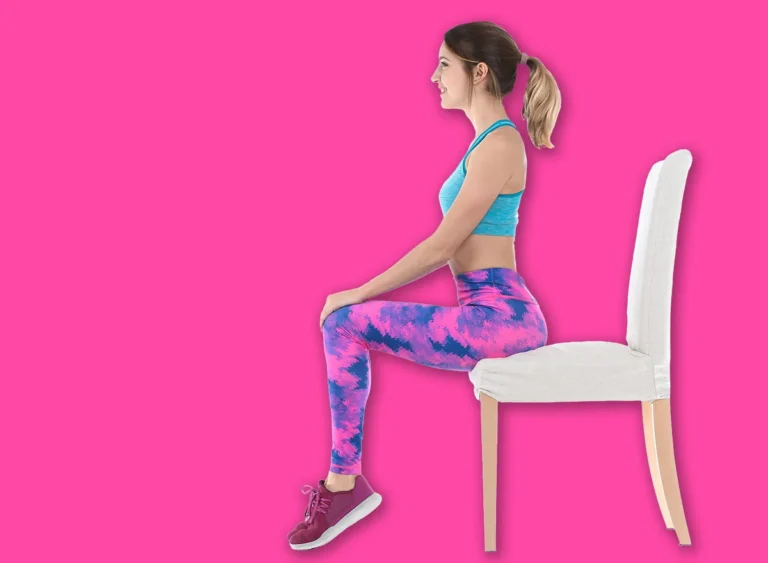
1. Ankle Rocks: The Grounding Phase
"The posture chain starts at the feet," says Dr. Gorecki. Stiff ankles are a frequent, overlooked culprit in poor spinal alignment. If the ankle joint lacks the necessary range of motion, the body forces a compensation upward, which inevitably impacts the posture of the hips and shoulders.
Ankle rocks are designed to restore dorsiflexion. By gently pushing the ankle through its range of motion, you lubricate the joint and ensure that your base of support is stable. A stable base allows the rest of the kinetic chain to remain relaxed rather than tense, preventing the "domino effect" of stiffness that often travels up the legs to the lumbar spine.
2. Standing Hip Circles: Relieving the Pelvis
Hip mobility is arguably the most under-addressed element of postural health in older adults. When hip flexors become tight—often due to sedentary behavior or excessive sitting—they pull the pelvis forward. This anterior pelvic tilt forces the lower back to arch, creating an unnatural curve in the spine.
Standing hip circles encourage mobility in three planes of movement. By freeing the hips, you allow the pelvis to return to a neutral position. When the pelvis is properly aligned, the spine is naturally supported, reducing the burden on the lower back muscles and facilitating a more upright, effortless stance.
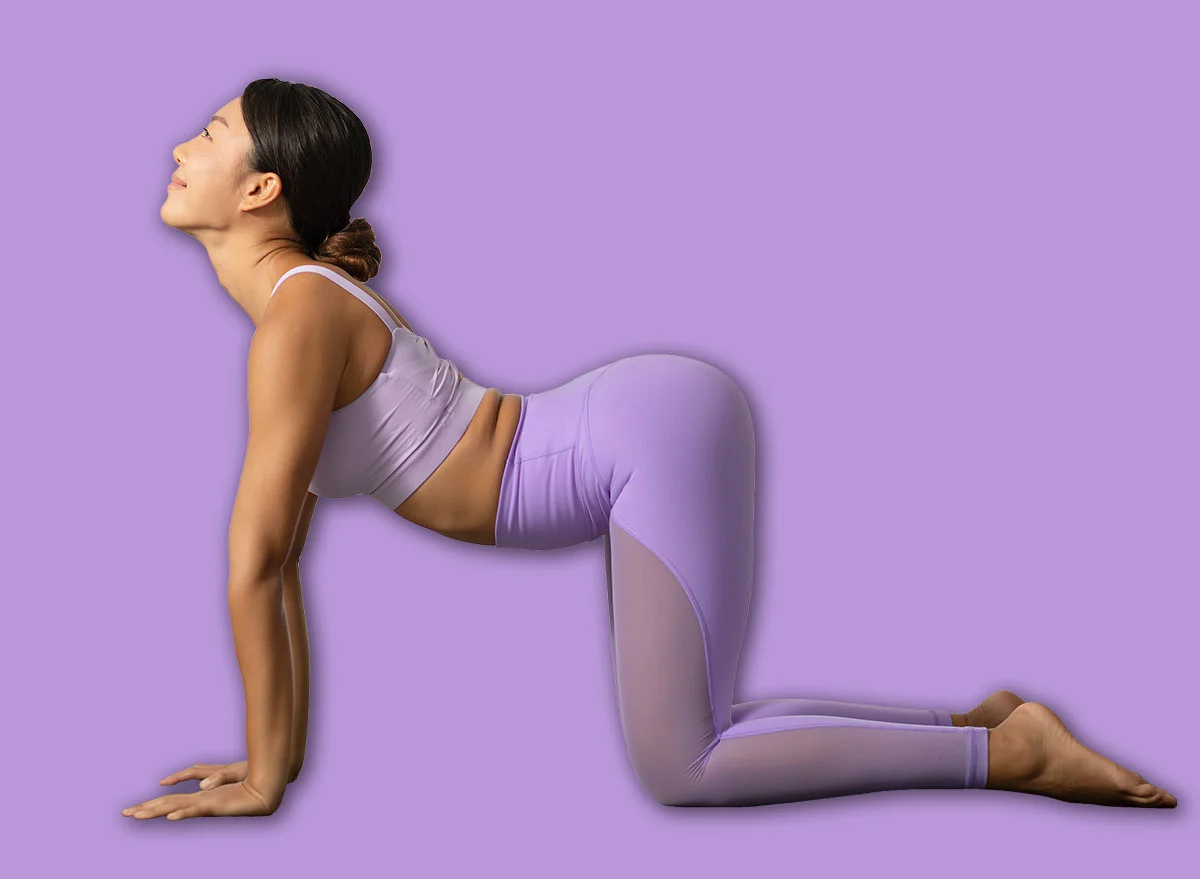
3. Cat-Cow: The Spinal Wake-Up Call
The Cat-Cow movement is a staple in many yoga traditions, and for good reason: it acts as a total-body reset. This exercise is designed to mobilize the entire vertebral column, from the base of the neck to the tailbone.
By alternating between arching the back (Cow) and rounding the spine (Cat), you are training the deep core muscles to stabilize the spine. This creates a "dynamic" stability, where your core knows how to support your posture during movement, not just when you are standing perfectly still. It is widely considered one of the highest-return exercises for spinal health across all age groups.
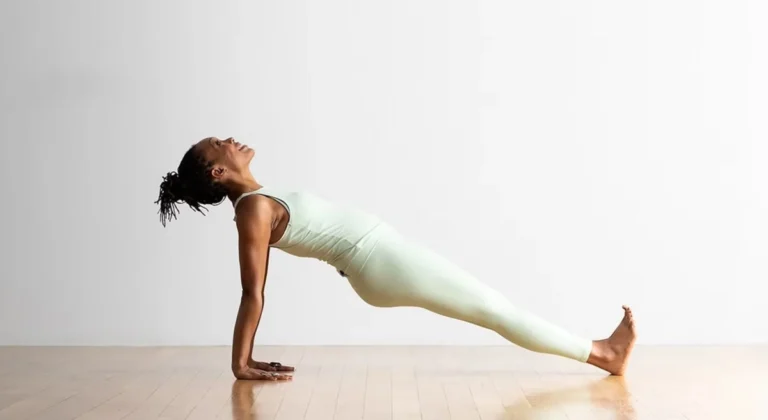
4. Thoracic Rotation: The Upper-Body Key
The thoracic spine—the mid-back area between your shoulder blades—is where the battle for posture is often won or lost. As we age, the mid-back tends to stiffen, causing the shoulders to round forward. The neck then attempts to compensate for this forward lean, leading to the "text neck" phenomenon.
Thoracic rotation exercises specifically target this mid-back stiffness. By restoring rotational mobility, you allow the shoulders to sit naturally in their proper place. This is perhaps the most impactful exercise for reversing the hunched-over look that many individuals develop after the age of 60.
5. Wall Angels: Strengthening the Posterior Chain
While the previous exercises focus on mobility, Wall Angels are essential for strengthening. They target the muscles responsible for pulling the shoulders back and down—the exact muscles that are weakened by decades of office work, driving, and smartphone usage.
Standing with your back against a wall and moving your arms in an "angel" motion forces the rhomboids and lower trapezius muscles to engage. While the movement appears simple, it is highly challenging for those who have spent years in a slouched position. Consistent practice builds the muscular endurance necessary to keep your shoulders retracted throughout the day without conscious effort.
6. Chin Tucks: Correcting Forward Head Posture
Forward head posture—the tendency for the head to drift ahead of the shoulders—is one of the most visible indicators of aging posture. It creates significant strain on the cervical spine and is a major contributor to chronic neck pain.
Chin tucks function by training the deep neck flexors. By drawing the chin straight back (creating a "double chin"), you strengthen the muscles that hold the head in proper alignment over the shoulders. This simple adjustment not only improves your visual profile but significantly reduces the tension on your upper traps and neck muscles.
Implications for Long-Term Wellness
Adopting this routine is not merely about standing taller; it is about mitigating the risk of future orthopedic issues. Chronic misalignment leads to joint wear and tear, which can manifest as osteoarthritis, compressed discs, and chronic tension headaches.
By integrating these six moves into your morning routine, you are making an investment in your physical autonomy. The goal is to reach a state where "good posture" is not a chore, but your body’s natural, resting state. As Dr. Gorecki notes, the cost of inaction is high, but the cost of ten minutes of daily movement is negligible compared to the benefits of a pain-free, aligned life.
Whether you are in your 30s looking to prevent future issues or in your 60s aiming to correct decades of stiffness, this protocol offers a path toward a more resilient, balanced, and confident version of yourself. Start slow, maintain consistency, and observe how your body begins to support you rather than fight you.