









The promise of regenerative medicine—the ability to heal damaged joints, soothe chronic pain, and perhaps one day reverse the biological clock—has captured the imagination of athletes, aging baby boomers, and those suffering from chronic orthopedic conditions. Yet, beneath the glossy marketing brochures and the promise of "cutting-edge" science lies a complex, often murky landscape.
As the global regenerative medicine market prepares for an explosive trajectory—projected to balloon from $58.40 billion this year to a staggering $360.84 billion by 2034—the urgency for patient literacy has never been higher. While billions of dollars are flowing into research and clinics, the clinical reality remains a patchwork of legitimate science, experimental hope, and aggressive, sometimes predatory, marketing.
The State of the Industry: A Gold Rush or a Scientific Breakthrough?
The current landscape of regenerative medicine is defined by a massive disconnect between commercial expansion and rigorous clinical evidence. According to research published in Cell Stem Cell, more than 1,500 businesses now market stem cell treatments across the United States. However, this rapid proliferation has outpaced regulatory oversight and standardized medical consensus.
A critical 2024 study highlights a concerning trend: a significant percentage of stem cell clinic websites fail to disclose the inherent risks of treatment or the limited evidence supporting their specific protocols. For many patients, the allure of a non-surgical fix for debilitating arthritis or injury makes them vulnerable to practices that prioritize profit margins over patient safety.
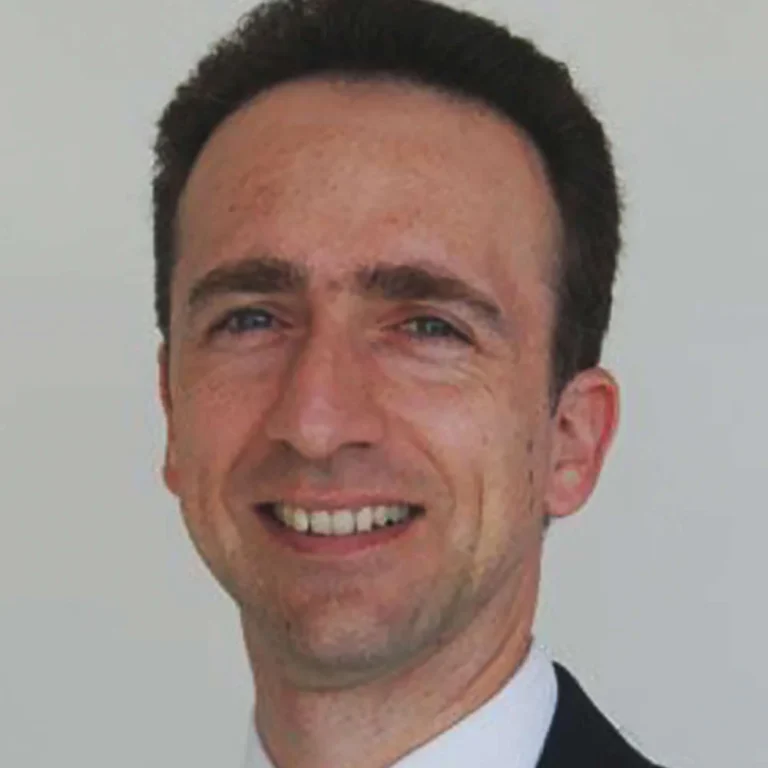
Dr. David Karli, founder of the Karli Health Institute in Miami, has spent two decades in the trenches of orthopedic regenerative medicine. He argues that while the field holds immense potential, it is currently plagued by a lack of transparency. "There’s just so much misinformation, and there are so many claims out there," Karli says. "The elephant in the room is that there’s lots of money to be made, and you have people in it for the right reasons and for the wrong. The consumer needs to be able to weed out the difference between the two."
Chronology: From Lab Bench to Clinical Reality
The evolution of regenerative medicine has been a story of rapid iteration. Early interest centered on simple platelet-rich plasma (PRP) injections—a process of concentrating a patient’s own blood components to promote healing. As techniques evolved, the industry pivoted toward autologous (the patient’s own) stem cells, and more recently, toward donor-derived products and exosomes (the "messenger" molecules secreted by cells).
However, the "chronology of adoption" often moves faster than the "chronology of validation." While the FDA has established frameworks for biological products, many of the specific applications currently offered in private clinics remain unapproved.
- The Early Years: Focus on PRP and basic orthopedic applications.
- The Expansion Phase: Adoption of bone marrow and adipose-derived stem cell treatments.
- The Current Era: The rise of donor cells, exosomes, and the integration of AI-driven predictive modeling to attempt to standardize outcomes.
Dr. Karli emphasizes that the field is currently in a "learning phase." While many providers claim to be at the forefront of a revolution, they are often performing procedures with limited longitudinal data. The goal for ethical practitioners is not to market a miracle cure, but to manage expectations while contributing to the body of evidence that will eventually dictate the field’s standard of care.
Supporting Data: Quantifying the Uncertainty
The industry’s growth is fueled by a combination of high demand and high price points, but it is also supported by an increasing focus on data-driven medicine. Dr. Karli’s approach to his patients is emblematic of a shift toward professional accountability. Before any needle touches a patient, his clinic engages in a rigorous diagnostic process.
"Are you here for regenerative medicine? Are you here for longevity and wellness? Or are you here for both?" Karli asks. This initial triage is followed by high-resolution imaging to determine the exact stage of pathology. Whether a patient has stage-two knee arthritis or a more complex bone-on-bone scenario determines not just the likelihood of success, but the specific biological protocol required.
Furthermore, the clinic tracks systemic biomarkers—including Vitamin D, hs-CRP (a marker for inflammation), HbA1c, and hormonal profiles. This is done to ensure that the internal "biological environment" is optimized for cellular repair. As Karli notes, "There are some biomarkers that empirically make sense in terms of tracking, but the science is still early, and we’re also learning which ones are important and may have predictive value."
Official Responses and Regulatory Implications
The regulatory environment in the United States is shifting to catch up with the market. Notably, a law that took effect in Florida on July 1, 2025, provides a framework for licensed physicians to perform certain regenerative procedures that have not yet received FDA approval, provided they focus on orthopedics, wound care, or pain management.
However, this freedom comes with strict mandates. The law requires that cells be sourced from FDA-registered facilities and adhere to current Good Manufacturing Practices (cGMP). Furthermore, they must be accompanied by a post-thaw viability report.
Despite these regulations, Dr. Karli remains critical of the "industry standard." While the law may allow for a 70% cell viability rate, Karli believes this is insufficient. "I think that is nowhere near acceptable," he asserts. His clinic goes above and beyond, retesting every shipment to ensure viability exceeds 90%. This discrepancy highlights a fundamental truth in the current market: the law establishes a minimum floor for safety, but top-tier clinical practice often demands a much higher ceiling.
The Patient’s Toolkit: How to Vet a Provider
For the average patient, the sheer volume of jargon—exosomes, mesenchymal stem cells, secretomes—can be overwhelming. Dr. Karli suggests that patients must become "active consumers" rather than passive recipients of care.
The Must-Ask Checklist:
- The Legal Framework: Is this a full-time practice or a side-hustle? Does the physician have a deep understanding of the regulatory landscape?
- The Data Trail: Is the clinic collecting outcomes? Can they provide statistics on their success rates based on specific injuries?
- The Dosing Question: Does the doctor know the specific dose? "If someone comes to me and says, ‘I tried PRP,’ I say, ‘Did your doctor know the dose?’ and if they say, ‘No,’ well, then how do I know if it worked or not?"
- The Donor Screening: If using donor cells, were they screened for communicable diseases and bacterial contaminants? Can the clinic show you the viability report?
- The Precision Factor: Are injections guided by ultrasound or X-ray? Precision is non-negotiable for safety and efficacy.
Implications: Managing the Future of Healing
The ultimate takeaway for the regenerative medicine industry is one of cautious optimism. We are not yet at the point where we can "reverse" disease in the absolute sense. Instead, the focus remains on improving function, mitigating pain, and enhancing the quality of life.
Dr. Karli’s use of AI models to predict patient outcomes—such as an 86.7% chance of 70% relief at two years—represents the future of the field. By quantifying the odds, physicians move from "selling a treatment" to "managing a medical strategy."
As the industry moves toward 2034, the separation between the "good actors" and the "bad actors" will become more defined. For the patient, the path forward is clear: demand transparency, question the dosing, verify the safety protocols, and never mistake a marketing brochure for a medical guarantee. The regenerative future is promising, but as with all powerful medical interventions, the burden of truth lies with those who provide the care and the patients who demand the evidence.