




For decades, the global food industry has relied on a suite of chemical additives to ensure the safety, stability, and aesthetic appeal of the modern diet. From preventing the bloom of toxic mold on sliced bread to maintaining the vibrant hue of processed meats, preservatives have become an inescapable component of the industrialized food supply. However, a landmark study published in the European Heart Journal suggests that this convenience may come at a significant cost to human health, specifically regarding hypertension and cardiovascular disease.
Led by researchers at the French National Institute for Health and Medical Research (INSERM) and the Université Sorbonne Paris Nord, the study provides some of the most compelling evidence to date that the ingredients designed to preserve food may be inadvertently compromising the human body.
The Scope of the Investigation
The research was spearheaded by Dr. Mathilde Touvier, a research director at INSERM, and PhD student Anaïs Hasenbühler, both members of the prestigious Nutritional Epidemiology Research Team. The investigation was nested within the NutriNet-Santé project—a massive, ongoing longitudinal study designed to unravel the complex relationship between nutritional intake and long-term health outcomes.
The study analyzed data from 112,395 volunteers across France. Unlike many nutritional studies that rely on retrospective "food frequency questionnaires"—which are often prone to memory bias—this study utilized a highly granular method of data collection. Every six months, participants were required to record every item of food and drink consumed over a three-day period. This approach provided researchers with an unusually detailed "digital map" of the participants’ dietary habits, allowing for a precise analysis of ingredient exposure over an average follow-up period of seven to eight years.
The Ubiquity of Additives
Perhaps the most striking finding of the initial data analysis was the sheer reach of food preservatives. During the first two years of the study, an staggering 99.5% of participants consumed at least one food preservative. This near-universal exposure underscores how deeply embedded these substances are in the Western diet.
"Food preservatives are used in hundreds of thousands of industrially processed foods," noted Hasenbühler. "Experimental studies have long suggested that some preservative food additives may be harmful to cardiovascular health, but until now, we have lacked robust evidence on the impact of these ingredients in human populations. This is the first study of its kind to investigate the links between a wide range of preservatives and cardiovascular outcomes on such a large scale."
Categorizing the Risk: Non-Antioxidants vs. Antioxidants
To better understand the mechanism of potential harm, the researchers categorized additives into two primary groups based on their function:
- Non-antioxidant preservatives: These are primarily used to inhibit the growth of microorganisms, including bacteria and mold, that cause foodborne illness or spoilage.
- Antioxidant preservatives: These are added to slow the process of oxidation—a chemical reaction that leads to rancidity, loss of flavor, and browning in fats and oils.
The results showed a clear correlation between high intake and disease markers. Participants who consumed the highest levels of non-antioxidant preservatives faced a 29% higher risk of hypertension and a 16% higher risk of cardiovascular events, including heart attacks, strokes, and angina, compared to those with the lowest intake. Similarly, those with the highest intake of antioxidant preservatives faced a 22% increased risk of developing high blood pressure.
Eight "Red Flag" Ingredients
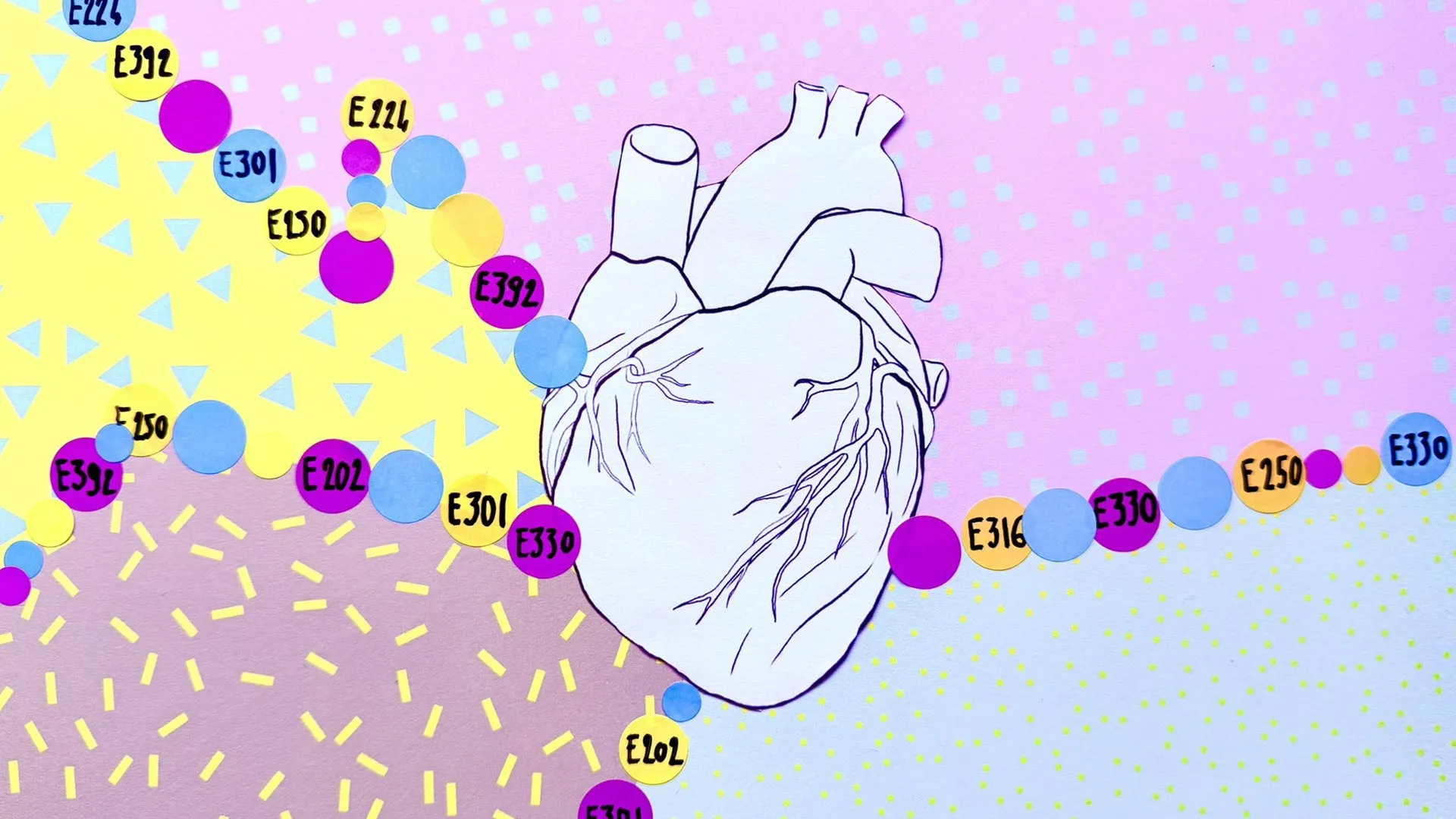
While the study analyzed a broad spectrum of additives, eight specific compounds were identified as having the strongest statistical association with elevated blood pressure:
- Potassium sorbate (E202)
- Potassium metabisulphite (E224)
- Sodium nitrite (E250)
- Ascorbic acid (E300)
- Sodium ascorbate (E301)
- Sodium erythorbate (E316)
- Citric acid (E330)
- Extracts of rosemary (E392)
Notably, ascorbic acid (E300) was also linked to an increased risk of broader cardiovascular disease. While these findings do not establish a direct causal link—as the study was observational—the consistency of the data across such a large sample size has sent a ripple through the nutritional science community.
The Biological Mechanism: Why Preservatives Matter
The researchers are now turning their attention to the "why." If these chemicals are indeed affecting heart health, what is the biological pathway? The current leading theory involves oxidative stress.
Oxidative stress occurs when there is an imbalance between the production of reactive oxygen species (free radicals) and the body’s ability to neutralize them with antioxidants. If preservatives interfere with the body’s natural homeostatic processes, they may lead to the gradual destruction of cellular and vascular tissues.
Furthermore, the team is exploring the impact of these additives on the pancreas. As the primary organ responsible for glucose regulation and metabolism, any disruption in pancreatic function could have cascading effects on blood pressure and heart health. Perhaps most intriguingly, the researchers are investigating the gut microbiota. The billions of microbes residing in the digestive tract are known to influence everything from immune function to systemic inflammation. It is hypothesized that certain preservatives may act as "antibiotics" for the gut, potentially disrupting the delicate balance of the microbiome and leading to chronic metabolic issues.
Official Responses and Regulatory Implications
The findings have ignited a conversation regarding the adequacy of current food safety regulations. While the European Food Safety Authority (EFSA) and the U.S. Food and Drug Administration (FDA) have historically approved these additives as "generally recognized as safe" (GRAS), Dr. Touvier believes the time has come for a reassessment.
"These results suggest we need a re-evaluation of the risks and benefits of these food additives by the authorities in charge," Dr. Touvier stated. "While our study has the inherent limitations of observational research, the detail provided by our participants and our adjustments for confounding factors make a compelling case for a closer look."
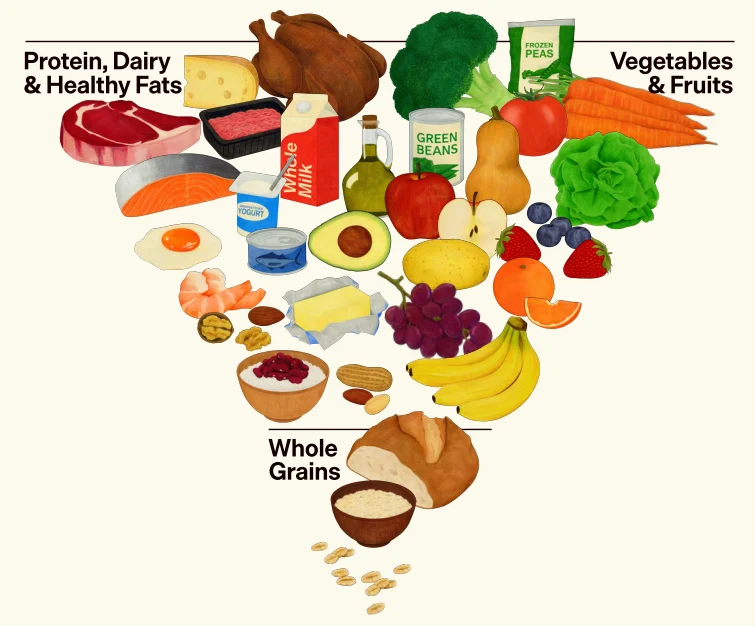
The implication is not that consumers should panic, but rather that the food industry and regulators must reconsider the necessity of certain additives. In the interim, the research team supports the existing public health consensus: favor minimally processed, whole foods. By reducing reliance on ultra-processed products, consumers naturally limit their exposure to the cocktail of preservatives currently lining supermarket shelves.
Looking Ahead: The Future of Nutritional Research
The INSERM team is not stopping at cardiovascular health. They are currently expanding their research to look at how these additives interact with inflammatory markers and the blood’s metabolic profile. By mapping these biological changes, the team hopes to transition from observational studies to more mechanistic clinical trials.
As we learn more about the profound influence of diet on human longevity, the distinction between "food" and "food-like products" becomes increasingly important. The study by Hasenbühler and Touvier serves as a crucial reminder that while we have mastered the art of keeping food on our shelves for months, we may be paying for that luxury with the long-term health of our hearts.
For now, the advice to healthcare providers is clear: prioritize conversations with patients about the quality of their diet. As the evidence base grows, the focus must shift from simply counting calories to understanding the chemical composition of the food that fuels our lives. The era of the "ultra-processed" diet may soon face its most significant regulatory and public health challenge to date.