










For decades, the food industry has championed low-calorie and artificial sweeteners as the "metabolically neutral" solution to the global obesity and diabetes crises. By providing the sensory reward of sugar without the caloric baggage, these additives have become ubiquitous in the modern diet, appearing in everything from diet sodas and protein bars to medications and toothpaste. However, a landmark study from the University of Cambridge’s Medical Research Council (MRC) Toxicology Unit has challenged this foundational assumption, suggesting that sweeteners are far from biologically inert.
According to laboratory research published in the journal Molecular Systems Biology, common sweeteners can directly interfere with the growth of gut bacteria—a discovery that gains newfound complexity when these additives are combined with everyday medications and food ingredients.
Main Facts: A Disruption of the Microbial Ecosystem
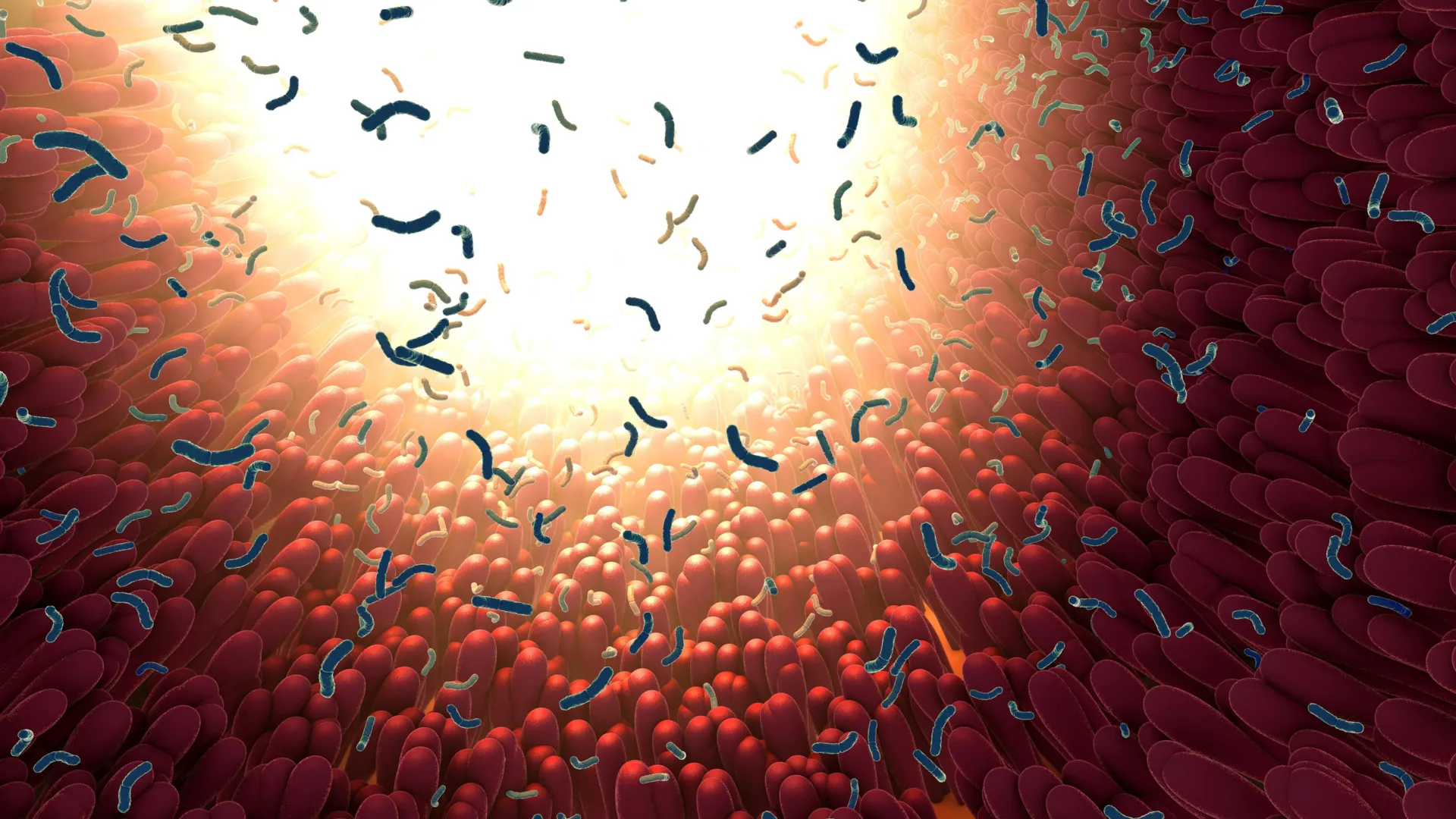
The human gut microbiome is an intricate, dense ecosystem of trillions of microorganisms that perform essential tasks: breaking down complex nutrients, synthesizing vitamins, training the immune system, and regulating metabolic health. The Cambridge study, led by Dr. Sonja Blasche and Professor Kiran Patil, suggests that this delicate balance may be at risk.
The researchers tested 39 commercially available sweeteners, including both natural and artificial varieties, against 25 distinct species of gut bacteria. The results were striking: approximately 75% of the tested sweeteners inhibited the growth of at least one bacterial species. More significantly, the study found that when these sweeteners were combined with other common substances—such as caffeine, vanillin, or specific prescription medications—their impact on microbial growth was significantly amplified or altered.
The most concerning finding involved the pairing of isosteviol (a sweetener derivative) with duloxetine, an antidepressant used by millions for conditions ranging from clinical depression and anxiety to chronic pain. In laboratory cultures, this combination sharply suppressed the growth of Roseburia intestinalis and Parabacteroides merdae, two bacterial species critical for maintaining gut barrier integrity, blood sugar regulation, and healthy immune function.
The Chronology of the Investigation
The path to these findings began with a fundamental scientific question: Do sweeteners interact directly with our internal microbes, or are the observed health effects in population studies merely coincidental?
Phase 1: Screening the Sweeteners
The team began by isolating 25 bacterial species, representing a cross-section of beneficial, neutral, and potentially harmful microbes. Each was exposed to 39 different sweeteners. The researchers monitored the cultures in real-time, observing how quickly they multiplied and identifying instances where growth was stunted or halted entirely.
Phase 2: Introducing Complexity
Recognizing that humans never consume sweeteners in a vacuum, the researchers moved beyond single-compound testing. They began pairing sweeteners with "co-factors"—substances frequently found in the same products, such as caffeine in diet sodas or vanillin in processed desserts. They also introduced eight common medications into the mix to simulate the experience of a patient taking pills alongside sweetened food or drink.
Phase 3: Synthetic Community Modeling
To move closer to real-world conditions, the team constructed a "synthetic community" containing all 25 bacterial species in a single, crowded environment. This allowed the researchers to observe how the microbes interacted with one another when stressed by the presence of sweeteners and drug compounds. This phase allowed for the identification of systemic shifts in microbial diversity and the resulting toxicity toward human host cells.
Supporting Data: More Than 100 Unexpected Interactions
The study identified over 100 instances where the presence of an additional compound fundamentally altered the impact of a sweetener on the microbiome. Of these, 34 cases showed a synergistic effect where the combination was more damaging than either substance alone, while 68 cases showed a weakening effect.
The data suggests that the gut microbiome’s response to a sweetener is highly contextual. For instance, a sweetener that might be harmless in isolation could become a microbial inhibitor when combined with a specific medication or flavoring agent.
The decline in microbial diversity within the synthetic community is perhaps the most significant data point. High microbial diversity is a hallmark of a resilient gut. By reducing this diversity, the combination of isosteviol and duloxetine not only altered the community’s balance but also triggered secondary reactions that increased toxicity toward human cells and disrupted pathways involved in inflammation.
Official Responses and Scientific Perspective
Dr. Sonja Blasche, the lead author of the study, emphasized the need for a shift in how the industry views sweeteners. "Sweeteners are often marketed as metabolically neutral, but our study challenges this idea," she stated. "We found that they can directly affect gut bacteria, particularly when mixed with other compounds such as medication and food additives. These common combinations could have unintended effects on our gut microbiome."
Professor Kiran Patil, the study’s senior author, noted that the research bridges a significant gap in nutritional science. "Most of what we know about the potential impact of sweeteners on our health comes from animal research or from population studies," Patil explained. "While these studies have indicated the involvement of the microbiome, it has been difficult to isolate whether sweeteners act through direct interactions with our gut bacteria. Our study suggests that artificial sweeteners don’t just pass through the body passively—they can interact with microbes, and these effects can be amplified or altered by other substances like medications."
Implications: The Path Forward
The implications of this study are far-reaching, though the researchers are careful to place them in context. Because the experiments were conducted in a laboratory environment, they do not constitute clinical proof that these combinations will cause disease in humans. The human digestive tract is vastly more complex than a laboratory culture; it involves absorption, chemical alteration of compounds by the liver, and dilution by digestive fluids before substances ever reach the lower gut.
However, the findings open a new frontier for medical and nutritional research. The fact that common, widely prescribed medications—such as the antidepressant duloxetine—can shift the impact of a diet additive on the gut microbiome suggests that "personalized nutrition" may need to account for the pharmaceutical profile of the consumer.
Potential Future Research Directions
- Human Clinical Trials: Researchers must now determine if these microbial shifts occur in human subjects and whether they correlate with meaningful health outcomes, such as altered blood glucose levels or increased systemic inflammation.
- Dose-Response Studies: Further work is required to establish what concentrations of these substances are necessary to trigger the observed bacterial suppression, and whether typical dietary intake levels are sufficient to cause concern.
- Medication Interaction Databases: There is a growing need to map the interactions between non-nutritive additives and common pharmacopeia to ensure that dietary choices do not inadvertently undermine the efficacy of medical treatments.
A Call for Caution
For the average consumer, these findings do not warrant immediate panic. The study is a call for scientific scrutiny rather than a dietary mandate. However, it serves as a powerful reminder that the substances we ingest—whether labeled as "sugar-free," "natural," or "low-calorie"—do not simply disappear into the ether. They participate in the complex chemical signaling of the body, and the "synergistic effect" discovered by the Cambridge team highlights that the true impact of our diet may lie in the combinations, not just the individual components.
As the scientific community continues to unravel the mysteries of the gut microbiome, this study provides a vital piece of the puzzle, moving us closer to understanding how our modern food environment interacts with the ancient, microscopic life that calls our digestive system home. The research, funded by the European Union’s Horizon 2020 program and the UK Medical Research Council, marks a significant step toward a more sophisticated understanding of human health in the age of processed, high-additive diets.