









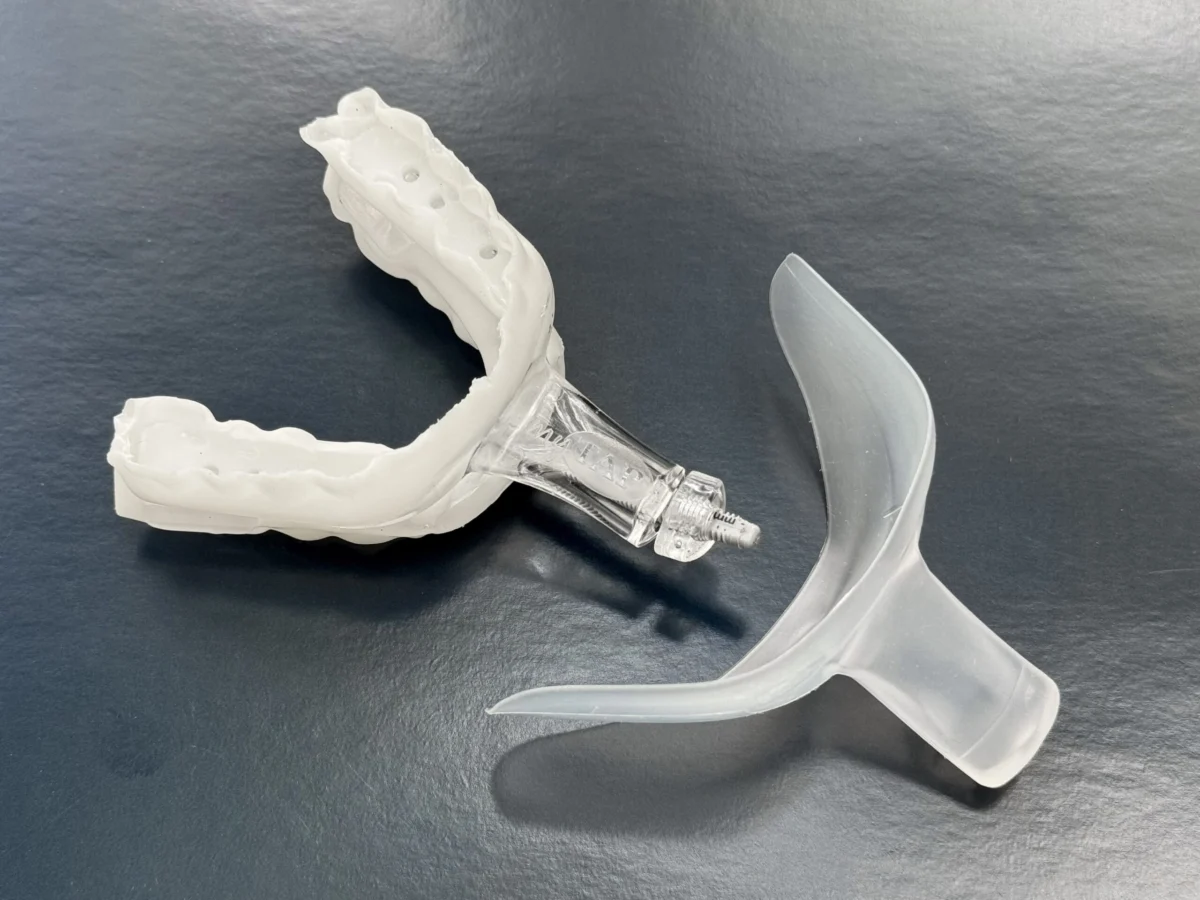
A compelling new case report has surfaced from the 2026 American Academy of Dental Sleep Medicine (AADSM) Annual Meeting, challenging traditional approaches to managing Obstructive Sleep Apnea (OSA). The study, which centers on the integration of the myTAP chairside oral appliance with a supplemental mouth shield, suggests that a "less is more" approach to mandibular advancement—when paired with enforced nasal breathing—can produce life-altering results for patients previously resistant to conventional therapies.
For the millions suffering from moderate-to-severe OSA, the journey to effective treatment is often fraught with patient non-compliance regarding Continuous Positive Airway Pressure (CPAP) machines or the discomfort of bulky, custom-molded oral appliances. This latest research, authored by Jason Hui, DDS, MAGD, ABDSM, and Alan G. McDavid, DDS, MAGD, ABDSM, offers a promising, rapid-response alternative that prioritizes both patient comfort and physiological restoration.
The Clinical Challenge: When Standard Therapy Falls Short
Obstructive Sleep Apnea is a chronic condition characterized by repetitive collapses of the upper airway during sleep, leading to oxygen desaturation, fragmented sleep, and a host of long-term cardiovascular and neurological risks. While CPAP remains the gold standard, the "real-world" efficacy of the device is frequently undermined by patient intolerance.
In the case report presented at the AADSM, the subject was a 45-year-old female respiratory therapist—an individual highly familiar with the complexities of sleep medicine. Despite her professional background, her OSA remained treatment-resistant. The researchers sought to determine if a more targeted, conservative mechanical intervention could bypass the limitations of traditional, aggressive jaw advancement.
The Methodology: A Dual-Action Approach
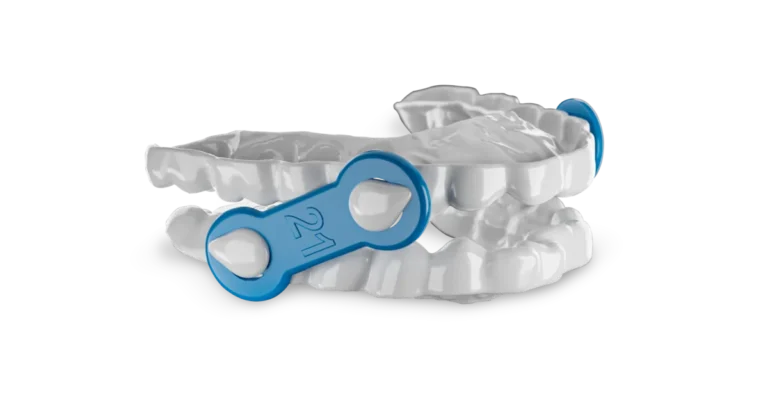
The intervention utilized the myTAP device, an FDA-cleared, non-custom oral appliance designed for rapid, chairside fitting. Unlike custom appliances that may take weeks to manufacture, the myTAP can be fitted in approximately 15 minutes. The key innovation in this study was not just the appliance itself, but its combination with a mouth shield designed to force nasal breathing.
By preventing oral air leaks and encouraging the patient to breathe through the nose, the researchers aimed to leverage the body’s natural physiological mechanisms to keep the airway open, rather than relying solely on the physical protrusion of the mandible.
Chronology of the Intervention and Findings
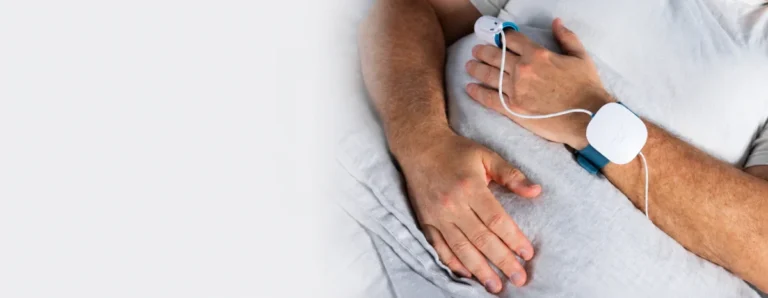
The study followed a rigorous two-night polysomnography (PSG) protocol to measure the immediate impact of the combined therapy.
Pre-Treatment Baseline
Before the intervention, the patient’s diagnostic profile indicated moderate-to-severe OSA. Her Apnea-Hypopnea Index (AHI)—the primary metric for measuring the severity of sleep apnea—sat at 25.4 events per hour. In the clinical community, an AHI above 15 is generally classified as moderate, while anything above 30 is severe. At 25.4, the patient was experiencing significant respiratory distress throughout the night, leading to chronic sleep fragmentation, despite her initial claims of being asymptomatic.
The Immediate Transformation
Following the fitting of the myTAP appliance and the implementation of the mouth shield, the patient underwent a follow-up polysomnography. The results were stark:
- AHI Reduction: The patient’s AHI dropped from 25.4 to 3.6 events per hour. This represents an 86% reduction, effectively moving the patient from a clinical diagnosis of moderate-to-severe OSA to a state of near-normal breathing.
- Oxygenation and Hypoxic Burden: Beyond the reduction in apnea events, the patient showed substantial improvements in oxygen saturation levels and a significant decrease in "hypoxic burden"—a metric that tracks the cumulative damage caused by low oxygen levels during sleep.
- Autonomic Stability: The study noted a stabilization in the patient’s autonomic nervous system and vagal tone, suggesting that the treatment reduced the "fight or flight" stress response that typically occurs during apnea events.
Supporting Data: Why Nasal Breathing Matters
The authors of the report argue that the success of this treatment hinges on the physiological benefits of nasal breathing. While many sleep apnea patients unconsciously resort to mouth breathing when their airway narrows, this shift is counterproductive.
The Nitric Oxide Advantage
Nasal breathing acts as a natural delivery system for nitric oxide, a gas produced in the paranasal sinuses. Nitric oxide is a potent vasodilator and bronchodilator; when inhaled into the lungs, it improves oxygen uptake and helps regulate vascular resistance. By forcing the patient to breathe through the nose using the mouth shield, the therapy ensures that the patient receives this benefit, which is absent during mouth breathing or when using a full-face CPAP mask.
Resistance and Vagal Tone
The investigators noted that the combined approach reduces upper airway resistance. When the mandible is minimally advanced by the myTAP device, it provides just enough physical support to prevent collapse. When this is coupled with the pressure-balancing effect of nasal-only airflow, the patient’s vagal tone—a key indicator of the parasympathetic nervous system’s ability to facilitate deep, restorative sleep—is significantly improved.
Official Responses and Clinical Perspectives
The results have generated significant interest among dental sleep medicine practitioners, who are often looking for ways to improve compliance and speed up the time-to-treatment for their patients.
"This case illustrates myTAP’s unique ability to deliver same-day therapy and achieve clinically meaningful results quickly, even at conservative advancement levels," stated Dr. Alan G. McDavid. "Combining it with simple nasal patency support amplified outcomes dramatically, offering a practical, patient-friendly approach for dental sleep medicine practices."
Charles Collins, CEO of TAP Sleep Care, emphasized the significance of the data in the context of the broader sleep market. "By pairing minimal mandibular advancement with enforced nasal breathing, we achieved an 86% reduction in AHI in just one additional night, along with major gains in oxygenation, hypoxic burden, autonomic balance, and snoring elimination," Collins remarked.
The consensus from the researchers is that this case challenges the current industry assumption that "more is better." Often, practitioners attempt to aggressively push the jaw forward to open the airway, which can lead to TMJ pain, tooth movement, or long-term discomfort. This study suggests that if nasal breathing is optimized, the amount of mechanical force required to keep the airway open can be reduced, potentially increasing long-term patient adherence.
Implications for the Future of Sleep Dentistry
The findings presented at the 2026 AADSM meeting have several far-reaching implications for the field of sleep medicine.
1. Shift Toward "Same-Day" Solutions
The traditional model of custom-fitted appliances involves long wait times and multiple office visits. A device like the myTAP, which can be fitted in 15 minutes, changes the economics and the patient experience of sleep dentistry. If practitioners can provide immediate relief, they are more likely to secure patient buy-in before the patient becomes frustrated with the titration process.
2. Questioning CPAP Dominance
The report also challenges the "airflow equivalence" assumptions associated with CPAP. While CPAP works by "splinting" the airway with air pressure, the study suggests that the body may respond more favorably to the natural, gentle support of an oral appliance paired with optimized nasal physiology. This could lead to a shift in how clinicians view "treatment-resistant" patients, suggesting that they may not be resistant to treatment itself, but rather to the method of delivery.
3. The Need for Longitudinal Research
While the 86% reduction in AHI is statistically and clinically impressive, the authors are cautious. They have called for future, larger-scale trials to address the long-term efficacy of this combined approach. Specifically, researchers need to understand how the mandible adapts to this type of advancement over several years and how the mouth shield affects sleep comfort in diverse populations.
4. A New Protocol for Practitioners
For dental sleep medicine offices, this study serves as a roadmap for a new clinical protocol. By incorporating a simple, inexpensive mouth shield into the treatment plan, dentists may be able to achieve superior results with less aggressive appliance settings. This reduces the risk of side effects like occlusal changes, which have long been a concern for patients considering long-term oral appliance therapy.
Conclusion
The case report authored by Drs. Hui and McDavid represents a significant milestone in the evolution of obstructive sleep apnea treatment. By shifting the focus toward the synergy between minimal mechanical advancement and the restoration of natural nasal breathing, the researchers have opened a door to more accessible, comfortable, and highly effective therapies.
As the medical community continues to look for ways to combat the global sleep apnea epidemic, the success of this "chairside" model suggests that the next generation of sleep medicine will be defined by speed, simplicity, and a deeper respect for the body’s innate physiological processes. While further research is required to solidify these findings across broader demographics, the initial results provide a compelling argument for revisiting how we define "optimal" treatment in the modern sleep clinic.