








For decades, the “placebo effect” was viewed by the medical establishment primarily as a nuisance—a statistical ghost that researchers had to exorcise from clinical trials to prove the efficacy of a new drug. However, a groundbreaking study emerging from the Università Cattolica in Milan is flipping this narrative on its head. According to new research published in the International Journal of Clinical and Health Psychology, the power of the mind may be an untapped resource for healthy aging, with results showing that even “open-label” placebos—where the patient knows they are receiving a sham treatment—can produce significant improvements in physical and cognitive performance.
The Core Findings: A Surprising Turn in Gerontology
The study, led by a team of psychologists including Diletta Barbiani, Alessandro Antonietti, and Francesco Pagnini, sought to investigate whether the mind could be harnessed to mitigate the natural cognitive and physical decline associated with aging. By recruiting 90 healthy older adults, the team tested the efficacy of both traditional “deceptive” placebos and “open-label” placebos over a three-week period.
The results were, by any metric, remarkable. Participants who knowingly consumed inactive pills—those who were told exactly what they were—experienced a 9.2% increase in physical performance and cognitive gains ranging between 6.9% and 21.5%. Perhaps most intriguingly, these participants reported lower stress levels and reduced daytime sleepiness, often outperforming the group that had been deceived into believing they were taking a potent, active supplement.
Chronology: The Three-Week Transformation
The research project, supported by PNRR grants through the Age-IT project, was structured to provide a comprehensive look at how expectation and mind-body signaling influence the aging process.
Phase 1: Recruitment and Baseline Assessment
The study began with the recruitment of 90 community-dwelling older adults, all of whom were assessed for baseline health. Researchers established a “control group,” which received no intervention, to serve as a standard for natural fluctuations over the three-week study duration.
Phase 2: The Intervention
The cohort was randomly divided into three distinct groups:
- The Control Group: Received no pills or intervention.
- The Deceptive Placebo Group: Received inactive pills but were informed they were taking an active supplement designed to boost well-being and physical vitality.
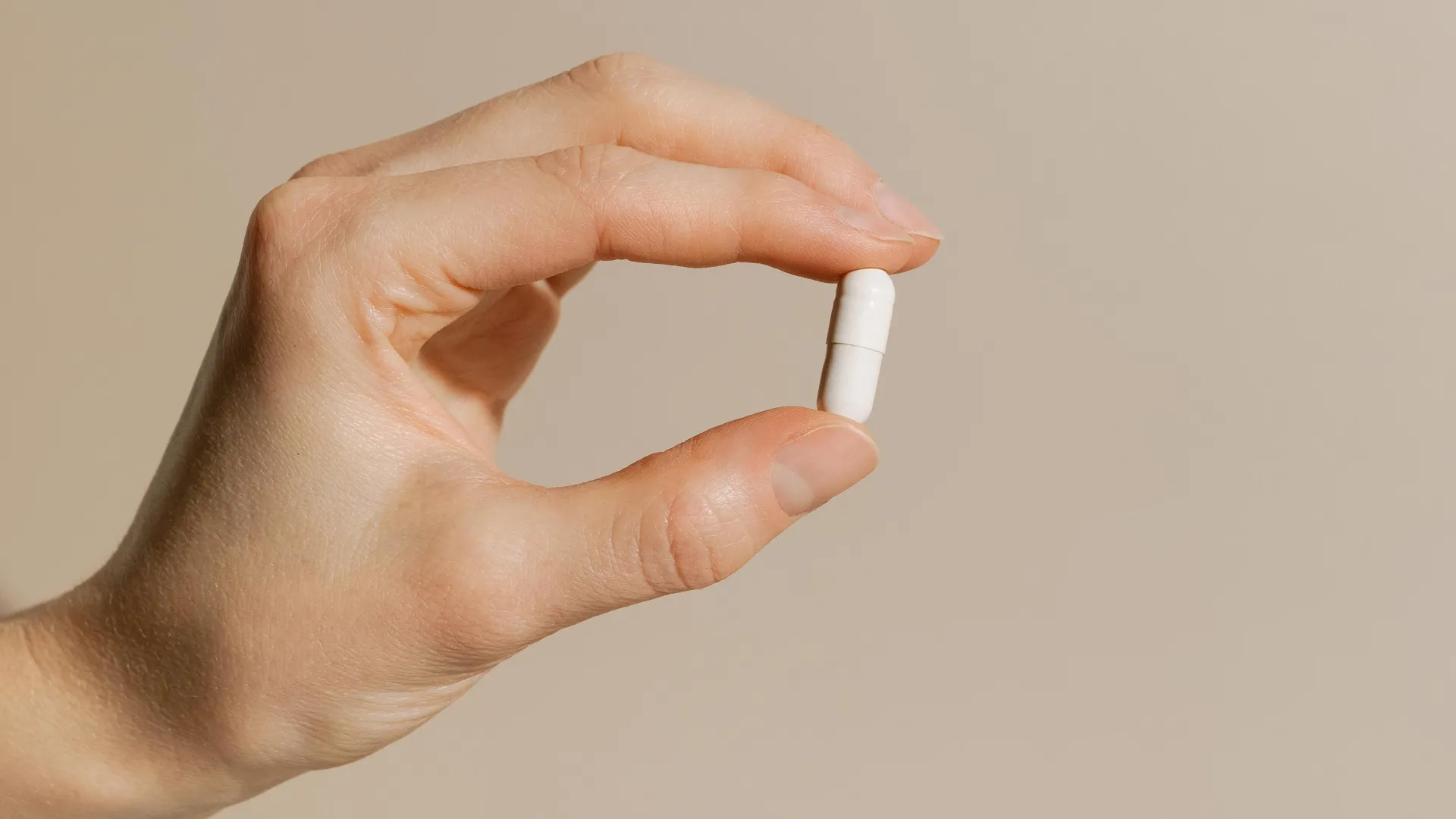
- The Open-Label Placebo Group: Received the same inactive pills but were explicitly told they were placebos. Crucially, researchers explained the theory behind the placebo effect, noting that the act of taking a pill could trigger beneficial mind-body responses.
Phase 3: The Data Collection
Before and after the three-week period, all participants underwent rigorous testing. They completed extensive questionnaires measuring subjective markers: perceived stress, psychological well-being, fatigue, optimism, self-efficacy, and internal stereotypes regarding the aging process. Simultaneously, they participated in objective performance tests, including assessments of short-term memory, selective attention, and physical motor function.
Supporting Data: By the Numbers
The quantitative outcomes of the study provide a compelling argument for the role of psychological perception in physical health. The data suggests that the mind-body connection is not merely a philosophical concept but a measurable biological reality.
Physical Performance Gains
- Deceptive Placebo Group: Experienced a 7% increase in physical performance metrics.
- Open-Label Placebo Group: Outperformed the deceptive group with a 9.2% increase in physical performance.
Cognitive Performance Gains
The cognitive improvements were perhaps the most significant finding, given that memory and attention are often the first faculties to decline in the elderly.
- Participants who believed they were taking a real supplement saw cognitive scores rise between 12.6% and 14.6%.
- Participants who knowingly took a placebo saw gains ranging from 6.9% to 21.5%, depending on the specific cognitive test administered.
Psychological Well-being
Stress reduction was most pronounced in the open-label group. Researchers suggest that by removing the element of deception, participants may have felt more empowered, fostering a sense of agency that actively reduced physiological stress markers.
Official Perspectives: Bridging the Gap
Francesco Pagnini, a Full Professor of Clinical Psychology at the Università Cattolica, emphasizes that these findings are not meant to suggest that placebos can replace essential medications for chronic illnesses. Instead, they highlight a systemic shift in how we approach the aging process.
"The study is part of an established line of research in which we analyze the role of the mind in aging processes, which is very important," Pagnini stated. He argues that we have long underestimated how thoughts, emotions, and self-perceptions—such as one’s internal narrative regarding aging—influence biological performance.
"Our goal was to clarify whether an open-label placebo therapy could influence psychological, cognitive, and physical functions in older adults," Pagnini explained. The success of the open-label cohort suggests that the mechanism behind the placebo effect may not be the deception itself, but rather the ritual of self-care and the positive expectation of improvement.
The Implications: A New Frontier in Healthy Aging
The implications of this study are profound, particularly regarding the ethics of clinical care and the future of gerontological interventions.
1. Ethically Acceptable Strategies
The traditional barrier to using placebos in medicine has been ethical: physicians cannot lie to their patients. However, if open-label placebos are as effective as—or, in this case, more effective than—deceptive ones, the ethical concerns evaporate. This opens the door to a new form of therapy where clinicians and patients can collaborate on a “mind-body” protocol that requires no pharmaceutical intervention.
2. The Power of Self-Efficacy
The study reinforces the concept of "self-efficacy"—the belief in one’s ability to influence one’s own health. By engaging in a daily ritual of taking a pill with the expectation of improvement, the participants effectively activated their own nervous systems to improve performance. This suggests that the psychological environment of the elderly is just as important as their physical environment.
3. Non-Pharmacological Interventions
With an aging global population, the demand for non-pharmacological interventions is at an all-time high. The cost-effectiveness of this approach is obvious; placebos are inexpensive and carry none of the side effects associated with pharmacological supplements or drugs. If a daily habit can improve memory and physical strength, it offers a sustainable, low-risk way to promote independence in older adults.
Toward a New Understanding of Aging
The work of Pagnini and his colleagues at the Università Cattolica forces a reconsideration of the aging trajectory. For decades, decline was viewed as an inevitable, unidirectional slide. This research suggests that while biological aging is a reality, the rate and experience of that aging are highly malleable.
By acknowledging the profound, evidence-based connection between the mind and the body, we can move toward a more holistic model of medicine. In this model, the patient is not a passive recipient of chemical interventions but an active participant in their own well-being.
As the Age-IT project continues to synthesize these findings, the scientific community must grapple with a challenging but exciting realization: the cure for some of the most frustrating aspects of aging might not be found in a lab-engineered compound, but within the patient’s own expectations and their willingness to engage in the process of self-improvement.
This research serves as a clarion call for further, larger-scale studies to determine how these open-label rituals might be integrated into long-term care settings. If the simple act of intentionality can produce a 21% increase in cognitive performance, imagine the possibilities when combined with standard physical therapy, nutrition, and social engagement. The "placebo effect," once the unwanted guest at the medical table, is finally taking its seat as a legitimate, powerful, and ethical tool in the longevity toolkit.