






For the estimated 80% of individuals with hypermobile Ehlers-Danlos syndrome (hEDS) who also navigate the complexities of dysautonomia, summer is rarely a season of carefree relaxation. Instead, it is a period of high-stakes management. As temperatures climb, the simple act of stepping outside can trigger a cascade of debilitating symptoms: heart palpitations, orthostatic intolerance, extreme fatigue, and "brain fog."
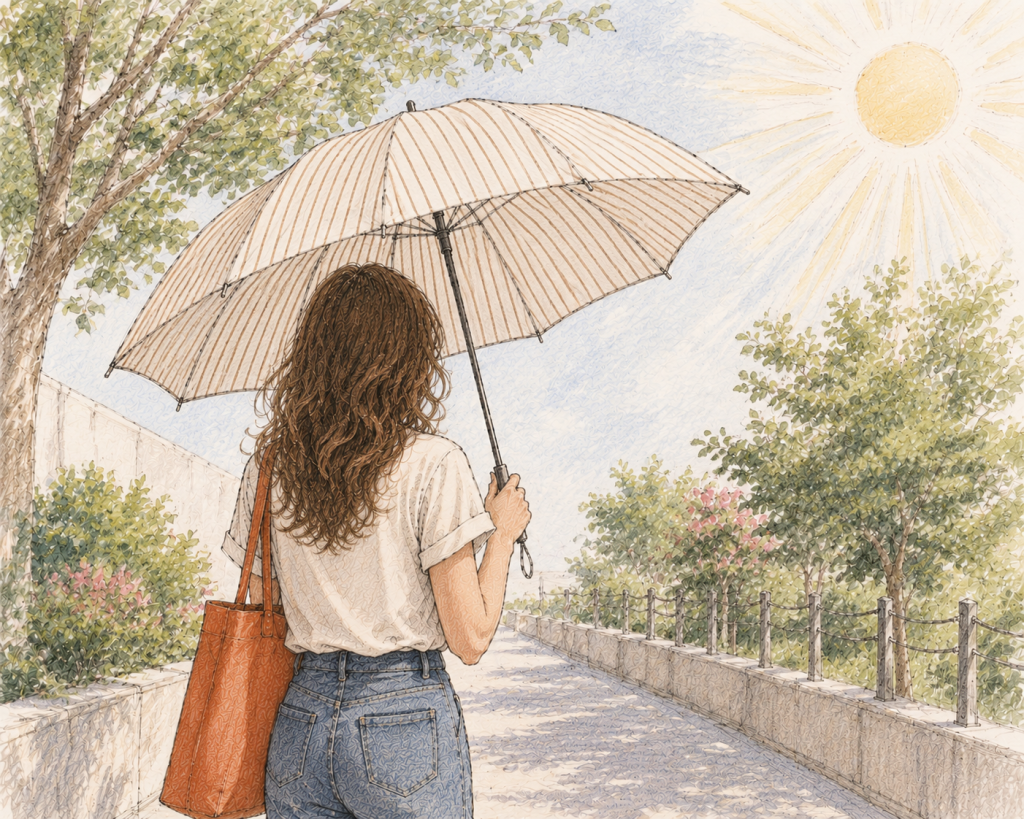
While the digital landscape is saturated with survival guides—many of which emphasize hydration and electrolyte replenishment—there is one humble, often overlooked accessory that can fundamentally shift the outdoor experience: the specialized sun umbrella (parasol). More than a fashion statement, for the dysautonomia community, this tool represents a literal portable patch of relief.
The Physiology of Heat Intolerance in Dysautonomia
To understand why a sun umbrella is so effective, one must first understand the physiological burden placed on the dysautonomic body during a heatwave.
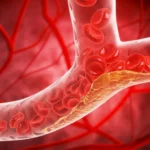
In a healthy individual, the autonomic nervous system (ANS) maintains homeostasis by regulating blood pressure and heart rate, particularly when transitioning from sitting to standing. When ambient temperatures rise, the body initiates vasodilation—widening the blood vessels—to shunt blood to the skin’s surface for cooling.
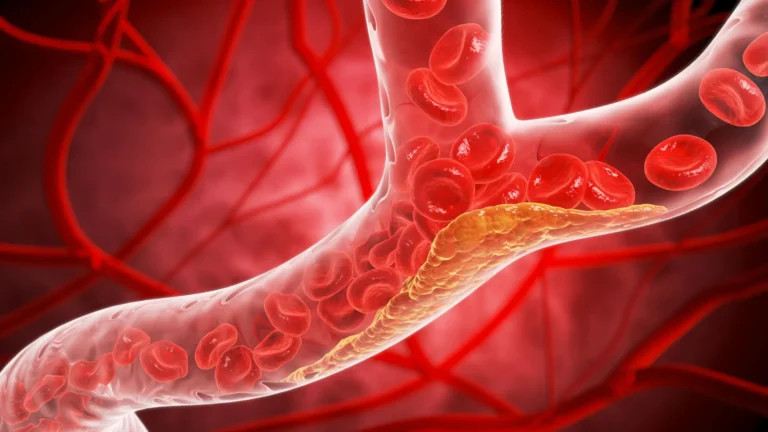
For those with dysautonomia, particularly Postural Orthostatic Tachycardia Syndrome (POTS), this process is fundamentally dysregulated. The heat-induced vasodilation exacerbates blood pooling in the extremities. Because the body is already struggling to maintain adequate blood flow to the brain, the added thermal stress forces the heart to beat faster to compensate, often leading to syncope, dizziness, and profound physical exhaustion. By preventing direct solar radiation from hitting the body, a sun umbrella reduces the immediate need for aggressive vasodilation, effectively lowering the systemic strain on the ANS.
A Personal History: From Tokyo Streets to Swiss Summers
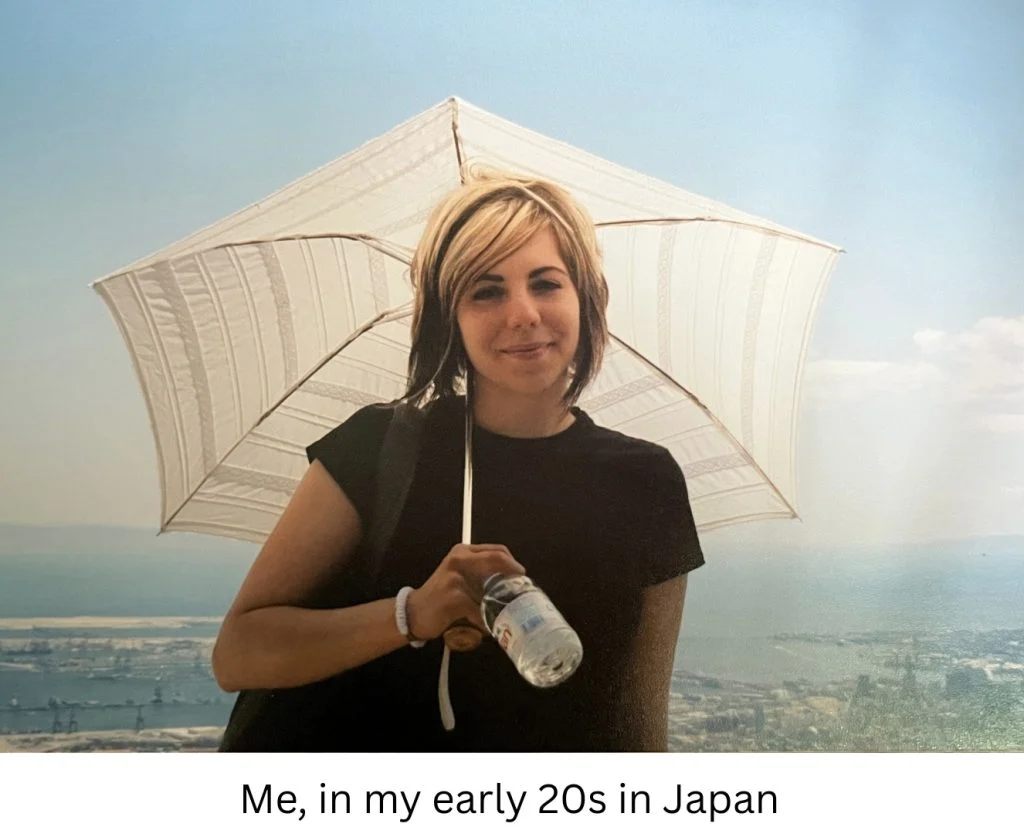
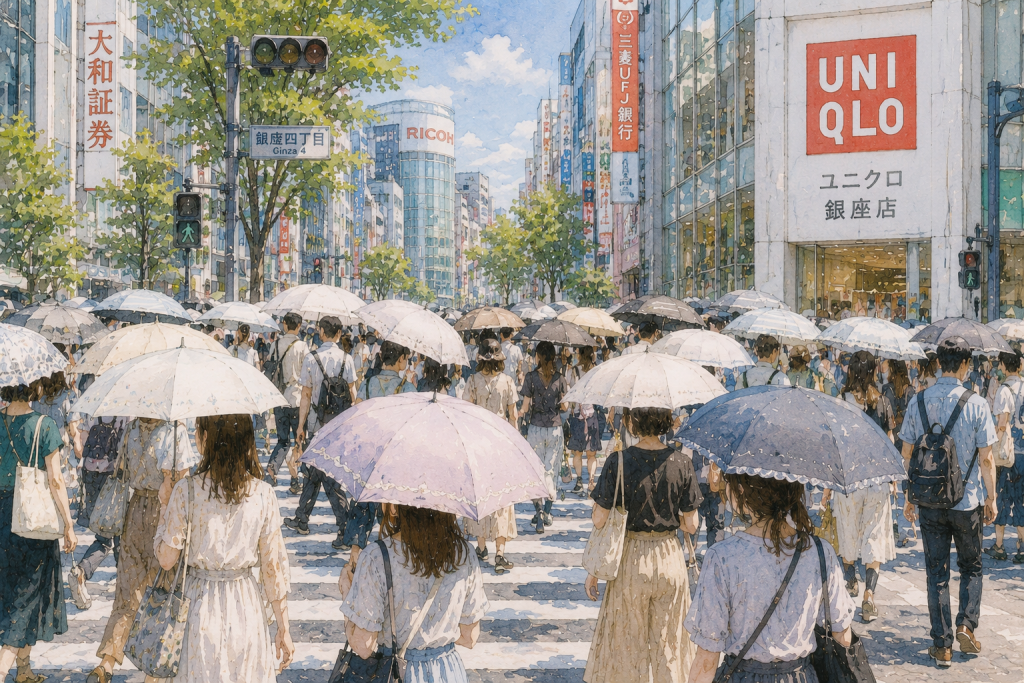
The author’s journey with sun umbrellas began long before a formal diagnosis of dysautonomia. Living in Japan during her early twenties, the author encountered summers that felt like being wrapped in a "hot, wet towel." Navigating urban landscapes without a vehicle meant constant exposure to intense heat and high humidity.
At the time, the strategy was born of necessity. Beyond the immediate heat relief, the sun umbrella served as a secondary defense: it provided an alternative to chemical sunscreens, to which the author had developed an allergy. It was a dual-purpose tool that proved indispensable.
Years later, now residing in Switzerland, the practice remains a cornerstone of her summer toolkit. Whether attending outdoor social events or enjoying a quiet moment by a lake, the parasol offers a level of agency that air-conditioned rooms cannot provide. It is, in essence, a mechanism of empowerment, allowing the individual to dictate their environment rather than being held captive by the weather forecast.
Supporting Data: The Science of "Portable Shade"
While sun umbrellas are ubiquitous in Japan—where nearly 47.4% of the population utilizes them for health and comfort—they remain a rarity in the West. However, the data supporting their efficacy is compelling.
Research indicates that high-quality UV-blocking parasols can decrease the temperature of the area beneath them by approximately 7°F to 9°F (4°C to 5°C). While a 9-degree difference might seem modest in a climate-controlled office, for a body struggling to regulate its own core temperature, this reduction in solar thermal gain is significant.
Furthermore, these specialized umbrellas are distinct from the standard nylon rain umbrella. They are constructed with high-density materials treated with specialized coatings designed to block 99% of UVA and UVB radiation. By creating a microclimate of shadow, the user avoids the cumulative thermal load that triggers autonomic flare-ups.
The Global Perspective: Cultural Differences in Sun Protection
The disparity in sun umbrella adoption between East and West is rooted in historical and cultural attitudes toward sun exposure. In East Asian countries, particularly Japan, the parasol is recognized as a functional health device. In Western culture, the accessory is often viewed through the lens of aesthetics or fashion, leading many to feel self-conscious about using one in a non-beach setting.
However, as climate change leads to more frequent and intense heatwaves, the medical necessity of such tools is beginning to outweigh the social stigma. For those with chronic illnesses, the "curious looks" from strangers are a small price to pay for the ability to remain functional, upright, and conscious in high-heat environments.
Practical Considerations: Selecting the Right Tool
Not all umbrellas are created equal. When selecting a parasol for health management, consumers should look for specific technical features:
1. UV Blocking Rating (UPF)
Look for an Ultraviolet Protection Factor (UPF) of 50+. This ensures that the fabric is specifically engineered to block harmful rays, rather than just providing a thin layer of shade.
2. Heat Reduction Coatings
High-end sun umbrellas often feature a black or silver reflective coating on the interior or exterior. This reflective layer is critical for bouncing back infrared radiation, which is the primary source of heat absorption.
3. Portability and Weight
For someone with EDS or POTS, carrying heavy items can trigger joint pain or fatigue. Opt for lightweight, carbon-fiber-framed umbrellas that are designed for portability without sacrificing structural integrity against light wind.
4. Ease of Deployment
Many modern "quick-open" mechanisms are ideal for those with limited hand strength or dexterity. Manual folding umbrellas can be cumbersome, while high-quality automatic options provide instant relief with the push of a button.
Implications for Summer Management
A sun umbrella should never be viewed as a standalone solution. Instead, it is one pillar in a comprehensive, multi-modal management strategy. The modern dysautonomia "toolkit" for summer should also include:
- Aggressive Hydration: Maintaining fluid volume is the first line of defense against orthostatic intolerance.
- Electrolyte Optimization: Sodium and potassium intake are crucial for blood volume expansion.
- Compression Garments: High-quality medical-grade compression socks or leggings can help prevent blood pooling in the lower extremities.
- Cooling Technology: From cooling vests and neck fans to simple, damp towels, external cooling methods act as a vital supplement to the umbrella’s shade.
- Activity Pacing: Recognizing the body’s limits and scheduling outdoor activities during cooler hours remains essential.
The ultimate goal is to increase the "bandwidth" of the individual. By reducing the physical toll of the sun, the parasol allows for greater participation in daily life, enabling individuals to bridge the gap between indoor safety and the richness of outdoor experiences.
Conclusion: Simplicity as an Accommodation
In the world of chronic illness, we are often encouraged to seek complex medical interventions, specialized pharmaceutical treatments, and high-tech monitoring systems. While these are often necessary, there is a profound power in the "simplest accommodation."
The sun umbrella is a testament to the idea that self-advocacy and environmental modification can be as impactful as medical intervention. By bringing your own shade, you are not just shielding yourself from the sun—you are creating a boundary between your fragile, sensitive autonomic system and an unforgiving environment.
As we face another summer of rising temperatures, it is time to reframe the sun umbrella not as a curiosity, but as a legitimate, research-backed component of the dysautonomia patient’s medical toolkit. For those who choose to adopt this practice, the reward is more than just a few degrees of cooling—it is the freedom to reclaim their summer, one step and one patch of shade at a time.