









Most modern pandemics share a common, ominous origin story: a pathogen, long dormant within an animal reservoir, makes the perilous leap into the human population. This process, known as zoonotic spillover, has been the subject of intense scientific scrutiny since the emergence of SARS-CoV-2. Now, a collaborative multi-institutional study has unveiled a critical breakthrough, identifying a minute genetic difference that acts as a molecular "on-off switch," potentially dictating whether a virus remains harmlessly sequestered in wildlife or evolves into a global threat.
The study, published in the journal Cell Host & Microbe, represents a significant leap forward in our understanding of viral adaptation. By comparing the genetic architecture of SARS-CoV-2 with its closest known relative—the bat-borne virus RaTG13—researchers have pinpointed how a single amino acid substitution can fundamentally alter a virus’s ability to evade the human immune system.
The Anatomy of a Spillover: Main Facts
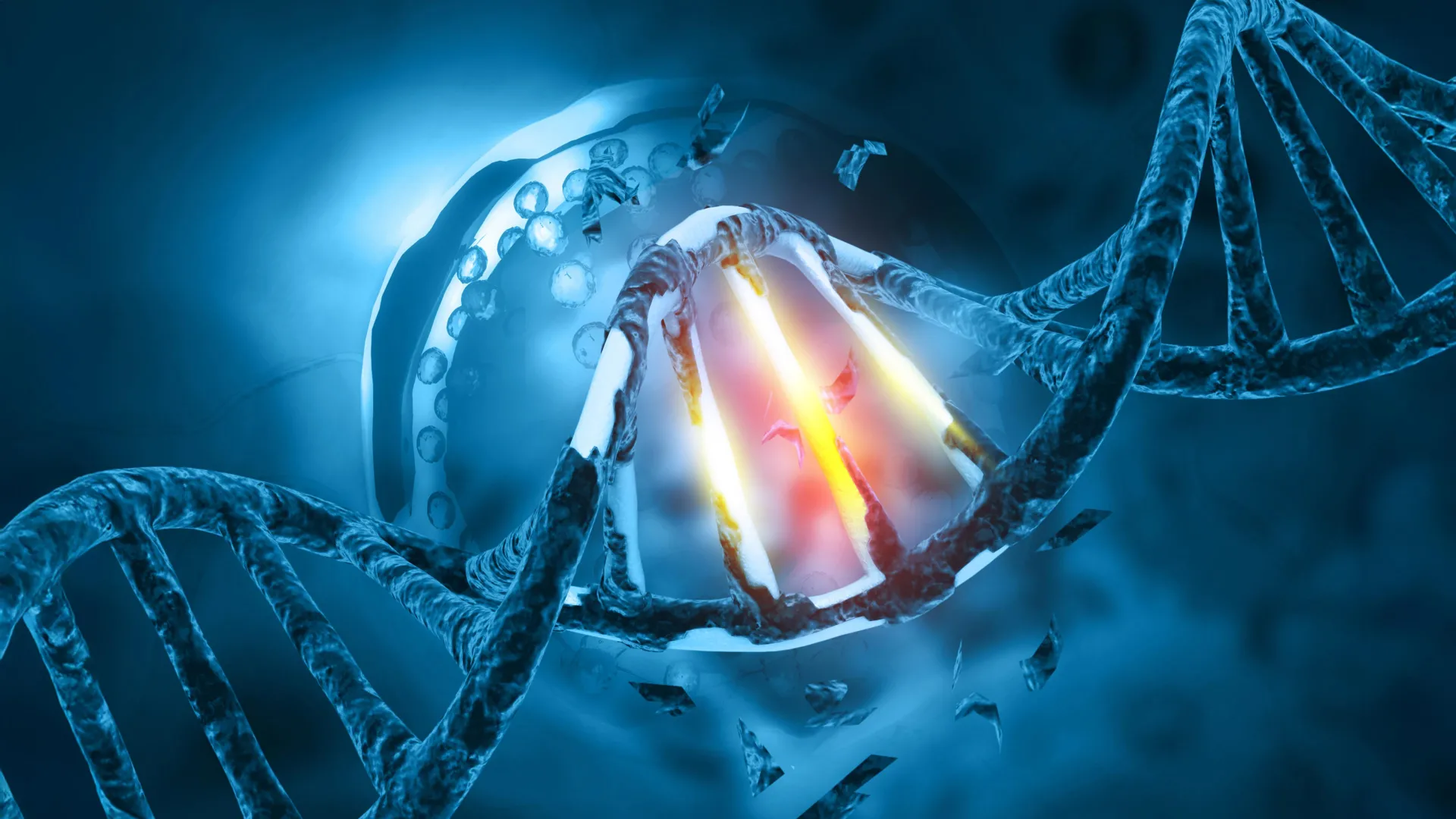
At the heart of the investigation is a viral protein known as OrfB9. While SARS-CoV-2 and RaTG13 are remarkably similar, sharing the vast majority of their genetic makeup, the researchers discovered that the OrfB9 protein in these two viruses differs by only one amino acid.
In the realm of molecular biology, where proteins consist of long, complex chains of hundreds of amino acids, a single-residue change is often dismissed as evolutionary noise. However, in this case, that tiny alteration serves as a decisive pivot point. The team found that the SARS-CoV-2 version of OrfB9 possesses a unique capability to sabotage human immune responses, effectively silencing the "alarms" that would typically alert the body to an invader. Conversely, the RaTG13 version, when present in bat cells, triggers an immune response that keeps the virus in check, preventing it from spiraling into a systemic infection.
This finding challenges the conventional wisdom that viral adaptation requires massive genetic restructuring. Instead, it suggests that the "spillover potential" of a virus may be far more precarious than previously thought, resting on subtle, highly specific molecular interactions.
A Chronological Breakdown of the Discovery
The journey to this discovery was neither quick nor simple; it required the synthesis of advanced biotechnology and cross-disciplinary collaboration.
Phase 1: Establishing the Model (2020–2022)
Following the onset of the COVID-19 pandemic, the global scientific community scrambled to understand the origins of the virus. A major bottleneck was the lack of appropriate experimental models. While human cell lines were readily available, scientists lacked a reliable way to study how viruses behave specifically in the cells of the greater horseshoe bat—the presumed natural host of the progenitor viruses. The research team overcame this by developing the first laboratory-grown lung cell line from the greater horseshoe bat, providing an essential "apples-to-apples" comparison against human lung tissue.
Phase 2: Comparative Genomic Analysis (2023)
With the new cell lines established, researchers conducted a side-by-side comparison of SARS-CoV-2 and RaTG13. They mapped the interactions of various viral proteins with the immune systems of both hosts. The goal was to identify which proteins were responsible for the "species barrier"—the biological wall that usually prevents animal viruses from infecting humans.
Phase 3: Isolating the OrfB9 Protein
The team systematically analyzed the viral proteome, looking for proteins that behaved differently in human versus bat environments. OrfB9 emerged as the clear candidate. Through meticulous protein mapping, they discovered the singular amino acid difference. Subsequent experiments revealed that swapping this specific amino acid in the bat-virus protein allowed it to begin mimicking the behavior of the human-adapted SARS-CoV-2 protein.
Supporting Data: The Mechanics of Immune Evasion
The data collected during the study provides a granular view of how viruses "blind" their hosts. The immune system relies on a complex network of proteins to detect and neutralize foreign invaders. When a virus enters a cell, it typically triggers an antiviral alarm—a process often mediated by proteins like interferon.
The researchers observed that in human cells:
- SARS-CoV-2 OrfB9 acts as a cloaking device. It interacts with the human host’s innate immune machinery to suppress the signaling pathways that lead to the production of interferons. By effectively turning off these internal alarms, the virus gains a "head start," allowing it to replicate rapidly before the immune system can mount a defense.
- The RaTG13 OrfB9, lacking this specific adaptation, fails to suppress the human immune alarm. Consequently, the human immune system successfully detects the virus, leading to its clearance.
In bat cells, the dynamic is reversed. The RaTG13 OrfB9 is highly efficient at interacting with bat-specific proteins, which triggers a regulatory mechanism that keeps the viral load low, demonstrating a co-evolved balance between the host and the pathogen. This "co-evolutionary stability" is exactly what is lost when a virus crosses into a naive human host.
Official Responses and Scientific Perspective
Dr. Nevan J. Krogan, director of the Quantitative Biosciences Institute (QBI) at UCSF and the senior author of the study, emphasized the broader implications of these findings for global health security.
"The difference between a virus that stays in bats and one that spills over into humans and causes catastrophic disease can come down to remarkably small genetic changes," Dr. Krogan stated. "By mapping these interactions at the protein level—across two viruses and two species—we can read the molecular signatures that predict spillover risk. It’s the kind of early warning system the world needs."
The research team, which included experts from the Icahn School of Medicine at Mount Sinai, the Institut Pasteur, and the Fred Hutchinson Cancer Center, noted that this discovery is a testament to the power of open-science collaboration. By sharing data across international borders, the group was able to synthesize findings that would have been impossible for any single lab to achieve in isolation.
Implications for Future Pandemic Preparedness
The identification of these specific "spillover signatures" changes the paradigm for pandemic surveillance. Currently, public health agencies monitor animal populations for the presence of viruses that "look" like known human pathogens. This new research suggests that monitoring must go deeper—focusing on the specific protein-level mutations that grant a virus the "permission" to jump species.
1. Enhanced Surveillance
By cataloging the amino acid sequences of proteins like OrfB9 in wild animal reservoirs, scientists could potentially create a "risk index." Viruses that already possess the "human-adaptive" version of these proteins could be prioritized for closer monitoring, allowing for potential interventions before a spillover event occurs.
2. Targeted Therapeutics
The study also highlights potential avenues for future drug development. If we can identify the specific immune-suppressing proteins a virus uses to invade humans, we can design small-molecule inhibitors to block those proteins. Essentially, we could "re-enable" the human immune system’s ability to detect the virus, even if the virus attempts to hide.
3. Understanding Evolutionary Trajectories
Finally, this research offers a roadmap for understanding viral evolution. It suggests that viruses are constantly testing small mutations. Most are evolutionary dead-ends, but occasionally, a single change—like the one identified in OrfB9—opens a new biological niche. Understanding the constraints and triggers of these mutations is essential for predicting the next "Big One."
Conclusion
The work of the QBI-led team serves as a sobering reminder of the biological proximity between humans and the natural world. While the sheer scale of a pandemic can feel overwhelming, this study strips the process down to its most fundamental level: a single amino acid, a single protein, and a single cellular alarm.
As the world continues to grapple with the aftermath of COVID-19 and prepares for the uncertainties of future outbreaks, this research provides more than just data—it provides a lens through which we can begin to see the invisible barriers of the microscopic world. By learning to read these molecular signatures, we move one step closer to a future where we are no longer passive observers of viral evolution, but active defenders of global public health.