










Main Facts: The Intersection of Performance and Community
In the contemporary landscape of LGBTQ+ social structures, drag has evolved far beyond its origins as a niche form of cabaret entertainment. Today, it serves as a critical infrastructure for community building, mental health support, and the preservation of queer history. At its core, the practice of drag is an exercise in "chosen family"—a sociological phenomenon where marginalized individuals form kinship bonds that mirror or replace traditional biological family structures.
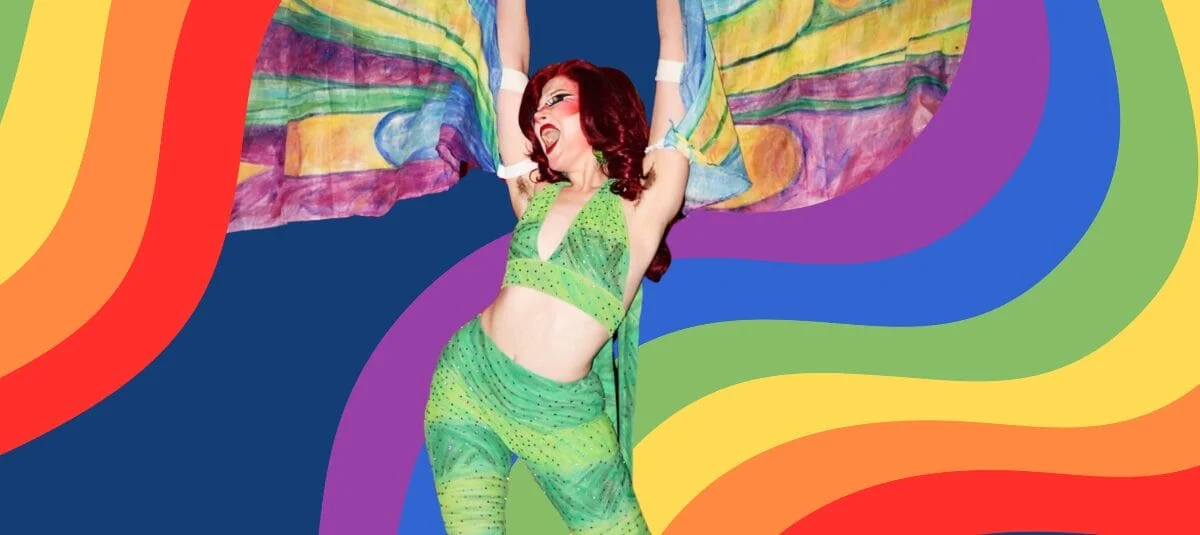
The narrative of a modern drag performer typically begins with a search for belonging. While the aesthetic elements—the meticulously applied contour, the architectural wigs, and the shimmering rhinestones—are the most visible aspects of the art form, they serve as the "hook" for a much deeper social integration. For many performers, the drag stage is the first place they experience "unconditional visibility," a state where their queer identity is not merely tolerated but celebrated as the primary focus of the room.
Recent shifts in the drag scene have emphasized the "drag family" hierarchy, a system rooted in the 20th-century ballroom culture of New York City. In this system, experienced performers (drag parents) mentor newcomers (drag children), providing not only technical artistic advice but also emotional labor, housing, and navigation through the complexities of queer life. This mentorship is a cornerstone of the community’s resilience, creating a multi-generational network of support that addresses the unique mental health challenges faced by the LGBTQ+ population.
Chronology: From Spectator to the Birth of a Performer
The journey into the heart of the drag community is rarely instantaneous; it is a gradual immersion that often begins with the simple act of seeking a safe space.
The Initial Threshold (Two and a Half Years Ago)
For many, the entry point is the "gay bar"—a space that historically functioned as the only sanctuary for queer individuals. The author’s journey began here, characterized by a profound sense of relief. Stepping into a queer-exclusive space for the first time is often described as a "de-escalation" of the nervous system. For over a year, the author existed as a spectator, absorbing the culture of local shows. This period of observation is crucial; it is when the individual learns the "language" of the community, understands the unspoken rules of the space, and begins to see their own potential reflected in the performers.
The Transformation (Eighteen Months Ago)
The transition from the audience to the stage marks a pivotal shift in identity. The author’s first performance, approximately a year and a half ago, was a moment of temporal distortion. The "rush of the spotlight" represents more than adrenaline; it symbolizes the reclamation of space. However, the true "performance" occurred after the curtains closed. The immediate outpouring of support from veteran performers—the "drag elders"—transformed a solitary act of courage into a communal rite of passage.
The Expansion of the Family Tree
Following the debut, the author’s social circle underwent a radical restructuring. Through the tradition of "adoption," the author integrated into a complex lineage. This included a "drag mom," several "drag aunts," and a "drag godmother"—the queen who facilitated the author’s first open-stage appearance. This chronology culminated in a state of "perpetual community," where even personal relationships (such as with a partner who is also a performer) are subsumed into the larger "drag in-law" network. Today, the club patio functions not as a place of business, but as a "family reunion," where mentorship and accountability happen in equal measure.
Supporting Data: The Sociological and Psychological Impact of Queer Spaces
The personal benefits of drag are supported by a growing body of research regarding LGBTQ+ mental health and the "Minority Stress Model." According to the Minority Stress theory, sexual and gender minorities experience chronic stress due to stigma, prejudice, and discrimination.
- Protective Factors of Chosen Family: Studies consistently show that "chosen families" provide a buffer against the negative mental health outcomes associated with biological family rejection. For LGBTQ+ youth and young adults, having at least one supportive adult or a consistent community group can reduce the risk of suicide attempts by up to 40%.
- The Mentorship Gap: In traditional social structures, queer individuals often lack "elders" due to the devastating impact of the HIV/AIDS epidemic of the 1980s and 90s. The drag community is one of the few spaces where intergenerational mentorship remains intact. The "drag parent" model fills a psychological void, providing a roadmap for queer aging and survival.
- The Safety of the "Third Space": Sociologist Ray Oldenburg’s concept of the "Third Space" (places outside of home and work) is vital for community health. For the queer community, the drag bar is a primary Third Space. It offers a "low-stakes" environment for social experimentation and identity formation, which is essential for the development of self-esteem.
- Mental Health Mobilization: Organizations like Active Minds have noted that storytelling and "lived experience" are among the most effective tools for reducing the stigma surrounding mental health. The drag stage is, in essence, a platform for storytelling, allowing performers to externalize internal struggles through art.
Official Responses: Perspectives from Mental Health and Cultural Institutions
While drag has faced increased political scrutiny in recent years, mental health professionals and cultural historians have doubled down on their support for these spaces as essential community hubs.
Advocacy Organizations: Groups such as the Trevor Project and GLAAD emphasize that drag is a form of "cultural resilience." They argue that the visibility provided by drag shows helps normalize queer identities for those who are still in the closet, providing a "beacon of hope" that is measurable in mental health outcomes.
Mental Health Experts: Psychologists specializing in LGBTQ+ issues point out that the "transformation" aspect of drag—makeup, costumes, and persona—is a therapeutic tool. It allows individuals to explore different facets of their personality in a controlled, supportive environment, which can lead to increased confidence in their "out-of-drag" lives.
Institutional Support: The mention of "Active Minds" in the original narrative highlights a growing trend of mental health organizations seeking to partner with queer creators. These organizations recognize that traditional clinical settings can sometimes feel inaccessible or alienating to queer people; therefore, they look to "mobilize" mental health support within the community spaces where queer people already feel safe.
Implications: The Future of Queer Community and the Necessity of Year-Round Support
The narrative of the drag performer serves as a microcosm for the broader needs of the LGBTQ+ community. The implications of this story suggest a shift in how we perceive "Pride" and queer activism.
Moving Beyond "June"
A primary implication is the need for year-round infrastructure. While Pride Month (June) provides a surge of visibility and corporate support, the mental health needs of the community are constant. The author’s call to seek out "sober queer spaces," "art collectives," and "local gay bars" year-round highlights a move toward sustainable community building. The "family reunion" on the club patio must happen in December just as frequently as it does in June to maintain the protective benefits of the group.
The Political Threat to Mental Health
The current legislative attacks on drag performances in various jurisdictions are not merely an issue of "free speech" or "entertainment." From a public health perspective, these attacks threaten to dismantle the safety nets that drag communities provide. When a drag show is canceled or a queer space is forced to close, the "chosen family" loses its dining room, and the "drag children" lose their mentors. The implication is clear: protecting drag is a matter of protecting queer mental health.
The Power of the Narrative
Finally, the author’s invitation for others to share their stories on platforms like Active Minds underscores the importance of "narrative agency." By turning a personal journey into a "blueprint" for others, individuals transition from being victims of their circumstances to being architects of a community.
The drag scene, with its wigs, rhinestones, and spotlights, is ultimately a scaffolding for something much more durable: a sense of belonging. As the author suggests, the act of "picking up a wig" might be the first step toward a life-changing realization—that in the right community, no one has to be the "odd one out." They are simply part of a family.
Get Involved
Your mental health journey could be the blueprint someone else needs. If you have a story of finding community or navigating mental health within the LGBTQ+ space, consider sharing it to help mobilize others toward wellness. Find out how to submit your story on the Active Minds website.