



The era of “one-size-fits-all” cancer treatment is rapidly drawing to a close. For decades, oncologists have relied on aggregate data—broad clinical trial outcomes that suggest a therapy might work for the "average" patient. But as modern medicine pivots toward personalization, the defining question of cancer care is no longer whether a drug works on average, but whether it will work for the specific individual sitting in the exam room.
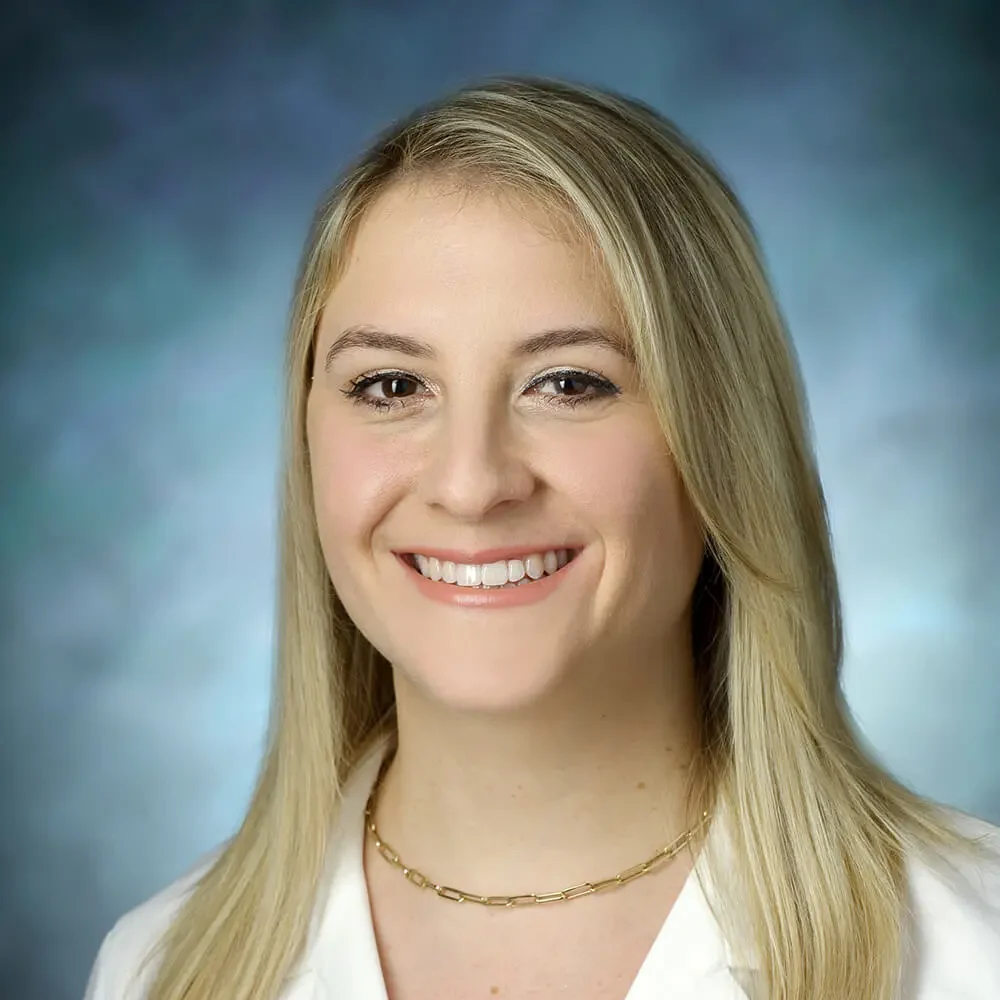
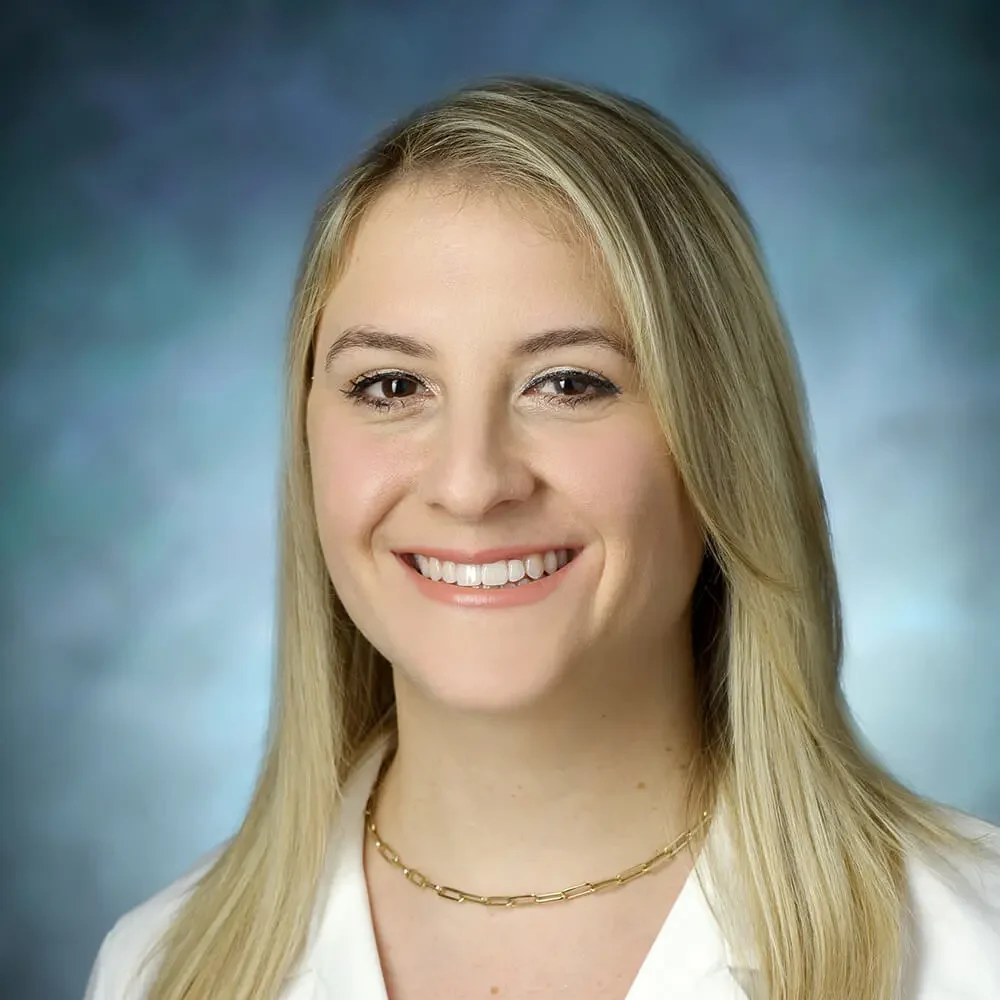
At the forefront of this shift is Dr. Julie Deutsch, a physician-scientist and pathologist at Johns Hopkins University. Her work is not just about identifying new cancer markers; it is about transforming the routine tissue samples collected in hospitals every day into a sophisticated roadmap for personalized therapy. With the support of the prestigious Cancer Research Institute (CRI) STAR award, Dr. Deutsch is bridging the gap between traditional pathology and advanced computational science, aiming to ensure that no patient is ever "flying blind" when making critical treatment decisions.
The Core Mission: Unlocking the Hidden Data in Pathology
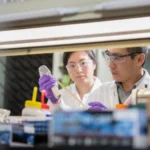
In the eyes of a pathologist, a tissue slide is a vast, untapped landscape of biological data. While standard diagnostic procedures look for basic cellular patterns to identify the presence of malignancy, Dr. Deutsch sees a diagnostic goldmine. By applying advanced computational approaches, including machine learning, she is developing a new generation of tissue-based biomarkers that can decode how an individual’s immune system is interacting with their tumor.
"I’ve seen the power of having the pathology specimen and what information we can glean from it make a real difference for patients," Dr. Deutsch explains. "It’s not just about prognosticating; it’s about giving clinicians the granular information they need to tailor a treatment regimen to that specific patient’s unique tumor microenvironment."
The primary goal of her research is to move precision oncology from a conceptual ideal to a practical clinical reality. By identifying biomarkers that signal response or resistance to therapy in real-time, Dr. Deutsch hopes to spare patients the unnecessary toxicity of ineffective treatments. "You don’t want to expose patients to a therapy that they’re not going to benefit from," she says. "Matching the right patient with the right therapy is the most critical hurdle we face in oncology today."
A Chronology of Innovation: From the Microscope to the Algorithm
Dr. Deutsch’s path to becoming a pioneer in precision pathology was not linear. Like many in her field, her training was grounded in the traditional, manual interpretation of biological tissue. However, as the field of oncology evolved, so did her methodology.
The Early Stages: Clinical Observation
Early in her career, Dr. Deutsch witnessed the limitations of traditional pathology. She saw patients undergo standard treatment protocols only to suffer from severe side effects with little therapeutic benefit. These clinical experiences formed the foundation of her motivation: a desire to provide doctors with better, more predictive information before a treatment plan is finalized.
The Computational Pivot
Several years ago, realizing that human observation alone was insufficient to capture the complexity of cancer signaling, Dr. Deutsch began integrating computational biology into her workflow. This was an unconventional move for a traditional pathologist, but it proved to be a turning point. By leveraging machine learning, she began to analyze patterns in tissue imagery that were previously invisible to the human eye.
The CRI STAR Recognition
The 2026 Cancer Research Institute (CRI) STAR award serves as the current catalyst for her work. The award is unique in its design, favoring the "scientist" over the "project." It provides the financial and institutional freedom necessary to pursue high-risk, high-reward research. For Dr. Deutsch, this funding has allowed her to expand her team, acquire advanced computational infrastructure, and focus on the most difficult phase of her research: implementation.
Supporting Data: Why Implementation Matters
In the world of medical research, the "valley of death" is the gap between a successful laboratory discovery and its application in a clinical setting. Many biomarkers fail because they are too complex, too expensive, or require technology that only exists in top-tier academic research centers.
Dr. Deutsch’s research is specifically designed to circumvent this trap. Her team is focused on:
- Scalability: Developing diagnostic workflows that can be integrated into existing pathology labs, not just specialized research facilities.
- Efficiency: Utilizing tissue samples that are already being collected during routine biopsies or surgeries, minimizing the need for additional invasive procedures.
- Real-Time Feedback: Creating computational tools that can provide results in a timeframe useful for clinical decision-making, rather than weeks or months later.
"You can have the best biomarker in the world," Dr. Deutsch notes, "but if it doesn’t get to patients and doesn’t help them in real-time, then it’s useless."
Official Perspectives: The Role of the CRI STAR Program
The Cancer Research Institute (CRI) has long been a leader in funding immunology-based cancer research. By creating the STAR (Science, Talent, and Research) award, they acknowledged that the next breakthrough in cancer treatment would not necessarily come from a single, static study, but from the intellectual agility of researchers like Dr. Deutsch.
"The STAR program was designed to invest in exceptional scientists rather than narrowly defined projects," says a spokesperson for the institute. "We want to give researchers the freedom to pursue ambitious ideas, to pivot as the science evolves, and to explore the directions that traditional, restrictive funding mechanisms often overlook."
For Dr. Deutsch, this support is existential. "As an early-stage researcher, my career goals and my ability to conduct this level of research would not be possible without foundations like this," she explains. "It is the flexibility of the CRI that allows us to move from the lab bench to the patient bedside with genuine speed."
Implications: The Future of Patient-Centered Medicine
The implications of Dr. Deutsch’s work extend far beyond the laboratory. If she succeeds in creating a scalable, automated system for interpreting tissue-based biomarkers, it could redefine the standard of care for millions of patients.
Reducing Toxicity and Costs
By accurately predicting which patients will respond to expensive and often toxic immunotherapies, hospitals can optimize the use of medical resources. Patients who are unlikely to respond can be shifted to alternative, potentially more effective treatments sooner, while those who are likely to respond can be fast-tracked for therapy.
A New Standard for Diagnostics
Dr. Deutsch’s success could establish a new precedent for how pathology departments operate globally. Rather than acting as a diagnostic service that merely identifies what a tumor is, the pathology department could become an active, integrated partner in determining how that tumor should be treated.
Democratizing Access to Precision Care
By focusing on the "implementation" phase, Dr. Deutsch is working to ensure that precision oncology is not limited to elite academic medical centers. Her goal is to create a model that can be disseminated to regional hospitals, ensuring that a patient in a rural community has the same access to "data-driven" treatment decisions as a patient at a major university hospital.
Conclusion: A Vision for the Future
As Dr. Deutsch looks toward the next decade, she remains committed to the patient. "Without that information," she says, referring to the deep diagnostic insights her work provides, "you’re sort of just flying blind. And that’s not good enough for patients."
Her journey from a standard pathologist to a leader in computational oncology highlights the critical importance of intellectual curiosity and institutional support. By finding new answers hidden in familiar pathology slides and ensuring those answers reach the patients who need them, Dr. Deutsch is embodying the future of medicine: a future that is more personal, more informed, and significantly more effective.
The road ahead is complex. Machine learning models must be rigorously validated, regulatory hurdles must be cleared, and clinical workflows must be updated. Yet, with the backing of the CRI and her own unwavering focus on the human side of the pathology slide, Dr. Deutsch is well-positioned to help lead the charge into this new era of precision oncology. For the patient, this means the difference between uncertainty and a tailored, data-backed path to recovery.